
Welcome to the Golden State, a land of unparalleled beauty, innovation, and diverse experiences. From the sun-drenched beaches of San Diego to the majestic peaks of Yosemite National Park, and the bustling urban centers like Los Angeles and San Francisco, California offers an incredible array of attractions for every kind of traveler. Whether you’re planning a luxurious escape, a budget-friendly adventure, a family trip, or a business stay, California has something to offer. However, amidst all the excitement and exploration, you’ll inevitably encounter a unique aspect of California life: the California Prop 65 Warning.
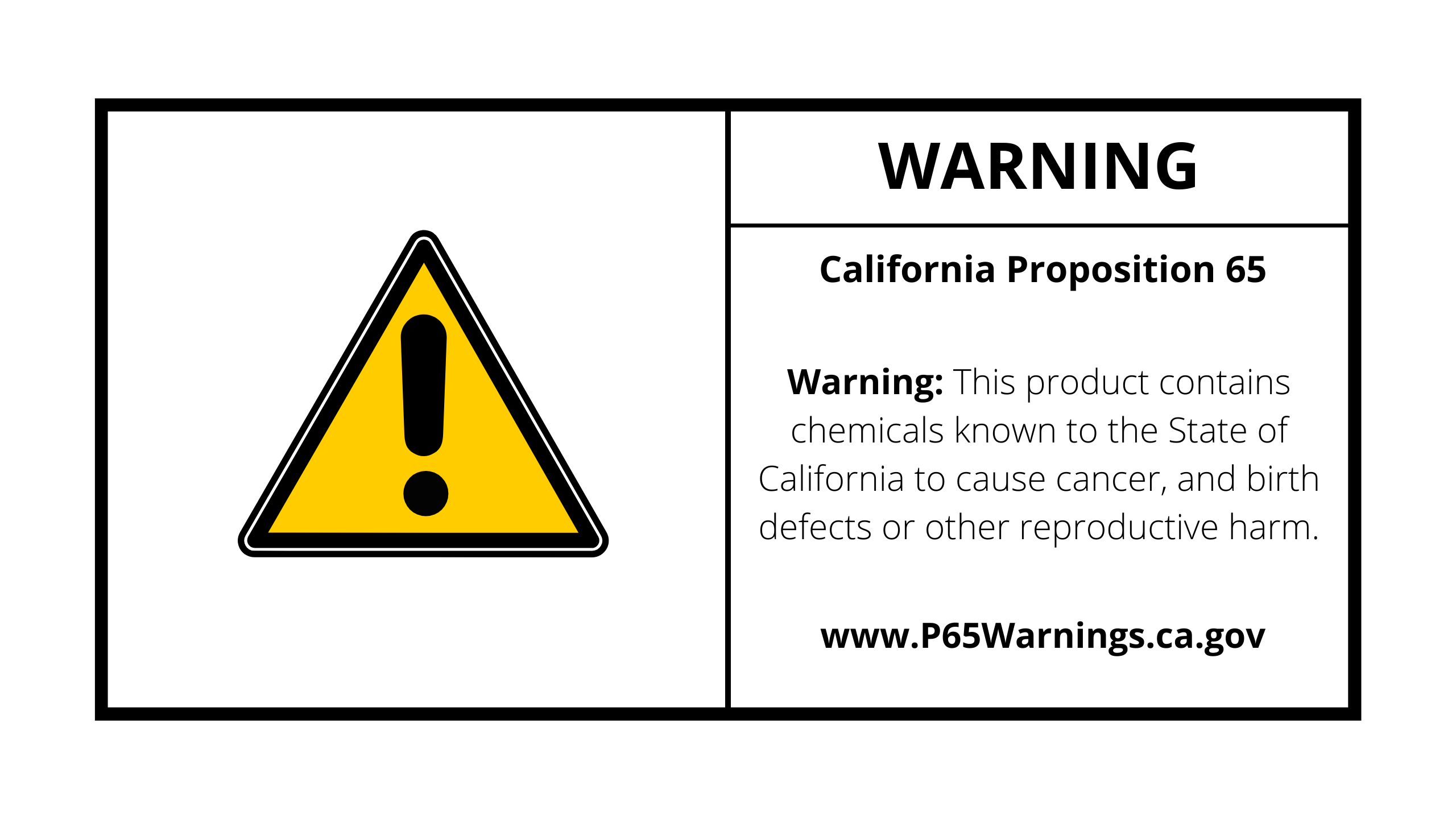
For many visitors and even long-time residents, these ubiquitous signs can be a source of confusion, mild alarm, or even “warning fatigue.” You’ll see them everywhere – in restaurants, coffee shops, grocery stores, hotels, apartment buildings, retail outlets, and even amusement parks. But what exactly is California Prop 65, and why does it seem to be posted on almost everything? Understanding this unique regulation is key to navigating the California lifestyle with confidence and making informed choices during your travels and daily life. It’s not a deterrent to enjoying your stay; rather, it’s a testament to California’s commitment to public health and consumer awareness.
Understanding the Genesis of Prop 65
To truly grasp the essence of California Prop 65, we must delve into its origins and understand the ambitious goals its creators had in mind. This landmark legislation, officially known as the Safe Drinking Water and Toxic Enforcement Act of 1986, emerged from a period of heightened environmental consciousness and public demand for greater transparency regarding hazardous chemicals.
A Brief History and Its Intent
Passed by California voters as a ballot initiative, Prop 65 had two primary objectives. Firstly, it aimed to protect the state’s drinking water sources from contamination by chemicals known to cause cancer, birth defects, or other reproductive harm. Secondly, and perhaps more famously, it sought to inform the public about exposures to such chemicals. The underlying philosophy was that consumers have a right to know about potential chemical exposures in their environment and products, empowering them to make their own decisions about managing those risks.
At its core, Prop 65 is a “right-to-know” law, not a product ban. It doesn’t prohibit businesses from selling products or operating facilities that might expose individuals to listed chemicals. Instead, it mandates that businesses with ten or more employees provide a “clear and reasonable” warning before knowingly and intentionally exposing anyone to a listed chemical. This distinction is crucial, as it explains why you see warnings on such a wide range of items and locations without those items being pulled from shelves or venues being shut down. The law places the onus on businesses to either reformulate their products to remove or reduce the chemicals, or to provide adequate warnings.
The Scope of Listed Chemicals
The list of chemicals covered by Prop 65 is extensive and ever-growing, currently encompassing over 900 substances. These chemicals fall into two main categories: those identified as causing cancer (carcinogens) and those causing birth defects or other reproductive harm (reproductive toxins). The list is maintained and regularly updated by the California Office of Environmental Health Hazard Assessment (OEHHA), the state agency responsible for implementing Prop 65.
OEHHA adds chemicals to the list based on scientific evidence, including findings from other authoritative bodies such as the International Agency for Research on Cancer (IARC) and the US Environmental Protection Agency (EPA). This dynamic nature means that businesses must constantly monitor their products and environments for newly listed chemicals, adding to the complexity of compliance. The vastness of this list and the extremely low “safe harbor” levels (thresholds below which no warning is required) often mean that even trace amounts of chemicals can trigger a warning requirement, leading to the widespread presence of these labels across California.
Navigating the Warning Labels: What Travelers and Consumers Should Know
As a visitor or resident in California, encountering Prop 65 warnings is an unavoidable part of daily life. Rather than being alarmed, understanding what these labels signify can empower you to make informed decisions and enjoy your time in the state without undue worry.
Deciphering the Warnings
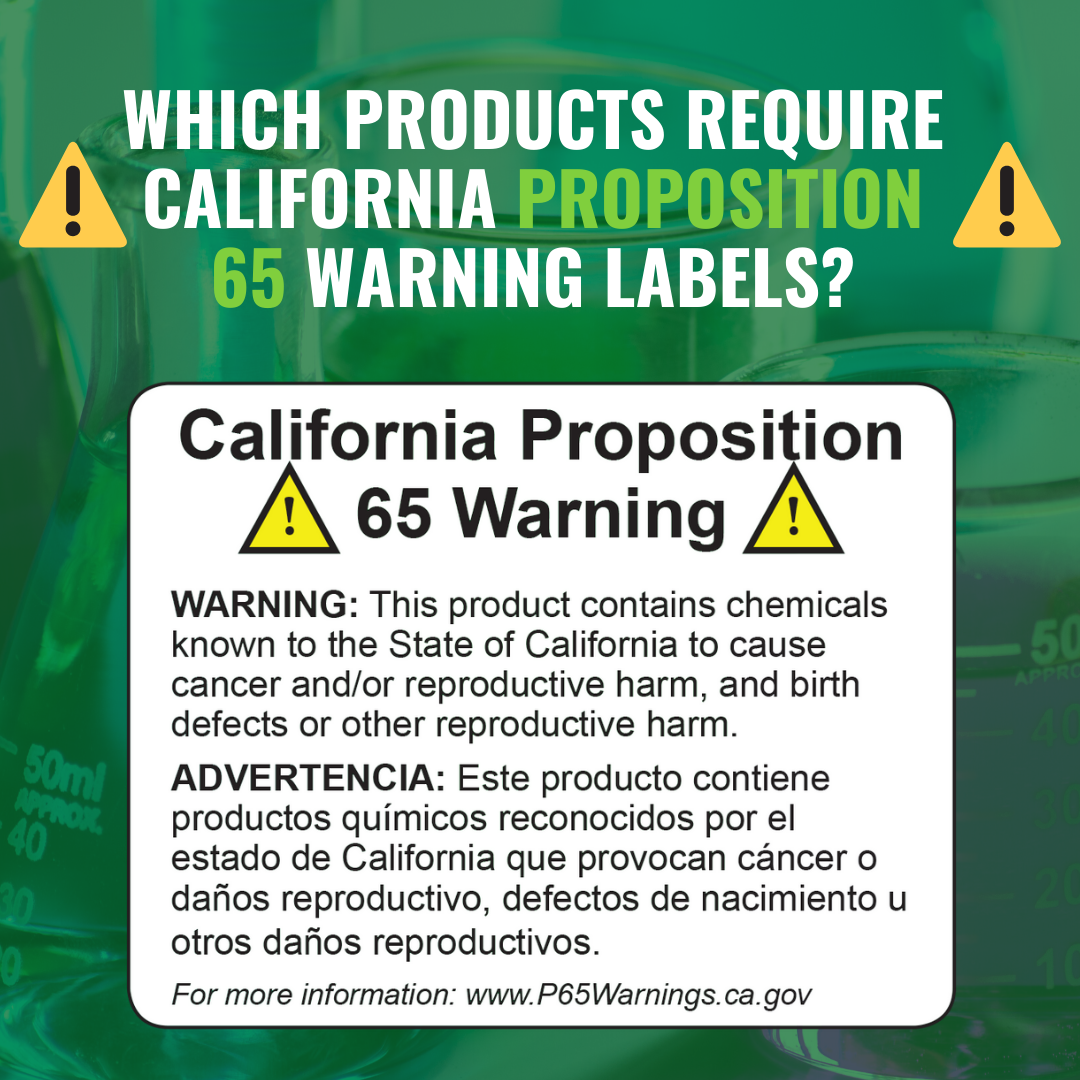
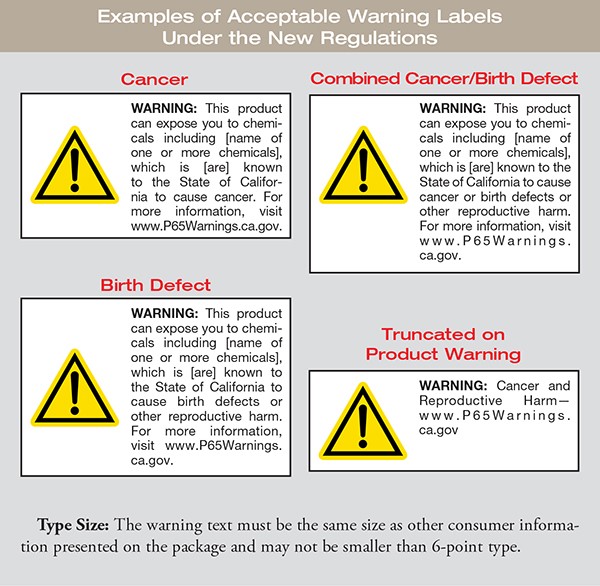
In 2018, OEHHA updated the warning regulations to make them more specific and informative. Modern Prop 65 warnings typically include:
- A triangular yellow warning symbol.
- The word “WARNING” in bold.
- Specific language indicating whether the chemical causes cancer, reproductive harm, or both. For example, “WARNING: This product can expose you to chemicals including [chemical name], which is known to the State of California to cause cancer.”
- The name of at least one listed chemical that triggered the warning.
- A link to www.P65Warnings.ca.gov for more information.
It’s crucial to understand that a Prop 65 warning does not necessarily mean a product is unsafe or that you are at significant risk. Many listed chemicals are found naturally in the environment or are produced through common processes. For instance, acrylamide, a common warning trigger, is formed when certain starchy foods (like coffee beans or potatoes) are cooked at high temperatures. Similarly, lead can be found in trace amounts in many natural soils and minerals, which can then be present in foods or products derived from those sources. The warning simply indicates the presence of a listed chemical, often at levels far below those considered harmful by federal agencies or international health organizations, but above Prop 65’s ultra-strict thresholds.
Common Places You’ll Encounter Prop 65 Warnings
When you embark on your travels or settle into your accommodation in California, keep an eye out for these warnings in various settings. Familiarity will help you process them without unnecessary concern.
Retail Stores
Virtually any retail store in California may feature Prop 65 warnings. You might see them on shelves, specific product packaging, or at point-of-sale. This includes:
- Furniture: Wood dust, flame retardants, and certain finishes.
- Electronics: Lead, cadmium, phthalates in cords and components.
- Apparel: Dyes or treatments.
- Home Goods: Plastics, ceramics, glassware (e.g., lead in glazes).
- Tools and Hardware: Components, lubricants.
- Jewelry: Metals and finishes.
Restaurants and Food Establishments
This is one of the most common and often surprising places to find Prop 65 warnings, especially for visitors enjoying California’s vibrant food scene. You might see signs at the entrance, on menus, or at the counter.
- Coffee Shops: Warnings about acrylamide, a chemical formed during the coffee bean roasting process. This is perhaps the most widely recognized food-related Prop 65 warning.
- Restaurants: Warnings about chemicals in cooked foods (e.g., acrylamide in fried or baked items), ingredients (e.g., lead in certain spices or seafood), or even environmental exposures within the establishment (e.g., exhaust fumes from a kitchen).
- Grocery Stores: Warnings on produce (pesticide residues, naturally occurring lead), canned goods (BPA in linings), or processed foods.
Hotels and Accommodation
When booking hotels, resorts, apartments, or villas in California, you might find warnings in common areas or even your room.
- Building Materials: Components like certain paints, sealants, or flooring materials.
- Furnishings: Flame retardants in mattresses or upholstery.
- Parking Garages: Exhaust fumes containing carbon monoxide and other chemicals.
- Swimming Pools/Hot Tubs: Chemicals used for sanitation.
These warnings are primarily about the potential presence of chemicals in the building itself or its amenities, ensuring guests are aware of any such exposures during their stay.
Public Places and Landmarks
As you explore California’s famous landmarks and attractions, from theme parks to historical sites, expect to see Prop 65 warnings.
- Amusement Parks: (Disneyland Park, Universal Studios Hollywood, etc.) Warnings might be present at entrances, near rides, or in gift shops, relating to anything from building materials to food served.
- Museums and Art Galleries: Building materials, art restoration chemicals, or even chemicals in certain exhibits.
- Parks and Recreational Areas: Warnings could relate to pesticides, naturally occurring heavy metals in soil, or even chemicals in playground equipment.
- Gas Stations and Automotive Repair Shops: Warnings about fuel fumes and various automotive fluids.
Online Shopping
Even when shopping online, if a product is intended for shipment to California, retailers are often required to display Prop 65 warnings on product pages. This means your consumer awareness extends beyond physical storefronts.
The Impact on Businesses and the California Lifestyle
Prop 65 has had a profound impact on how businesses operate within California and how consumers perceive risks. While its intent is noble, its implementation has brought about unique challenges and, at times, public confusion.
Compliance Challenges for Businesses
For businesses, complying with Prop 65 is a significant undertaking. They must:
- Identify Listed Chemicals: Thoroughly assess all materials, ingredients, and processes to determine if any of the 900+ listed chemicals are present. This often requires extensive testing and supply chain audits.
- Assess Exposure Levels: Determine if exposure levels exceed the “safe harbor” thresholds established by OEHHA. These thresholds are often far more stringent than federal safety limits.
- Provide Clear Warnings: If thresholds are exceeded, businesses must provide “clear and reasonable” warnings. Failure to do so can result in substantial penalties, including daily fines and costly lawsuits brought by private citizens (often referred to as “bounty hunters”) or environmental groups. This legal aspect makes Prop 65 particularly powerful and ensures a high level of compliance.
- Reformulation: Many businesses choose to reformulate products or change processes to avoid the warning requirement altogether, which can be an expensive and time-consuming endeavor. For instance, manufacturers might seek lead-free components or alter cooking methods.
The compliance burden can be especially challenging for small businesses and those outside California that ship products into the state. It essentially creates a unique regulatory environment that often dictates manufacturing and labeling practices for the entire United States market, as many companies find it easier to apply Prop 65 compliant practices across all their products rather than creating California-specific versions.
Balancing Information with “Warning Fatigue”
One of the criticisms of Prop 65 is the phenomenon of “warning fatigue.” Because warnings are so prevalent, consumers might begin to ignore them, or struggle to differentiate between a genuinely high-risk exposure and a negligible one. When every coffee cup, restaurant, and piece of furniture carries a warning, the impact of any single warning can be diluted.
This widespread application, while intended to be comprehensive, can inadvertently lead to public confusion or even unnecessary alarm. For visitors to California, it’s a stark contrast to regulations in other parts of the United States or the world, making the California lifestyle seem uniquely risky. However, it’s important to remember that these warnings often highlight trace amounts, and the vast majority of products and environments in California are perfectly safe for consumption and enjoyment. The purpose is disclosure, not necessarily to imply imminent danger.
The “Safe Harbor” Levels
OEHHA sets “safe harbor” levels, which are exposure thresholds below which businesses are not required to provide a Prop 65 warning. These levels consist of No Significant Risk Levels (NSRLs) for carcinogens and Maximum Allowable Dose Levels (MADLs) for reproductive toxins. These thresholds are often incredibly low, sometimes thousands of times lower than levels considered safe by federal agencies.
Many businesses err on the side of caution and provide warnings even when exposures are below these safe harbor levels, primarily to avoid potential lawsuits. Proving that an exposure is below a safe harbor level can be costly and technically complex, making a warning label a more straightforward (though perhaps less informative) solution for many businesses. This proactive, sometimes overly cautious, approach further contributes to the ubiquitous nature of Prop 65 warnings.
Empowering Your California Experience: Tips for Travelers and Residents
Whether you’re visiting for a short getaway, extended travel, or considering making California your home, understanding Prop 65 can enhance your overall experience. It’s about being informed, not fearful.
Understanding, Not Overreacting
The most important tip is to approach Prop 65 warnings with a balanced perspective. A warning sign is not an alarm bell. It’s a notification that a listed chemical is present, but it doesn’t quantify the risk or necessarily indicate danger. Many substances on the list are ubiquitous, and exposure levels are often minimal. For example, enjoying a cup of coffee at a San Francisco café, even with a Prop 65 warning, is still considered perfectly safe by most health standards.
Educate yourself on the general nature of Prop 65 rather than becoming fixated on every individual warning. Remember, the law is unique to California and often highlights chemical presences that might go unmentioned in other states or countries, not because the risk is higher in California, but because the disclosure requirements are stricter.
Making Informed Choices
If a specific warning genuinely concerns you, the most effective way to gain more insight is to utilize the resource provided on most warnings: www.P65Warnings.ca.gov. This official website offers detailed information about the chemicals on the list, common exposure sources, and ways to reduce or avoid exposure. You can search for specific chemicals or product categories to understand the context of the warning.
For example, if you see a warning about lead in a particular product, you can research alternative products that might be lead-free. If you’re dining out and see a general restaurant warning, you might consider cooking methods (e.g., steamed vs. fried) if you wish to minimize potential acrylamide intake. Prop 65 is designed to give you this power of choice and information.
Enjoying California Safely
Ultimately, California remains a safe and spectacular destination for tourism and a wonderful place to live. The Prop 65 warnings are a unique part of its regulatory landscape, reflecting a deep-seated commitment to environmental protection and consumer rights. They are not intended to instill fear but to foster awareness.
By understanding the background and practical implications of Prop 65, you can easily integrate this knowledge into your California experience. Book your dream hotel in Napa Valley, explore the iconic Golden Gate Bridge in San Francisco, hike through Big Sur, or visit Santa Monica Pier with the knowledge that you are empowered to make informed decisions about your environment. The warnings are simply another layer of information in a state that values transparency, allowing you to focus on the incredible destinations, attractions, and lifestyle California has to offer. Enjoy your California adventure to the fullest!