
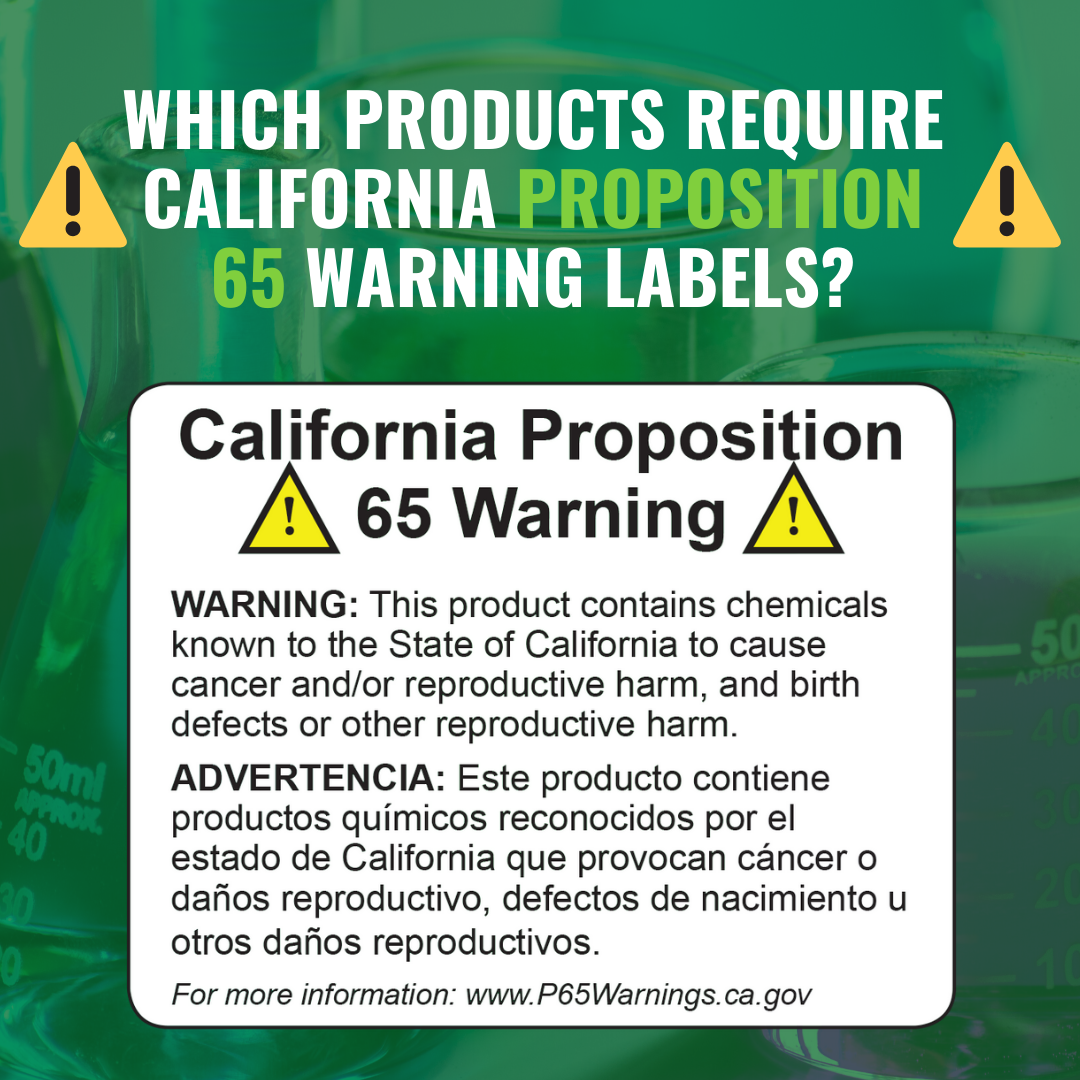
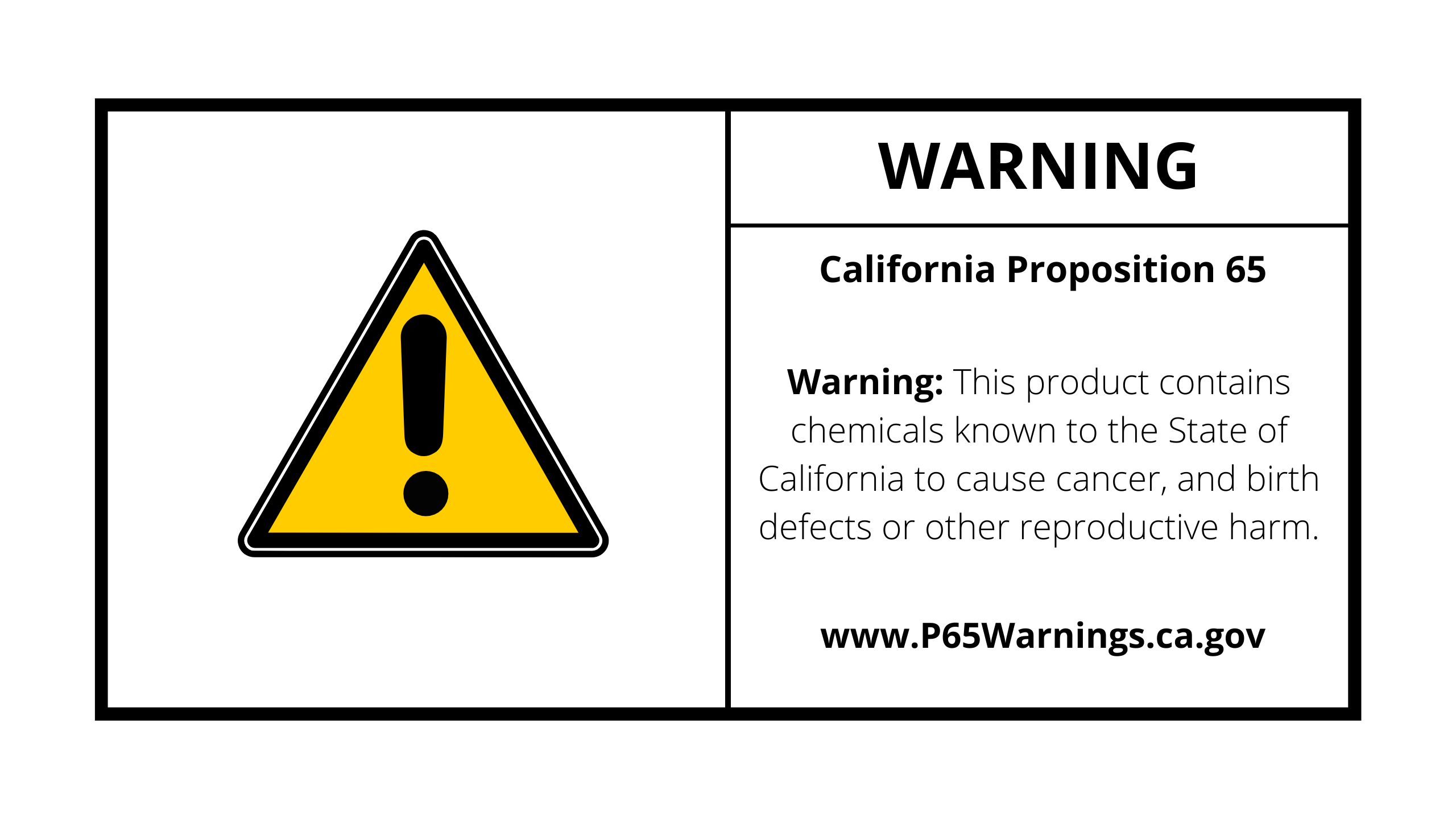
Planning a trip to the Golden State? Whether your itinerary involves the bustling cityscapes of Los Angeles, the iconic landmarks of San Francisco, the serene wine country of Napa Valley, or the sun-drenched beaches of San Diego, you’re likely to encounter a distinctive yellow warning sign. This ubiquitous sign, often featuring a black exclamation point within a yellow triangle, accompanied by text about “cancer and reproductive harm,” is the public face of California Proposition 65. Far from being a niche regulation, Prop 65 is an integral part of daily life and commerce throughout the state, and understanding it can enhance your travel experience, helping you make informed decisions without unnecessary alarm.
For travelers, navigating a new destination often involves embracing local culture, indulging in unique culinary experiences, and exploring breathtaking attractions. The presence of Prop 65 warnings can sometimes introduce a layer of confusion or concern, especially for those unfamiliar with its origins and intent. This comprehensive guide aims to demystify Proposition 65, explaining its purpose, where you’ll encounter its warnings, and how it impacts everything from your choice of accommodation to your dining experiences and souvenir shopping. Our goal is to equip you with the knowledge to understand these warnings in context, allowing you to fully enjoy all that California has to offer, from luxury resorts to budget-friendly stays, and from world-famous landmarks to hidden local gems.
Unpacking the Basics: The Safe Drinking Water and Toxic Enforcement Act of 1986
At its core, Proposition 65, officially known as the Safe Drinking Water and Toxic Enforcement Act of 1986, is a unique law with a straightforward objective: to inform the public about potential exposures to chemicals known to cause cancer, birth defects, or other reproductive harm. It was enacted by California voters as a ballot initiative, reflecting a strong public desire for greater awareness regarding environmental and health risks.
Understanding the “Why”: Protecting Public Health
The genesis of Prop 65 lies in a desire to protect California residents and visitors alike by empowering them with knowledge. The law mandates that businesses operating within California must provide a “clear and reasonable warning” before knowingly and intentionally exposing anyone to a listed chemical. This list, which is continuously updated, now includes over 1,000 chemicals. These chemicals can range from naturally occurring substances in food and water to synthetic compounds found in manufacturing processes, consumer products, and industrial emissions.
It’s crucial to understand that the mere presence of a warning sign does not necessarily mean a product is unsafe or that exposure above a “safe” level is guaranteed. Instead, Prop 65 operates on a precautionary principle, aiming to provide information so individuals can make their own choices. The state maintains specific “No Significant Risk Levels” (NSRLs) for carcinogens and “Maximum Allowable Dose Levels” (MADLs) for reproductive toxicants. If a business believes an exposure might exceed these levels, even if the risk is minimal, a warning is typically required. This low threshold often leads to warnings being issued broadly, even for exposures far below what federal agencies consider harmful.
Navigating California as a Traveler: Prop 65 and Your Experience
As a traveler, your interaction with Proposition 65 will likely be through the warning signs you encounter in various establishments and public spaces. These signs are a direct result of the law’s requirement for businesses to provide notice, and understanding their context is key to avoiding unnecessary concern during your vacation or business trip.
Common Encounters: Where You’ll See the Warnings
Prop 65 warnings are remarkably pervasive across California. You’ll find them in a wide array of locations relevant to your travel and accommodation choices:
- Hotels and Accommodation: Whether you’re checking into a luxury suite, a boutique resort, or a budget-friendly apartment rental, you might see Prop 65 warnings. These could be posted in lobbies, near parking garages, in fitness centers, or even within individual rooms. They often relate to vehicle exhaust in parking areas, cleaning products, building materials, or even specific amenities like coffee makers.
- Restaurants and Food Establishments: Dining out is a highlight of any trip, and California’s culinary scene is world-renowned. Expect to see Prop 65 warnings at the entrance of restaurants, coffee shops, bars, and even fast-food chains. These warnings often pertain to specific food items (like certain fish that may contain mercury), cooking byproducts (like those from grilling or frying), or chemicals present in the environment where food is prepared.
- Retail and Souvenir Shops: From high-end boutiques on Rodeo Drive to charming souvenir shops near Disneyland or Universal Studios Hollywood, you may see warnings on a variety of consumer products. This can include jewelry, clothing, electronics, luggage, furniture, and even toys. Businesses choose to warn consumers if their products contain any of the listed chemicals, even in trace amounts.
- Public Spaces and Landmarks: Beyond commercial establishments, Prop 65 warnings can appear in public parks, museums, art galleries, historical sites, and even around public transportation hubs. These usually relate to environmental exposures, such as vehicle emissions, construction materials, or substances used in maintenance.
- Gas Stations and Parking Garages: You will almost certainly see warnings at gas stations (due to gasoline and vehicle exhaust) and enclosed parking garages (due to vehicle emissions).
Interpreting the Yellow Triangle: What the Warnings Mean (and Don’t Mean)
The primary purpose of a Prop 65 warning is to provide a “right to know,” not necessarily to indicate an immediate danger. This distinction is crucial for travelers:
- It’s an informational alert, not a hazard label: A Prop 65 warning isn’t a government declaration that a product or place is dangerous. It’s a statement that a business believes it might be exposing you to a listed chemical above a specific, very low threshold.
- Exposure levels are often minimal: The warning thresholds for Prop 65 are exceedingly conservative. This means many products or environments with warnings expose individuals to levels of chemicals far below what most federal or international health agencies consider harmful. For instance, a warning on a bag of coffee might be due to acrylamide, a chemical naturally formed during the roasting process, often at levels considered safe for consumption by other health organizations.
- The burden on businesses: Compliance with Prop 65 can be complex and costly for businesses. To avoid potential lawsuits and penalties, many companies choose to issue warnings broadly, even if the risk of exposure is negligible or debatable. This “over-warning” strategy ensures compliance but can sometimes desensitize the public or cause undue concern.
Making Informed Choices: Lifestyle, Travel, and Prop 65
Understanding the nuances of Prop 65 allows you to incorporate this knowledge into your travel lifestyle choices without letting it overshadow the joy of your California adventure.
Food and Drink: A Special Focus for Travelers
California’s vibrant food scene is a major draw for tourists. When dining out in major cities like Los Angeles or San Francisco, or enjoying a wine tasting in Napa Valley, you will frequently see Prop 65 warnings.
- Dining Out: These warnings might refer to naturally occurring chemicals in seafood, lead in some ceramic tableware, or cooking byproducts from charring meat or deep-frying. For most travelers, these exposures are intermittent and not a cause for alarm. If you have specific dietary concerns, reputable establishments are generally happy to answer questions about ingredients and preparation methods, though they may refer back to the general Prop 65 warning.
- Grocery Shopping: If you’re staying in an apartment or villa with kitchen facilities, you might buy groceries. Many packaged foods and fresh produce can carry warnings, often due to naturally occurring heavy metals in the soil or processing methods. Again, this doesn’t automatically mean the food is unsafe; it’s an informational disclosure.
- Coffee Consumption: One of the most common and often misunderstood warnings relates to coffee. The natural roasting process creates acrylamide, a chemical on the Prop 65 list. This led to widespread warnings in coffee shops, which generated considerable public discussion about the law’s practical application. While the legal challenges have evolved, the underlying principle of warning for listed chemicals remains.
Accommodation and Amenities: Staying Smart in California
Your choice of accommodation and how you interact with its amenities can also bring Prop 65 warnings into play.
- Hotel Rooms and Cleaning Products: Warnings in hotel rooms can be attributed to various sources: flame retardants in mattresses or furniture, chemicals in cleaning supplies, or even the materials used in the building’s construction. For a short stay, the exposure levels are typically minimal and pose no significant risk.
- Pools, Gyms, and Spas: Facilities like hotel gyms and spas might have warnings related to the equipment (e.g., certain plastics or rubber compounds) or the chemicals used to treat water in pools and hot tubs. These warnings are standard and reflect the broad reach of the law.
- Long-term Stays and Rentals: If you’re planning a long-term stay in a California rental apartment or house, you might become more attuned to these warnings in household items or even the property itself. As with shorter stays, the general advice is to exercise common sense and understand the warnings in context.
Shopping for Souvenirs and Gifts: From Napa Valley to San Diego
Shopping is a popular travel activity, and Prop 65 extends to a vast array of consumer products.
- Apparel, Jewelry, Home Goods: You might find warnings on items like jewelry (due to trace metals), leather goods (due to tanning agents), or certain electronics. Children’s products, especially toys, are frequently subject to warnings because of strict regulations on materials.
- Making Choices: When purchasing souvenirs, especially for children or as gifts, consider reading any labels or warnings. Many reputable brands go above and beyond to ensure product safety, even if they must still comply with Prop 65 by providing a warning.
Experiencing California’s Landmarks and Attractions Responsibly
Exploring California’s famous places, from Golden Gate Bridge to the natural beauty of Yosemite National Park, can also involve encountering Prop 65.
- Outdoor Activities: Warnings at gas pumps, parking lots, or near industrial areas relate to vehicle emissions and pollutants. Even some natural environments might have warnings if naturally occurring heavy metals are present in the soil or water.
- Museums and Historical Sites: Warnings here might refer to building materials, exhibition displays, or even the air quality within older structures.
- Theme Parks: Major attractions like Disneyland or Universal Studios Hollywood, with their vast infrastructure, dining options, and retail stores, will prominently display Prop 65 warnings. These encompass everything from exhaust from rides, to food served, to souvenirs sold.
Beyond the Warning Sign: Enjoying Your California Journey
Ultimately, Proposition 65 is an important part of California’s commitment to public health, but it shouldn’t be a source of constant worry for travelers. By understanding its purpose and limitations, you can make the most of your trip.
Practical Tips for Travelers
- Don’t Panic, Context is Key: The most important takeaway is that a Prop 65 warning is an alert, not an immediate danger signal. Most exposures are at levels far below those considered harmful, especially during a short visit.
- Ask Questions (if genuinely concerned): If a specific warning genuinely concerns you, especially regarding a product you intend to use or consume regularly, you can ask the business for more information. However, be prepared that they may only be able to reiterate the warning or point you to their general compliance statements.
- Focus on Reputable Establishments: Choosing well-known hotels, restaurants, and shops often means they have robust compliance programs in place, ensuring they adhere to safety standards beyond just Prop 65.
- Prioritize Personal Choices: If you have particular sensitivities or health concerns, use the warnings as one piece of information to guide your personal choices regarding diet, product use, and environment. For example, if you prefer to avoid potential exposures from certain cleaning chemicals, you might opt for accommodations that highlight their use of eco-friendly products.
The Broader Context: California’s Commitment to Health and Safety
Proposition 65, despite its controversies and the occasional confusion it causes, has had a profound impact. It has driven many manufacturers to reformulate products, remove harmful chemicals, and innovate safer alternatives, not just for California consumers but for the entire market. It stands as a testament to California’s pioneering role in environmental and public health protection.
As you travel through California, from its vibrant cities to its serene landscapes, view Prop 65 warnings as an informational tool designed to empower you. Embrace the incredible experiences, diverse culture, and stunning beauty of the state, confident in your understanding of this unique local regulation. Your California journey, whether for leisure or business, will be enriched by appreciating both its renowned hospitality and its distinctive commitment to public awareness.
LifeOutOfTheBox is a participant in the Amazon Services LLC Associates Program, an affiliate advertising program designed to provide a means for sites to earn advertising fees by advertising and linking to Amazon.com. Amazon, the Amazon logo, AmazonSupply, and the AmazonSupply logo are trademarks of Amazon.com, Inc. or its affiliates. As an Amazon Associate we earn affiliate commissions from qualifying purchases.