
In the vibrant tapestry of global cuisine, few dishes bridge cultural divides and ignite culinary curiosity quite like the California Roll. Often the first foray into the world of sushi for many Westerners, this iconic maki roll transcends its humble origins to represent a fascinating chapter in gastronomic innovation. Far from being a mere menu item, the California Roll embodies the spirit of cross-cultural adaptation, an accessible gateway to an intricate culinary art form, and a testament to how food can shape and define travel experiences. For travelers venturing into new destinations, understanding the story behind such a globally recognized dish offers a deeper appreciation not just for local culture and food, but also for the universal language of flavor and creativity.
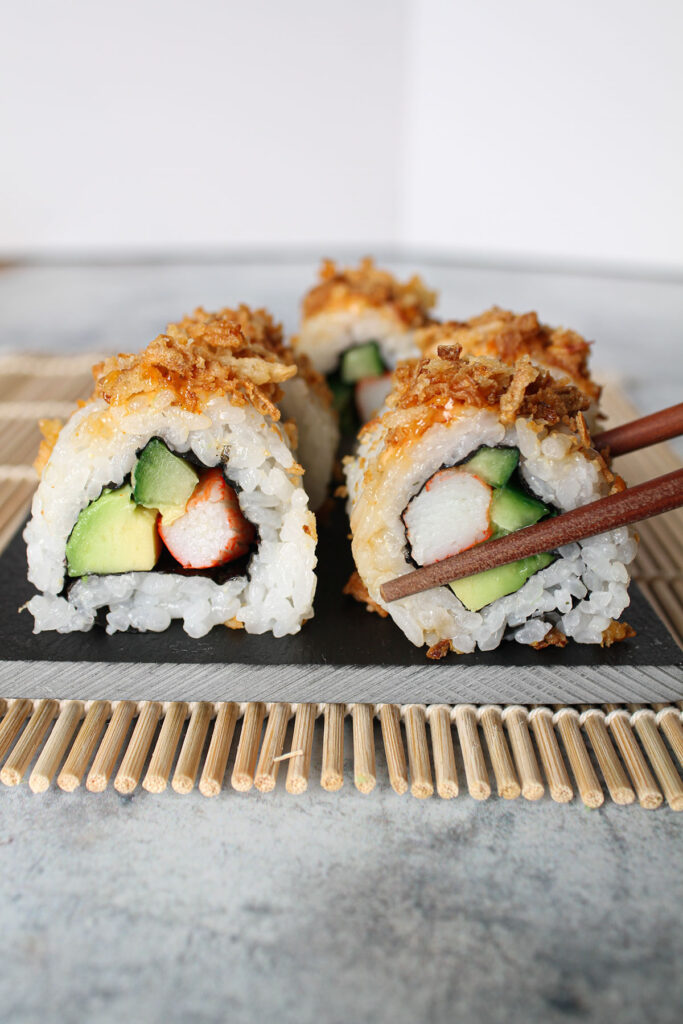
This seemingly simple combination of rice, nori, avocado, cucumber, and imitation crab meat has carved out an indelible niche in the international food scene, inviting millions to explore the broader, more traditional spectrum of Japanese cuisine. Whether you’re a seasoned sushi enthusiast or a curious newcomer, delving into the essence of the California Roll provides a delectable insight into the seamless blend of tradition and modernity, making it a compelling subject for any traveler seeking to enrich their understanding of the world through its diverse culinary offerings.
A Culinary Icon Born from Cross-Cultural Innovation
The creation of the California Roll is not just a culinary anecdote; it’s a pivotal moment in the history of fusion cuisine and an excellent example of how local ingredients and palates can inspire global trends. Its story is deeply intertwined with the burgeoning Japanese restaurant scene in North America during the latter half of the 20th century, particularly in bustling urban centers that were becoming melting pots of cultures and tastes.
The Humble Beginnings: Bridging Palates
The exact origin of the California Roll is a topic of friendly debate, with two main contenders vying for the title. One popular theory credits chef Ichiro Mashita of Tokyo Kaikan in Los Angeles in the late 1960s or early 1970s. Faced with American diners who were hesitant about eating raw fish and the unfamiliar texture of nori (seaweed), Mashita ingeniously substituted tuna with cooked king crab, and later, more accessibly, with imitation crab (surimi). He then placed the nori on the inside, rolling the rice on the outside (an uramaki style), effectively hiding the seaweed and making the roll more visually appealing and palatable to Western tastes. The inclusion of ripe avocado, a plentiful local crop in California, provided a creamy texture and rich flavor that further endeared the roll to a new audience.
Another prominent claim comes from chef Hidekazu Tojo in Vancouver, Canada, who states he created the “Tojo-maki” (now widely recognized as the California Roll) in 1971. Tojo, like Mashita, recognized the cultural aversion to raw fish and seaweed and crafted a roll with cooked crab, avocado, cucumber, and sesame seeds, purposefully rolling it inside-out. Regardless of its precise birthplace, the essence of the California Roll lies in its role as a delicious ambassador, breaking down barriers and introducing sushi to a global audience that might otherwise have found it too exotic. This innovative spirit is something travelers often seek – the unique local adaptation that tells a story of cultural exchange.
Key Ingredients and Their Symbolic Significance
The simplicity of the California Roll’s ingredients belies the thoughtful consideration that went into their selection, making it a masterpiece of texture and flavor balance.
- Sushi Rice: The foundation of any sushi roll, the short-grain sushi rice is seasoned with rice vinegar, sugar, and salt, giving it its characteristic slightly sweet and tangy flavor. Its sticky consistency is crucial for holding the roll together, and its mild taste acts as a perfect canvas for the other ingredients.
- Nori (Seaweed): While hidden on the inside, the nori provides a subtle umami depth and a slight chewiness, distinguishing it from other rolls that might use soy paper. Its initial concealment was key to its acceptance, but its presence remains vital to the roll’s integrity.
- Imitation Crab (Surimi): Often made from pollock, surimi was a cost-effective and readily available alternative to real crab meat. Its sweet, delicate flavor and flaky texture mimic the real thing, making it an approachable and non-intimidating protein source for those unfamiliar with raw seafood.
- Avocado: The star of the roll, the creamy, buttery avocado provides a luxurious mouthfeel and a mild, nutty flavor that complements the other components beautifully. Its prevalence in California made it a natural inclusion, adding a distinctive local touch.
- Cucumber: Offering a refreshing crunch and a clean, slightly watery taste, the cucumber provides a much-needed textural contrast and cuts through the richness of the avocado and crab.
- Sesame Seeds or Tobiko: Often sprinkled on the outside (or occasionally inside), toasted sesame seeds add a nutty aroma and a satisfying pop. For a more adventurous touch, tobiko (flying fish roe) provides a burst of briny flavor and vibrant color, elevating the experience.
These ingredients, individually simple, combine to create a harmony that has captivated palates worldwide. For travelers, understanding these components helps appreciate the culinary ingenuity and the clever use of local produce that defines so many global food traditions.
Beyond the Plate: The California Roll’s Global Impact on Travel and Tourism
The California Roll is more than just a dish; it’s a phenomenon that has profoundly shaped the global perception and accessibility of sushi, directly impacting tourism and culinary exploration. Its widespread acceptance paved the way for a deeper engagement with Japanese food culture, turning sushi into a beloved international cuisine found in virtually every major city.
Popularizing Sushi in the Western World
Before the California Roll, sushi was largely considered an exotic, niche food in the West, often viewed with apprehension due to its raw fish component and unfamiliar textures. The California Roll changed that narrative entirely. By presenting a version of sushi that was cooked, familiar in flavor profiles, and aesthetically pleasing with rice on the outside, it demystified the cuisine. Suddenly, sushi wasn’t just for the adventurous; it was for everyone. This accessibility spurred an explosion of Japanese restaurants across North America, Europe, and beyond, transforming sushi from an intimidating delicacy into a mainstream culinary staple.
This shift directly benefits tourism. Travelers today can find high-quality sushi experiences in destinations as diverse as New York City, London, Paris, and Sydney, a testament to the California Roll’s pioneering role. It opened doors for other maki rolls, nigiri, and sashimi to gain popularity, encouraging food lovers to explore more authentic Japanese culinary traditions. For a travel website like ours, this historical context highlights how food can be a powerful driver of cultural exchange and a significant attraction in destination marketing. The story of the California Roll is a prime example of how local innovation can achieve global resonance, transforming entire facets of international tourism and lifestyle.

A Gateway to Gastronomic Exploration
For many, the California Roll serves as a culinary stepping stone – a comfortable entry point into the vast and intricate world of Japanese gastronomy. Once travelers discover the delightful balance of flavors and textures in a California Roll, their curiosity is often piqued, leading them to venture further into sushi menus and other Japanese dishes. This initial positive experience can inspire individuals to seek out more traditional sushi preparations like nigiri (sliced fish over rice) and sashimi (sliced raw fish), or explore different types of maki rolls featuring more adventurous ingredients.
Beyond sushi, this newfound appreciation often extends to broader Japanese cuisine, encouraging travelers to try dishes like ramen, tempura, udon, or izakaya small plates. When visiting Japan, a traveler whose culinary journey began with a California Roll in their home country might be more inclined to participate in a local cooking class in Kyoto, embark on a food tour through the bustling markets of Osaka, or seek out a Michelin-starred sushi experience in Tokyo. This progression from an accessible fusion dish to an appreciation for authentic culinary experiences showcases the California Roll’s invaluable role as a bridge for gastronomic exploration, making it a foundational element in any foodie’s travel adventure. It underscores how individual dishes can profoundly influence travel plans and cultural engagement, connecting the casual diner to the immersive traveler.

Experiencing the California Roll: From Local Eateries to Luxury Dining
The ubiquity of the California Roll means it can be found in a dazzling array of settings, from unassuming local eateries to some of the world’s most luxurious dining establishments. This versatility highlights its enduring appeal and its adaptability to various culinary philosophies and price points, offering unique experiences for every type of traveler.
Finding Authentic and Innovative Interpretations
For the budget traveler or those seeking a quick, delicious bite, the California Roll is readily available in countless casual sushi restaurants, takeout spots, and even supermarket delis across major cities like Miami or San Francisco. These establishments offer a reliable and satisfying experience, often at an affordable price, making sushi accessible to a broad demographic. It’s a testament to the roll’s democratic appeal that you can enjoy a perfectly respectable version without breaking the bank. These local spots are often vibrant hubs of community activity, offering insights into daily life and local preferences.
On the other end of the spectrum, the California Roll also finds its place in high-end, luxury dining environments. Prestigious Japanese restaurants, often found within five-star hotels like a Four Seasons Resort or a Ritz-Carlton, or stand-alone celebrity chef establishments such as Nobu or Katsuya, might offer elevated versions. Here, premium ingredients are paramount: fresh, sustainable crab meat might replace imitation crab, perfectly ripe avocado is meticulously sliced, and the roll is crafted with artistic precision. Such establishments often focus on innovative presentations and subtle enhancements, perhaps incorporating a touch of yuzu zest or a delicate drizzle of artisanal soy sauce, transforming the familiar into an exquisite culinary event. Dining in such venues offers a glimpse into the luxury lifestyle aspect of travel, where food becomes an art form, complementing a stay in opulent suites or resorts. Whether you’re a solo traveler on a business trip or a family on a luxury vacation, the California Roll’s presence across this spectrum ensures there’s an experience tailored to every preference and budget, making it a universal highlight in any culinary journey.
Embracing Food Tours and Culinary Adventures
For travelers keen on deepening their connection with local food culture, engaging in food tours centered around sushi or broader Japanese cuisine can be an incredibly rewarding experience. These guided excursions, often led by local experts, delve into the history, ingredients, and preparation techniques of various dishes, including, of course, the ubiquitous California Roll. A food tour in Los Angeles’ Little Tokyo, for instance, might not only take you to the rumored birthplace of the roll but also introduce you to other historical landmarks and cultural nuances of the area. You might taste several interpretations, comparing and contrasting flavors and textures, and gaining insights into how different chefs put their own spin on the classic.
Beyond just tasting, these tours can offer interactive experiences, such as visits to local markets where ingredients are sourced, or even hands-on sushi-making workshops. Imagine learning the art of rolling perfect sushi rice and precisely slicing ingredients from a master chef – a truly memorable “experience” that goes beyond just eating. This type of activity bridges the gap between passive tourism and active engagement, making food an integral part of understanding a destination’s lifestyle. Whether it’s a bustling market tour in Japan or a gourmet stroll through a hip culinary district in a major North American city, food tours transform mealtime into a rich cultural immersion, providing travel tips and insights that are invaluable for any culinary explorer. They offer a unique lens through which to appreciate landmarks, local customs, and the vibrant rhythms of a destination’s food scene.
Crafting Your Own Culinary Journey: Tips for Travelers
Beyond simply dining out, embracing the spirit of the California Roll can inspire travelers to embark on their own culinary journeys, whether it’s through attempting to recreate the dish at home or seeking out diverse sushi experiences around the globe. This approach aligns perfectly with the lifestyle of a modern traveler, who often seeks authentic experiences and a deeper connection with the cultures they visit.
Essential Gear for the Home Sushi Chef
For those inspired to try their hand at making California Rolls, or any sushi for that matter, having a few basic tools can make the process much more enjoyable and successful. Many modern accommodation options, from boutique apartments to expansive villas, come equipped with full kitchens, making DIY culinary adventures a feasible and fun activity during your travels or upon returning home.
The most crucial item is a bamboo rolling mat (makisu), essential for shaping the rolls tightly and uniformly. A sharp knife, preferably a yanagiba (sushi knife) for precision, but any well-maintained sharp knife will suffice for slicing the ingredients and the finished rolls. Other helpful items include a rice paddle (shamoji) for mixing and serving sushi rice without crushing the grains, and a bowl of tezu (vinegar water) to prevent rice from sticking to your hands. Gathering these tools is a small investment that unlocks a world of culinary creativity, transforming your travel memories into tangible skills. This approach to cooking at home reflects a mindful lifestyle choice, echoing the desire to bring the richness of travel experiences into daily life.
Exploring Diverse Sushi Experiences Worldwide
While the California Roll is an excellent starting point, the true adventure for any food-loving traveler lies in exploring the incredible diversity of sushi and Japanese cuisine globally. From the traditional edomae style sushi in Tokyo to innovative, regional variations, each destination offers a unique interpretation. In Japan, exploring local fish markets like Tsukiji Outer Market or Toyosu Market can be an attraction in itself, offering insights into the freshness and variety of seafood that forms the backbone of sushi culture. Eating at a traditional ryokan (Japanese inn) in Kyoto often includes exquisite multi-course kaiseki meals, where sushi might be a delicate, seasonal highlight.
Beyond Japan, cities like New York City boast legendary sushi establishments like Sushi Seki or Masa, where master chefs present omakase experiences that push the boundaries of flavor and artistry. Even in seemingly unexpected places, the global influence of the California Roll means that fusion sushi restaurants are thriving, offering creative combinations that reflect local ingredients and culinary traditions. For budget travelers, exploring conveyor belt sushi restaurants (kaiten-zushi) offers an exciting and affordable way to sample a wide variety of rolls. For luxury travelers, booking a private chef experience at a resort or villa can bring world-class sushi directly to their accommodation.
The journey initiated by the humble California Roll can lead to a lifetime of culinary discovery, transforming every trip into an opportunity to savor new flavors, engage with local cultures, and create unforgettable memories. It’s a testament to the power of food as a universal connector and an essential component of the global travel experience.
LifeOutOfTheBox is a participant in the Amazon Services LLC Associates Program, an affiliate advertising program designed to provide a means for sites to earn advertising fees by advertising and linking to Amazon.com. Amazon, the Amazon logo, AmazonSupply, and the AmazonSupply logo are trademarks of Amazon.com, Inc. or its affiliates. As an Amazon Associate we earn affiliate commissions from qualifying purchases.