
Planning a trip to the sun-drenched shores of Los Angeles County, whether for a luxurious escape, a family adventure, or a business stay, involves more than just booking flights and accommodation. To truly master your travel budget and understand the local economic landscape, it’s essential to grasp the nuances of California sales tax, especially how it applies in one of the world’s most vibrant and diverse urban centers. From the bustling streets of Hollywood to the serene beaches of Malibu, nearly every purchase of tangible goods you make will be subject to this tax, influencing everything from the cost of souvenirs and dining to your overall lifestyle expenses during your visit. This comprehensive guide will break down the complexities of sales tax in Los Angeles County, helping you navigate your expenses with confidence and ensuring your California experience is as seamless and enjoyable as possible. We’ll delve into the current rates, how they impact various aspects of your trip – from shopping sprees to dining out – and offer valuable tips for budgeting effectively within this unique tax environment.
Understanding California’s Sales Tax System
At its core, sales tax is a consumption tax imposed by the state government on the sale of goods and certain services. It’s collected by retailers at the point of sale and then remitted to the state. While the concept might seem straightforward, the actual rate can vary significantly depending on your exact location within California, especially in a sprawling metropolis like Los Angeles County. Understanding the layers of this tax system is the first step towards savvy spending and an informed travel experience.
The Statewide Base Rate
The foundation of the sales tax system in California is the statewide base rate. As of recent updates, the statewide sales tax rate is 7.25%. This rate is applied uniformly across all cities and counties in California, making it the minimum sales tax you can expect to pay on eligible purchases anywhere in the state. This base rate funds various state-level services and initiatives, playing a crucial role in the state’s economy.
However, this 7.25% is rarely the final figure you’ll see on your receipt in urban centers. This is where the additional layers of local taxation come into play, significantly altering the effective sales tax rate, particularly in areas like Los Angeles County. For visitors arriving from other states or countries with simpler tax structures, this layered system can sometimes be a point of confusion, making it essential to understand these local additions to accurately gauge your travel costs.
Local District Taxes: The Los Angeles County Factor
Beyond the statewide base rate, many California counties and cities impose additional “district taxes.” These local taxes are approved by voters and are typically earmarked for specific local services, such as public transportation improvements, schools, or other community projects. Los Angeles County is particularly notable for having multiple layers of these district taxes, which accumulate on top of the statewide rate.
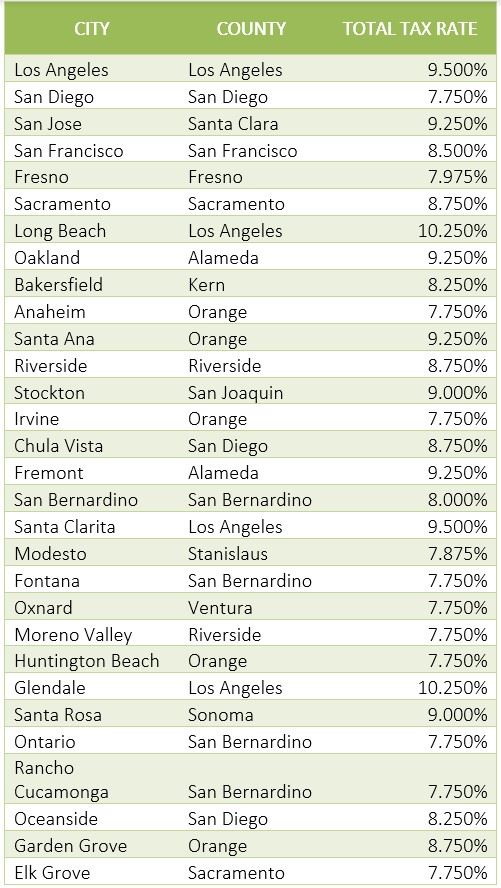
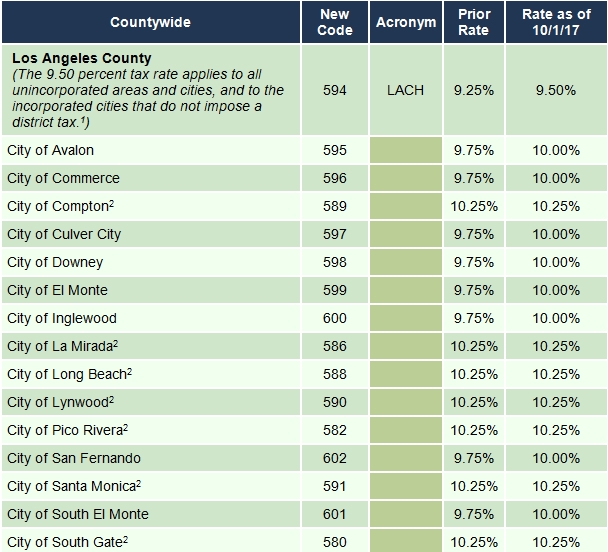
The combined effect of the statewide rate and these various district taxes means that the effective sales tax rate in most of [Los Angeles County](https://lifeoutofthebox.com/los angeles-county) is considerably higher than the 7.25% base rate. For instance, the general sales tax rate throughout most of Los Angeles County, including the City of Los Angeles, is typically 9.5%. This rate applies to the vast majority of purchases within the county.
However, it’s important to note that some cities within Los Angeles County have even higher local district taxes, pushing their combined sales tax rates higher. For example, cities such as Santa Monica, Culver City, and Pasadena may have combined sales tax rates that reach 10.25%. This variance underscores the importance of being aware of your specific location when making significant purchases. A souvenir purchased near the Santa Monica Pier might have a slightly different sales tax applied than an identical item bought near the Walt Disney Concert Hall in downtown Los Angeles. This localized fluctuation directly impacts the total cost of goods, making it a critical consideration for both budget-conscious travelers and those enjoying a luxury lifestyle.
How Sales Tax Impacts Your Los Angeles Experience
For any visitor to Los Angeles, understanding where and how sales tax applies can significantly influence your budgeting and overall spending habits. From the moment you land at Los Angeles International Airport (LAX) to your departure, sales tax will touch various aspects of your journey, whether you’re exploring world-famous landmarks or simply grabbing a meal.
Shopping and Souvenirs
One of the most immediate impacts of sales tax for tourists is on shopping. Whether you’re browsing the designer boutiques on Rodeo Drive in Beverly Hills, picking up quirky memorabilia at a gift shop near Universal Studios Hollywood, or purchasing tickets to attractions like Disneyland (if they are for tangible goods or merchandise), the sales tax rate will apply. This means that an item priced at $100 could cost you $109.50 or even $110.25 depending on your exact location.
Consider a shopping spree in the Fashion District downtown or at The Grove. Every clothing item, accessory, or piece of electronics you purchase will incur this additional charge. Similarly, if you visit the gift shop at the Getty Center or the Griffith Observatory for unique souvenirs, the tax will be added to your total. For travelers accustomed to inclusive pricing or lower sales tax rates, this can be an unexpected addition to their shopping budget. It’s especially relevant for those planning to make high-value purchases, where the tax can add a substantial amount to the final price. Planning for this extra percentage can help prevent unwelcome surprises and ensure you stay within your desired spending limits, whether you’re aiming for budget travel or indulging in a luxury travel experience.
Dining Out and Entertainment
Dining is an integral part of the Los Angeles experience, from casual street tacos to Michelin-starred restaurants. While food items purchased for home consumption (e.g., groceries at a supermarket) are generally exempt from sales tax, prepared foods and beverages consumed on-site or purchased for immediate consumption are subject to it. This includes meals at restaurants, cafes, food trucks, and even pre-made sandwiches or hot coffee from a convenience store. So, whether you’re enjoying a gourmet meal in Downtown LA, grabbing a quick bite in Hollywood, or savoring brunch in Silver Lake, expect the sales tax to be added to your bill before any gratuity.
Entertainment venues also fall under the sales tax umbrella for certain purchases. While entrance fees to many attractions (like museums or theme parks) may not always be subject to sales tax directly, any tangible goods purchased within these venues, such as food, drinks, or merchandise at Dodger Stadium or the Crypto.com Arena, will be taxed. This also extends to concessions at movie theaters in popular spots like The Americana at Brand.
Understanding this distinction is key for budgeting. If you plan to dine out frequently or enjoy snacks and drinks during your outings, factor in the 9.5% to 10.25% sales tax on top of menu prices. This is particularly important for those on a tight budget or families planning multiple meals out, as these small additions can quickly accumulate over the course of a trip. Integrating sales tax into your daily spend estimation ensures a more accurate financial plan for your Los Angeles culinary adventures.
Navigating Sales Tax as a Traveler
Traveling to a new city or country often comes with a learning curve, and understanding local taxation is a significant part of that. For visitors to Los Angeles, being informed about sales tax can help you manage your expenses better and avoid any financial surprises, contributing to a smoother and more enjoyable journey.
Budgeting Tips for Your Los Angeles Trip
Effective budgeting is crucial for any trip, but especially so in a destination like Los Angeles, where costs can add up quickly. Here are some tips to factor in sales tax:
- Estimate Total Costs: When looking at prices for items you intend to buy, whether it’s a new outfit, a gadget, or a set of souvenirs, mentally add 9.5% to 10.25% to the sticker price. This provides a more realistic understanding of the final cost.
- Dining Budget: Don’t just budget for the menu price of your meals. Remember to include sales tax and an appropriate tip (typically 15-20% in California) when calculating your dining expenses. This also applies to room service if you’re staying in a hotel like the Waldorf Astoria Beverly Hills or the Beverly Wilshire, A Four Seasons Hotel.
- Grocery Shopping: For longer stays or budget-conscious travelers, consider purchasing groceries from a supermarket for meals to be prepared in your accommodation (if equipped with a kitchen). Most staple food items are exempt from sales tax, offering significant savings compared to eating out for every meal.
- Track Your Spending: Utilize budgeting apps or a simple spreadsheet to track your expenditures. This helps you monitor how much you’re actually spending, including the added sales tax, and adjust your habits if needed.
- Research Specific Locations: If you plan on making a large purchase, briefly research the sales tax rate for that specific city within Los Angeles County to ensure you’re aware of the exact percentage that will apply.
By incorporating sales tax into your initial budget planning, you can gain a more accurate picture of your travel expenses, whether you’re embarking on a budget travel adventure or enjoying the heights of luxury travel.
Distinguishing Sales Tax from Other Fees
It’s important for travelers to differentiate sales tax from other common charges encountered in Los Angeles, particularly within the context of hotels and other services.
- Hotel Occupancy Tax (Transient Occupancy Tax – TOT): This is perhaps the most significant distinction. Sales tax does not apply to the room rate of your hotel stay. Instead, hotels charge a separate Transient Occupancy Tax (TOT), often referred to as a “bed tax.” In the City of Los Angeles, for example, the TOT is currently 14%. This tax funds local services related to tourism and accommodation infrastructure. So, when booking a stay at a suite in a luxury resort like The London West Hollywood or a boutique hotel like The Hoxton Downtown LA, expect this TOT, not sales tax, on your nightly rate.
- Service Charges and Resort Fees: Some hotels and resorts in Los Angeles may also impose additional “resort fees” or “service charges” for amenities like Wi-Fi, fitness center access, or pool use. These are separate from sales tax and TOT. Always check the fine print when booking your accommodation to understand all potential charges.
- Rental Car Taxes and Fees: Renting a car to explore California’s scenic drives often involves several taxes and fees, including a state rental car tax and local surcharges. These are distinct from the general sales tax on goods.
By understanding what each fee covers, you can better budget for your trip, differentiate between essential costs, and identify any potentially hidden charges, making your Los Angeles travel experience more transparent and financially manageable.
Beyond the Basics: Exemptions and Special Considerations
While sales tax is ubiquitous in Los Angeles County for tangible goods, there are specific exemptions and related concepts that travelers should be aware of. Knowing these can sometimes lead to savings or a better understanding of why certain items are taxed differently.
Groceries, Services, and Digital Goods
Not everything you purchase in Los Angeles County is subject to sales tax. Key exemptions include:
- Most Groceries: As mentioned, most unprepared food items sold in grocery stores for consumption at home are exempt from sales tax. This includes fresh produce, packaged foods, and beverages intended for home preparation. However, ready-to-eat meals, hot prepared foods, or items sold in restaurants are taxed.
- Services: Generally, pure services are not subject to California sales tax. This includes services like haircuts, massages, car repairs, legal advice, or medical treatments. If you book a guided tour of Hollywood or Beverly Hills, the fee for the tour itself is typically not taxed. However, if the service involves providing tangible personal property (e.g., a spa treatment includes a take-home product, or a car repair includes new parts), the tangible portion may be taxed.
- Prescription Medications: Prescription drugs are exempt from sales tax.
- Digital Goods: Digital goods like downloaded music, e-books, software, and streaming services are typically not subject to California sales tax because they are not considered “tangible personal property.”
These exemptions can offer ways for savvy travelers, particularly those on longer stays in apartments or villas with cooking facilities, to manage their budget more effectively. Opting for home-cooked meals using tax-exempt groceries can significantly reduce daily expenses compared to dining out for every meal.
Understanding Use Tax
While most travelers will primarily encounter sales tax, it’s worth briefly mentioning Use Tax. California imposes a use tax at the same rate as sales tax. This tax applies to purchases made outside of California (e.g., online or in another state) but then brought into and used, consumed, or stored in California. For the average tourist, this is unlikely to be a significant concern, as it’s primarily enforced on larger purchases or by businesses. However, if you were to buy a high-value item online from an out-of-state retailer that doesn’t collect California sales tax and then bring it into the state for permanent use, technically, you would owe California use tax. For most travel-related purchases, especially those made from within Los Angeles County establishments, the sales tax will be collected at the point of sale, making the use tax concept largely irrelevant for your immediate travel budget.

Maximizing Your California Dream
Navigating the sales tax landscape in Los Angeles County might seem like an added layer of complexity to your travel plans, but with a clear understanding, it becomes just another manageable aspect of your California dream trip. From the statewide base rate of 7.25% to the compounded district taxes that often push the total to 9.5% or even 10.25% in various Los Angeles cities, knowing these figures arms you with the knowledge to budget wisely. Whether you’re indulging in retail therapy on Melrose Avenue, enjoying gourmet meals near Grand Park, or simply picking up snacks for a day at Venice Beach, every purchase of tangible goods will have this tax added.
Remember to distinguish sales tax from other charges like the Transient Occupancy Tax on your hotel stays at places like the Omni Los Angeles Hotel at California Plaza, ensuring you’re prepared for all potential costs. By factoring in sales tax for your shopping, dining, and souvenir purchases, and by leveraging exemptions for groceries and services, you can maintain better control over your travel expenditures. This careful planning allows you to fully immerse yourself in the local culture, explore iconic landmarks, and enjoy the vibrant lifestyle of Los Angeles without unexpected financial hitches. Armed with this knowledge, your journey through Los Angeles County will not only be memorable but also financially smooth, letting you focus on creating unforgettable experiences and embracing everything this incredible destination has to offer. Enjoy your travels, and may your California adventure be everything you’ve dreamed of and more.
LifeOutOfTheBox is a participant in the Amazon Services LLC Associates Program, an affiliate advertising program designed to provide a means for sites to earn advertising fees by advertising and linking to Amazon.com. Amazon, the Amazon logo, AmazonSupply, and the AmazonSupply logo are trademarks of Amazon.com, Inc. or its affiliates. As an Amazon Associate we earn affiliate commissions from qualifying purchases.