
Venturing through the sun-drenched landscapes and vibrant cities of California is an experience unlike any other. From the glittering shores of Malibu to the majestic peaks of Yosemite National Park, the Golden State beckons millions of travelers each year, offering an unparalleled blend of natural beauty, cultural richness, and world-class entertainment. Whether you’re planning a luxurious escape to Beverly Hills, a family adventure to Disneyland Resort in Anaheim, or a culinary tour through Napa Valley, understanding the nuances of local economics, particularly sales tax, is a crucial part of smart travel planning.
While often overlooked in the excitement of itinerary building, sales tax can significantly impact your overall travel budget and spending habits. It’s not just a minor addition to your receipt; it’s a fundamental aspect of consumer spending that varies widely even within the state’s diverse regions. For tourists and residents alike, deciphering what is subject to sales tax, at what rate, and where, is key to navigating the state’s retail and hospitality landscape effectively. This comprehensive guide aims to demystify California’s sales tax, offering invaluable insights for anyone looking to explore, stay, or simply shop within its borders. We’ll delve into the specifics of the statewide rate, local district taxes, and how these figures coalesce to determine your final bill, especially when it comes to travel-related expenses like shopping, dining, and accommodation. By understanding these financial intricacies, you can enhance your California experience, ensuring a smoother journey and more informed expenditure decisions, whether you’re a budget-conscious backpacker or indulging in a lavish, five-star resort stay.
Understanding California’s Sales Tax System
California’s sales tax system is a multi-layered structure designed to fund various state and local services. It’s a consumption tax, meaning it’s applied to the purchase of certain goods and services, and ultimately paid by the end consumer. While the concept might seem straightforward, the actual implementation involves a base statewide rate complemented by numerous local additions, leading to a complex web of varying percentages across different cities and counties. Grasping this fundamental structure is the first step in understanding how your purchases, from a souvenir t-shirt in San Francisco to a new piece of hiking gear near Lake Tahoe, are taxed.
The Statewide Rate and Local District Taxes
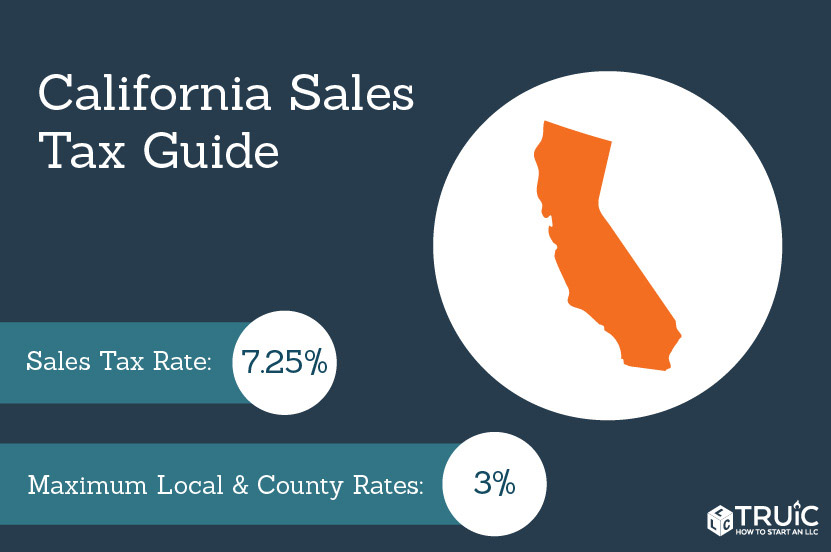
At the core of California’s sales tax lies the statewide rate. This is the foundational percentage that applies uniformly across all transactions subject to sales tax, regardless of where in the state the purchase is made. However, this statewide rate is rarely the final percentage you see on your receipt. This is because most cities and counties in California have implemented additional “district taxes.” These local taxes are voter-approved levies, often designated to fund specific local initiatives such as public transportation improvements, infrastructure projects, or enhanced public safety services.
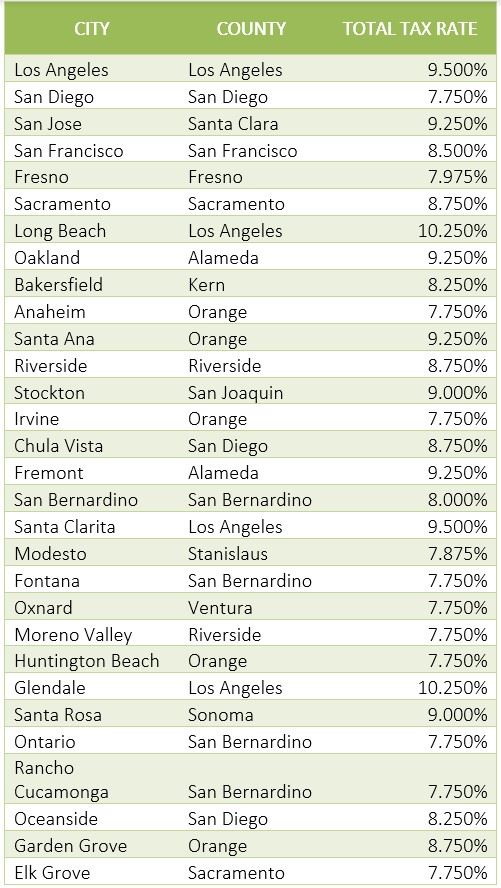
When you make a purchase, the final sales tax rate you pay is the sum of the statewide rate and any applicable local district taxes for that specific city and county. This combined rate is what determines the total cost of your taxable items. For example, while the statewide rate provides a baseline, a district in Los Angeles County might have several layers of additional taxes that differ from those in a district in Orange County or San Diego County. This localized variation means that two identical items purchased in different parts of the state could end up with different final prices due to disparate tax rates. Travelers planning extensive trips across California will find it beneficial to be aware of these regional discrepancies, especially if significant purchases are part of their itinerary.
What’s Taxable and What’s Not? Tangible Goods vs. Services
One of the most common misconceptions about sales tax, particularly for international visitors or those unfamiliar with California law, is what exactly falls under its purview. Generally, California sales tax applies to the retail sale of “tangible personal property.” This term refers to items that can be seen, weighed, measured, felt, or touched, or that are in any other manner perceptible to the senses.
Examples of Taxable Items:
- Retail Goods: Clothing, electronics, souvenirs, books, furniture, appliances, toys, and most other merchandise purchased from stores.
- Restaurant Meals: Food and beverages prepared and served by restaurants, cafes, and take-out establishments are generally subject to sales tax. This includes hot prepared food sold by grocery stores.
- Alcoholic Beverages: When purchased at a restaurant or bar, they are typically subject to sales tax. When purchased for off-premises consumption (e.g., from a liquor store), they are also taxed, sometimes with additional excise taxes.
- Soft Drinks and Candy: These items, even if purchased from a grocery store, are generally subject to sales tax.
- Rental of Tangible Personal Property: This can include car rentals, equipment rentals (like ski or surf gear), and video game rentals.
Examples of Non-Taxable Items or Services:
- Most Services: A key distinction in California is that pure services are generally not subject to sales tax. This includes professional services (e.g., legal, medical, accounting), personal services (e.g., haircuts, massages), and many entertainment services (e.g., tickets to a concert, museum admission, movie tickets). However, if a service involves the transfer of tangible personal property as part of the transaction, that tangible property component might be taxed. For instance, a spa treatment (service) is not taxed, but if you buy a lotion (tangible property) at the spa, that’s taxed.
- Most Food Groceries: A significant exemption is for “cold prepared food” or “staple food products” sold for home consumption at grocery stores and farmers’ markets. This means your basic fruits, vegetables, dairy, bread, and packaged meats purchased from a supermarket are generally sales tax-exempt. This is a crucial detail for budget travelers who opt to cook some of their meals.
- Prescription Medicines: Both prescription drugs and certain medical devices are exempt from sales tax.
- Digital Goods: Many digital products, such as downloaded software, e-books, and streaming services, are typically considered services or intangible property and are generally not subject to California sales tax, though this area can be complex and is subject to evolving interpretations.
Understanding this fundamental distinction between tangible goods and services is vital for travelers. It helps in predicting costs, especially when deciding between dining out versus cooking in, or purchasing souvenirs versus spending on experiences.
Sales Tax and the California Traveler: What to Expect
For visitors to the Golden State, sales tax isn’t just a regulatory detail; it’s a tangible factor that influences spending on everything from basic necessities to luxury indulgences. Understanding where and how sales tax applies to typical travel expenses can empower you to budget more effectively and make informed choices throughout your journey. California’s diverse offerings, from shopping meccas to world-renowned dining, mean that sales tax will touch many facets of your trip.
Shopping for Souvenirs, Apparel, and More
Shopping is an integral part of many travel experiences, and California offers an unparalleled retail therapy landscape. Whether you’re browsing high-fashion boutiques on Rodeo Drive in Beverly Hills, hunting for unique artisan crafts in San Diego’s Gaslamp Quarter, or picking up classic tourist memorabilia near the Golden Gate Bridge, nearly all your retail purchases will be subject to sales tax.
This includes:
- Souvenirs: T-shirts, keychains, postcards, magnets, local artwork, and other mementos of your trip.
- Apparel: Any clothing, shoes, accessories, or jewelry purchased.
- Electronics: If you decide to splurge on a new gadget or replace a lost item, expect sales tax to be added to the price.
- Books and Magazines: Whether from a bookstore in Berkeley or a newsstand at Los Angeles International Airport, these are taxed.
- Specialty Foods (Taxable): While most basic groceries are exempt, items like gourmet chocolates, packaged candies, or prepared foods from a deli that are intended for immediate consumption (even if taken out) will incur sales tax.
The combined sales tax rate will vary depending on the city and county where you make your purchase. For instance, shopping in downtown Los Angeles will carry a different sales tax rate than shopping in Palm Springs or a small coastal town along the Pacific Coast Highway. Savvy shoppers might consider this when planning where to make their larger purchases, especially if they are traveling across multiple districts. Understanding that the displayed price tag typically does not include sales tax is crucial; always factor in that additional percentage when budgeting for your shopping spree.
Dining Out and Grocery Shopping
Food is a cornerstone of the California travel experience, from Michelin-starred restaurants in San Francisco to casual taco stands in San Diego. The application of sales tax to food can be a point of confusion for many, but the general rule is quite clear:
- Dining Out (Taxable): When you eat at a restaurant, cafe, fast-food establishment, or purchase hot prepared food (even if for take-out) from a grocery store or deli, the entire bill (food, non-alcoholic beverages, and sometimes even a separate charge for alcoholic drinks) is subject to sales tax. This is because the restaurant provides a “prepared meal” which is considered a taxable item. Tips are generally not taxed as they are a service payment to staff, not a part of the sale of goods.
- Grocery Shopping (Mostly Exempt): If you purchase “staple food products” for consumption at home from a grocery store, supermarket, or farmers’ market, these items are generally exempt from sales tax. This includes fresh produce, raw meats, dairy products, bread, packaged snacks, and most bottled water. However, there are exceptions: carbonated beverages, candy, and hot prepared foods (like a rotisserie chicken from the deli counter) are taxable even in a grocery store. This distinction makes grocery shopping a significantly more budget-friendly option for meals, particularly for travelers staying in accommodations with kitchenettes, such as extended-stay hotels or vacation rentals in places like Santa Monica or Monterey.
Knowing these rules can help travelers make strategic decisions about their meal plans. Budget-conscious families staying near Universal Studios Hollywood might opt to buy groceries and prepare breakfast or pack lunches, saving significantly compared to dining out for every meal.
Accommodation, Car Rentals, and Experiences
Beyond shopping and dining, other common travel expenses also come with their own tax implications, though not always directly sales tax.
- Accommodation: When booking a hotel room, resort suite, apartment rental, or any other form of accommodation in California, you will primarily encounter the Transient Occupancy Tax (TOT), often referred to as a “hotel tax” or “bed tax.” This is not state sales tax. TOT is a local tax levied by cities and counties on the rental of lodging for periods typically less than 30 days. Rates vary significantly, ranging from around 6% to over 15% in popular tourist destinations like San Francisco or Anaheim. While not sales tax, it’s a significant cost component that travelers must factor into their budget, especially for longer stays or luxury accommodations such as a stay at the Waldorf Astoria Beverly Hills. Some incidental purchases made within a hotel, such as items from a gift shop or a meal at the hotel restaurant, would still be subject to sales tax.
- Car Rentals: Renting a vehicle to explore scenic routes like the Pacific Coast Highway is a common way to experience California. Car rentals are generally subject to sales tax on the rental charges. Additionally, you may encounter various other fees, such as vehicle license fees, concession recovery fees, and surcharges specific to airports or tourist areas, which are separate from sales tax but contribute to the overall cost.
- Experiences and Activities: Most admission tickets to attractions like museums (Getty Center in Los Angeles), theme parks (Six Flags Magic Mountain in Valencia), concerts, or sporting events are considered services or admissions, and thus are typically not subject to California sales tax. Similarly, guided tours (e.g., a wine tour in Sonoma Valley, a boat tour in San Diego Bay) are generally considered services and are not directly subject to sales tax. However, if these experiences involve the purchase of tangible goods (e.g., a souvenir photograph at a theme park, merchandise at a concert), those specific items will be taxed.
Understanding these distinctions allows for more precise budget allocation. While a multi-day pass to Disneyland Resort might be exempt from sales tax, the merchandise bought inside, and the food eaten at the park’s restaurants, will not be.
Navigating Regional Differences Across the Golden State
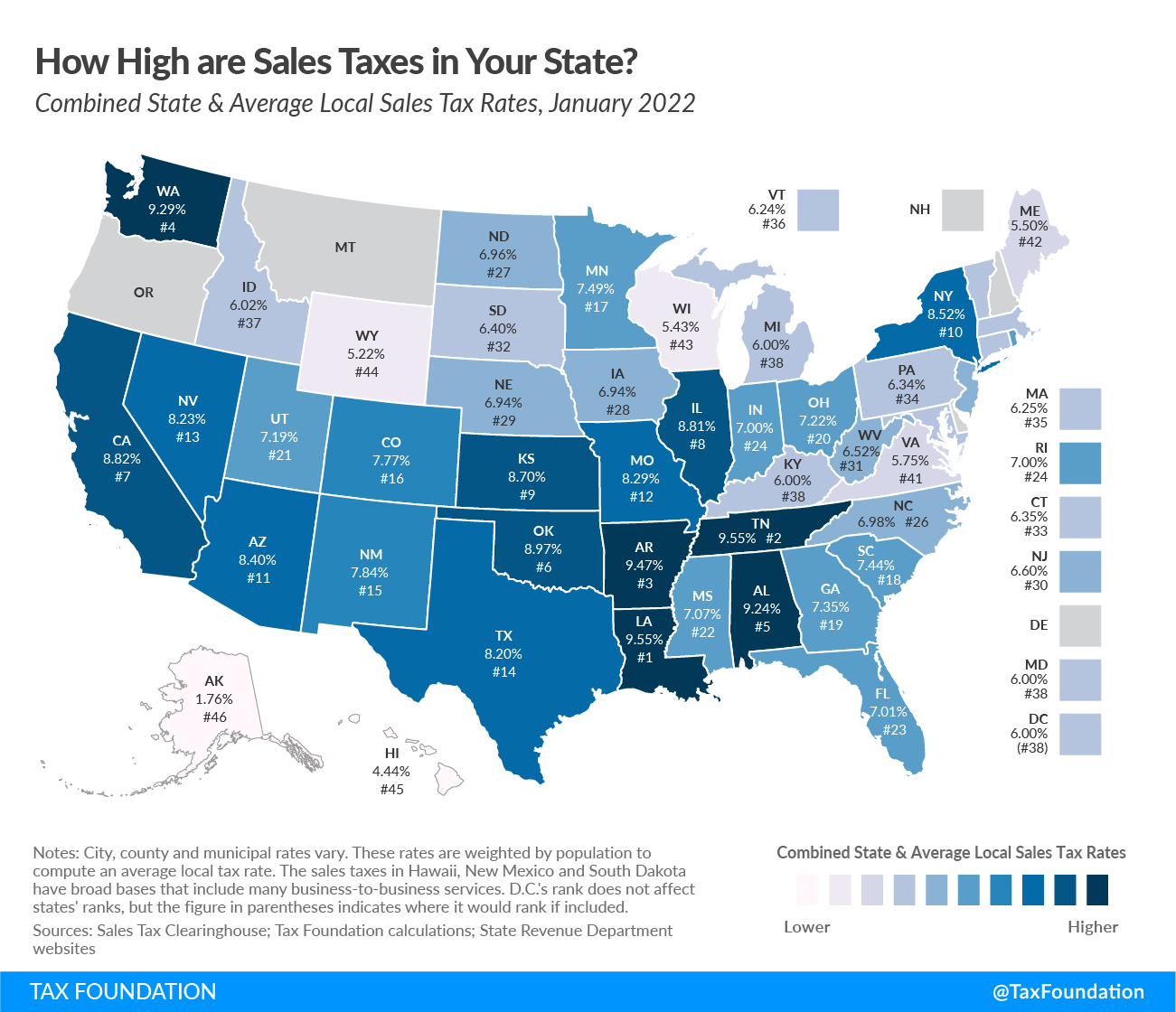
The vast and varied landscape of California is matched by its equally diverse sales tax rates. While the statewide rate provides a baseline, the numerous district taxes imposed by counties and cities mean that the combined sales tax rate can differ significantly from one region to another. For travelers exploring multiple destinations, these variations can impact their spending power and require careful consideration during budget planning.
Key Cities and Their Combined Rates
California’s most popular tourist destinations often have higher combined sales tax rates due to additional local levies. These rates are dynamic and subject to change based on voter initiatives, so it’s always wise to check the most current figures closer to your travel dates. However, generally speaking, here are some examples of what you might expect in major areas:
- Los Angeles County: Home to iconic landmarks like the Hollywood Walk of Fame, world-class museums, and sprawling beaches, Los Angeles County often sees some of the higher combined sales tax rates in the state. Cities within the county, including Los Angeles itself and nearby tourist hubs like Santa Monica, will apply these rates to most taxable purchases.
- San Francisco City and County: As a major global destination, San Francisco consistently ranks among the cities with higher sales tax rates. This impacts everything from purchases at Fisherman’s Wharf to high-end shopping downtown.
- San Diego County: Known for its beautiful coastline, Balboa Park, and vibrant culture, San Diego and its surrounding communities have their own combined rates, which are typically robust but might be slightly lower than those in the Bay Area or Los Angeles.
- Orange County: Home to Disneyland Resort and beautiful beaches, cities like Anaheim and Irvine will have specific combined rates.
- Sacramento County: The state capital region, while perhaps not as frequented by international tourists for retail as LA or SF, still has its own set of district taxes.
- Rural and Less Populous Areas: Generally, areas with fewer local initiatives funded by sales tax might have slightly lower combined rates, closer to the statewide base. However, this isn’t always the case, and even smaller towns can have district taxes for local projects.
For a precise rate, travelers can typically use online sales tax lookup tools provided by the California Department of Tax and Fee Administration (CDTFA) by entering a specific address or zip code. This precision is particularly useful if you’re planning a significant purchase.
Planning Your Budget for Diverse Destinations
The variability in sales tax rates across California’s diverse destinations underscores the importance of a flexible and informed travel budget. For instance, a luxury lifestyle traveler planning extensive shopping might find that purchasing certain high-value items in a city with a slightly lower combined rate could result in tangible savings. Similarly, a family on a budget trip, focusing on groceries for self-catering, will find their spending less impacted by sales tax compared to a family eating out for every meal.
Here are some tips for budgeting across diverse destinations:
- Research Ahead: Before you travel, do a quick check of the sales tax rates in your primary destinations. Websites like the CDTFA offer current rates by city and county.
- Factor in “Hidden” Costs: Remember that sales tax isn’t the only additional charge. Hotel occupancy taxes, resort fees, and rental car surcharges also contribute to the final bill, making a pre-trip financial overview essential.
- Prioritize Tax-Exempt Spending: Embrace activities and purchases that are typically sales tax-exempt. Spend more on museum admissions, live performances, or scenic drives along Big Sur, which offer rich experiences without adding sales tax.
- Strategic Shopping: If you plan to make a significant retail purchase, consider if it’s feasible to buy it in a location along your travel route that has a lower combined sales tax rate. This might not always be practical or worth the effort, but for very expensive items, it could yield savings.
- Account for Dining Choices: Balance restaurant dining with grocery store purchases, especially for breakfast and lunch. This strategy can significantly reduce your overall spending on food, as staple groceries are generally sales tax-exempt. For instance, stocking up on fresh produce and artisanal bread from a farmers’ market in Santa Barbara can be both a cultural experience and a cost-saving measure.
By integrating these considerations into your travel planning, you can navigate California’s varied tax landscape with confidence, ensuring your budget aligns with your desired travel lifestyle, whether it’s lavish or frugal.
Smart Tips for Managing Sales Tax on Your California Trip
Embarking on a journey through California is an exciting prospect, filled with opportunities for exploration, relaxation, and indulgence. While sales tax might seem like a minor detail, a thoughtful approach can lead to more efficient budgeting and a smoother overall experience. For both luxury travelers and those on a strict budget, understanding how to manage sales tax proactively can enhance your trip, allowing you to focus more on the stunning attractions and less on unexpected expenses.
Budgeting for the Unexpected
Even with careful planning, unexpected expenses can arise during any trip. Sales tax, while predictable in its application, can sometimes surprise travelers with its cumulative effect, especially in areas with higher combined rates.
Here are strategies to budget effectively:
- Allocate a “Tax Buffer”: When planning your daily or overall spending budget, don’t just calculate the price of items and services. Add an extra percentage (e.g., 10-15%) specifically for sales tax and other incidental taxes (like hotel TOT or rental car fees). This buffer ensures you’re not caught off guard by the final bill, particularly for larger purchases or extensive dining.
- Use Digital Tools: Many budgeting apps or travel expense trackers allow you to input tax rates for different locations. Utilize these to get a real-time understanding of your spending.
- Review Receipts Carefully: Make it a habit to quickly scan your receipts. This isn’t just to catch errors, but also to understand how much tax you’re paying on different categories of items. Over time, this helps you recognize spending patterns and identify where sales tax has the most impact on your budget.
- Consider Pre-Paid Options: For certain travel components like guided tours or attraction passes, buying them online in advance might sometimes consolidate costs or, at the very least, allow you to see the full, all-inclusive price upfront, making budgeting easier. While sales tax typically doesn’t apply to these services, knowing the exact final cost helps.
- Factor in Gratuities Separately: Remember that tips for service staff (e.g., at restaurants, hotels, tour guides) are generally not subject to sales tax. Budget for gratuities as a separate line item, usually 15-20% of the pre-tax bill, to avoid confusion and ensure you’re compensating excellent service appropriately.
By anticipating these additional costs, whether it’s the sales tax on that designer handbag from South Coast Plaza in Costa Mesa or on your morning coffee and pastry in Oakland, you can maintain better control over your finances and avoid any end-of-trip budget surprises.
Making Informed Purchase Decisions
Being aware of California’s sales tax rules empowers you to make smarter spending decisions throughout your trip. This isn’t about avoiding taxes altogether – they fund essential services – but rather about optimizing your expenditures within the existing framework.
- Grocery vs. Restaurant Meals: This is perhaps the most significant area where informed decisions can impact your budget. For travelers with access to a kitchen or even just a mini-fridge in their accommodation, buying staple groceries (fruits, bread, cheese, etc.) is almost always more cost-effective than dining out for every meal, as most basic groceries are sales tax-exempt. This strategy is particularly valuable for longer stays or family trips. For example, a stay at a Residence Inn or a similar extended-stay hotel with kitchen facilities in places like Pasadena allows for substantial savings on food costs.
- Strategic Souvenir Shopping: If you’re touring different cities, and plan to buy several items, be mindful of the sales tax rates in each location. While not always practical, if you know you want a specific high-value item, purchasing it in a city with a lower combined sales tax rate could save you a few dollars. Alternatively, consider experiences (like a visit to Hearst Castle or a gondola ride in Lake Tahoe) over purely tangible goods, as many services are tax-exempt.
- Understanding Accommodation Costs: Remember that the “hotel tax” (TOT) is separate from sales tax. While you can’t avoid it, understanding its percentage in different cities helps you compare accommodation prices more accurately. For instance, a resort in Palm Springs might have a different TOT than a boutique hotel in Santa Barbara, impacting the final price.
- Leveraging Tax-Free Opportunities (Limited): Unlike some countries, California does not offer a sales tax refund program for tourists on retail purchases. Therefore, the focus should be on minimizing taxable purchases where feasible and understanding what is exempt.
- Consider Local Markets and Artisans: While some items from farmers’ markets or craft fairs will be subject to sales tax, you might find unique, locally sourced items that offer better value or are sold by direct producers who might handle tax differently for certain goods (e.g., direct farm produce).
In conclusion, a clear understanding of California’s sales tax system is an invaluable tool for any traveler. It’s not about being stingy, but about being smart. By recognizing the statewide rate, local district variations, and the distinction between taxable goods and exempt services, you can navigate your California adventure with greater financial confidence and truly make the most of your travel experience, from the vibrant streets of San Jose to the serene redwood forests of Northern California.
LifeOutOfTheBox is a participant in the Amazon Services LLC Associates Program, an affiliate advertising program designed to provide a means for sites to earn advertising fees by advertising and linking to Amazon.com. Amazon, the Amazon logo, AmazonSupply, and the AmazonSupply logo are trademarks of Amazon.com, Inc. or its affiliates. As an Amazon Associate we earn affiliate commissions from qualifying purchases.