
The Golden Poppy: An Emblem of the Golden State
The official state flower of California is the California poppy, scientifically known as Eschscholzia californica. This vibrant wildflower is arguably one of the most recognizable natural symbols of the Golden State, an epithet it shares a deep connection with due to its signature golden-orange hue. Its captivating presence transforms hillsides and open fields across the state into breathtaking tapestries of color, particularly during the spring.
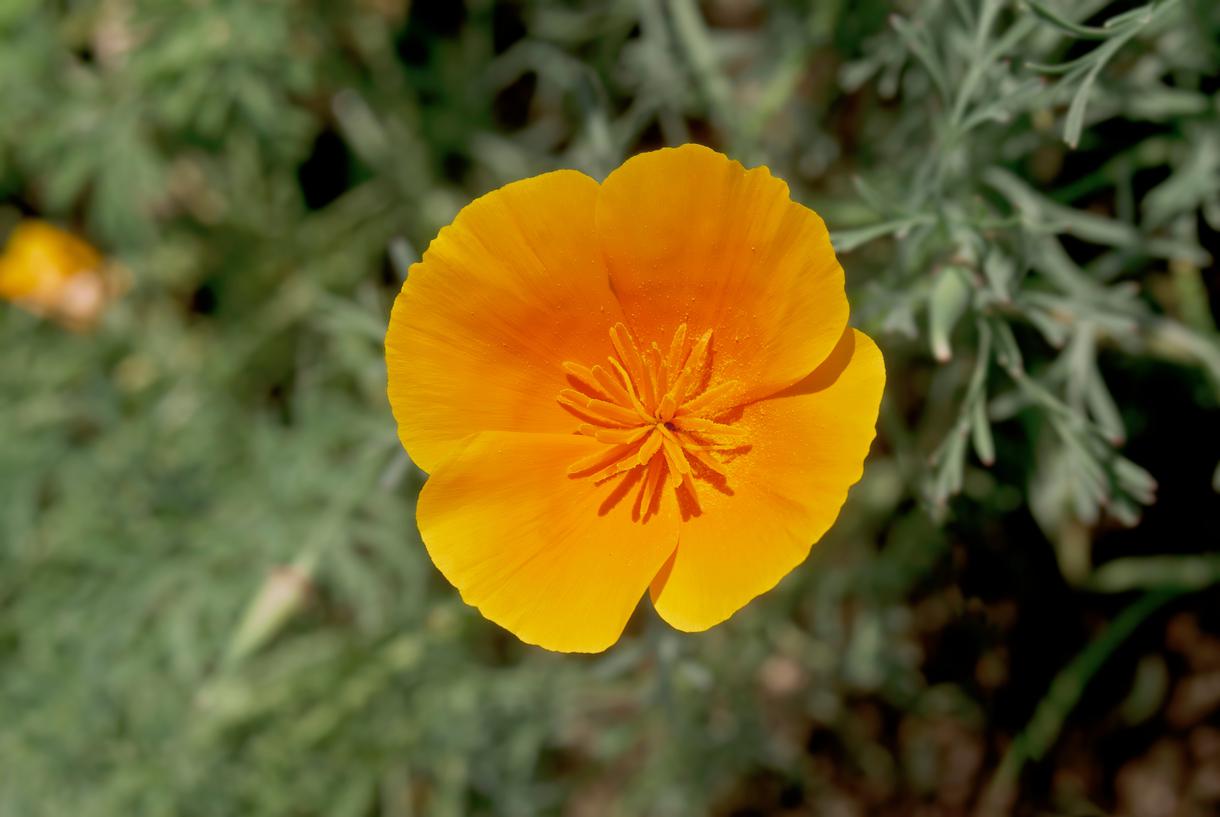
The California poppy is characterized by its brilliant, cup-shaped flowers, typically showcasing shades of bright orange, deep gold, or even creamy yellow. These delicate yet resilient petals unfurl with the morning sun, often closing up again in the evening or on cloudy days, a fascinating characteristic that adds to its charm. Its foliage is equally distinctive, featuring finely divided, bluish-green leaves that create a soft, feathery texture, providing an elegant backdrop to the vivid blooms.
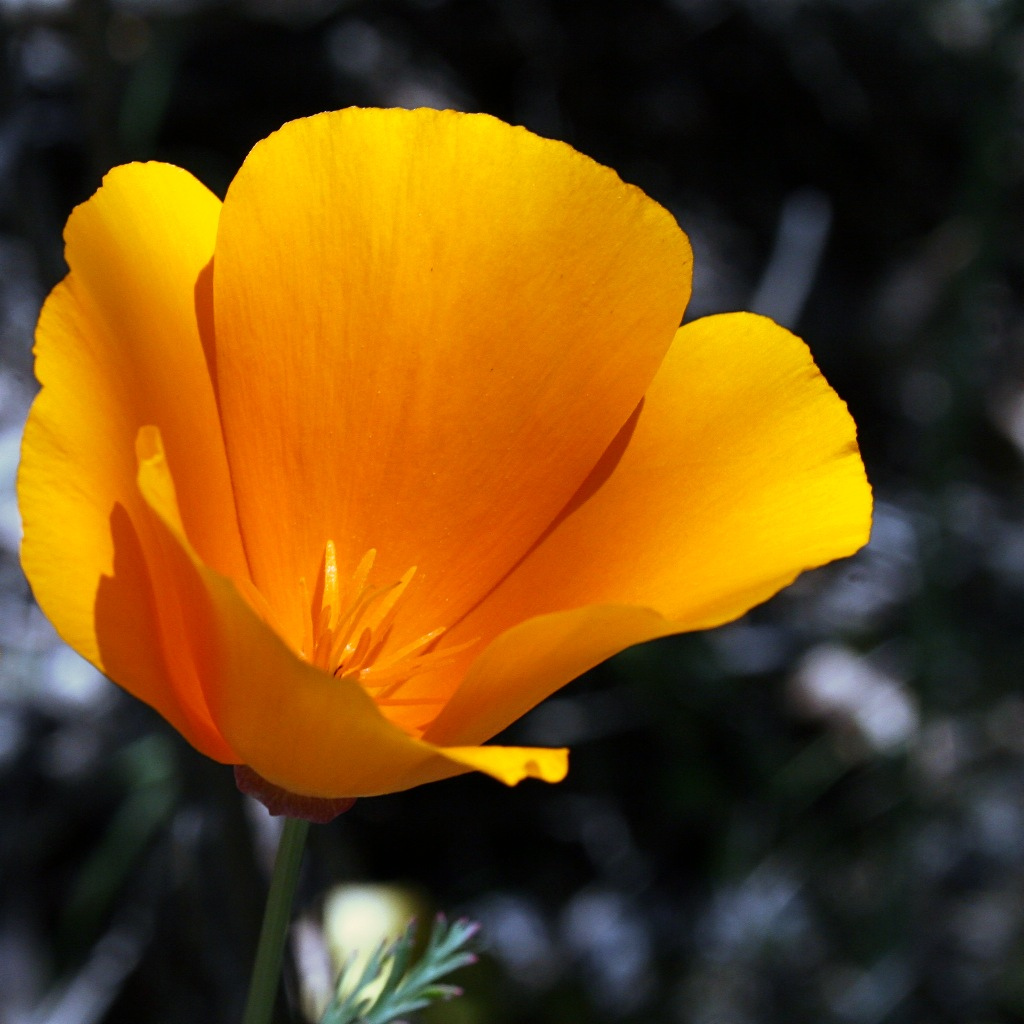
Native to the western United States and Mexico, the California poppy thrives in a variety of environments within California, from the coastal plains to the dry inland valleys and foothills of mountain ranges. Its adaptability and widespread distribution mean that whether one is traveling along the scenic coast or venturing into the state’s central landscapes, the sight of these dazzling flowers is a common and cherished experience. It stands as a natural landmark, a living embodiment of the state’s rich biodiversity and its enduring allure, embodying the very spirit of California’s golden promise.
A Journey Through Time: History and Adoption
The California poppy’s journey from a common wildflower to an esteemed state symbol is a testament to its intrinsic beauty and its deep roots within the region’s history. Its story is intertwined with the exploration and development of California, making it more than just a flower, but a living historical landmark.
Early Encounters and Scientific Discovery
Long before European settlers arrived, indigenous peoples across California revered the poppy, utilizing it for various purposes. Its seeds were sometimes incorporated into diets, and extracts from the plant were used in traditional medicine for their mild sedative and pain-relieving properties. This practical and cultural significance predates its scientific recognition, establishing its long-standing presence and importance in the region.
The first documented encounter by European naturalists occurred in the early 19th century. In 1816, the German naturalist Adelbert von Chamisso, who was part of a Russian exploratory expedition aboard the ship Rurik, collected specimens of the flower near what is now San Francisco. Chamisso subsequently named the genus Eschscholzia in honor of his fellow expedition scientist and friend, Johann Friedrich von Eschscholtz. This moment marked the formal introduction of the California poppy to the scientific world, solidifying its place in botanical records and initiating a broader appreciation for its unique characteristics.
From Local Favorite to State Symbol
The movement to designate the California poppy as the official state flower gained significant momentum in the late 19th and early 20th centuries. Its vivid color and prevalence across the state made it a natural choice, evoking the richness of California’s landscapes and its storied history, particularly the California Gold Rush. The golden hue of the poppy resonated deeply with the imagery of gold that had drawn countless individuals to the state, symbolizing opportunity, prosperity, and the abundant natural wealth of the land.
Advocacy for the poppy’s official recognition was championed by various organizations, notably the California Federation of Women’s Clubs. These groups recognized the flower’s emblematic qualities and worked diligently to promote its adoption. Their efforts culminated on March 2, 1903, when the California State Legislature officially designated Eschscholzia californica as the state flower. This act cemented the poppy’s status as a beloved symbol, representing California’s natural splendor, historical legacy, and its enduring connection to the promise of gold. The poppy became not just a botanical specimen, but a cultural landmark, a vibrant thread woven into the fabric of the state’s identity.
Ecological Significance and Natural Habitats
Beyond its aesthetic appeal and historical significance, the California poppy plays a vital ecological role within the diverse ecosystems of California. Its presence is a key indicator of healthy native habitats, and its resilience contributes significantly to the state’s natural heritage.
A Resilient Native Species

One of the most remarkable characteristics of the California poppy is its incredible adaptability. It thrives in a wide array of California’s varied climates and soil conditions, from the sandy soils of coastal bluffs to the rocky, arid terrains of the inland valleys and deserts. This resilience is particularly evident in its drought-tolerant nature. The poppy has evolved to withstand California’s long, dry summers, often germinating after seasonal rains and completing its life cycle before the onset of extreme heat. Its deep taproots allow it to access moisture far beneath the surface, enabling it to flourish where many other plants struggle.
Ecologically, the California poppy is a cornerstone species, particularly important for local pollinators. Its abundant nectar and pollen provide a crucial food source for a variety of native bees, butterflies, and other beneficial insects. These pollinators, in turn, are essential for the reproduction of countless other plant species, supporting the overall biodiversity and health of the ecosystem. The poppy’s ability to reseed prolifically also helps to stabilize soils, prevent erosion, and contribute to the natural regeneration of landscapes, especially in areas disturbed by fire or other natural events.
Best Places to Witness its Glory
For those eager to experience the breathtaking beauty of the California poppy in its natural splendor, certain natural landmarks and regions offer unparalleled viewing opportunities. The timing of the blooms is largely dependent on rainfall and temperature, but generally, late winter through early spring (typically February to May) is the prime viewing season.
One of the most famous and spectacular locations is the Antelope Valley California Poppy Reserve in Lancaster. This protected area in the western Mojave Desert is specifically dedicated to preserving the poppy fields, which, during peak bloom, transform into an undulating carpet of brilliant orange. Extensive trails allow visitors to immerse themselves in the vibrant display, making it a quintessential California experience.
Another incredible destination is the Carrizo Plain National Monument in San Luis Obispo County. Following a year of substantial rainfall, this vast, undeveloped plain can erupt in a superbloom, featuring not only poppies but also a dazzling array of other wildflowers, creating a truly unforgettable natural landmark. The rolling foothills of the Sierra Nevada mountains, particularly around Table Mountain in Butte County, also offer stunning poppy displays, often interspersed with vibrant lupines and goldfields. Coastal areas, such as sections of the Point Reyes National Seashore in Marin County, can also feature beautiful poppy patches, contrasting their brilliant orange with the deep blue of the Pacific Ocean. Visiting these sites provides a profound connection to California’s natural heritage, allowing one to appreciate the poppy as a living, breathing landmark of immense ecological value.
Cultural Impact and Preservation
The California poppy has transcended its biological identity to become a powerful cultural symbol and a landmark in the collective imagination of California and beyond. Its ubiquitous presence and vibrant appearance have ingrained it deeply into the state’s artistic, literary, and environmental consciousness.
Symbolism Beyond Beauty
The symbolism of the California poppy extends far beyond its visual appeal. Its golden hue is an undeniable echo of the California Gold Rush, symbolizing the immense wealth and opportunity that drew prospectors and pioneers to the state in the mid-19th century. It embodies the spirit of prosperity, optimism, and the promise of a new beginning, which has long been associated with California. This connection to gold also imbues the poppy with a sense of preciousness and value, reflecting the state’s natural bounty.
Furthermore, the poppy’s remarkable resilience and ability to flourish in challenging conditions make it a symbol of perseverance and strength. It represents the enduring spirit of California itself—a state that has weathered various challenges yet continually emerges vibrant and full of life. This symbolism resonates in local art, literature, and even tourism branding, where the poppy is often used to evoke the quintessential California experience—one of natural beauty, adventure, and boundless potential. Its iconic status makes it a visual shorthand for the state, instantly recognizable and deeply cherished.
Conservation Efforts and Responsible Enjoyment
As a cherished state landmark and an ecologically vital species, the preservation of the California poppy and its habitats is paramount. Conservation efforts are crucial to ensure that future generations can continue to witness the spectacular displays of these golden wildflowers.
A key aspect of conservation involves protecting the natural landscapes where poppies thrive. This includes supporting state parks, national monuments, and nature reserves like the Antelope Valley California Poppy Reserve, which are dedicated to the preservation of these unique ecosystems. These protected areas serve as vital refuges, safeguarding the poppies from urban development and habitat degradation.
For visitors eager to enjoy the poppy blooms, responsible tourism is essential. While the sight of a field brimming with poppies can be incredibly tempting, it is important to remember that picking the California poppy is illegal on all state lands, and highly discouraged everywhere else. Removing the flowers not only diminishes the beauty for others but also prevents the plants from going to seed, which is vital for the next generation of blooms. Education campaigns often emphasize “leave no trace” principles, encouraging visitors to stay on designated trails, avoid trampling plants, and simply observe and photograph the flowers without disturbing them.
By fostering an understanding of the poppy’s ecological significance and promoting respectful engagement with its natural habitats, conservationists and the public can work together to ensure that this iconic natural landmark continues to grace the California landscape for centuries to come. The California poppy remains a vibrant emblem, a testament to the state’s wild beauty and a constant reminder of the importance of protecting its natural heritage.
LifeOutOfTheBox is a participant in the Amazon Services LLC Associates Program, an affiliate advertising program designed to provide a means for sites to earn advertising fees by advertising and linking to Amazon.com. Amazon, the Amazon logo, AmazonSupply, and the AmazonSupply logo are trademarks of Amazon.com, Inc. or its affiliates. As an Amazon Associate we earn affiliate commissions from qualifying purchases.