
California, a state synonymous with innovation, diverse landscapes, and a vibrant lifestyle, attracts millions of visitors and residents each year. From the sun-kissed beaches of Southern California to the majestic forests of the north, and from the bustling urban centers like Los Angeles and San Francisco to the serene vineyards of Napa Valley, it offers an unparalleled array of experiences. However, understanding the financial landscape, particularly the state tax rate, is crucial whether you’re planning a luxurious getaway, considering a long-term stay, or even evaluating the cost of living. California’s tax structure is notably complex and often perceived as one of the higher tax environments in the United States. This comprehensive guide delves into the various components of California’s state tax rates, exploring how they impact travelers, residents, and businesses, and how they contribute to the state’s unique character and public services.
For tourists, the allure of California often overshadows the financial details, but understanding taxes can significantly influence a travel budget, affecting everything from hotel bookings to dining experiences. For those considering a move or an extended visit, grasping the nuances of income, sales, and property taxes becomes paramount in assessing the overall cost of a California lifestyle. Our focus here is to demystify these rates, providing clarity for anyone looking to experience the Golden State to its fullest, whether for travel, accommodation, or making a new home.
Understanding California’s Tax Landscape
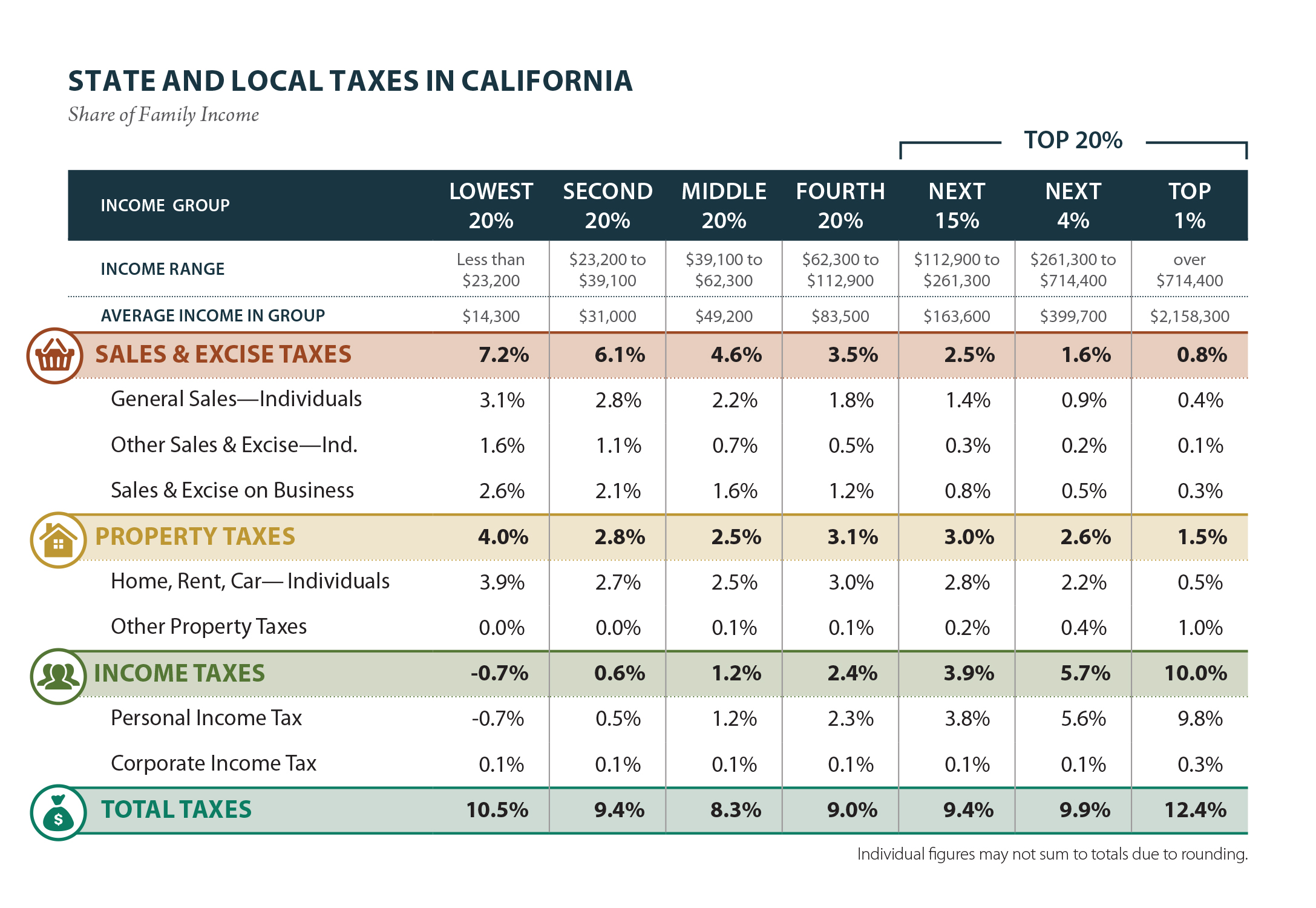
California’s tax system is designed to fund a vast array of public services, including education, infrastructure, healthcare, and environmental protection initiatives. It’s a multi-faceted system comprising personal income tax, sales and use tax, and property tax, among others. Each of these components plays a significant role in the state’s revenue generation and directly impacts the economic decisions of individuals and businesses.
Personal Income Tax: A Progressive Approach
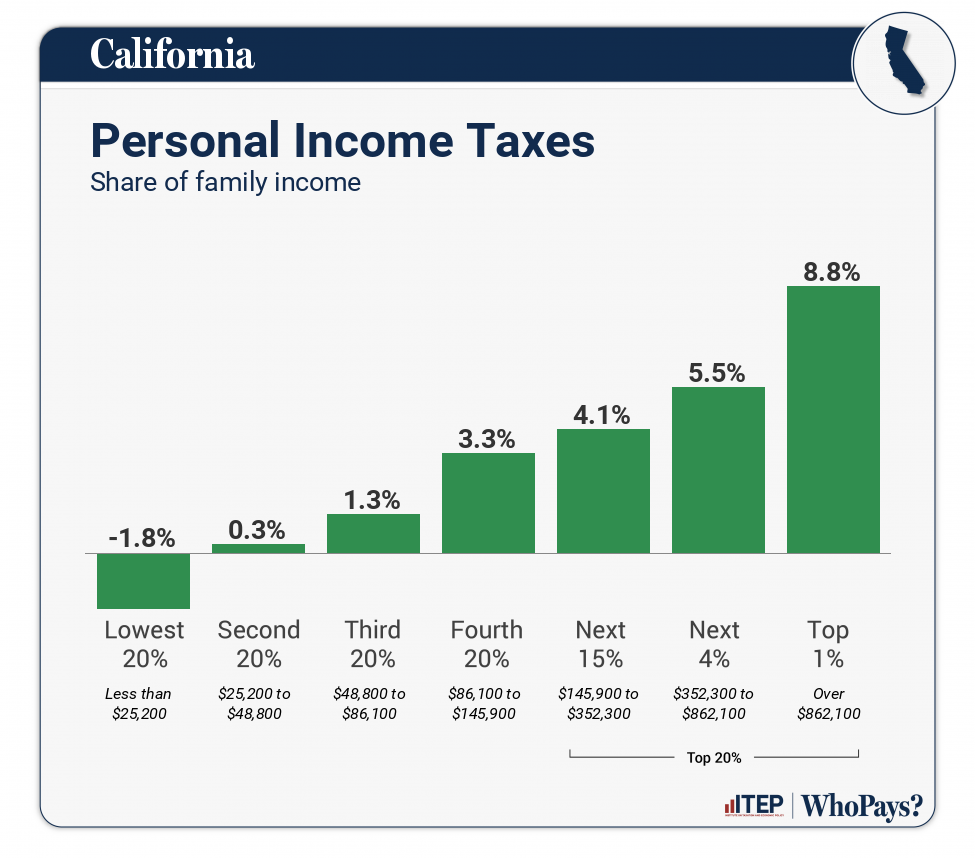
California operates on a progressive income tax system, meaning that higher earners pay a larger percentage of their income in taxes. This is one of the most prominent features of California’s tax structure and often the primary concern for residents and those considering employment in the state. The rates are structured into multiple brackets, increasing as taxable income rises. For individuals and couples, these rates can range from as low as 1% to as high as 13.3% for the wealthiest taxpayers.
This progressive system has significant implications for lifestyle choices. For instance, an individual pursuing a high-paying tech job in Silicon Valley or a career in the entertainment industry in Hollywood must factor in a substantial portion of their earnings going towards state income tax. This can influence decisions on where to live, how much to save, and the overall budget for luxury travel or premium accommodation options. Conversely, it also means that those with lower incomes contribute less, which can make certain areas more accessible for budget travelers or long-term stays. The income tax also helps fund many of the state’s attractions, from improved roads leading to Yosemite National Park to public education that benefits the workforce supporting the tourism industry.
Sales and Use Tax: What Visitors and Residents Pay
The sales and use tax is perhaps the most common tax encountered by everyone in California, whether they are residents or tourists. This tax is levied on the sale of most tangible goods, as well as some services. The statewide base sales tax rate is currently 7.25%. However, what makes California’s sales tax complex is that local jurisdictions – counties and cities – can impose additional district taxes. This means the actual sales tax rate can vary significantly depending on where you are within the state, often reaching upwards of 8%, 9%, or even 10% in some areas like Los Angeles County or San Francisco.
For travelers, this impacts everything from souvenirs purchased at Disneyland to meals at a restaurant in San Diego, or even new swimwear bought on Santa Monica Beach. Understanding that the advertised price on a menu or a retail item does not include this tax is crucial for accurate budget planning. For residents, this tax affects daily purchases, from groceries (though many staple food items are exempt) to furniture for a new home, influencing their overall lifestyle costs. The “use tax” component applies when you purchase taxable items outside of California but use them within the state, ensuring a level playing field for in-state and out-of-state purchases.
Property Taxes: A Local Foundation
Property taxes in California are primarily levied at the local level by counties and are a crucial source of funding for local public services such as schools, fire departments, and police services. While the infamous Proposition 13 limits the base property tax rate to 1% of a property’s assessed value, plus any voter-approved local bonds or parcel taxes, the assessed value can only increase by a maximum of 2% per year until the property is sold. Upon sale, the property is reassessed at its current market value.
This system creates significant disparities, where long-time homeowners often pay substantially less in property taxes than new buyers for comparable properties, especially in highly desirable areas like Beverly Hills or Palo Alto. For those looking at long-term accommodation options, such as purchasing a vacation home or relocating, understanding this structure is vital. Property taxes directly impact the cost of homeownership and, indirectly, rental prices, influencing the overall affordability of living in different parts of the state. This also affects the potential for investment in rental properties or short-term vacation rentals, which are popular accommodation choices in tourist hotspots.
The Impact of California Taxes on Travel and Tourism
California’s robust tourism industry is a cornerstone of its economy, attracting millions to its diverse attractions, from the Golden Gate Bridge to the vineyards of Sonoma County. Taxes play a significant, though often hidden, role in the overall cost of a California trip. Beyond the general sales tax, specific taxes are designed to target the hospitality and travel sectors, contributing to local infrastructure and services that enhance the visitor experience.
Hotel Occupancy Taxes: A Key Consideration for Accommodation
One of the most direct taxes affecting travelers is the Transient Occupancy Tax (TOT), often referred to as a hotel tax or lodging tax. This tax is imposed by cities and counties on guests staying in hotels, motels, bed and breakfasts, and other forms of short-term accommodation. The TOT rates vary widely across California, typically ranging from 8% to 15%, but can sometimes be even higher in popular tourist destinations. For example, a traveler booking a luxury suite in San Francisco or a resort in Lake Tahoe will see this tax added to their nightly room rate.
This tax is a critical revenue source for local governments, funding services and infrastructure that directly benefit tourists, such as parks, convention centers, and visitor bureaus. When budgeting for hotels, resorts, or apartment rentals for a family trip or a business stay, it’s essential to factor in this additional cost beyond the advertised room rate. A significant portion of your accommodation budget will go towards this tax, impacting whether you opt for a budget hotel or a more upscale option. Understanding these taxes can help travelers make informed decisions, perhaps choosing a slightly less expensive hotel outside a prime city center to reduce the overall tax burden, while still enjoying easy access to landmarks and attractions.
Rental Cars and Other Tourist Services
Beyond hotels, tourists also encounter taxes on other essential travel services. Rental cars, a popular choice for exploring California’s expansive landscapes, are subject to various fees and taxes. These can include the standard sales tax on the rental transaction, as well as specific surcharges like airport concession fees (if renting from an airport location), vehicle license recovery fees, and potentially other local taxes. These additional costs can add a significant percentage to the base rental price, making it crucial to review the total cost before booking a vehicle.
Furthermore, many guided tours, activity packages, and entrance fees to certain private attractions will also include sales tax. While major public landmarks like the California State Capitol in Sacramento might be free to visit, the souvenirs bought there or the meal enjoyed nearby will invariably have sales tax applied. Even experiences such as wine tasting tours in Temecula Valley or surfing lessons in Huntington Beach will have tax components baked into their pricing, or added at checkout.
Planning Your California Budget: Beyond the Base Rate
For anyone planning a trip to California, a realistic budget must account for these various taxes. The initial excitement of finding an affordable flight or a great deal on accommodation can quickly diminish if the impact of sales tax, hotel occupancy tax, and other local fees is overlooked. Whether you’re planning a budget travel adventure exploring hostels and street food, or a luxury travel experience with five-star resorts and fine dining, taxes are an unavoidable part of the equation.
Savvy travelers often research local tax rates for their specific destinations within California. For instance, a trip to Palm Springs might involve a different set of local taxes than a visit to Eureka. Considering the all-in cost for accommodations, transportation, dining, and activities will prevent unwelcome surprises and allow for a more enjoyable and stress-free experience. Travel guides and online resources frequently provide estimates or details on these additional costs, empowering tourists to make informed decisions about their spending.
California Taxes and Your Lifestyle Choices
The tax structure in California extends beyond transient visitors, deeply influencing the lifestyle choices and financial planning of its residents. The combination of high income tax, varying sales tax, and property tax shapes the economic landscape, impacting everything from daily expenses to major investments and career decisions.
The Cost of Living: Residential Implications
California is widely known for its high cost of living, and its tax rates are a significant contributor to this perception. For residents, the progressive income tax means that a substantial portion of earnings from their jobs in tech, healthcare, or entertainment goes to the state. When combined with the high housing costs in major metropolitan areas like San Jose or Santa Barbara, and the property taxes associated with homeownership, the financial burden can be substantial.
This impacts residential choices dramatically. Families may choose to live in more affordable inland communities and commute to coastal job centers, impacting daily travel and leisure time. Young professionals might opt for apartment living over homeownership, seeking to minimize property tax exposure and maintenance costs. Even everyday purchases are affected by sales tax, making budget planning for household expenses a constant consideration. Understanding these implications is crucial for anyone contemplating a move to California or for long-term residents managing their finances.
Business and Investment Considerations
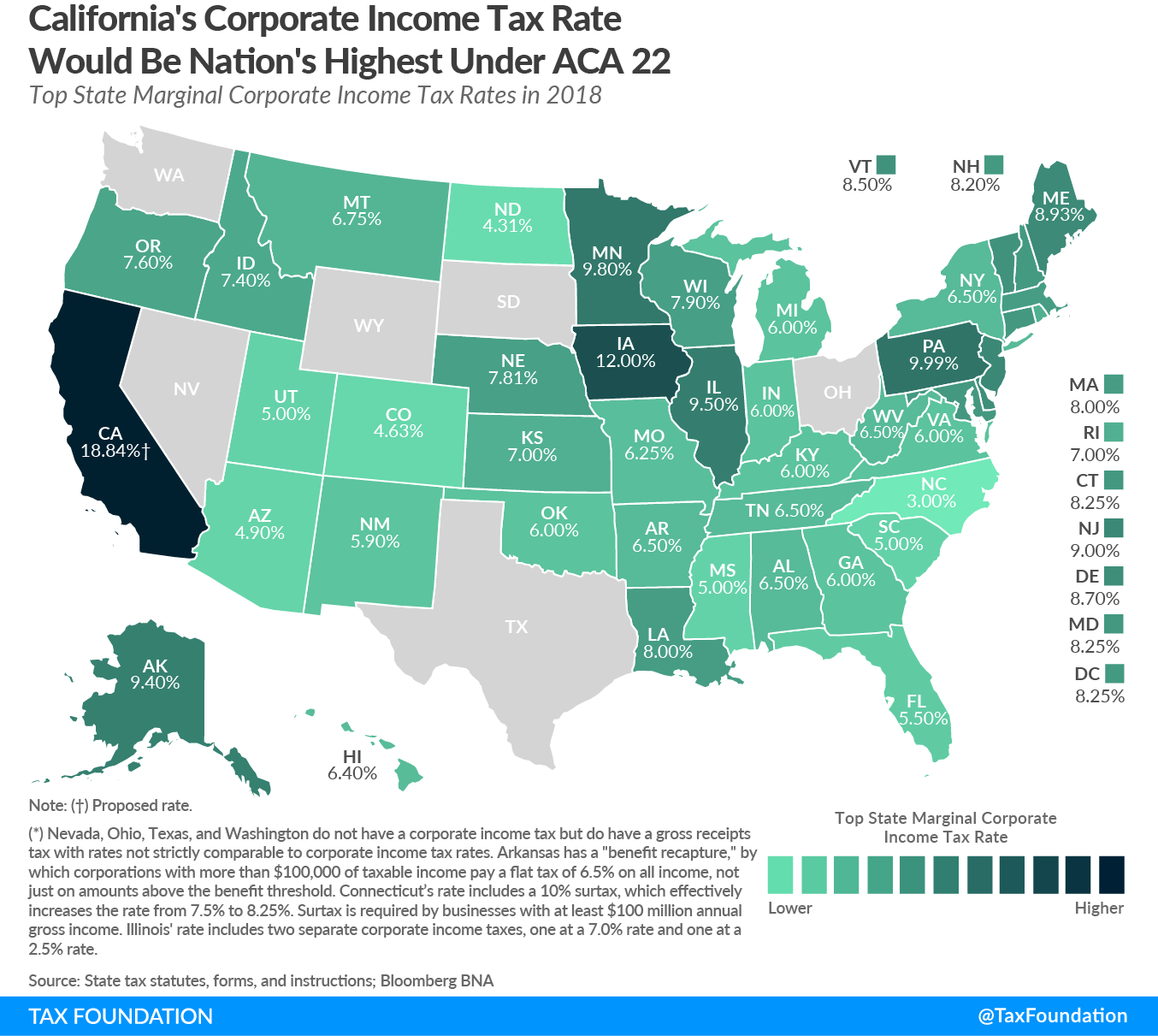
For businesses, California’s corporate income tax rate, currently at 8.84%, is also a factor. Combined with other taxes and regulations, this can influence where companies choose to establish operations, expand, or invest. However, the state’s massive consumer market, skilled workforce, and innovative ecosystem often outweigh these tax considerations for many industries, particularly in technology, entertainment, and specialized agriculture.
Investors considering real estate in California must also carefully evaluate property taxes, capital gains taxes on sales (which align with personal income tax rates), and potential rental income taxes. While the state offers lucrative opportunities, a thorough understanding of the tax environment is essential for maximizing returns and complying with regulations. This complex interplay of taxes affects not just large corporations but also small businesses, entrepreneurs, and those involved in the gig economy, shaping the economic vibrancy and diversity that California is famous for.
Funding Public Services and Infrastructure
While California’s tax rates may seem high, it’s important to recognize that these revenues fund the very public services and infrastructure that underpin the state’s appeal. Income tax revenue supports public education, healthcare, and social safety nets. Sales tax contributes to local government services and municipal projects. Property taxes directly fund local schools, parks, and emergency services in communities across the state, from Fresno to Long Beach.
These investments are visible in the state’s well-maintained highway system, beautiful state parks, public transit networks in major cities, and the overall quality of life. For travelers, this means better roads to reach attractions, safer communities, and improved public facilities. For residents, it translates into accessible education for their children, robust public safety, and a variety of community services that enrich their daily lives. The tax rates are not just numbers on a ledger; they are a vital mechanism for sustaining the vibrant, dynamic, and often luxurious lifestyle that California offers.
Navigating California’s Tax System: Tips for Visitors and Residents
Understanding California’s tax rates doesn’t have to be daunting. With a bit of foresight and awareness, both visitors and residents can navigate the system effectively and optimize their financial planning.
Key Takeaways for Travelers
- Budget for More Than the Base Price: Always assume that the listed price for hotels, rental cars, and most retail items will have additional taxes. Factor in the Transient Occupancy Tax (TOT) for accommodation, which can add 8-15% or more to your nightly rate.
- Local Sales Tax Varies: Be aware that sales tax rates differ by city and county. A purchase in Oakland might have a different sales tax rate than the same purchase in San Jose.
- Consider “All-Inclusive” Packages Carefully: Some travel packages might claim to be all-inclusive, but always double-check if local taxes and fees are indeed part of the upfront price to avoid surprises.
- Travel Guides and Apps Help: Utilize up-to-date travel guides and budgeting apps that can help estimate total costs, including taxes, for various destinations and activities within California.
Resources for Residents and Businesses
- Consult the Franchise Tax Board (FTB): For personal and corporate income tax information, the California Franchise Tax Board (FTB) website is the official source for rates, forms, and guidance.
- Check the California Department of Tax and Fee Administration (CDTFA): This agency provides comprehensive information on sales and use taxes, as well as various special taxes and fees.
- Local County Assessor’s Office: For property tax details, residents and property owners should consult their specific county’s assessor’s office.
- Seek Professional Advice: Given the complexity, individuals with significant income, complex financial situations, or businesses operating in California should consider consulting a qualified tax professional or financial advisor to ensure compliance and optimize their tax strategy.
- Stay Informed on Legislation: Tax laws can change, so staying informed about new legislation through official state government websites or reputable financial news sources is important.
In conclusion, while California’s state tax rates are indeed a notable aspect of its financial landscape, they are also integral to maintaining the quality of life, vibrant tourism industry, and innovative environment that makes the state so unique and desirable. Whether you’re planning a memorable vacation to its famous landmarks, seeking comfortable accommodation for a business trip, or envisioning a long-term lifestyle in the Golden State, understanding these taxes is key to a seamless and enjoyable experience.
LifeOutOfTheBox is a participant in the Amazon Services LLC Associates Program, an affiliate advertising program designed to provide a means for sites to earn advertising fees by advertising and linking to Amazon.com. Amazon, the Amazon logo, AmazonSupply, and the AmazonSupply logo are trademarks of Amazon.com, Inc. or its affiliates. As an Amazon Associate we earn affiliate commissions from qualifying purchases.