
Embarking on a journey to the Golden State, whether for its sun-drenched beaches, vibrant cities, or awe-inspiring national parks, requires more than just packing your bags. A fundamental aspect of planning, particularly for those arriving from different parts of the world, is understanding California‘s time zone. This seemingly small detail plays a significant role in everything from catching your flight and making hotel reservations to enjoying local attractions and coordinating business meetings. From the bustling streets of Los Angeles to the historic charm of San Francisco and the serene beauty of Yosemite National Park, the entire state operates under a single timekeeping system, simplifying internal travel but necessitating careful attention for external connections.
This guide will delve into the intricacies of California’s time zone, explaining its components, how it impacts your travel plans, and offering invaluable tips for a smooth and enjoyable visit. Whether you’re a luxury traveler seeking an exclusive resort experience, a family on a budget trip to Disneyland, or a business professional attending a conference in Silicon Valley, mastering the time difference is your first step towards a truly memorable California adventure.
Unpacking the California Time Zone: PST vs. PDT
Understanding California’s time zone isn’t just about knowing it’s “three hours behind New York“; it involves grasping the distinction between its two primary designations: Pacific Standard Time (PST) and Pacific Daylight Time (PDT). This annual shift is crucial for anyone planning to visit or conduct business with the state.
The Basics: Pacific Standard Time (PST)
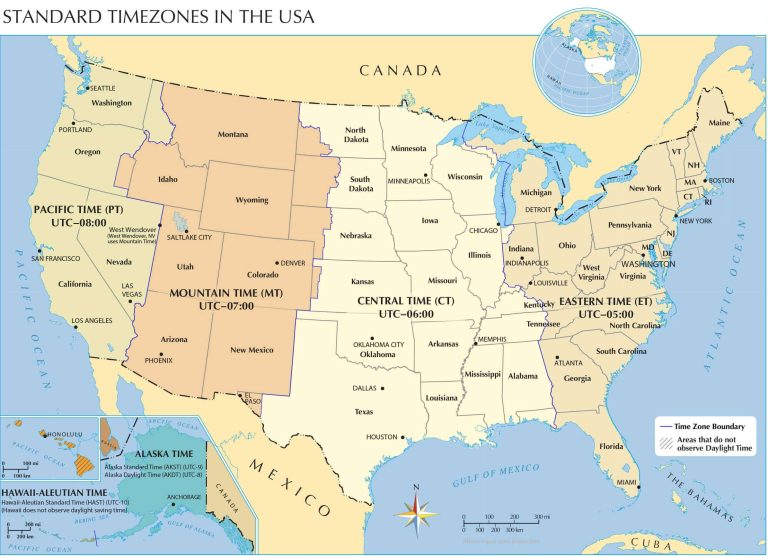
Pacific Standard Time (PST) is the standard time observed in California during the fall and winter months. It is defined as UTC-8, meaning it is eight hours behind Coordinated Universal Time. During this period, the sun rises and sets earlier, making for shorter daylight hours. This is the time when the state embraces its quieter, often cooler, seasons, from late autumn through early spring. Many might find the cozy ambiance of a Napa Valley vineyard or the crisp air on a Lake Tahoe ski trip particularly appealing during PST. For international travelers, adjusting to an eight-hour difference can require a day or two of careful scheduling and self-care.
Embracing Daylight Saving Time: Pacific Daylight Time (PDT)
When spring arrives, California, along with much of the United States, shifts to Pacific Daylight Time (PDT). This change typically occurs on the second Sunday in March, when clocks “spring forward” one hour. PDT is UTC-7, placing it seven hours behind Coordinated Universal Time. The purpose of this adjustment is to make better use of daylight, pushing sunsets later into the evening, which is perfect for extended outdoor activities and enjoying the vibrant summer lifestyle California is famous for. This period, from March to early November, covers the peak tourist season, offering ample daylight for exploring attractions like the Golden Gate Bridge, hiking in Joshua Tree National Park, or surfing along the Pacific Coast. The clocks “fall back” to PST on the first Sunday in November, marking the end of Daylight Saving Time.
Why California Sticks to One Zone
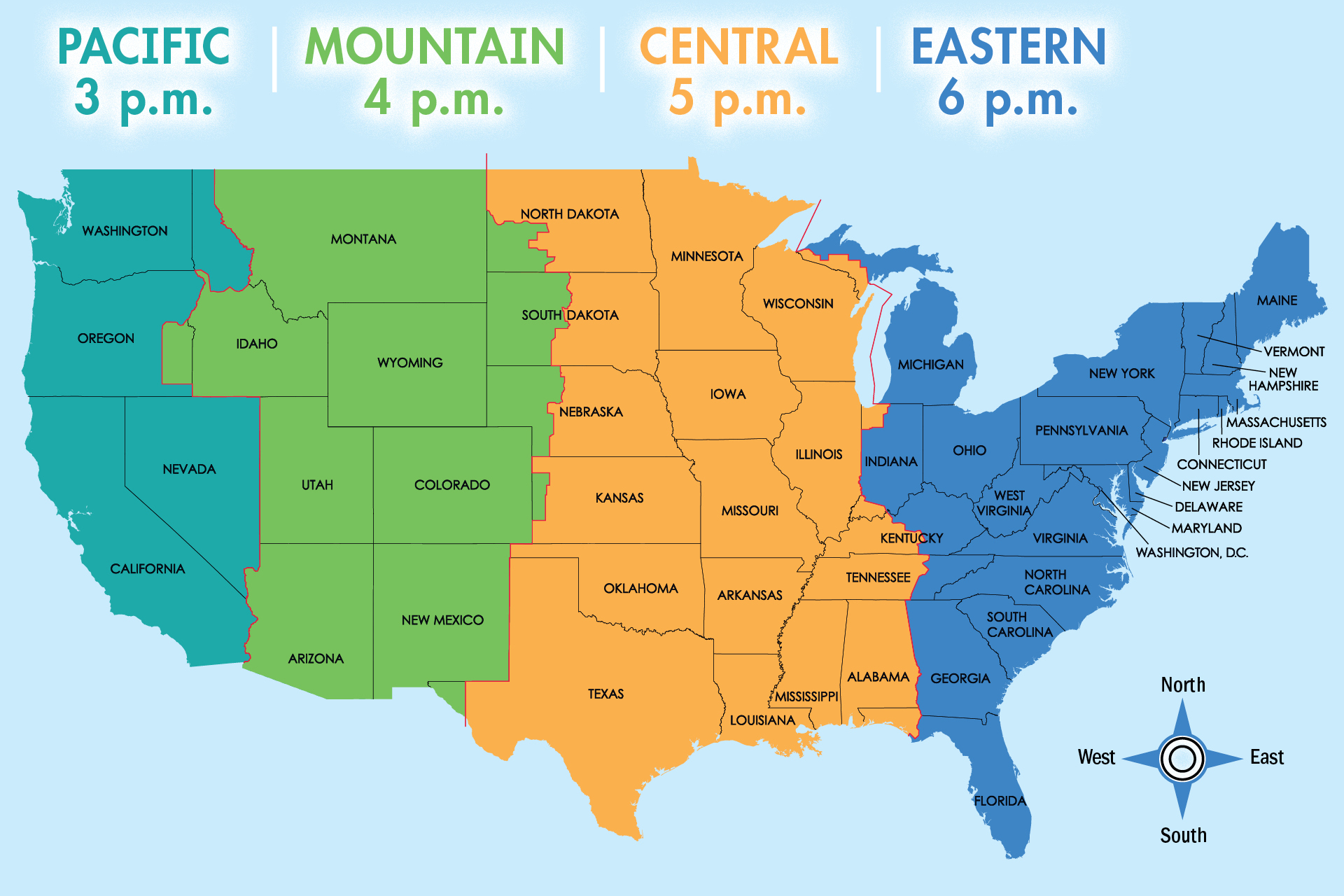
Despite its expansive geographical length, stretching approximately 800 miles from north to south, California remarkably maintains a single time zone throughout the entire state. This uniformity simplifies logistics for both residents and visitors, as there’s no need to adjust clocks when traveling between cities like San Diego, Los Angeles, San Francisco, and Sacramento. Neighboring states like Oregon, Nevada, and parts of Idaho and Washington also observe PST/PDT, forming the broader Pacific Time Zone in the United States and Canada, and extending south to parts of Mexico. This consistency significantly aids in planning multi-state road trips or cross-border business ventures within the region.
Time Zone Impacts on Travel and Tourism in the Golden State
The time zone difference is far more than an abstract concept; it has tangible implications for every aspect of travel and tourism in California. From the moment you begin planning your trip to the final farewell, being mindful of the local time can make all the difference in ensuring a smooth, stress-free experience.
Seamless Planning: Booking and Itinerary Management
One of the first and most critical areas where time zones come into play is during the booking and itinerary management phase. When reserving flights, ensure you understand departure and arrival times in their respective local time zones. A flight listed as departing at 9:00 AM from New York City (which is in the Eastern Time Zone, UTC-5/UTC-4) and arriving at 12:00 PM in Los Angeles (which is in the Pacific Time Zone, UTC-8/UTC-7) actually means a 6-hour flight duration, not 3 hours.
Similarly, hotel check-in and check-out times are strictly adhered to local PST/PDT. Arriving too early could mean an extra wait, while checking out late might incur additional fees. Always confirm these times with your chosen accommodation, whether it’s a luxurious suite, a family-friendly resort, a charming apartment, or an upscale villa. Reputable booking platforms typically display times in local zones, but a double-check can prevent unwelcome surprises. For long-term stays or apartment rentals, especially, coordinating arrival and key handovers precisely is vital.
Maximizing Your California Experience: Attractions and Activities
California’s array of attractions, from the thrilling rides of Universal Studios Hollywood to the historic tours of Alcatraz Island, all operate on local time. Missing a scheduled tour, show, or dining reservation due to a time zone miscalculation can be disappointing. Popular landmarks often have peak visiting hours, and arriving early by accident (thinking it’s later in the day) can mean you’re waiting around when you could be exploring.
Conversely, arriving late for a pre-booked slot could lead to missing it entirely. Dining reservations, particularly in popular culinary hubs like San Francisco or Napa Valley, are often time-sensitive. Always convert your home time to California time when making plans. For outdoor enthusiasts, activities like sunrise hikes or sunset cruises are naturally dictated by the sun’s position, making accurate time awareness even more important for these unique experiences. Local culture thrives on its own rhythm, and understanding the local clock is key to immersing yourself fully, from attending a morning farmers market to an evening concert.
Conquering Jet Lag: Tips for a Smooth Adjustment
Jet lag is the physiological cost of rapid travel across multiple time zones, and it can significantly impact your enjoyment of California. Traveling east to west (e.g., from Europe or the East Coast to California) is generally easier than west to east, as it essentially extends your day. However, a significant time difference, such as the eight or nine hours from Europe, still warrants preparation.
To minimize jet lag, consider adjusting your sleep schedule a few days before departure. Hydration is key; drink plenty of water before, during, and after your flight, and limit caffeine and alcohol. Upon arrival, expose yourself to natural sunlight as much as possible, especially in the morning, to help reset your internal clock. Try to eat meals at local times and resist the urge to nap for too long during the day. Many hotels and resorts offer amenities that can aid in recovery, such as refreshing pools, calming spas, or comfortable, black-out equipped suites designed for optimal rest. Opting for a hotel with excellent reviews and amenities tailored to traveler well-being can be a smart move.

Lifestyle and Business in California: Bridging the Time Gap
California’s time zone influences not only visitors but also the lifestyle of its residents and the operations of its businesses, particularly in an increasingly interconnected world. For those considering long-term stays, remote work, or business ventures, understanding this temporal bridge is paramount.
The Remote Work Revolution and Time Zone Challenges
With the rise of remote work, California has become a hub for digital nomads and professionals seeking a desirable lifestyle. However, the time difference presents unique challenges for those collaborating with teams on the East Coast of the United States (a 3-hour difference), Europe (a 9-hour difference), or Asia (often a 15+ hour difference). A 9:00 AM meeting in Los Angeles means 12:00 PM in New York, 6:00 PM in London, and 1:00 AM the next day in Beijing.
Successful remote work from California often involves strategic scheduling, leveraging early mornings or late evenings to overlap with colleagues in other zones. Communication tools that facilitate asynchronous work become essential. For business stays, selecting hotels with robust Wi-Fi, dedicated co-working spaces, and 24-hour business centers can be a crucial consideration. The appeal of California’s lifestyle, from its vibrant tech culture to its natural beauty, often outweighs these coordination hurdles for many professionals.
Beyond Business: Family, Friends, and Communication
Maintaining personal connections across time zones requires similar foresight. Calling family and friends on the East Coast or in Europe means being mindful of their local time to avoid inconvenient calls. Planning virtual calls or video chats becomes a delicate dance of finding a mutually agreeable window. This also extends to live events; watching a live stream from a different region means calculating the PST/PDT equivalent. While seemingly minor, consistent attention to these details strengthens personal relationships and prevents communication gaps. For those on family trips, teaching children about time zones can be a fun educational experience, helping them understand why their relatives might be eating dinner when they are just starting their day.
California’s Unique Rhythm: Enjoying the Local Pace
California has a distinctive rhythm, influenced by its diverse geography, industries, and cultural scenes. From the early morning surf sessions along the coast to the late-night dining scene in San Francisco or Los Angeles, understanding the local pace is part of embracing the California lifestyle. The concept of ” California time” sometimes refers to a more relaxed approach, but when it comes to official bookings, business meetings, or attraction operating hours, punctuality is still key. Whether you’re indulging in luxury travel experiences or exploring on a budget, respecting and adapting to the local time allows for a more authentic and enjoyable interaction with the state and its vibrant culture.
Essential Tips for Time Zone Management While Traveling to California
Navigating time zones doesn’t have to be daunting. With a few proactive steps and smart strategies, you can ensure your California trip is as smooth and enjoyable as possible, free from chronological mishaps.
Before You Go: Preparation is Key
- Synchronize Your Devices: Before you even leave, ensure your smartphone, tablet, and laptop are set to automatically update their time zone. This simple step eliminates a common source of confusion upon arrival. A traditional travel alarm clock, if you use one, should also be manually adjusted.
- Inform Your Contacts: Let family, friends, and business associates know you’ll be in a different time zone. This manages expectations for communication and prevents accidental late-night or early-morning calls.
- Double-Check All Bookings: Review every single reservation – flights, hotels, car rentals, tour departures, dining reservations – and confirm they are listed in the local time of the activity’s location. Pay extra attention to the AM/PM designation. For hotel bookings, note the check-in and check-out times relative to your travel schedule.
- Consider Early Arrival: If possible, especially for longer trips or those involving significant time differences, arrive a day early. This buffer allows you to acclimatize to the new time zone before your main activities begin, reducing the impact of jet lag. Many resorts and hotels offer flexible arrival options, sometimes even early check-in for a fee.
During Your Stay: Maximizing Your Experience
- Use a World Clock App: Keep a world clock application handy on your phone. This allows for quick conversion between your home time and California time, as well as any other relevant time zones for your international contacts.
- Stay Flexible: While planning is crucial, maintain a degree of flexibility. If you find yourself unusually tired or refreshed at certain times, adjust your itinerary slightly to listen to your body. This is particularly important for family trips, where children’s sleep schedules can be unpredictable.
- Prioritize Rest: Don’t underestimate the power of a good night’s sleep. Choose accommodation that prioritizes comfort and tranquility. Whether it’s a luxurious suite or a cozy villa, ensuring a quiet, dark environment can significantly aid in adapting to the new time.
- Embrace the Daylight: Maximize your exposure to natural light during California’s daytime hours. This helps to regulate your circadian rhythm and fight off fatigue. Take advantage of California’s famous sunshine!
After Your Trip: Easing Back In
- Allow for Re-adjustment Time: Just as you needed time to adjust to California time, allow yourself a buffer upon returning home. Don’t immediately schedule demanding tasks or important meetings for your first day back, especially if you’re returning to an Eastern Time Zone or beyond.
- Maintain Healthy Habits: Continue to hydrate, eat well, and prioritize sleep upon your return to help your body re-synchronize to your home time zone.
Understanding and managing California’s time zone is an integral part of responsible and enjoyable travel. By familiarizing yourself with PST/PDT, diligently planning your itinerary, and implementing smart jet lag strategies, you can ensure your visit to the Golden State is smooth, memorable, and entirely on schedule. So set your watches, embrace the difference, and get ready to experience all the wonders California has to offer, precisely when you want to.
LifeOutOfTheBox is a participant in the Amazon Services LLC Associates Program, an affiliate advertising program designed to provide a means for sites to earn advertising fees by advertising and linking to Amazon.com. Amazon, the Amazon logo, AmazonSupply, and the AmazonSupply logo are trademarks of Amazon.com, Inc. or its affiliates. As an Amazon Associate we earn affiliate commissions from qualifying purchases.