
While the bustling metropolis of New York City often dominates discussions about the Empire State, its actual capital city holds a distinct charm and historical significance all its own. Many travelers and even some residents might be surprised to learn that the seat of government for New York is not the sprawling urban giant they might initially assume. Instead, it is the elegant and historically rich city of Albany. Nestled on the banks of the Hudson River, Albany serves as the political and cultural heart of the state, boasting a legacy that predates the United States itself.

The Enduring Significance of Albany as the State Capital
Albany’s role as the capital is not a recent development; it is a testament to its strategic importance and deep historical roots. From its origins as a Dutch trading post to its pivotal moments in American history, Albany has consistently held a central position in the region’s development. Understanding why Albany was chosen and how it has maintained its status provides a fascinating glimpse into the evolution of New York and the United States.
A Rich Tapestry of History and Governance
The story of Albany as a capital city is interwoven with the very fabric of early colonial America. Established in 1614 as Fort Nassau by Dutch traders, it later evolved into the settlement of Beverwijck. Following the English takeover in 1664, it was renamed Albany in honor of the Duke of York, who later became King James II of England. This early colonial significance paved the way for its eventual designation as the state capital.
In 1797, Albany officially became the permanent capital of New York. This decision was influenced by its central location relative to other burgeoning population centers and its established role as a hub for trade and governance. Throughout the 19th century, Albany continued to grow, becoming a critical point for transportation via the Erie Canal and later, by rail. The city’s architecture reflects this long and varied history, with buildings ranging from Dutch colonial structures to grand Gilded Age mansions and modern government edifices.
The Seat of Power and Decision-Making
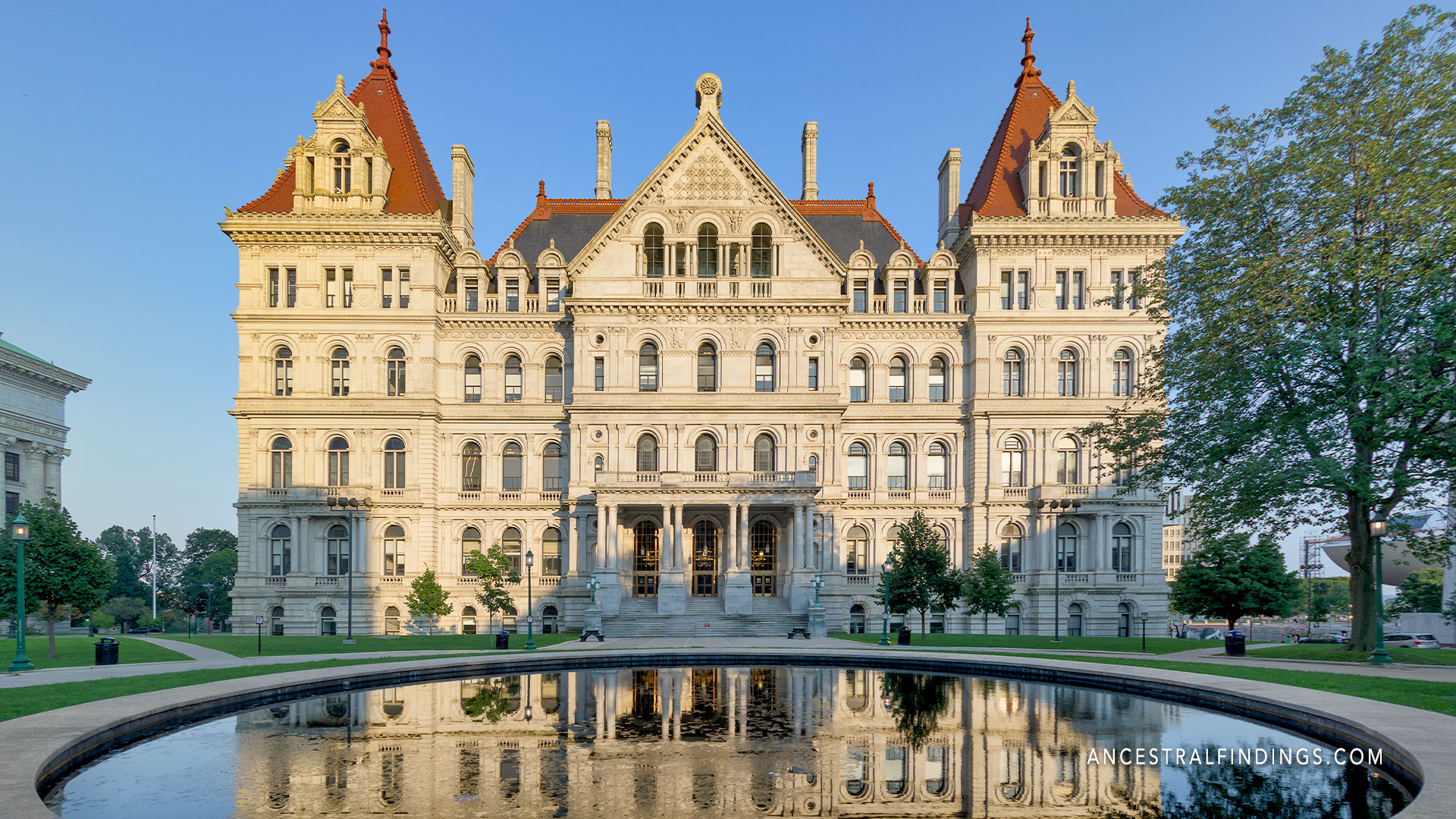
As the state capital, Albany is home to the legislative and executive branches of the New York State government. The iconic New York State Capitol building, a magnificent example of Romanesque Revival architecture, stands as a prominent symbol of the city’s governmental function. Within its walls, the New York State Assembly and the New York State Senate convene to debate and pass legislation that impacts the lives of millions across the state. The Governor’s Executive Chamber is also located here, making it the nerve center for state policy and administration. Beyond the Capitol, numerous other state agencies and departments have their headquarters in Albany, reinforcing its status as the administrative core.
Exploring Albany: Beyond the Statehouse
While its governmental functions are paramount, Albany offers a wealth of attractions and experiences that extend far beyond its political identity. The city is a vibrant cultural hub with a rich artistic scene, significant historical sites, and a burgeoning culinary landscape. Visitors can immerse themselves in a history that spans centuries, explore diverse neighborhoods, and enjoy a pace of life that offers a refreshing contrast to the intensity of larger urban centers.
Landmarks and Historical Treasures
Albany is dotted with landmarks that tell the story of its past. The aforementioned New York State Capitol is a must-see, not just for its governmental importance but also for its stunning architecture, including the magnificent “Million Dollar Staircase.” Just a stone’s throw away is the New York State Museum, which houses extensive collections covering the natural and cultural history of New York, from Native American artifacts to exhibits on the state’s industrial past.
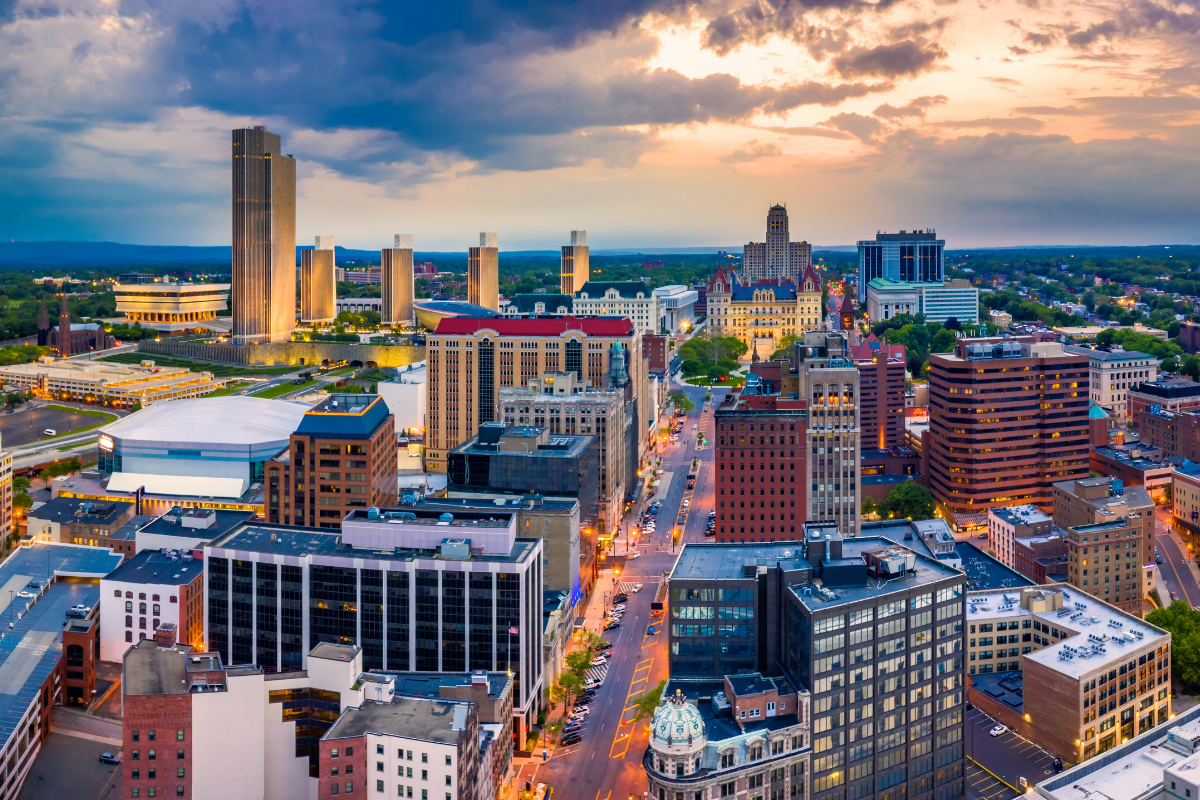
Another significant historical site is the Ten Broeck Mansion, a beautifully preserved Georgian-style home dating back to the 18th century, offering a glimpse into the lives of prominent families during the colonial era. The Albany Institute of History & Art provides a comprehensive overview of the region’s artistic and historical heritage, showcasing everything from colonial portraits to contemporary exhibitions. For those interested in architectural history, a stroll through neighborhoods like Washington Park reveals a stunning array of Victorian-era homes and ornate brownstones.
Cultural Experiences and Local Life
Albany boasts a thriving cultural scene. The Palace Theatre, a beautifully restored vaudeville-era venue, hosts a diverse range of performances, from Broadway shows and concerts to comedy acts and film screenings. The Times Union Center is a major venue for sporting events and large-scale concerts. For art enthusiasts, numerous galleries showcase local and regional talent.
The city’s culinary landscape is equally engaging. Albany offers a diverse array of dining options, from classic diners and pubs to upscale restaurants featuring farm-to-table cuisine. The emphasis on local ingredients is a growing trend, reflecting the agricultural richness of the surrounding region. Exploring neighborhoods like Lark Street reveals a vibrant mix of independent shops, cafes, and restaurants, each contributing to the city’s unique character. The Albany Farmers Market is a popular spot for locals and visitors alike to sample fresh produce, artisanal goods, and prepared foods.
Planning Your Visit to the Capital City
For those seeking a travel experience that combines history, culture, and a more relaxed urban environment, Albany presents a compelling destination. Its proximity to other notable attractions in the Capital Region makes it an excellent base for exploring. Whether you are interested in the intricacies of state governance, the grandeur of historical architecture, or the warmth of local culture, Albany has much to offer.
Getting There and Getting Around
Albany is easily accessible by various modes of transportation. Albany International Airport (ALB) serves domestic flights, connecting travelers from across the country. For those traveling by train, Albany-Rensselaer Station is a major Amtrak hub, offering convenient service along the Northeast Corridor. Major highways, including the New York State Thruway, also provide easy driving access to the city.
Once in Albany, navigating the city is relatively straightforward. The downtown area, where most government buildings and many attractions are located, is walkable. Public transportation is available through the Capital District Transportation Authority (CDTA) bus system, offering routes throughout the city and surrounding areas. Renting a car can provide more flexibility, especially for exploring areas outside the immediate downtown core or venturing into the wider Capital Region.
Accommodations and Dining
Albany offers a range of accommodation options to suit different budgets and preferences. From major hotel chains like the Renaissance Albany Hotel and Hilton Albany to more boutique establishments, visitors can find comfortable places to stay. Many hotels are conveniently located near the Capitol complex and other key attractions, making it easy to explore on foot. For those seeking a more unique experience, there are also vacation rentals and bed and breakfasts available in various neighborhoods.
The dining scene in Albany is diverse and reflects the city’s growing culinary reputation. You can find everything from classic Italian eateries and cozy pubs to contemporary American restaurants and international cuisine. Exploring areas like Lark Street and the Washington Avenue Armory neighborhood offers a concentration of popular dining spots. Don’t miss the chance to try some local specialties or visit one of the city’s many breweries and distilleries.
In conclusion, while New York City may be the state’s most famous city, Albany holds the distinguished title of its capital. It is a city with a profound historical legacy, a vibrant cultural present, and a unique charm that makes it a worthwhile destination for any traveler interested in understanding the heart of New York.
LifeOutOfTheBox is a participant in the Amazon Services LLC Associates Program, an affiliate advertising program designed to provide a means for sites to earn advertising fees by advertising and linking to Amazon.com. Amazon, the Amazon logo, AmazonSupply, and the AmazonSupply logo are trademarks of Amazon.com, Inc. or its affiliates. As an Amazon Associate we earn affiliate commissions from qualifying purchases.