
Navigating the financial landscape of a new city, whether as a prospective resident, a savvy shopper, or a curious tourist, often involves understanding local tax structures. Among the most pervasive of these is sales tax. For anyone planning a visit to or considering a move to the vibrant metropolis of Chicago, Illinois, comprehending the intricacies of its sales tax is not just a matter of civic duty but a crucial aspect of budgeting and financial awareness. Chicago, a global hub for culture, commerce, and tourism, boasts one of the highest combined sales tax rates in the United States. This detailed guide aims to demystify Chicago’s sales tax, breaking down its components, outlining its impact on various purchases, and providing essential insights for visitors and locals alike.
The Multi-Layered Structure of Chicago’s Sales Tax
The sales tax rate in Chicago is not a single, monolithic figure but rather a cumulative total derived from multiple taxing bodies. This stacked approach is common in many U.S. states and municipalities, reflecting the various levels of government that fund their operations through consumption taxes. Understanding each component is key to grasping the overall rate.
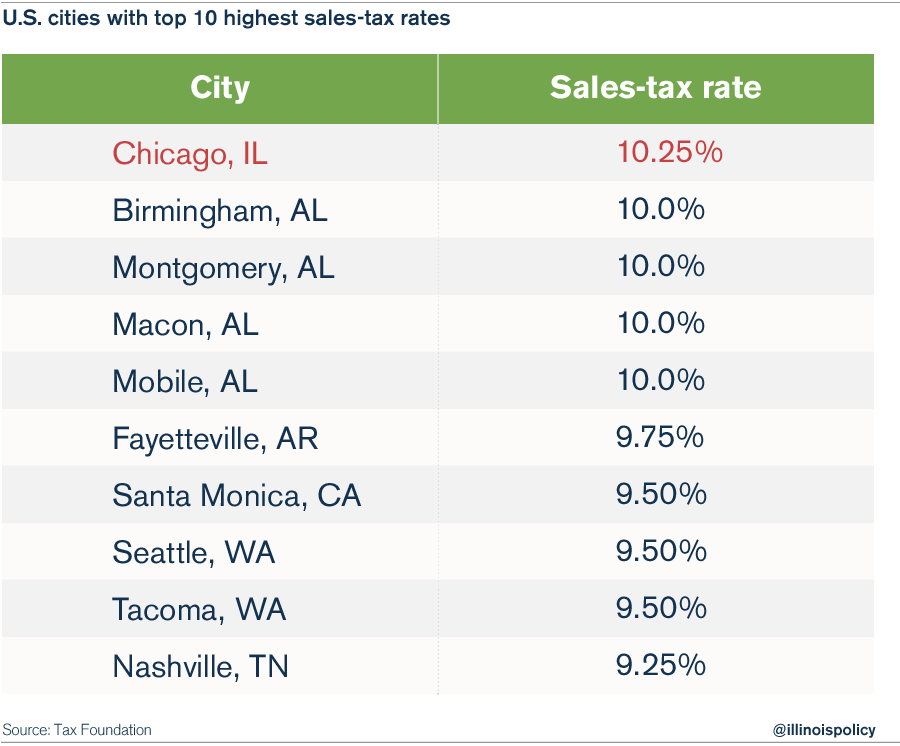
The combined sales tax rate in Chicago for most tangible personal property and prepared food items typically stands at 10.25%. This seemingly high figure is a sum of contributions from the state of Illinois, Cook County, the City of Chicago, and the Regional Transportation Authority (RTA).
Deconstructing the 10.25% Rate
The total 10.25% sales tax rate in Chicago is broken down as follows:
- Illinois State Sales Tax: The foundational layer, set by the state of Illinois, is 6.25%. This portion contributes to state-wide services, infrastructure, education, and other essential government functions. It is a standard rate applied across the entire state, with some exceptions for certain types of goods.
- Cook County Sales Tax: As Chicago is situated within Cook County, an additional county-level sales tax applies. This rate is 1.75%, funding county-specific services and initiatives such as healthcare, public safety, and judicial systems within the county limits.
- Regional Transportation Authority (RTA) Sales Tax: The RTA is responsible for overseeing and funding public transportation services in the six-county Chicago metropolitan area, including the CTA (bus and ‘L’ trains), Metra (commuter rail), and Pace (suburban bus). To support this extensive network, a sales tax of 1.25% is levied within Cook County. This tax is critical for maintaining and expanding the public transit options that are vital to Chicago’s residents and visitors.
- City of Chicago Sales Tax: Finally, the City of Chicago itself imposes its own municipal sales tax, which stands at 1.00%. This portion directly benefits the city’s budget, funding local services like police and fire departments, sanitation, parks, and other municipal operations that contribute to the quality of life and the tourist experience in Chicago.
While this composite rate is generally applicable, it’s worth noting that some specific areas or districts within Chicago might have marginal variations due to additional special taxing districts. For instance, the Metropolitan Pier and Exposition Authority (MPEA), which operates McCormick Place and Navy Pier, imposes certain specific taxes, though these are typically more focused on hospitality-related services rather than general retail sales tax.
How Sales Tax Impacts Visitors and Consumers
For tourists exploring the Windy City or residents making everyday purchases, the sales tax rate directly influences the final cost of goods and certain services. Understanding where and how this tax applies can significantly aid in budgeting and financial planning.
Shopping in the City
From high-end boutiques on the Magnificent Mile to quirky shops in Wicker Park or souvenir stores near Millennium Park, nearly all tangible personal property purchased in Chicago is subject to the full 10.25% sales tax. This includes clothing, electronics, books, gifts, and any other merchandise you might buy.
- Budgeting for Souvenirs: Tourists should factor in the 10.25% extra cost when calculating how much they can spend on mementos of their trip. A $100 purchase will effectively cost $110.25.
- Luxury Goods: The impact of the sales tax becomes even more pronounced with higher-priced items. A luxury watch or designer bag costing several thousand dollars will see a substantial addition to its price tag due to this tax.
Dining Experiences
Chicago is renowned for its exceptional culinary scene, from deep-dish pizza joints to Michelin-starred restaurants. The application of sales tax to food items, however, can be nuanced.
- Prepared Food (Restaurants, Cafes, Takeaways): When you dine out at a restaurant, grab a coffee from a cafe, or pick up prepared meals from a deli or grocery store’s hot bar, these items are generally subject to the full 10.25% sales tax rate. This includes soft drinks and alcoholic beverages served in establishments.
- Unprepared Food (Groceries): Most unprepared food items purchased at grocery stores for consumption at home are taxed at a much lower rate. The Illinois state portion of the sales tax on qualifying groceries is just 1%, with Cook County, Chicago, and RTA portions typically not applying to these items. This distinction is vital for residents and those staying in accommodations with kitchen facilities, as it offers a significant saving on food expenses compared to eating out.
- Example: A cart full of fresh produce, meat, and pantry staples will only have an additional 1% added, whereas a meal from a fast-food restaurant will incur the full 10.25%.
Services and Other Purchases
Generally, in Illinois, sales tax is applied to tangible personal property, not services. This means that many common services like haircuts, legal advice, or dry cleaning are not subject to sales tax. However, there are exceptions and specific taxes for certain services.
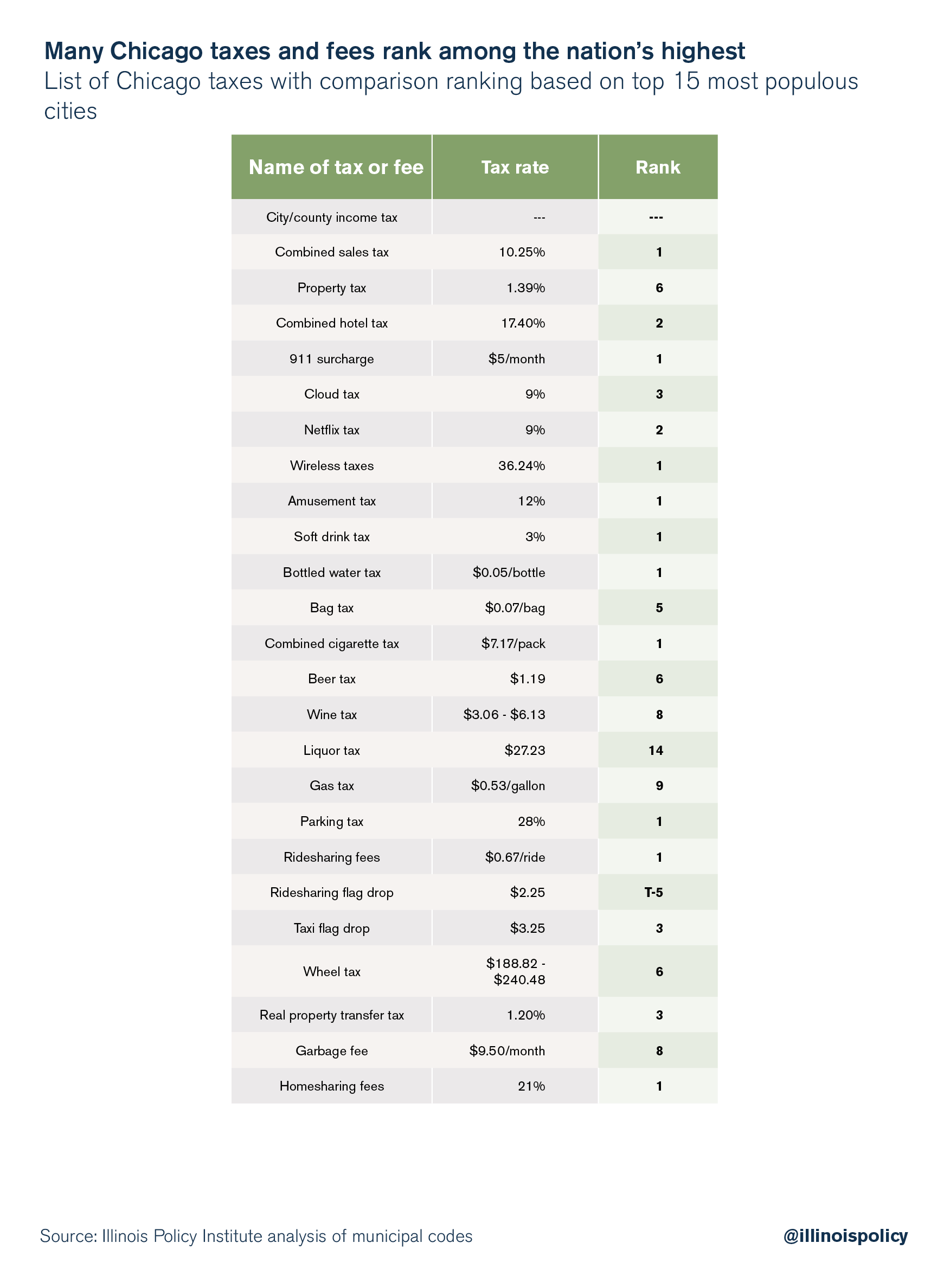
- Digital Goods: Illinois does not generally tax digital goods (like streamed movies, music downloads, or software) as sales tax. However, certain specified digital services might be subject to other types of local taxes, such as a “service use tax” or amusement tax, especially within Chicago. For tourists, this is less of a concern unless they are purchasing specific streaming or digital content subscriptions during their stay.
- Hotel Stays: While not a sales tax, tourists should be aware of the hotel occupancy taxes in Chicago, which are separate and significant. These include a state hotel tax, a Cook County hotel tax, and a City of Chicago hotel tax, often totaling over 17% on top of the room rate. This is an additional financial consideration for any visitor.
Sales Tax Exemptions and Special Considerations
While the 10.25% rate is high, there are specific exemptions and lower rates for certain categories of goods. These are important for both residents and long-term visitors to understand.
Key Exemptions and Lower Rates
- Groceries (Unprepared Food): As mentioned, most unprepared food items purchased from grocery stores are taxed at a reduced state rate of 1%. This significantly lowers the cost of cooking at home compared to dining out.
- Prescription Medicine and Medical Appliances: These essential items are entirely exempt from sales tax in Illinois and, consequently, in Chicago. This policy aims to make healthcare more affordable.
- Newspapers and Periodicals: Sales of newspapers and magazines are generally exempt from sales tax.
- Manufacturing and Production Machinery: Certain machinery and equipment used in manufacturing and production are exempt from sales tax to promote industrial activity.
- Custom-Made Items: In some cases, if an item is custom-made and the service component of its creation is substantial, it might be treated differently, though general rules apply to the sale of the final tangible product.
Tax-Free Holidays
Unlike some other states that offer annual “tax-free weekends” for items like school supplies or clothing, Illinois does not have a regularly scheduled, recurring statewide sales tax holiday. While the state has occasionally implemented temporary tax relief programs (such as a temporary sales tax exemption for certain school supplies in 2022), these are not permanent fixtures. Therefore, visitors should not rely on finding designated tax-free shopping periods in Chicago.
Chicago’s Sales Tax in Context
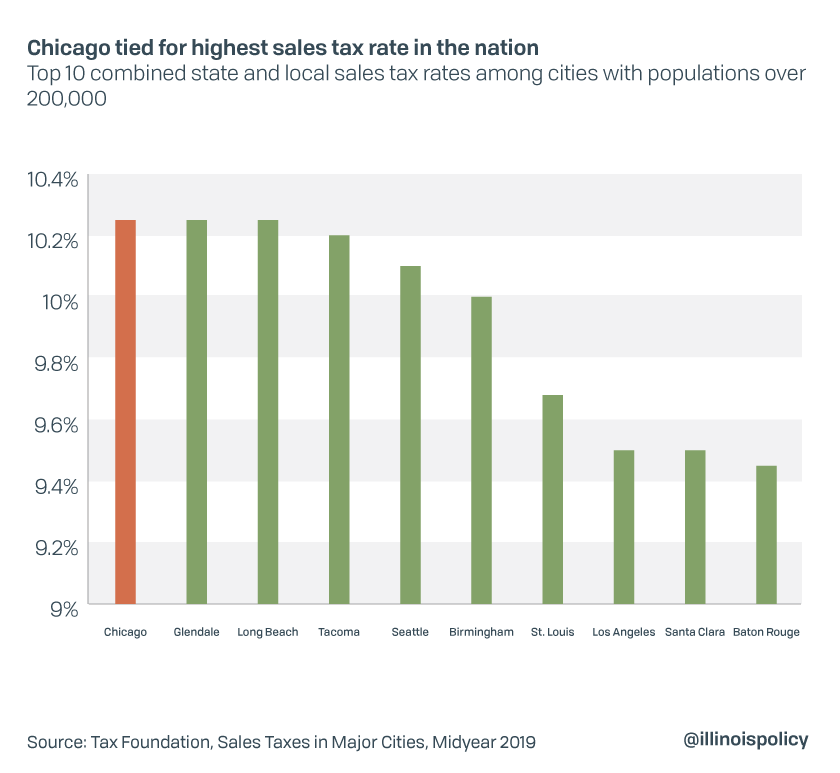
Chicago’s 10.25% sales tax rate for general merchandise is notably high when compared to many other major cities and states across the United States.
- Comparison to Other Major Cities: While cities like Seattle (WA), Los Angeles (CA), and New York City (NY) also have significant sales tax rates, Chicago’s often ranks among the highest for combined state and local sales tax. For instance, New York City’s combined rate is typically 8.875%, and Los Angeles County is 9.5% (with some districts higher). This makes Chicago a comparatively expensive place for retail purchases.
- Economic Impact and Revenue: The high sales tax generates substantial revenue for the state of Illinois, Cook County, the RTA, and the City of Chicago. These funds are critical for supporting the vast array of public services, infrastructure projects, and social programs that benefit millions of residents and enhance the visitor experience. From maintaining world-class museums and parks to ensuring efficient public transit and safety, sales tax revenue plays a pivotal role in the city’s operational capacity and development.
For visitors, while the higher sales tax might slightly increase the cost of souvenirs and dining, it ultimately contributes to the quality of the urban environment they are enjoying. The well-maintained public spaces, efficient transportation, and cultural institutions that draw tourists to Chicago are partly sustained by this revenue.
Conclusion
Understanding “What Is Chicago, IL Sales Tax?” is more than just knowing a number; it’s about appreciating the financial framework that underpins one of America’s greatest cities. The 10.25% combined sales tax rate for most goods and prepared food items, stemming from state, county, regional transportation, and city contributions, positions Chicago among the higher-taxed retail environments in the United States.
For tourists, this means factoring in the additional cost when planning shopping sprees and dining experiences, though knowing that groceries are taxed at a significantly lower 1% can help manage food budgets. For residents and businesses, it’s a constant consideration in economic decisions and an important contribution to the public services that define the city. Whether you’re purchasing a Chicago Cubs jersey, enjoying a deep-dish pizza, or simply buying daily necessities, the sales tax is an integral part of the economic fabric of this dynamic metropolis. By being informed, consumers and visitors alike can navigate Chicago’s vibrant marketplace with greater confidence and foresight.
LifeOutOfTheBox is a participant in the Amazon Services LLC Associates Program, an affiliate advertising program designed to provide a means for sites to earn advertising fees by advertising and linking to Amazon.com. Amazon, the Amazon logo, AmazonSupply, and the AmazonSupply logo are trademarks of Amazon.com, Inc. or its affiliates. As an Amazon Associate we earn affiliate commissions from qualifying purchases.