
The musical Chicago, a vibrant and audacious spectacle, stands as a cornerstone of global musical theatre, frequently enticing tourists and culture enthusiasts alike. Far more than a simple narrative, it delves into the roaring 1920s with a sharp, satirical eye, offering a potent commentary on fame, justice, and the media’s manipulative power. For visitors seeking to immerse themselves in rich local culture and engaging activities, understanding what makes Chicago tick is essential to appreciating this iconic stage production, whether experienced in New York City, London, or on a touring production.
A Deep Dive into Roaring Twenties Razzle-Dazzle
At its core, Chicago is a dazzling, dark comedy set against the backdrop of the Prohibition era, a time of illicit indulgence and burgeoning celebrity culture. Its narrative is a masterclass in musical storytelling, reflecting a specific period while delivering universally resonant themes.

Setting the Scene: Jazz Age Chicago
The musical transports its audience to the Prohibition-era Chicago, a city synonymous with jazz, speakeasies, and organized crime. This historical context is not merely a setting; it is a character in itself, influencing the characters’ motivations, the societal norms they defy, and the corrupt justice system they navigate. The show perfectly captures the era’s blend of decadence and despair, where morality was often eclipsed by opportunity and the pursuit of fame. For tourists, this provides a fascinating window into a pivotal moment in American history, presenting a stylized yet impactful portrayal of a city in flux, driven by the intoxicating rhythms of “all that jazz.” The aesthetic, music, and dialogue are steeped in the period, offering a rich cultural experience that goes beyond simple entertainment.
The Narrative Core: Crime, Corruption, and Celebrity
The central plot revolves around two women, Velma Kelly and Roxie Hart, both vaudeville performers who find themselves on death row for murder. Velma, a seasoned star, is incarcerated for killing her husband and sister. Roxie, an ambitious newcomer, murders her lover. Their stories unfold within the Cook County Jail, where the “Murderess Row” becomes a stage for scandalous media manipulation. The musical vividly illustrates how crime can be turned into a spectacle, how public perception can be engineered, and how fleeting celebrity can be. It’s a biting critique of a society obsessed with fame, where even notorious criminals can become overnight sensations if they play their cards right with the press. This narrative offers tourists a thought-provoking exploration of media ethics and the nature of public fascination, still remarkably relevant today.
The Characters: Velma Kelly, Roxie Hart, and Billy Flynn
The show is driven by its unforgettable characters, each a caricature designed to highlight the musical’s themes:
- Velma Kelly: The quintessential vaudeville siren, Velma is initially the reigning queen of “Murderess Row.” She’s jaded, cynical, and fiercely protective of her notoriety, desperate to reclaim her fame and her act. Her journey is one of struggling to maintain relevance in a fickle public eye.
- Roxie Hart: A seemingly naive and ambitious chorus girl, Roxie quickly learns the game of public sympathy and media manipulation. She’s a master of crafting her own narrative, transforming from a simple murderer into a sympathetic victim in the eyes of the press, all in pursuit of stardom.
- Billy Flynn: The smooth-talking, morally ambiguous lawyer, Billy Flynn embodies the corrupt legal system and the power of theatrical persuasion. He doesn’t seek justice; he seeks acquittal, skillfully orchestrating public opinion and legal proceedings with showmanship and calculated charm. His songs, often presented as vaudeville acts, highlight his control over the media circus.
These characters are not just entertaining; they are vessels for the musical’s sharp social commentary, offering tourists a deep dive into the archetypes of ambition, manipulation, and the craving for attention.
The Enduring Cultural Impact and Thematic Relevance
Chicago has maintained its powerful presence on stages worldwide for decades, a testament to its timeless themes and groundbreaking artistic execution. Its ability to resonate across generations makes it a vital cultural experience for any visitor.
Satire and Social Commentary
The musical is a masterful work of satire. Originally conceived by reporter Maurine Dallas Watkins based on real-life murder trials she covered in 1920s Chicago, it skewers the criminal justice system, the sensationalist media, and society’s obsession with celebrity. It challenges the audience to question notions of truth, justice, and morality, particularly when filtered through the lens of public opinion and media spectacle. This sharp critique, delivered with wit and cynicism, makes it incredibly relevant even in today’s media-saturated world, where reality television and social media often blur the lines between news and entertainment. For tourists, it offers a sophisticated form of entertainment that encourages reflection on broader societal issues.
The Allure of “All That Jazz”
The music, composed by John Kander with lyrics by Fred Ebb, is intrinsically linked to the narrative and the era. The score is a vibrant homage to the jazz and vaudeville sounds of the 1920s, with numbers like “All That Jazz,” “Cell Block Tango,” and “Razzle Dazzle” becoming iconic. Each song functions as a performance piece within the performance, a “number” from the characters’ imagined vaudeville acts, underscoring the theatricality of their lives and trials. The raw energy, brassy orchestrations, and clever lyrics perfectly capture the show’s dark humor and cynicism. Experiencing this live music is a profound cultural encounter, offering a sensory journey back to the Jazz Age that is both exhilarating and thought-provoking.
Fosse’s Iconic Choreography
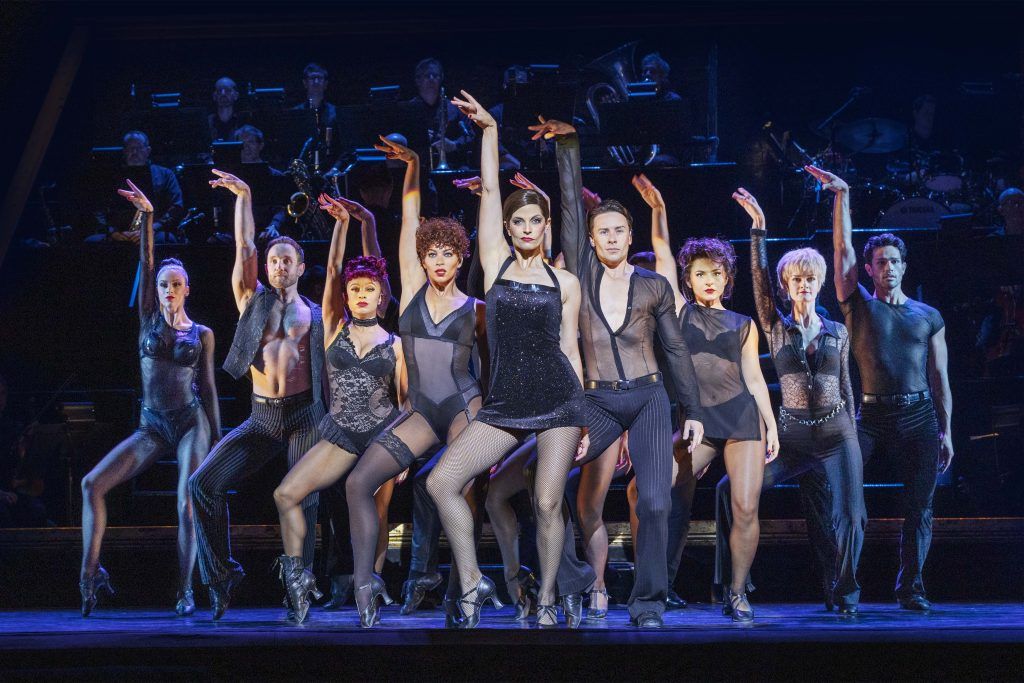
Perhaps no element is more synonymous with Chicago than the distinctive choreography of Bob Fosse. His signature style—slinky, sensual, sharp, and angular, with elements like turned-in knees, hunched shoulders, and isolated movements—is an integral part of the show’s identity. The choreography doesn’t just complement the music; it tells the story, conveys character, and heightens the satire. It’s a visual language that communicates the characters’ desires, their desperation, and the seductive corruption of their world. For tourists, witnessing a live performance of Fosse’s work is a chance to experience a true piece of dance history, a style that has influenced countless productions and remains instantly recognizable.
Experiencing “Chicago” as a Tourist
For any visitor, attending a performance of Chicago is not just seeing a show; it’s engaging with a living piece of cultural heritage. It’s an activity that enriches a travel itinerary, offering insight into theatre, history, and social commentary.
Where to Catch a Performance
Chicago is one of the longest-running musicals in history, making it accessible in various major theatre hubs. The most prominent productions are typically found on Broadway in New York City (currently at the Ambassador Theatre) and on the West End in London. Additionally, national and international touring companies bring the show to cities around the globe. Tourists planning their visit should check local theatre listings or major ticketing platforms for current performance schedules and venues. Buying tickets in advance, especially for Broadway or West End productions, is highly recommended to secure desired seats and dates.
Preparing for the Show: Themes and Style
To maximize the experience, tourists might consider familiarizing themselves with the basic plot and key musical numbers beforehand. However, even without prior knowledge, the show is designed to be engaging. It’s important to approach Chicago with an open mind, ready for its distinctive style. The minimalist set design, often featuring the orchestra on stage, and the vaudeville-inspired presentation are deliberate choices that enhance the show’s cabaret feel and direct address to the audience. This style emphasizes the performers and the music, stripping away elaborate scenery to focus on the raw theatricality and the biting commentary. Expect a show that is sleek, sexy, and smart, rather than grand and opulent in the traditional musical theatre sense.
Complementing Your Theatrical Experience
For those visiting Chicago the city itself, a performance of the musical “Chicago” can be paired with exploring historical sites that evoke the Prohibition era, such as former speakeasies or architectural tours focused on the 1920s. In any city where the show is playing, visitors might seek out local jazz clubs to experience live music that echoes the show’s soundtrack, or visit museums that delve into the social history of the early 20th century. This integration of the theatrical experience with local cultural exploration enriches the overall trip, offering a multifaceted understanding of the period and its lasting influence.
Why “Chicago” Remains a Must-See Cultural Attraction
More than just a classic, Chicago continues to captivate audiences because it offers a timeless commentary delivered with unparalleled style and substance.
Its Place in Musical Theatre History
Chicago holds a unique position in the pantheon of musical theatre. Debuting in 1975, it was ahead of its time with its cynical, anti-heroic stance, a stark contrast to many more optimistic musicals of its era. Its 1996 Broadway revival became a cultural phenomenon, cementing its status as a masterpiece and proving its enduring relevance. Its groundbreaking use of a minimalist, concert-like staging in the revival broke new ground, influencing subsequent theatrical productions. For cultural tourists, witnessing Chicago is to experience a pivotal work that reshaped musical theatre.
A Timeless Tale of Ambition
The central themes of ambition, media manipulation, and the quest for fame are as pertinent today as they were a century ago. In an age dominated by social media influencers and 24/7 news cycles, the show’s critique of celebrity culture feels incredibly current. Roxie Hart’s ability to craft a narrative and sway public opinion with a compelling (though fabricated) story resonates powerfully. This timelessness ensures that the musical remains fresh and impactful for contemporary audiences, offering insights into human nature and societal flaws that transcend specific historical periods.
A Perfect Blend of Entertainment and Insight
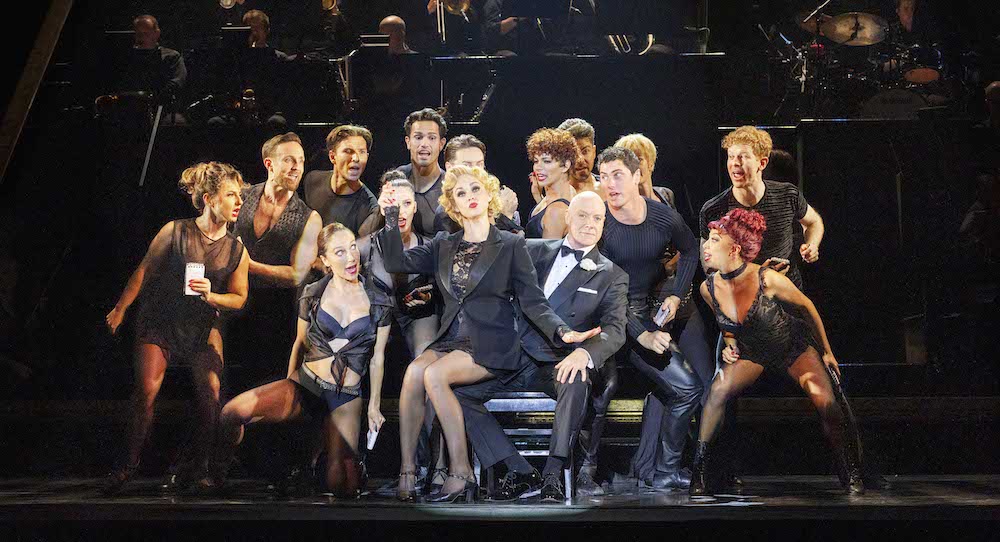
Ultimately, “What is Chicago musical about?” is about more than just a plot; it’s about a complete theatrical experience. It’s an electrifying production that blends sensational music, captivating dance, sharp wit, and profound social commentary into one unforgettable package. For tourists, it represents a high-quality cultural activity that offers both exhilarating entertainment and intellectual stimulation. It’s a chance to witness world-class performances, immerse oneself in a distinctive artistic style, and leave with a deeper understanding of human ambition and the complex relationship between justice, media, and celebrity.
LifeOutOfTheBox is a participant in the Amazon Services LLC Associates Program, an affiliate advertising program designed to provide a means for sites to earn advertising fees by advertising and linking to Amazon.com. Amazon, the Amazon logo, AmazonSupply, and the AmazonSupply logo are trademarks of Amazon.com, Inc. or its affiliates. As an Amazon Associate we earn affiliate commissions from qualifying purchases.