
Chicago, often affectionately known as the “Windy City,” is a bustling metropolis that stands as a vibrant testament to urban development and cultural diversity in the United States. When we ask “What is Chicago’s population?”, we’re not just seeking a number; we’re uncovering the very essence of a city that thrives on the energy of its inhabitants. This demographic reality is the bedrock upon which Chicago’s rich tapestry of tourism, lifestyle, and economic activity is built. From its towering skyscrapers to its world-class museums, and from its sprawling parks to its diverse culinary scene, every facet of Chicago’s appeal to travelers and residents alike is intricately linked to the people who call it home.
Understanding Chicago’s population is crucial for anyone interested in exploring the city, whether for a quick getaway, a business trip, or even a potential long-term stay. The sheer volume and diversity of its residents directly influence the range of accommodations available, the variety of cultural experiences on offer, the accessibility of its famous landmarks, and the overall lifestyle it projects. This article delves into the demographic landscape of Chicago, exploring how its population shapes its identity as a premier global destination and what this means for visitors seeking unforgettable travel experiences.
Chicago’s Dynamic Demography: More Than Just Numbers
The pulse of any major city is its people, and Chicago is no exception. Its population figures tell a story of growth, change, and an enduring magnetism that draws individuals from all walks of life. Far from being a static figure, Chicago’s demography is a living, breathing entity that constantly evolves, influencing everything from urban planning to the daily rhythm of its streets.
A Snapshot of the Population
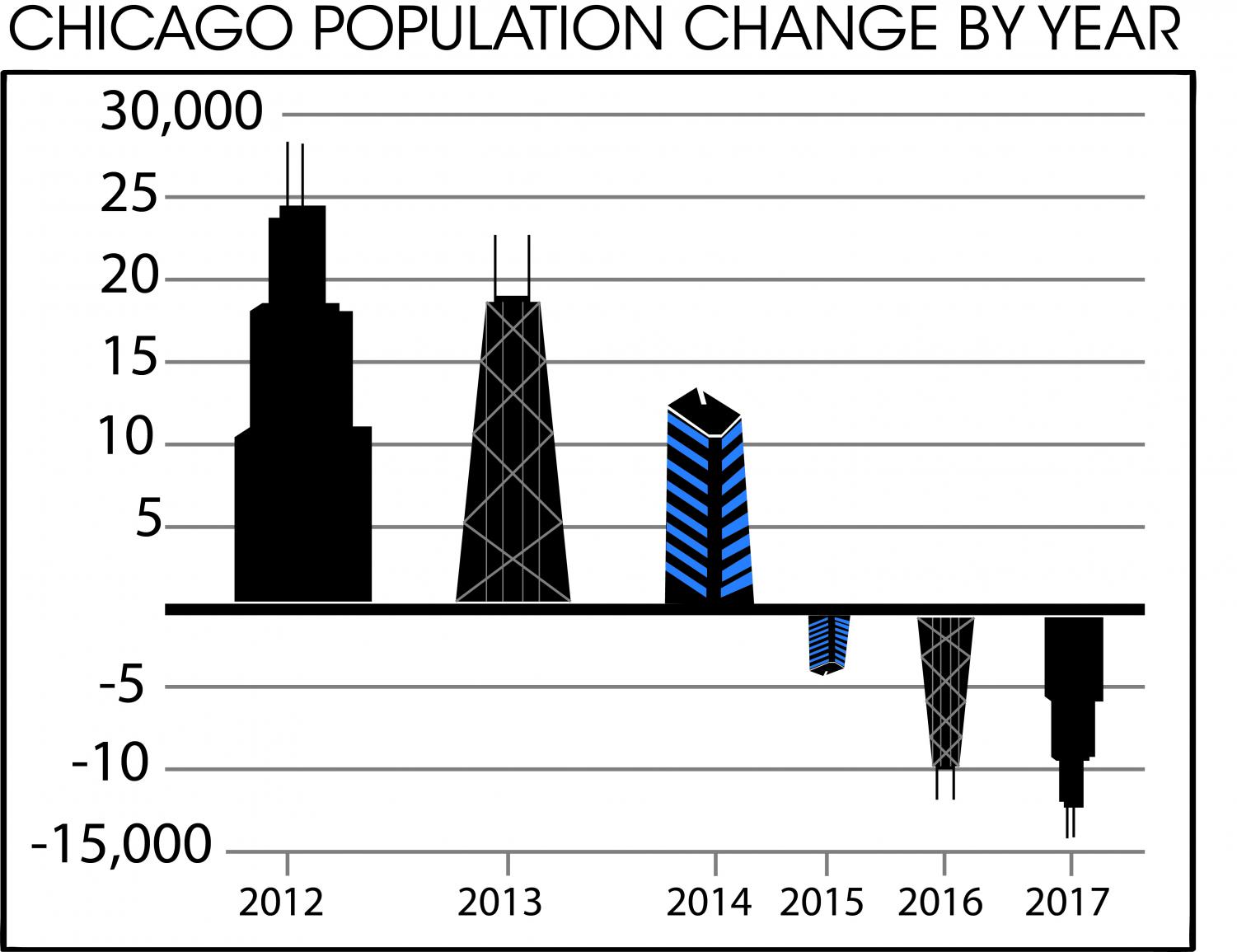
As of recent estimates, the city proper of Chicago boasts a population of approximately 2.7 million residents, making it the third-most populous city in the United States. This impressive figure places it behind only New York City and Los Angeles. However, to fully grasp Chicago’s scale, one must also consider its broader metropolitan area, known as Chicagoland, which extends across several counties in Illinois, Indiana, and Wisconsin. This sprawling region is home to over 9.5 million people, ranking it among the largest metropolitan areas globally.
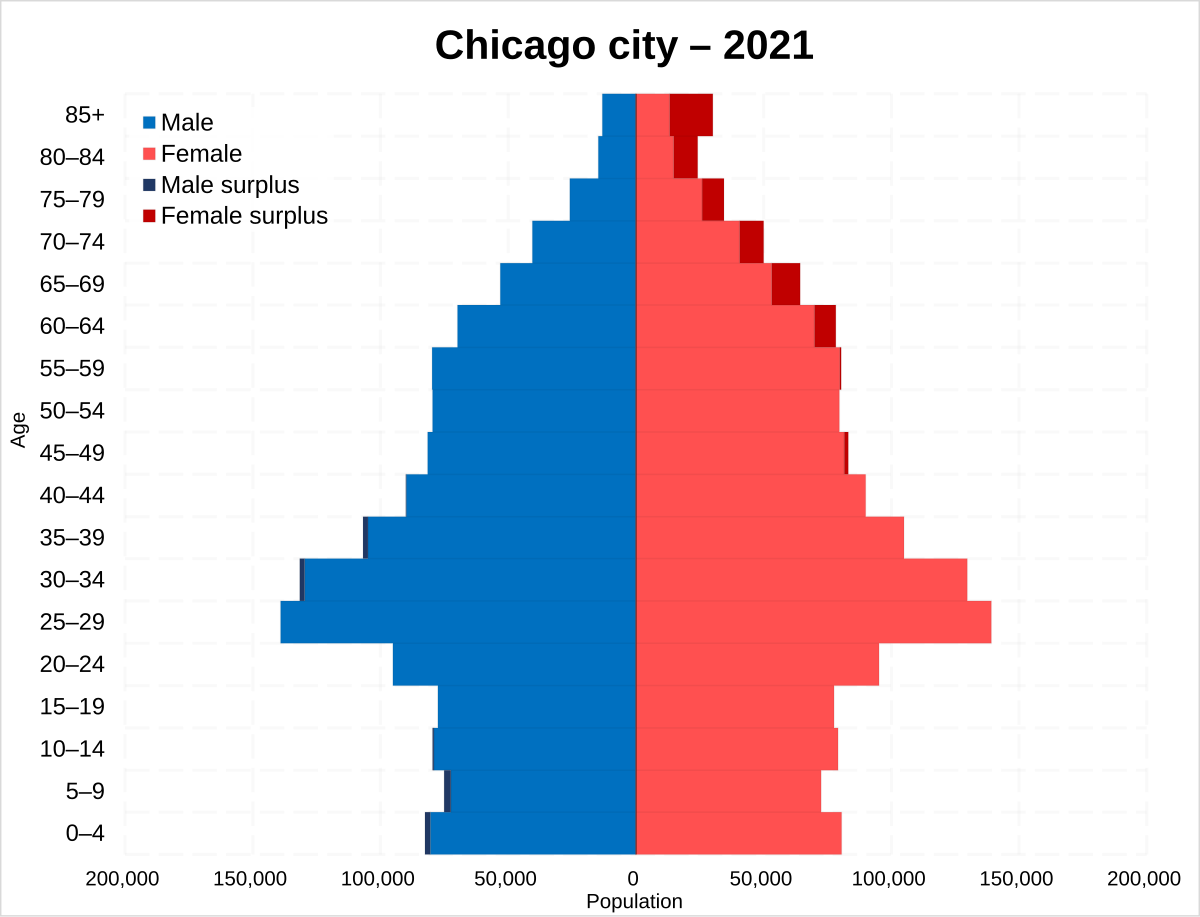
Population trends in Chicago have seen various shifts over the decades. After periods of industrial growth and subsequent suburbanization, the city has experienced a resurgence in recent years, particularly in its downtown core and vibrant neighborhoods. This inward migration often consists of young professionals, artists, and families drawn by economic opportunities, cultural attractions, and the allure of urban living. The age distribution is robust, with a significant young adult and working-age population contributing to a dynamic and innovative workforce. Socioeconomic factors are diverse, reflecting a wide range of incomes and lifestyles, from affluent residents in areas like the Gold Coast to working-class communities in other districts. This blend creates a unique urban fabric where different strata of society coexist and contribute to the city’s overall character.
The Melting Pot Effect on Culture and Lifestyle
Perhaps one of the most profound impacts of Chicago’s diverse population is its influence on the city’s rich culture and distinctive lifestyle. Chicago is a true melting pot, with residents tracing their heritage to countries all over the world. This incredible ethnic diversity is evident in every corner of the city, enriching its cultural landscape in myriad ways.
The city’s vibrant food scene is a direct reflection of its demographics. From authentic Mexican cuisine in Pilsen to traditional Polish delis in Jefferson Park, and from bustling Chinatown to lively Greek Town, the options are endless. Beyond international flavors, Chicago is famous for its culinary innovations, including its iconic deep-dish pizza, Chicago-style hot dogs, and a burgeoning fine dining scene that caters to sophisticated palates. This gastronomic diversity is a major draw for tourists, offering an authentic taste of local and global traditions.
Culturally, the population supports a thriving arts and entertainment scene. World-class theaters, improv comedy clubs (The Second City, for instance), live music venues (Kingston Mines, Buddy Guy’s Legends), and art galleries proliferate throughout the city. Annual festivals celebrating various ethnic groups, music genres (like Lollapalooza in Grant Park), and culinary traditions are commonplace, offering visitors a year-round calendar of exciting activities. The city’s neighborhoods each have their distinct character and lifestyle, fostered by the communities that reside there. From the bohemian feel of Wicker Park to the family-friendly atmosphere of Lincoln Park and the bustling commercial hub of The Loop, Chicago offers a lifestyle for every preference. This rich cultural tapestry, woven by its millions of residents, ensures that there’s always something new to discover, making it an endlessly fascinating destination for travel and exploration.
Population as a Catalyst for Tourism and Travel
A large and diverse population isn’t just a number; it’s a powerful engine driving Chicago’s status as a world-class travel destination. The sheer volume of people contributes to a robust infrastructure, a thriving economy, and a demand for high-quality attractions and services that directly benefit tourists.
Drawing Visitors to the Windy City
The millions of people who call Chicago home necessitate and support an extensive urban infrastructure. This includes efficient public transportation, a vast network of roads and highways, and two major international airports – O’Hare International Airport and Midway International Airport – which collectively rank among the busiest in the world. This accessibility is a primary factor in drawing visitors from both domestic and international origins.
Furthermore, a large population translates into a strong local economy that can sustain a wide array of businesses, including hotels, restaurants, shops, and entertainment venues, many of which cater to both residents and tourists. The city’s substantial business community, fueled by its workforce, also makes it a major hub for conventions, conferences, and corporate travel, ensuring a steady stream of visitors throughout the year. The vibrancy created by millions of residents fosters a lively atmosphere that makes Chicago an exciting place to visit, whether for a weekend getaway or an extended exploration. From guides offering insights into local history to innovative experiences showcasing contemporary culture, the demand and supply for tourism-related services are robust.
Iconic Landmarks and Attractions
Chicago’s impressive array of landmarks and attractions are, in many ways, a legacy of its population growth and the ambitions of its residents over centuries. These architectural marvels, cultural institutions, and natural spaces stand as testaments to the city’s historical development and its ongoing commitment to public life and artistic expression.
- Architectural Wonders: The city is renowned for its groundbreaking architecture, much of which rose during periods of significant population boom. The Willis Tower (formerly Sears Tower), once the tallest building in the world, remains an iconic symbol of Chicago’s vertical ambition, offering breathtaking panoramic views. Other notable structures include the Aqua Tower, the Tribune Tower, and countless other buildings that make up its stunning skyline. Architectural boat tours on the Chicago River are incredibly popular, providing insights into the city’s history and architectural innovation.
- Cultural Institutions: Chicago’s population supports world-class museums that are among the best globally. The Art Institute of Chicago houses an unparalleled collection spanning centuries and continents. The Field Museum offers natural history wonders, while the Shedd Aquarium provides an immersive aquatic experience. These institutions are not only tourist draws but also vital educational and cultural resources for the city’s residents.
- Parks and Public Spaces: Despite its urban density, Chicago boasts expansive and beautifully designed public spaces. Millennium Park, home to the famous “Bean” sculpture (Cloud Gate), and Crown Fountain, exemplifies modern urban landscaping. Grant Park, often called Chicago’s “front yard,” hosts numerous festivals and features Buckingham Fountain. Lincoln Park Zoo, one of the oldest zoos in the United States, offers free admission and a natural oasis within the city. These green spaces provide vital recreational opportunities for residents and tranquil escapes for visitors.
- Entertainment Hubs: Navy Pier, stretching into Lake Michigan, offers family-friendly attractions, dining, and stunning views of the skyline and lake. The sports culture is robust, with passionate fans supporting major league teams like the Chicago Cubs (at Wrigleyville), Chicago White Sox, Chicago Bulls, and Chicago Blackhawks, making games a vibrant local experience.
Culinary Delights and Entertainment Hubs
The sheer volume and diversity of Chicago’s population fuel an unparalleled culinary and entertainment scene. From casual eateries to Michelin-starred restaurants, the city caters to every palate and preference, establishing itself as a global gastronomic destination. This thriving food culture is a direct result of the city’s demographics, with chefs drawing inspiration from a multitude of ethnic traditions and a local populace eager to explore new flavors.
Beyond its famed deep-dish pizza, Chicago offers a dizzying array of dining experiences. You can find world-class fine dining establishments in the River North and West Loop neighborhoods, experimental cuisine that pushes boundaries, and authentic ethnic restaurants representing nearly every corner of the globe. The city’s vibrant craft beer scene has also blossomed, with numerous breweries and taprooms providing unique local brews. For those seeking more casual fare, the bustling markets and street food vendors offer delicious and affordable options.
When the sun sets, Chicago truly comes alive with its diverse entertainment options. Legendary jazz and blues clubs, where many iconic musicians got their start, continue to thrive, offering intimate and electrifying performances. Live music venues across the city host everything from major international acts to local indie bands. Comedy clubs, particularly The Second City, are world-renowned for launching the careers of countless comedic talents, and offer nightly shows that are a must-see for visitors. The theater district in The Loop hosts Broadway-caliber productions, while smaller, experimental theaters provide unique cultural experiences. This rich tapestry of food and entertainment, nurtured by a massive and appreciative audience, ensures that visitors to Chicago will never be short of things to do or tastes to savor.
Accommodation and Hospitality in a Thriving Metropolis
A city with millions of residents and an annual influx of tens of millions of tourists requires a robust and versatile hospitality sector. Chicago’s population, both permanent and temporary, directly shapes the landscape of its accommodation options, ensuring that there’s a place for every traveler, budget, and purpose.
A Spectrum of Lodging Options
The sheer demand generated by Chicago’s significant population and its status as a major travel destination has fostered a highly competitive and diverse accommodation market. Travelers to the city can find everything from opulent luxury hotels to charming boutique inns, and from practical extended-stay suites to budget-friendly apartments and villas for group or long-term stays.
Along the Magnificent Mile and in the Loop, visitors will find renowned international brands like Hyatt, Hilton, Marriott, and Four Seasons, offering full-service amenities, luxurious resorts, and upscale dining options. These establishments cater primarily to business travelers, luxury tourists, and those attending conventions. For travelers seeking a more unique or personalized experience, Chicago’s neighborhoods are dotted with stylish boutique hotels that reflect the local culture and offer distinctive design and service.
Beyond traditional hotels, the rise of alternative accommodations has been embraced by Chicago’s market. Serviced apartments are popular for longer stays, offering the comforts of home with hotel-like services, ideal for business professionals or families. Vacation rentals in various neighborhoods provide a more immersive local experience, often at a more budget-friendly price point for groups or extended visits. This diverse range ensures that whether you’re looking for an opulent five-star experience, a cozy family apartment, or a convenient base for exploring the city on a budget, Chicago has an option to fit your needs.
Meeting the Demands of Travelers
The robust hospitality sector in Chicago is constantly evolving to meet the varied demands of its travelers, influenced directly by the city’s dynamic population and visitor profile. This means a focus on essential amenities, seamless booking processes, transparent reviews, and convenient comparison tools.
Hotels and accommodations in Chicago understand that modern travelers expect more than just a bed. High-speed internet, fitness centers, concierge services, and on-site dining are standard. Many establishments cater to specific niches, offering pet-friendly options, family suites with multiple rooms, or dedicated business centers for corporate guests. The competitive market also means that service quality is generally high, with establishments striving to earn positive reviews and repeat business.
For those planning a long-term stay, particularly business travelers or individuals relocating, Chicago offers numerous options from extended-stay hotels to furnished apartments. These typically include kitchenettes, laundry facilities, and discounted rates for longer durations. Family trips are also well accommodated, with many hotels offering connecting rooms, kid-friendly amenities, and proximity to major attractions like Millennium Park or the Shedd Aquarium. Budget travelers benefit from a wide selection of hostels, guesthouses, and more economical hotel chains, especially outside the most central tourist districts. Regardless of the type of trip – be it a luxurious escape, a budget-conscious adventure, a family vacation, or an extended business stay – Chicago’s diverse hospitality infrastructure, shaped by its vast population and continuous flow of visitors, is well-equipped to provide comfortable and convenient accommodation for all.
Future Outlook and Sustained Growth
Chicago’s impressive population, coupled with its strategic location and continuous development, positions it for sustained growth as both a global city and a premier travel destination. The challenges and opportunities that arise from managing such a large urban center are consistently addressed through forward-thinking urban planning and a commitment to enhancing the quality of life for its residents and the experience for its visitors.
Urban Planning and Development
The city of Chicago has a long history of ambitious urban planning, dating back to Daniel Burnham’s 1909 Plan of Chicago. This legacy continues today with ongoing projects aimed at modernizing infrastructure, promoting sustainable development, and creating more livable and connected communities. Investments in public transportation, green spaces, and waterfront revitalization along Lake Michigan and the Chicago River demonstrate a commitment to improving the urban environment.
Population growth and shifts necessitate continuous adjustments in housing, education, and public services. Developments in neighborhoods, often involving mixed-use projects that combine residential, commercial, and retail spaces, contribute to vibrant local economies and provide diverse housing options. These efforts ensure that as Chicago’s population continues to evolve, the city remains functional, attractive, and capable of supporting both its residents and its thriving tourism industry. Sustainable practices, including green building initiatives and increased reliance on renewable energy, are also becoming integral to Chicago’s urban development strategy, aimed at creating a healthier and more resilient city for future generations.

The Enduring Appeal of Chicago
Ultimately, the answer to “What is Chicago’s population?” goes far beyond a mere statistic. It encapsulates the spirit of a city that has consistently drawn people to its heart, offering opportunities, cultural richness, and a dynamic urban experience. The millions who live here form the bedrock of its character, fueling its economy, enriching its culture, and supporting its vast array of attractions.
For travelers, this means a city that is inherently vibrant and endlessly engaging. The diversity of its population translates into a kaleidoscope of experiences – from sampling world cuisines and exploring eclectic neighborhoods to marveling at architectural masterpieces and enjoying world-class arts and entertainment. The robust hospitality sector, directly influenced by this populous environment, guarantees a wide selection of accommodations, ensuring comfort and convenience for every type of visitor.
Chicago’s sustained commitment to development, innovation, and community engagement ensures that its appeal will only continue to grow. It remains a city that promises unforgettable adventures, whether you’re delving into its historical landmarks, indulging in its culinary delights, or simply soaking in the energetic atmosphere created by its millions of residents. The Windy City truly embodies the essence of a global metropolis, shaped by its people, and waiting to be explored.
LifeOutOfTheBox is a participant in the Amazon Services LLC Associates Program, an affiliate advertising program designed to provide a means for sites to earn advertising fees by advertising and linking to Amazon.com. Amazon, the Amazon logo, AmazonSupply, and the AmazonSupply logo are trademarks of Amazon.com, Inc. or its affiliates. As an Amazon Associate we earn affiliate commissions from qualifying purchases.