
When embarking on a journey, whether it’s a meticulously planned itinerary through the bustling streets of New York City or a serene escape to the Maldives, the details often matter. From securing the perfect suite at the Ritz-Carlton to understanding the nuances of local cuisine in Italy, every element contributes to a richer experience. This attention to detail extends beyond the practicalities of travel; it also applies to how we document and share our adventures. In the academic and journalistic worlds, a standardized system for citing sources and formatting written work is crucial for clarity, credibility, and avoiding plagiarism. One such widely recognized system is the Chicago Style.
While the title “What Is Chicago Style Format?” might immediately bring to mind academic papers and bibliographies, its principles of clear, organized, and well-supported writing are surprisingly relevant to the world of travel, tourism, and lifestyle writing. Imagine crafting a compelling travel blog post about your exploration of Machu Picchu, a detailed review of a luxury resort in Dubai, or a guide to the best street food in Bangkok. To make these narratives engaging and authoritative, understanding how to present information and acknowledge sources becomes paramount. This article will delve into the core principles of the Chicago Style format, exploring how its guidelines for citation and manuscript preparation can elevate the quality and trustworthiness of any written piece, particularly those related to travel and lifestyle.
The Foundations of Chicago Style: Navigating Citation and Authoritative Writing
At its heart, the Chicago Style provides a comprehensive framework for presenting written work. Developed and maintained by the University of Chicago Press, it offers two primary citation systems: the Notes-Bibliography (NB) system and the Author-Date system. Both aim to ensure that readers can easily identify and locate the sources used by the author, thereby lending credibility to the information presented.
The Notes-Bibliography (NB) System: Detail and Depth
The Notes-Bibliography system is often favored in the humanities, such as literature, history, and art history. It employs footnotes or endnotes to cite sources within the text, accompanied by a comprehensive bibliography at the end of the work.
Footnotes and Endnotes: When you refer to information, ideas, or direct quotes from another source, you insert a superscript number at the end of the sentence or clause. This number corresponds to a note at the bottom of the page (footnote) or at the end of the chapter or document (endnote). These notes provide the full bibliographic information for the source.
For a first reference to a source, the note typically includes the author’s full name, the title of the work (italicized for books, in quotation marks for articles), publication information (city, publisher, year), and the specific page number(s). Subsequent references to the same source are usually shortened, often including just the author’s last name, a shortened title, and the page number.
Consider a travel writer discussing the architectural influences on the Eiffel Tower. If they draw heavily from a book titled “Parisian Panoramas: A History of Iconic Structures,” a footnote might look like this:
¹ Jean Dubois, Parisian Panoramas: A History of Iconic Structures (Paris: Éditions du Monde, 2018), 45.
This note immediately tells the reader that the information comes from page 45 of Dubois’s book. If this is the first mention of this source, the full details are provided. If the writer later quotes from the same book again, a subsequent note might appear as:
² Dubois, Parisian Panoramas, 78.
This streamlined approach allows the main text to flow uninterrupted while providing precise source attribution.
The Bibliography: Complementing the notes is the bibliography, an alphabetized list of all the sources cited in the work. The format for bibliography entries differs slightly from the notes. For the NB system, the bibliography typically begins with the author’s last name, followed by their first name, then the title of the work, and finally the publication details.
Using the example above, a bibliography entry would appear as:
Dubois, Jean. Parisian Panoramas: A History of Iconic Structures. Paris: Éditions du Monde, 2018.
The bibliography serves as a quick reference for readers who wish to explore the sources further. It provides a complete overview of the research undertaken by the author, reinforcing the thoroughness and credibility of their work. This level of detail is invaluable when presenting factual information, historical context for landmarks like Chichen Itza, or statistical data about tourist economies.
The Author-Date System: Conciseness and Clarity
The Author-Date system is commonly used in the sciences and social sciences. Instead of footnotes or endnotes, it places parenthetical citations directly within the text, followed by a reference list at the end.
In-Text Citations: When a source is referenced, the author’s last name and the year of publication are placed in parentheses. If a direct quote is used, the page number is also included.
For instance, if a travel guide to Japan cites a report on local etiquette from 2022, the in-text citation might look like this:
The tradition of gift-giving in Japan is deeply ingrained in social interactions (Tanaka 2022, 15).
This concise citation allows the reader to quickly see who made the assertion and when the information was published. It keeps the narrative flowing without the visual interruption of footnotes, making it ideal for articles, reports, and longer online content where space and readability are at a premium.
The Reference List: Similar to the bibliography in the NB system, the author-date system culminates in a reference list. This list is also alphabetized by the author’s last name. However, the format for entries is adjusted for the in-text citation system.
The reference list entry for the above citation would typically appear as:
Tanaka, Hiroshi. 2022. Guide to Japanese Social Etiquette. Tokyo: Cultural Insights Publishing.
The primary distinction here is the placement of the year of publication immediately after the author’s name. This system prioritizes rapid identification of the source based on the author and publication date, which is particularly useful in fields where research evolves quickly.
Beyond Citation: Manuscript Preparation and Style Guidelines
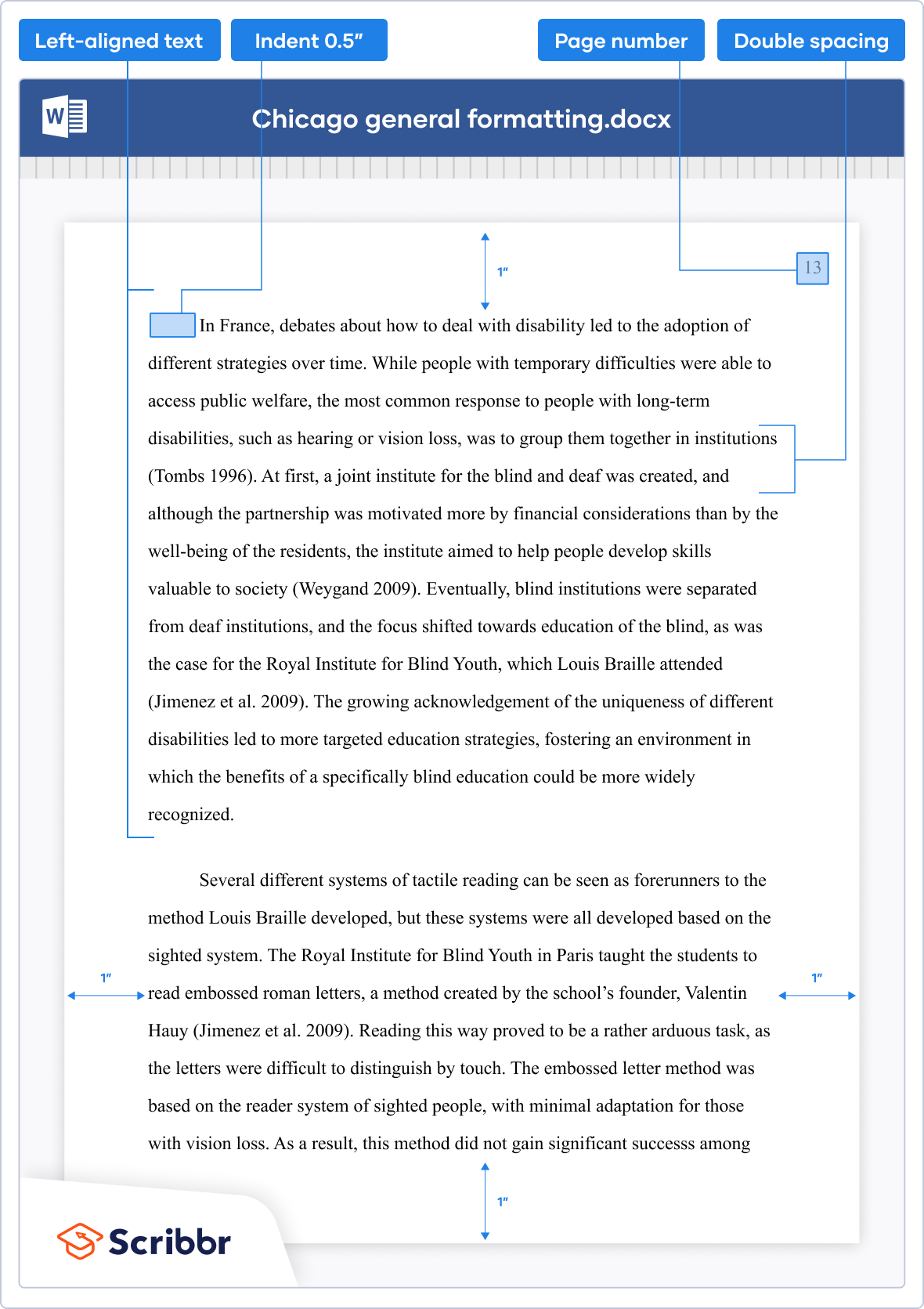
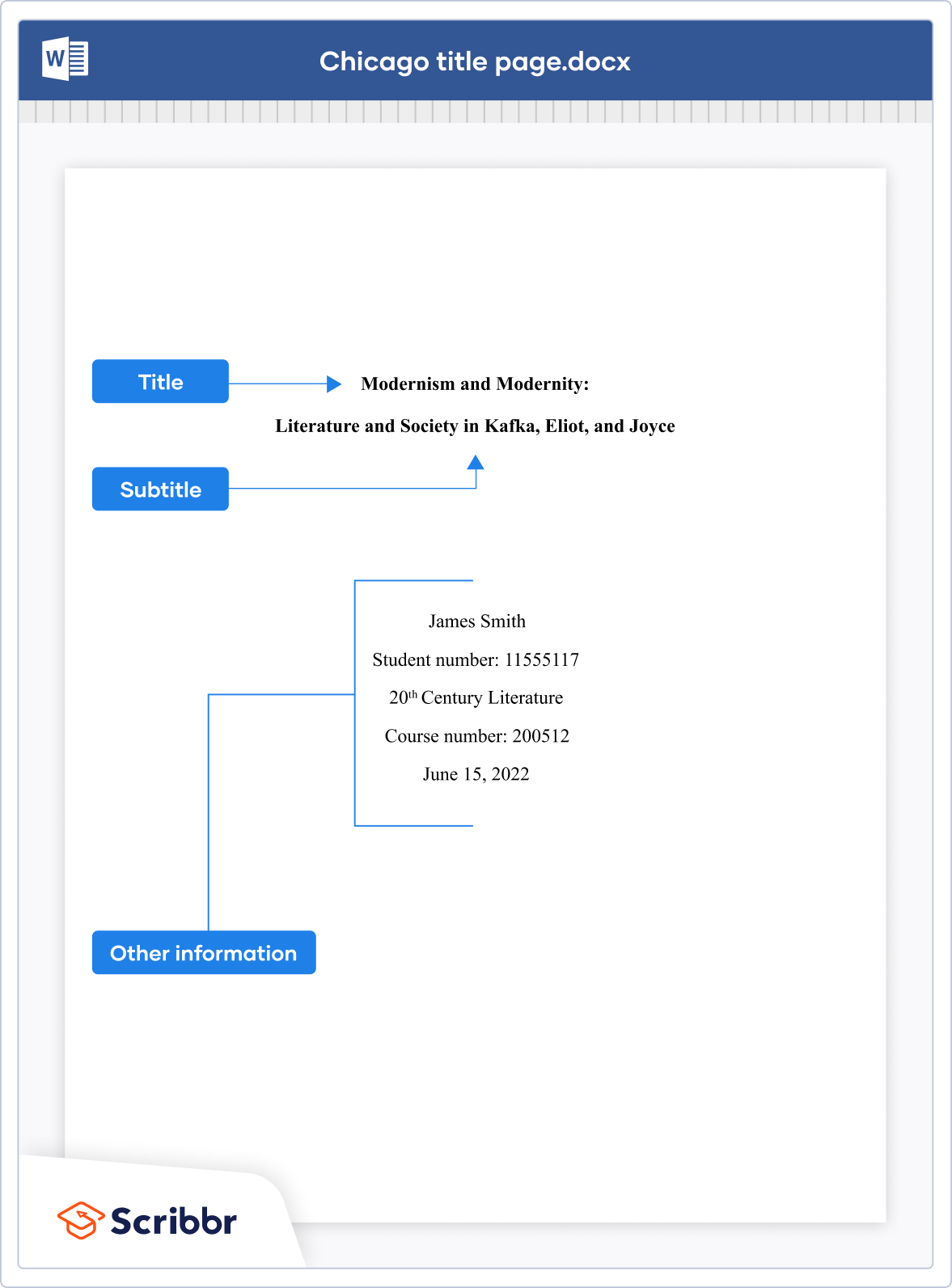
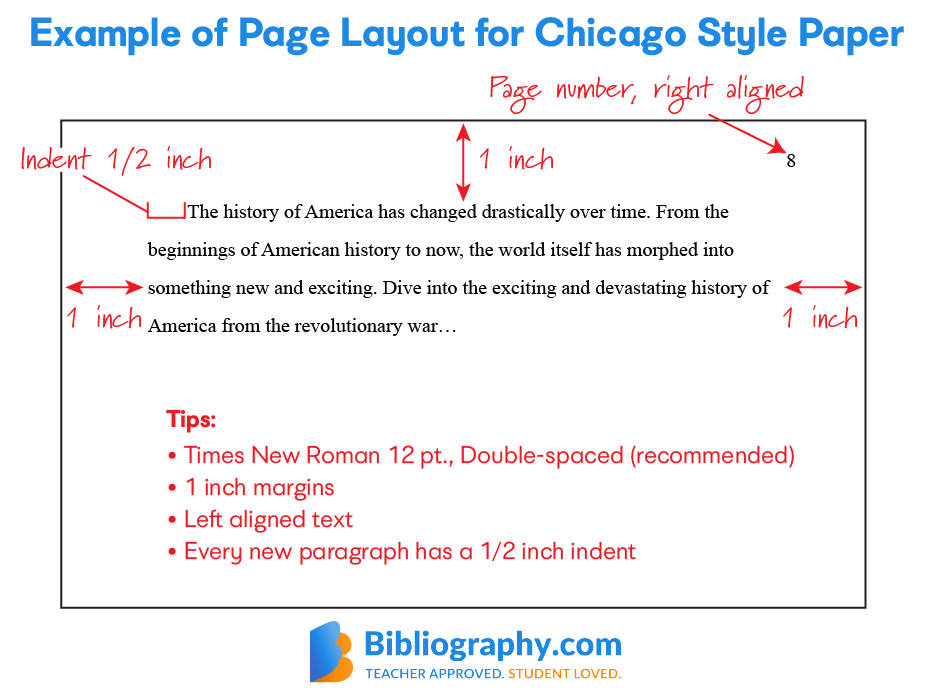
Chicago Style isn’t solely about how to cite. It also encompasses a set of guidelines for manuscript preparation that promote clarity, consistency, and professionalism in writing. These guidelines cover various aspects of the writing process, from formatting headings and subheadings to presenting tables and figures.
Structuring Your Work for Readability
The way a document is structured significantly impacts how easily readers can absorb information. Chicago Style offers recommendations for organizing content logically, often through a clear hierarchy of headings and subheadings.
Headings and Subheadings: These act as signposts, guiding the reader through the text and indicating the topic of each section. For example, in an article about luxury hotels in Paris, you might have a main heading like:
The Ultimate Guide to Luxury Hotels in Paris
Followed by subheading levels:
Five-Star Resorts with Unforgettable Views
Boutique Hotels in the Marais District
Amenities and Services to Expect
This structured approach not only makes the content easier to navigate but also demonstrates a clear and organized thought process. This is crucial for travel guides that often cover multiple destinations, hotels, or activities, such as detailing the best resorts in Bali or outlining family-friendly attractions in Orlando.
Tables, Figures, and Illustrations
When presenting data, statistics, or visual information, Chicago Style provides specific guidance on how to format and label these elements. This ensures consistency and clarity across different publications.
Tables: Tables should be clearly labeled with a title and number (e.g., Table 1. Average Hotel Prices in Major European Cities). Column and row headings should be concise and informative.
Figures: Figures, which can include charts, graphs, maps, or photographs, should also be numbered and titled (e.g., Figure 1. Tourist Arrivals in Thailand, 2015-2023). Captions should provide enough information for the figure to be understood independently.
For a travel writer analyzing the economic impact of tourism in a region, presenting data in well-formatted tables and figures can make complex information more accessible. For instance, a comparison of hotel rates across different cities or a breakdown of tourism revenue for various attractions can be powerfully conveyed through these visual aids, all while adhering to stylistic standards for professionalism.
Language and Tone
While not as prescriptive as its citation rules, Chicago Style generally encourages clear, concise, and precise language. For writers in the travel and lifestyle space, this means:
- Avoiding jargon: Unless writing for a specialized audience, use language that is easily understood by a broad readership.
- Maintaining a consistent tone: Whether the piece is informative, persuasive, or narrative, the tone should remain consistent throughout.
- Proofreading meticulously: Errors in grammar, spelling, and punctuation can undermine credibility.
For a travel blog post about an adventure in the Amazon Rainforest, maintaining clarity about safety protocols or ecological facts is paramount. Using precise language ensures that readers receive accurate information, fostering trust and encouraging responsible travel.
The Relevance of Chicago Style to Modern Travel and Lifestyle Content
The principles embedded within the Chicago Style format extend far beyond the confines of academia. In the digital age, where content creation is more accessible than ever, the need for well-researched, clearly presented, and properly attributed information is paramount for building authority and engaging an audience.
Enhancing Credibility in Travel Narratives
When readers consume travel content, whether it’s a review of a boutique hotel in Florence, a guide to hiking in Patagonia, or an article about the historical significance of Angkor Wat, they are looking for trustworthy information. By adopting Chicago Style principles, writers can significantly enhance their credibility.
Imagine a travel blogger writing about their experience in a particular resort. If they cite statistics about customer satisfaction, mention the historical context of the resort’s location, or quote expert opinions on the resort’s amenities, using a citation system ensures that these claims are backed by evidence. This not only builds trust with the reader but also helps to differentiate well-researched content from mere opinion. This is particularly important when discussing sensitive topics like local customs, health advice for travelers, or the environmental impact of tourism in delicate ecosystems.
Streamlining Content Creation for Various Platforms
The flexibility of Chicago Style, particularly the Author-Date system, makes it adaptable for various digital platforms. Blog posts, online articles, and even social media content can benefit from a structured approach to information presentation.
For a travel website featuring guides to different cities, such as Rome, Tokyo, or Sydney, maintaining consistency in how information is presented – from restaurant recommendations to transportation tips – is key to a positive user experience. Using a consistent citation style, even in a simplified form, helps create a sense of order and reliability. When a website compares different tour operators or reviews numerous apartments, clear attribution of where information was sourced (e.g., from official tourism websites, booking platforms, or academic studies) adds a layer of professionalism.
Supporting Deeper Exploration and Learning
For readers interested in delving deeper into a particular destination or topic, the presence of clear citations and bibliographies provides a roadmap for further research. If a reader is captivated by a discussion on the architectural marvels of Barcelona, the references provided by the author can lead them to books or articles that offer more detailed insights.
This is especially true for content focused on enriching travel experiences. An article exploring the history of New Orleans‘ jazz scene, for instance, might cite musical historians or ethnographic studies. The inclusion of such sources empowers the reader to continue their exploration, turning a simple travel read into a springboard for genuine learning and cultural immersion. This philosophy aligns perfectly with the ethos of travel: to explore, understand, and grow.
In essence, while the term “Chicago Style Format” might sound academic, its underlying principles of clear attribution, logical organization, and precise language are invaluable tools for anyone aiming to create compelling, credible, and impactful content in the dynamic world of travel, tourism, and lifestyle. By embracing these conventions, writers can transform their narratives into authoritative resources that inspire, inform, and endure.
LifeOutOfTheBox is a participant in the Amazon Services LLC Associates Program, an affiliate advertising program designed to provide a means for sites to earn advertising fees by advertising and linking to Amazon.com. Amazon, the Amazon logo, AmazonSupply, and the AmazonSupply logo are trademarks of Amazon.com, Inc. or its affiliates. As an Amazon Associate we earn affiliate commissions from qualifying purchases.