
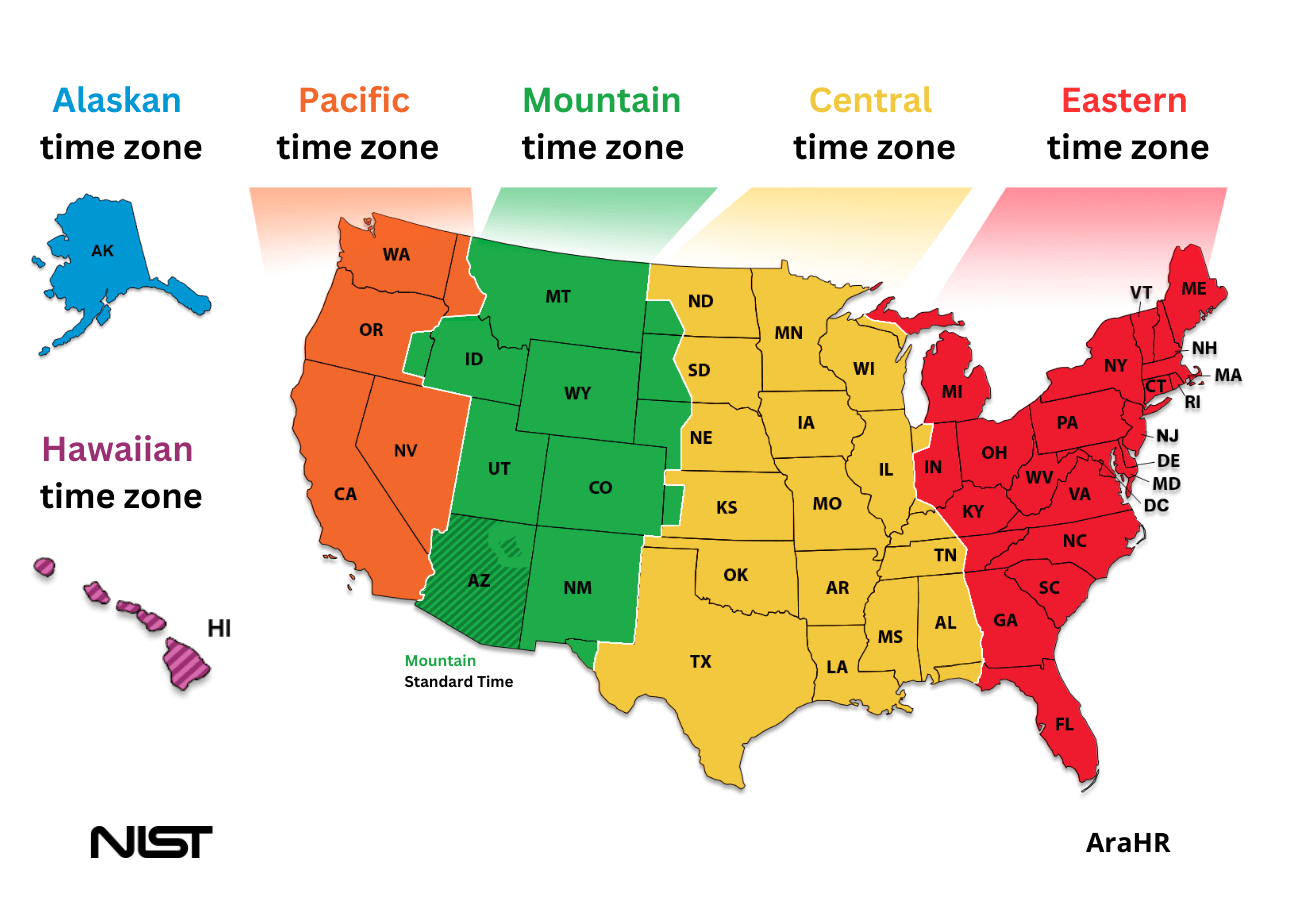
For any traveler embarking on an adventure to the vibrant metropolis of Chicago, one of the fundamental pieces of information to ascertain is its time zone. Understanding this seemingly minor detail can profoundly impact everything from flight schedules and hotel check-ins to planning a day of sightseeing and coordinating business meetings. So, to cut straight to the chase: Chicago proudly observes the Central Time Zone (CT).
This means that during standard time, Chicago operates on Central Standard Time (CST), which is UTC-6, placing it six hours behind Coordinated Universal Time. However, like much of the United States, Chicago also participates in Daylight Saving Time (DST). When DST is in effect, the city switches to Central Daylight Time (CDT), moving one hour forward to UTC-5. This twice-yearly shift is a crucial detail for anyone planning their visit, influencing everything from the available daylight hours for exploration to the timing of your remote calls if you’re a business traveler. Navigating Chicago’s time zone seamlessly is key to a stress-free and enjoyable travel experience, allowing you to immerse yourself fully in the city’s unique culture, iconic landmarks, and dynamic lifestyle.

Decoding Central Time: A Guide to Chicago’s Chronology
Understanding the nuances of the Central Time Zone is essential for any visitor to Chicago. It’s not just about knowing the current time; it’s about grasping the rhythm that dictates daily life in this bustling city, from when businesses open to when the sun sets over Lake Michigan.
Central Standard Time (CST) vs. Central Daylight Time (CDT)
The Central Time Zone encompasses a broad swath of North America, but for Chicago, the focus is on the annual shift between Central Standard Time (CST) and Central Daylight Time (CDT).
Central Standard Time (CST) is the baseline, observed typically from early November to mid-March. During this period, Chicago is UTC-6, meaning it is six hours behind Coordinated Universal Time. This phase generally corresponds with the colder months, where daylight hours are shorter. For travelers arriving during CST, mornings will start earlier in terms of sunrise, and evenings will descend sooner, which can be an important consideration for outdoor activities or evening plans.
Central Daylight Time (CDT) kicks in during mid-March and lasts until early November. This is when the famous “spring forward” occurs, and clocks are advanced by one hour. Consequently, Chicago shifts to UTC-5. The purpose of Daylight Saving Time is to make better use of natural daylight, pushing an hour of daylight from the morning into the evening. This means longer, brighter evenings during the spring, summer, and early autumn months – a huge benefit for tourists eager to explore Chicago’s outdoor attractions, dine alfresco, or simply enjoy a leisurely stroll along the river.
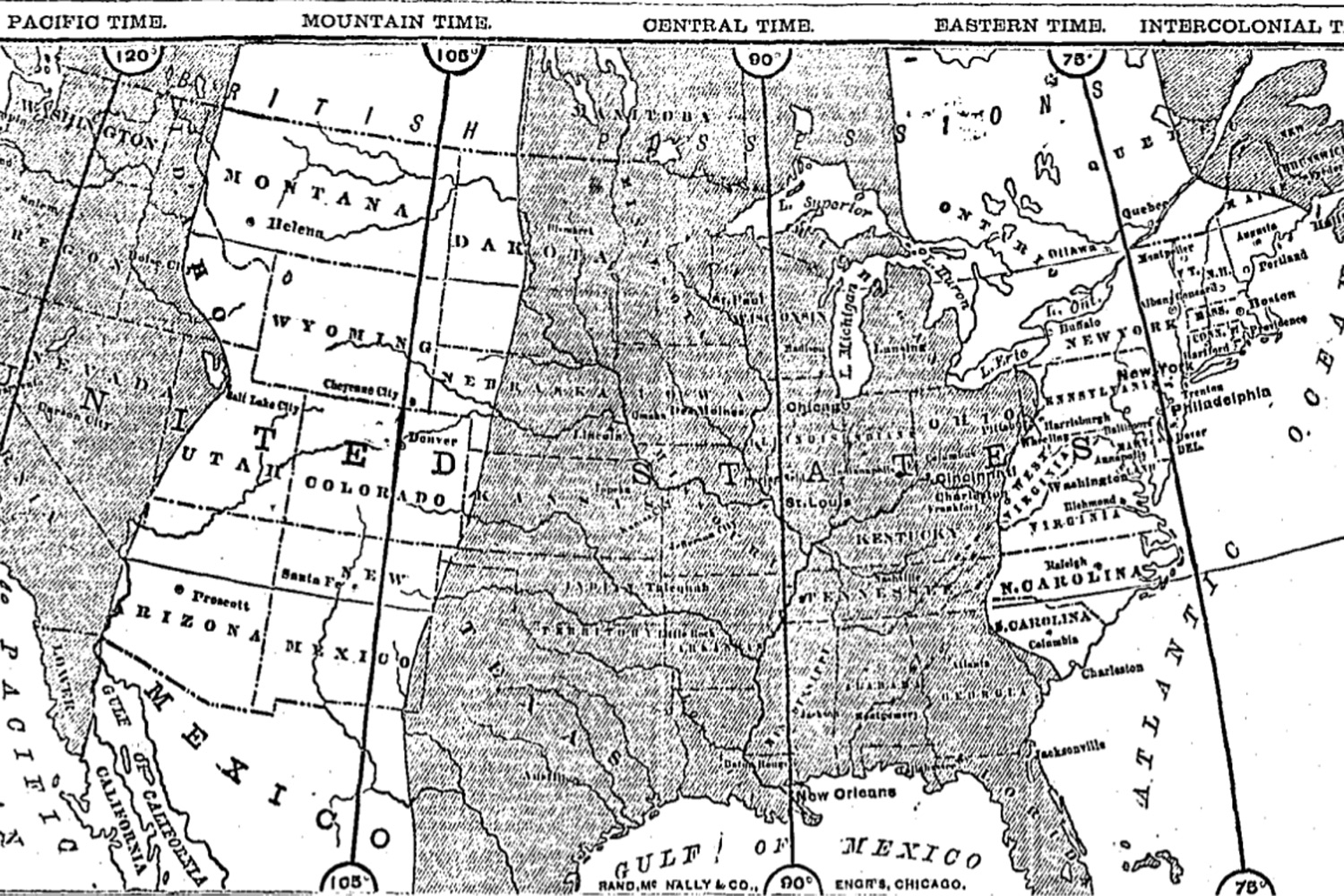
The Impact of Daylight Saving Time on Your Chicago Visit
The change between CST and CDT is more than just a numerical adjustment; it significantly influences the visitor experience.
During CDT (roughly March to November), the extended daylight hours transform Chicago. Imagine enjoying a panoramic sunset from the Willis Tower Skydeck at 8 PM, or taking a scenic Chicago Architecture Foundation Center River Cruise well into the evening. Outdoor festivals like Lollapalooza in Grant Park thrive under these conditions, with concerts and activities extending into what feels like endless summer nights. For those visiting Millennium Park to see “The Bean” or spending time at Navy Pier, the extra hour of daylight provides more flexibility and a more relaxed pace for sightseeing. It can also help mitigate jet lag for travelers coming from time zones further west, as their internal clocks might find the later sunset more aligned with their previous routine.
Conversely, during CST (roughly November to March), the earlier sunsets mean planning your outdoor activities accordingly. While Chicago is renowned for its indoor attractions like the Art Institute of Chicago and the Museum Campus (home to the Field Museum, Shedd Aquarium, and Adler Planetarium), outdoor exploration might need to be concentrated earlier in the day. Winter festivities, such as ZooLights at Lincoln Park Zoo, beautifully utilize the early darkness, creating magical illuminated experiences. Travelers from regions that do not observe Daylight Saving Time should pay particular attention to these shifts to avoid confusion. Always verify the current time setting for Chicago around your travel dates to ensure your plans align perfectly with the city’s clock.
Travel Planning and Time Management: Making the Most of Your Chicago Trip
Effective time management is paramount for any successful trip, and understanding Chicago’s time zone is the first step toward a flawlessly executed itinerary. From the moment your flight lands to your final curtain call at a historic theater, every minute counts.
Flights, Arrivals, and Beating Jet Lag
Traveling across time zones can be taxing, and preparing for the shift to Central Time is crucial for a smooth arrival.
For domestic travelers, the adjustment might be minor. Visitors from the Eastern Time Zone (ET), for instance, will gain an hour upon arrival in Chicago, which can feel like a pleasant bonus, offering an extra hour of evening exploration. Conversely, those coming from the Mountain Time Zone (MT) will lose an hour, while travelers from the Pacific Time Zone (PT) will experience a two-hour loss. The impact of these shifts needs to be factored into your flight bookings and transfer times from O’Hare International Airport or Midway International Airport. Scheduling an afternoon flight from the west coast, for example, might mean arriving in Chicago closer to dinner time than you anticipate, potentially affecting initial plans.
International travelers, especially those crossing multiple time zones, will need to pay even closer attention to combat jet lag. Tips include adjusting your sleep schedule gradually before departure, staying hydrated during the flight, exposing yourself to natural light upon arrival, and resisting the urge to nap for too long. Try to align your meal times with Chicago’s local schedule as soon as possible. Remember that official arrival and departure times for flights, as well as airport services, are always listed in the local time of the respective airport, so double-check your itinerary carefully.
Optimizing Your Itinerary: Attractions, Dining, and Events
Once you’ve adjusted to the local time, you can strategically plan your days to maximize your experience in the Windy City.
Popular attractions, such as the Art Institute of Chicago or the Field Museum, often open their doors between 9:00 AM and 10:00 AM CT. Arriving shortly after opening can help you beat the crowds, especially during peak tourist seasons. For iconic viewpoints like the Willis Tower Skydeck or 360 Chicago at the John Hancock Center, knowing the sunset time (which varies significantly between CST and CDT) will allow you to plan for breathtaking golden hour views.
Dining reservations are another area where Central Time is critical. Chicagoans tend to dine relatively early compared to some other major cities, with peak dinner hours typically between 7:00 PM and 9:00 PM CT. If you’re coming from a later dining culture, you might find popular restaurants already fully booked if you wait too long. Brunch culture is also very strong in Chicago on weekends, with popular spots filling up quickly from 10:00 AM onwards.
For sports enthusiasts, catching a game means adhering strictly to the local schedule. Whether you’re hoping to see the Chicago Cubs play at Wrigley Field, the Chicago White Sox at Guaranteed Rate Field, or the Chicago Bulls or Chicago Blackhawks electrifying the United Center, start times are always listed in CT. Similarly, performances at the historic Chicago Theatre or the acclaimed Goodman Theatre will have specific start times in local Chicago time. Always confirm event schedules against the correct local time to avoid missing out on these quintessential Chicago experiences.
Accommodation and Lifestyle in the Windy City: Adjusting to CT
Integrating into the rhythm of Chicago extends beyond simply knowing the time; it involves understanding how the Central Time Zone influences daily operations for accommodations and the general lifestyle of the city.
Hotel Check-ins, Check-outs, and Business Stays
When booking your stay, remember that all quoted times for hotels, from check-in to check-out, are in local Chicago time. Standard check-in times typically range from 3:00 PM to 4:00 PM CT, while check-out is usually between 11:00 AM and 12:00 PM CT. Arriving too early or departing too late without prior arrangements can lead to additional fees or waiting times, especially if you’re coming from a time zone that makes your body clock feel out of sync. Many high-end establishments like The Langham Chicago or Four Seasons Hotel Chicago offer flexibility, but it’s always best to communicate your needs in advance. For those staying at larger convention-focused hotels like the Hyatt Regency Chicago, adhering to these times helps ensure smooth operations for thousands of guests.
For business travelers, managing schedules across different time zones is a constant challenge. If you’re based in New York City (ET) and have a 9:00 AM meeting in Chicago (CT), that’s effectively a 10:00 AM meeting for your East Coast colleagues. Conversely, if you’re coordinating with teams in Los Angeles (PT), your 9:00 AM Chicago meeting is a very early 7:00 AM for them. Clear communication about time zones for conference calls and deadlines is critical to avoid miscommunications and ensure productivity during your business trip to Illinois.
Experiencing Chicago’s Local Rhythms
Chicago’s vibrant lifestyle is deeply intertwined with its time zone. The city comes alive at different hours depending on the season and the local observance of Daylight Saving Time.
During the longer days of Central Daylight Time, the city’s outdoor spaces are maximized. The Magnificent Mile for shopping, strolls along the Chicago Riverwalk, and evening dining with views of the skyline become extended pleasures. Residents and visitors alike embrace the extra daylight to enjoy post-work or post-sightseeing activities. The nightlife kicks off later, with bars and entertainment venues staying open well into the early hours, offering everything from live jazz to dance clubs.
In the shorter days of Central Standard Time, the focus shifts slightly to indoor entertainment and cozy experiences. The theatre district, with its array of Broadway-in-Chicago productions, becomes a popular evening draw, often with early showtimes to accommodate the earlier darkness. Museums and galleries offer warmth and intellectual stimulation. The city’s famed culinary scene continues to thrive, providing comfort food and fine dining experiences regardless of the weather or time outside. Understanding these seasonal and temporal rhythms allows you to plan activities that truly align with the local flow, ensuring a more authentic and enjoyable visit.
Iconic Chicago Landmarks and Activities Through the Lens of Time
Chicago’s status as a global hub for architecture, art, and culture means there’s an endless array of landmarks and activities to explore. How you experience them can often be enhanced by a thoughtful consideration of the local time.
Dawn to Dusk: Experiencing Chicago’s Attractions
From the moment the sun peeks over the horizon to when the city lights twinkle against the night sky, Chicago offers distinct experiences tied to the clock.
Mornings in Chicago can be magical. Imagine catching the sunrise from the Willis Tower Skydeck or 360 Chicago at the John Hancock Center – an unforgettable panoramic vista that shifts with the light. Early birds can also enjoy quieter moments at popular spots like Millennium Park, getting unobstructed photos with “The Bean” (Cloud Gate) before the crowds arrive. Museums, such as the Art Institute of Chicago or the institutions within the Museum Campus (Field Museum, Shedd Aquarium, Adler Planetarium), are best explored in the late morning, allowing you ample time before the afternoon rush.
Afternoons are perfect for extended exploration. Take a leisurely stroll along the Chicago Riverwalk, indulge in retail therapy on the Magnificent Mile, or delve into the vibrant neighborhoods. An afternoon Chicago Architecture Foundation Center River Cruise provides unparalleled views of the city’s renowned architecture under natural light.
Evenings in Chicago come alive with a different energy. Sunset cruises on Lake Michigan or the Chicago River offer stunning views as the skyline lights up. Dinner reservations at one of the city’s Michelin-starred restaurants or a deep-dish pizza joint are central to the evening experience. Catching a show at the historic Chicago Theatre or a live music performance at a blues club truly encapsulates the city’s nocturnal charm. The longer evenings during Central Daylight Time are particularly advantageous for these activities, allowing for a more relaxed transition from daytime exploration to nighttime entertainment.
Seasonal Time Considerations for Your Visit
The time of year you visit Chicago will also significantly impact your experience relative to the clock.
Summer (CDT): Characterized by long, bright days, summer is prime time for outdoor activities. From enjoying the beaches along Lake Michigan to attending outdoor concerts and festivals like Lollapalooza in Grant Park, the extended daylight allows for packed itineraries and late-night adventures. This is when Chicago truly embraces its outdoor persona.
Winter (CST): With shorter days and earlier sunsets, winter in Chicago focuses on cozy indoor attractions and festive light displays. Events like ZooLights at Lincoln Park Zoo take full advantage of the early darkness, creating enchanting atmospheres. It’s the perfect season for exploring museums, indulging in the city’s culinary scene, and enjoying theatre performances without feeling rushed by the setting sun.
Spring and Autumn (transitioning between CST and CDT): These shoulder seasons offer a balance. Spring sees the city “springing forward” into longer days, ideal for watching the city reawaken with blooming flowers and the reopening of seasonal attractions. Autumn, with its beautiful foliage and “falling back” of the clocks, provides crisp days for exploring parks and enjoying harvest festivals before the onset of winter. Understanding these seasonal time shifts ensures you can tailor your visit to the specific experiences you desire, from sun-drenched architectural cruises to festive winter evenings.
In conclusion, while “What is Chicago’s timezone?” might seem like a simple question, its answer – Central Time, with its Daylight Saving Time adjustments – is fundamental to crafting a memorable and seamless travel experience. By factoring in these temporal nuances, visitors can master their itinerary, mitigate travel fatigue, and truly embrace the vibrant rhythm of the Windy City, ensuring every moment of their journey is enjoyed to the fullest.
LifeOutOfTheBox is a participant in the Amazon Services LLC Associates Program, an affiliate advertising program designed to provide a means for sites to earn advertising fees by advertising and linking to Amazon.com. Amazon, the Amazon logo, AmazonSupply, and the AmazonSupply logo are trademarks of Amazon.com, Inc. or its affiliates. As an Amazon Associate we earn affiliate commissions from qualifying purchases.