
Imagine a dish so deeply rooted in the culinary landscape of a region that its name alone evokes a sense of warmth, spice, and heritage. That dish is Chile Colorado, a quintessential staple of Mexican and American Southwest cuisine that offers far more than just a meal—it presents an immersive cultural experience. For travelers and food enthusiasts alike, understanding Chile Colorado is key to unlocking the vibrant flavors and traditions of these fascinating destinations.
At its core, Chile Colorado translates directly to “red chili,” a fitting moniker for a rich, savory stew characterized by its distinctive reddish-brown hue derived from a blend of dried red chiles. Unlike its verdant cousin, Chile Verde, which relies on fresh green chiles, Chile Colorado harnesses the complex, earthy notes of ripened, dried peppers, often simmered with tender pieces of pork or beef. It’s a dish that speaks volumes about the ingenuity of regional cooking, transforming humble ingredients into something truly extraordinary. Whether you’re exploring bustling markets, dining in a traditional hacienda, or seeking a luxurious culinary experience at a five-star resort, Chile Colorado is a testament to the profound connection between food, travel, and local culture. This article will delve into the origins, ingredients, and the best ways to experience this iconic dish, guiding you through its significance in the world of tourism and lifestyle.
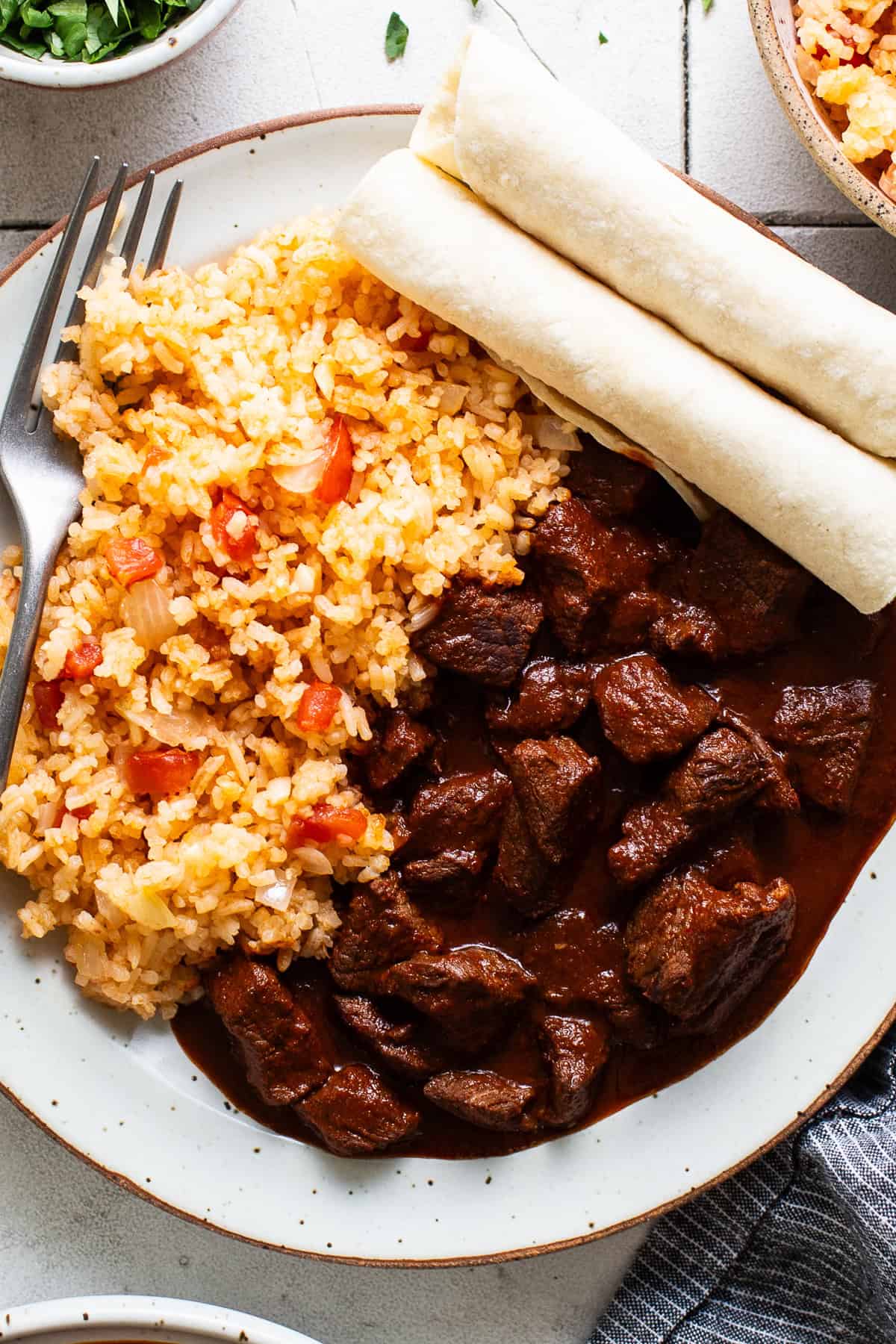
The Heart of Mexican and Southwestern Cuisine
Chile Colorado is not merely a dish; it’s a culinary emblem, reflecting centuries of gastronomic evolution in Mexico and the American Southwest. Its presence on menus from Sonora to New Mexico is a testament to its enduring popularity and adaptability, evolving slightly from region to region while maintaining its core identity. For travelers dedicated to authentic cultural immersion, understanding this dish is as crucial as visiting historical landmarks or engaging with local traditions. It offers a tangible link to the past, a taste of the land, and an insight into the daily lives of the communities that cherish it.
A Culinary Journey Through History and Culture
The roots of Chile Colorado stretch back to pre-Columbian times, when indigenous peoples across Mesoamerica cultivated and utilized various chiles as a foundational element of their diet. With the arrival of the Spanish, European ingredients like pork and beef were introduced, gradually integrating into existing culinary practices. This fusion gave birth to many of the complex stews and braises we recognize today, with Chile Colorado standing out as a prime example of this historical blend.
Each region that claims Chile Colorado has subtly imprinted its own character upon the dish. In central Mexico, particularly in states like Puebla or Oaxaca, the sauce might be more intricate, incorporating a wider array of chiles and spices, often leaning towards a deeper, more profound savoriness with hints of chocolate or nuts in some mole-like variations. Here, it’s often served with tortillas and rice, a comforting meal found in bustling markets and family kitchens.
Crossing the border into the American Southwest, specifically in New Mexico, Arizona, and California, Chile Colorado takes on distinct regional identities. In New Mexico, it is an absolute icon. The dish is almost exclusively made with local New Mexico red chile pods, famed for their earthy, slightly sweet flavor with varying degrees of heat. Here, it’s not uncommon to find “red chile” served over enchiladas, burritos, or as a standalone stew, often accompanied by beans and posole. The simplicity highlights the quality of the local chiles, which are often harvested in places like Hatch, a town synonymous with chile cultivation.
In Arizona and southern California, the preparation might lean towards a slightly thicker sauce, often featuring a blend of dried chiles that can include Ancho, Guajillo, and Pasilla peppers, giving it a smokier profile. The meat tends to be slow-cooked to fork-tender perfection, allowing it to fully absorb the rich flavors of the sauce. For travelers seeking a truly authentic experience, venturing into the local eateries in cities like Santa Fe, Albuquerque, San Antonio, or Los Angeles provides a direct link to these historical and cultural narratives, one delicious bite at a time. It’s a dish that transcends mere sustenance, becoming a landmark of culinary tradition itself.
Unpacking the Key Ingredients
The magic of Chile Colorado lies in its deceptively simple yet profoundly flavorful ingredient list, with dried red chiles as the undisputed star. These chiles are not just about heat; they provide depth, color, and a unique aroma that defines the dish.
The primary chiles used vary by region, but common choices include:
- Ancho Chiles: These are dried Poblano peppers, known for their mild heat and rich, fruity, somewhat smoky flavor. They contribute significantly to the deep red color and robust body of the sauce.
- Guajillo Chiles: With a moderate heat level, Guajillo chiles offer a bright, tangy flavor with hints of green tea and berry. They add vibrancy and a slight sweetness to the sauce.
- Pasilla Chiles: These long, thin, dark chiles are known for their earthy, somewhat cocoa-like flavor and mild to medium heat. They add complexity and depth, contributing to the “black” element in the traditional “holy trinity” of Mexican chiles (Ancho, Guajillo, Pasilla).
- New Mexico red chile pods: Especially prominent in New Mexico, these chiles are specifically grown for their distinct earthy, sweet, and sometimes spicy flavor profile. They are often less smoky than the others, allowing their unique terroir to shine.
The process of preparing the chile sauce involves rehydrating these dried chiles, often by simmering them in water or broth, then blending them into a smooth purée. This purée is then typically strained to remove any tough skin or seeds, resulting in a velvety, concentrated liquid that forms the base of the stew.
Beyond the chiles, the other crucial component is the meat. Traditionally, Chile Colorado is made with pork, often cut into cubes from a shoulder or butt roast, which renders beautifully tender after slow simmering. Beef, particularly chuck roast or other cuts suitable for stewing, is also a popular choice, providing a heartier texture and flavor. The meat is typically browned first to develop a rich crust, then braised in the chile sauce until it’s fork-tender, absorbing all the aromatic spices and chile essence.
Aromatic vegetables such as onions and garlic are fundamental, forming the savory foundation for the sauce. Spices like cumin, oregano, and sometimes a touch of cloves or cinnamon are often included to add layers of warmth and complexity, balancing the chile’s heat and fruitiness. Some recipes might also incorporate a splash of vinegar or a squeeze of lime juice at the end to brighten the flavors, or a bit of masa harina to thicken the sauce further. The careful selection and preparation of these ingredients are what elevate Chile Colorado from a simple stew to a profound culinary statement, offering a journey for the senses with every spoonful.
Experiencing Chile Colorado as a Traveler
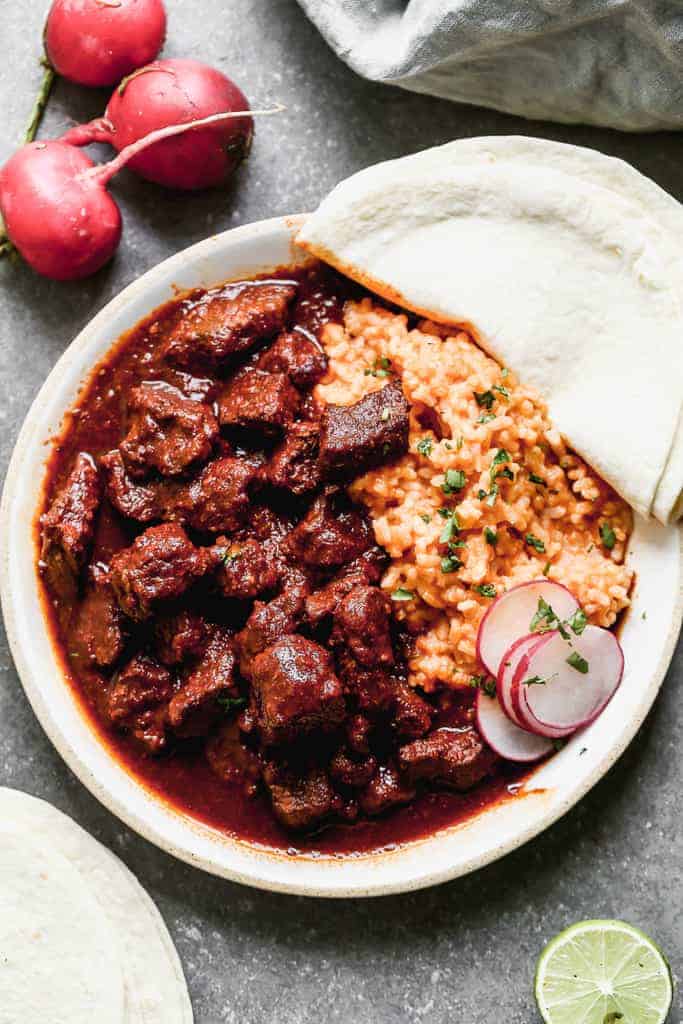
For the modern traveler, culinary exploration is an integral part of understanding a destination. Chile Colorado offers a perfect gateway to dive deep into local culture, connecting with regional traditions through the universal language of food. From humble street stalls to upscale dining rooms, seeking out this dish can lead to unforgettable travel experiences that cater to various lifestyles and budgets.
Where to Savor Authentic Chile Colorado
Discovering the best Chile Colorado is an adventure in itself, often leading travelers off the beaten path and into the heart of local communities. The most authentic experiences are frequently found in:
- Traditional Restaurants and Diners: In cities across Mexico and the American Southwest, look for family-run establishments, often referred to as “fondas” in Mexico or “mom-and-pop” diners in the U.S. These places pride themselves on time-honored recipes passed down through generations. In New Mexico, for example, nearly every local restaurant in Santa Fe or Albuquerque will feature a red chile dish, often as a smothering sauce for burritos, enchiladas, or huevos rancheros.
- Local Markets and Food Stalls: For budget-conscious travelers or those seeking a truly immersive experience, vibrant public markets are treasure troves of local cuisine. In places like Mexico City or Guadalajara, market vendors often sell small, inexpensive portions of Chile Colorado that are incredibly flavorful and provide a glimpse into everyday life. Similarly, in border towns and areas with strong Mexican influence in the American Southwest, street food stalls or small taquerias are excellent spots.
- Culinary Tours: Many travel destinations now offer specialized food tours that focus on regional specialties. These tours are fantastic for first-time visitors, as knowledgeable local guides can lead you directly to the best spots, explain the history of the dishes, and often offer exclusive insights into the cooking process. A culinary tour in Oaxaca, for instance, might not focus exclusively on Chile Colorado but will certainly highlight the importance of chiles in general Mexican cuisine.
- Home Cooking Experiences: For the ultimate authentic encounter, some tour operators and local hosts offer home-based cooking classes where you can learn to prepare Chile Colorado from scratch. This not only allows you to taste the dish in its most traditional setting but also gives you a practical skill to bring home.
When seeking out Chile Colorado, remember that quality can vary. Look for places that emphasize fresh, locally sourced ingredients and slow-cooking methods. Don’t be afraid to ask locals for recommendations; their insights are often the best guide to a truly memorable meal.
Elevating Your Culinary Adventure: Hotels and Resorts Offering Gastronomic Delights
For travelers who prefer a more luxurious approach to their culinary explorations, many high-end hotels and resorts in Mexico and the American Southwest have embraced the rich gastronomic traditions of their locales. These establishments often integrate Chile Colorado into their fine dining menus, offering sophisticated interpretations of the classic dish.
- Gourmet Hotel Restaurants: Resorts like the Four Seasons in Punta Mita or the Ritz-Carlton in Cancun often feature restaurants that blend traditional Mexican flavors with contemporary culinary techniques. Here, Chile Colorado might be presented with premium cuts of meat, artistically plated, and paired with exquisite local wines or craft cocktails. Similarly, luxury hotels in Santa Fe or Scottsdale will showcase elevated versions using locally famous New Mexico red chile or Arizona ingredients.
- Culinary Packages and Experiences: Many upscale accommodations offer special culinary packages designed for foodies. These might include cooking classes led by renowned chefs, private dining experiences, or curated food tours. Imagine learning to prepare Chile Colorado in a stunning resort kitchen, followed by a tasting of your creation paired with regional specialties. Some resorts even have dedicated “farm-to-table” programs that source ingredients directly from local producers, ensuring the highest quality and authenticity.
- Boutique Hotels with Authentic Charm: Beyond large resorts, many boutique hotels in historical cities pride themselves on offering a deeply local experience, extending to their dining. A stay at a charming hacienda-style hotel in San Miguel de Allende or a historic inn in San Antonio could mean enjoying a delicious Chile Colorado prepared with the same care and tradition as if you were in a local home. These establishments often emphasize local culture and authentic cuisine as part of their unique appeal, catering to travelers seeking both comfort and cultural immersion.
- Resort Amenities Focused on Local Culture: Some resorts go further by offering activities that showcase local culture, including demonstrations of traditional cooking techniques or visits to local markets to learn about ingredients, such as different varieties of chiles. These experiences provide a comprehensive understanding of dishes like Chile Colorado within the broader context of the region’s heritage.
Whether you’re a budget traveler exploring vibrant street food scenes or a luxury enthusiast indulging in gourmet interpretations, the journey to savor Chile Colorado offers diverse avenues for an enriching and delicious travel experience.
Beyond the Plate: Chile Colorado and the Travel Lifestyle
Chile Colorado is more than just a meal; it’s a window into the agricultural practices, communal traditions, and sustainable living that define much of the Mexican and American Southwest lifestyle. For the conscious traveler, understanding the journey of the chile from farm to table enhances the appreciation for the dish and the destinations it represents. It speaks to a broader lifestyle choice of seeking authentic, meaningful connections during travel.
From Farm to Table: Understanding the Source
The story of Chile Colorado truly begins in the fields where the chiles are cultivated. This journey from farm to table is an essential aspect of its identity and provides a fascinating insight into local economies and agricultural traditions.
- Chile Farms and Agricultural Tourism: Regions renowned for their chile production, such as the Hatch Valley in New Mexico or parts of Chihuahua, Mexico, actively invite tourists to experience the chile harvest. Travelers can visit working farms, learn about the cultivation process, and even participate in picking chiles during the harvest season (typically late summer to early fall). This direct engagement offers a profound connection to the ingredients that make Chile Colorado so special. Many farms offer tours, tastings, and opportunities to purchase freshly picked or dried chiles directly from the source, supporting local farmers.
- Local Markets and Community Hubs: Beyond the farms, local markets serve as crucial intermediaries, bringing the harvested chiles and other fresh ingredients to consumers and restaurants. These bustling hubs are not just places to shop; they are vibrant cultural landmarks where communities gather, stories are shared, and culinary traditions are kept alive. Exploring a traditional market allows travelers to see the diverse array of dried chiles available, understand their significance in local cuisine, and witness the direct impact of agriculture on daily life. It’s an immersive experience for those interested in sustainable tourism and supporting local economies.
- Sustainable Practices and Terroir: The emphasis on specific chile varieties, such as the New Mexico red chile, highlights the concept of terroir – how the local environment (soil, climate, traditional farming methods) imparts unique characteristics to the produce. This focus on local and seasonal ingredients is a cornerstone of sustainable culinary practices, aligning perfectly with the values of many modern travelers who seek ethical and environmentally conscious experiences. Experiencing Chile Colorado often means savoring the distinct flavors of a specific region, grown and prepared with respect for the land.
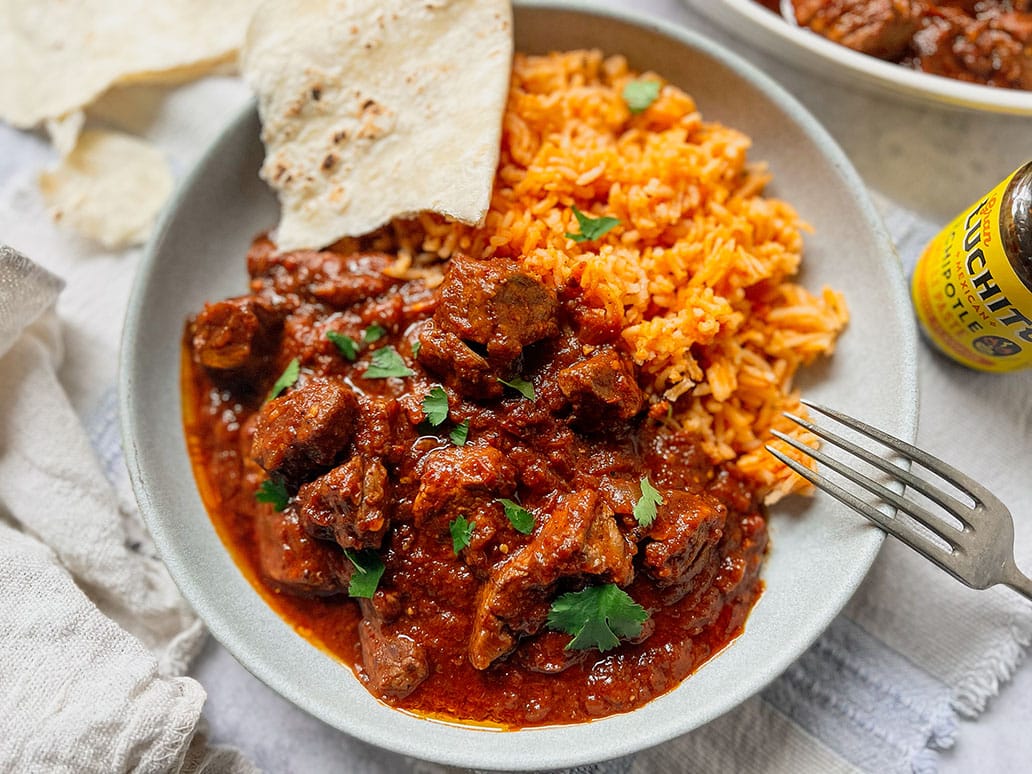
Bringing the Flavor Home: Culinary Souvenirs and Experiences
The enjoyment of Chile Colorado doesn’t have to end when your trip does. For many travelers, the desire to recreate beloved dishes at home is a powerful motivator, leading to the collection of culinary souvenirs and continued learning.
- Cooking Classes and Workshops: As mentioned earlier, participating in a cooking class is an excellent way to deepen your understanding and appreciation for Chile Colorado. Many destinations offer workshops ranging from half-day sessions in local homes to multi-day culinary retreats at luxury resorts. These classes provide hands-on experience in preparing the chile sauce, cooking the meat, and often include tips on sourcing ingredients and understanding flavor profiles. It’s an interactive way to learn about local culture and acquire new skills.
- Purchasing Authentic Ingredients: Bringing home dried chiles (Ancho, Guajillo, Pasilla, or New Mexico red chile pods) from local markets is perhaps the most direct way to transport the flavors of Chile Colorado back to your own kitchen. Many markets sell them by the pound, often braided into decorative “ristras” that make for beautiful and aromatic souvenirs. Local spice blends and ready-to-use chile pastes are also popular choices.
- Cookbooks and Recipes: Collecting regional cookbooks is another wonderful way to preserve the culinary memories of your travels. These often contain traditional recipes for Chile Colorado and other local specialties, along with stories and cultural context that enrich the cooking experience. Online resources and food blogs dedicated to Mexican and Southwestern cuisine also offer a wealth of recipes and tips.
- Sharing the Experience: Ultimately, bringing the flavor home is about sharing the experience with friends and family. Hosting a dinner party featuring homemade Chile Colorado allows you to relive your travel memories, tell stories about the places you visited, and introduce others to the rich tapestry of flavors you discovered. It transforms a simple dish into a shared cultural narrative, fostering a deeper connection to the places and people encountered during your travels. This aspect reinforces the idea that travel is not just about visiting places, but about the experiences we gather and the stories we carry with us.
In conclusion, Chile Colorado is far more than a delicious stew; it’s a vibrant thread woven into the fabric of Mexican and American Southwest culture. From its historical origins and regional variations to its integral role in both humble street food and sophisticated resort dining, it offers a multifaceted experience for any traveler. By seeking out and savoring this iconic dish, you’re not just enjoying a meal—you’re embarking on a culinary journey that connects you deeply with the heart and soul of these remarkable destinations. So, on your next adventure, be sure to ask: “Where can I find the best Chile Colorado?”
LifeOutOfTheBox is a participant in the Amazon Services LLC Associates Program, an affiliate advertising program designed to provide a means for sites to earn advertising fees by advertising and linking to Amazon.com. Amazon, the Amazon logo, AmazonSupply, and the AmazonSupply logo are trademarks of Amazon.com, Inc. or its affiliates. As an Amazon Associate we earn affiliate commissions from qualifying purchases.