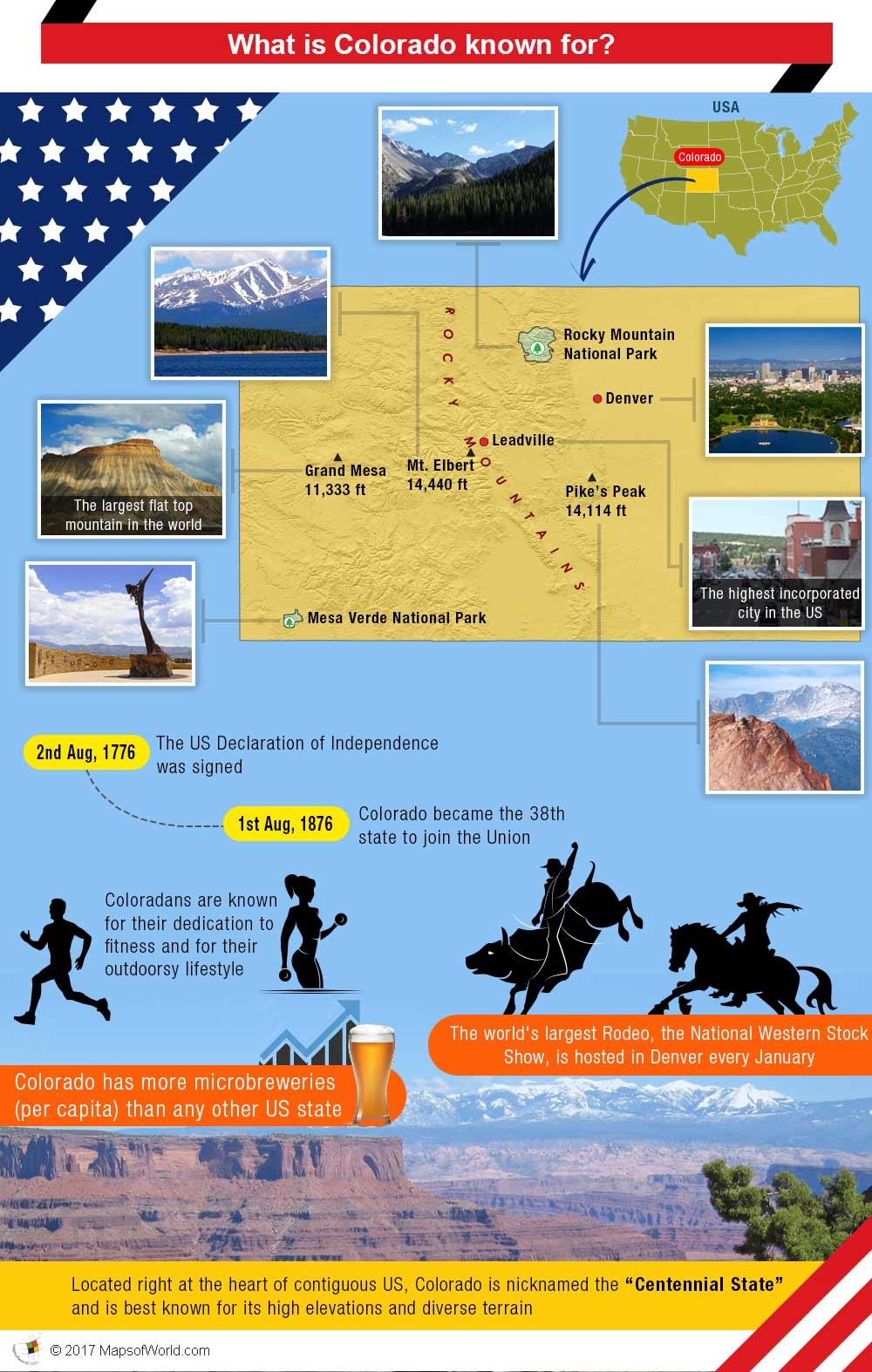
Colorado, often dubbed the “Centennial State,” stands as a beacon for adventurers, culture seekers, and those yearning for a profound connection with nature. Nestled in the heart of the United States, this majestic state is a tapestry woven with towering peaks, vibrant cities, ancient histories, and a pioneering spirit that echoes through its diverse landscapes. From world-class ski resorts to a thriving culinary scene, Colorado offers an unparalleled travel experience, catering to every lifestyle, from luxury escapes to budget-friendly family adventures.
For any traveler embarking on a journey to Colorado, understanding its unique characteristics is key to unlocking the full potential of their visit. This guide delves into the essence of what makes Colorado famous, exploring its iconic landmarks, cultural hotspots, thrilling activities, and essential travel insights.
The Majestic Embrace of Colorado’s Outdoors
At the very core of Colorado’s identity lies its spectacular natural environment. The state is synonymous with breathtaking vistas, pristine wilderness, and an outdoor playground that beckons millions annually.
A. The Legendary Rocky Mountains
Dominating the western half of the state, the Rocky Mountains are arguably Colorado’s most defining feature. These colossal peaks offer a dramatic backdrop to daily life and serve as the epicenter for an astounding array of activities. Hiking trails wind through alpine meadows bursting with wildflowers, climbing routes challenge seasoned mountaineers, and scenic drives like the iconic Trail Ridge Road – the highest continuous paved road in North America – provide awe-inspiring panoramas. For those seeking the ultimate high-altitude challenge, Colorado boasts 53 “Fourteeners” – peaks exceeding 14,000 feet. Conquering a peak like Mount Elbert, the state’s highest, or the iconic Pikes Peak, is a coveted accomplishment for hikers and climbers, offering unparalleled views and a profound sense of achievement.
B. World-Class Skiing and Snowboarding
When winter blankets the Rocky Mountains in a thick layer of snow, Colorado transforms into a global mecca for skiing and snowboarding. The state is home to some of the world’s most renowned ski resorts, each offering a distinct experience tailored to various preferences.
- Aspen: Synonymous with luxury and glamour, Aspen offers four distinct mountains—Aspen Mountain, Aspen Highlands, Buttermilk, and Snowmass—catering to all skill levels. Beyond the slopes, its vibrant town is famed for high-end boutiques, gourmet dining, and a thriving arts scene, making it a hotspot for luxury travel and sophisticated après-ski experiences. Accommodation here ranges from opulent resorts to charming boutique hotels, with many offering ski-in/ski-out access and world-class amenities.
- Vail: Known for its vast terrain, including the legendary Back Bowls, and a picturesque European-style village, Vail provides an expansive playground for skiers and snowboarders. Its excellent ski schools make it a fantastic destination for family trips, while its diverse dining and shopping options cater to a range of tastes and budgets.
- Breckenridge: A historic mining town with a lively Main Street, Breckenridge offers a unique blend of world-class skiing and rich Colorado history. Its terrain spans across five peaks, providing options from beginner slopes to challenging expert runs, all easily accessible from various accommodations, including cozy apartments and modern suites.
- Telluride: Tucked away in a stunning box canyon, Telluride is celebrated for its dramatic scenery, challenging terrain, and charming Victorian-era town. It’s often lauded for its uncrowded slopes and a sophisticated yet laid-back atmosphere, appealing to those seeking an exclusive and memorable ski experience.
- Other notable resorts: Steamboat Springs, Keystone, Copper Mountain, and Winter Park further solidify Colorado’s reputation as a premier winter sports destination, each with unique appeal and a wide array of accommodation options to suit every traveler’s needs.
C. Diverse National Parks and Forests
Colorado’s commitment to preserving its natural beauty is evident in its numerous national parks, forests, and monuments, each a landmark in its own right.
- Rocky Mountain National Park: A crown jewel of the national park system, it showcases breathtaking alpine tundra, majestic elk, and over 300 miles of hiking trails. Its easily accessible trails, like Bear Lake Road, make it perfect for family trips, while backcountry permits open up vast wilderness for seasoned adventurers.
- Mesa Verde National Park: A UNESCO World Heritage Site, Mesa Verde National Park offers a profound journey into the past. It preserves the ancestral Pueblo people’s ancient cliff dwellings and archaeological sites, providing a unique cultural and historical experience distinct from the state’s mountainous reputation. Guided tours offer insights into the lives of these early inhabitants, making it an essential visit for history buffs.
- Great Sand Dunes National Park and Preserve: Home to the tallest dunes in North America, this park offers a surreal landscape where visitors can sandboard, sand sled, or hike across vast expanses of sand, often against a backdrop of snow-capped mountains.
- Black Canyon of the Gunnison National Park: This dramatic canyon, carved by the Gunnison River, offers sheer, deep walls and rugged wilderness, a stark contrast to the state’s other natural wonders.
Beyond these parks, vast national forests and wilderness areas provide endless opportunities for hiking, mountain biking, white-water rafting on rivers like the Arkansas River, fishing, and camping, solidifying Colorado’s reputation as an outdoor adventure capital.
D. Natural Hot Springs and Unique Geological Wonders
Colorado is also known for its therapeutic natural hot springs, offering relaxation amidst stunning scenery. Towns like Glenwood Springs and Pagosa Springs boast impressive hot springs complexes, perfect for unwinding after a day of adventure. These resorts often feature a range of pools, spas, and wellness amenities, catering to those seeking a more tranquil travel experience.
Additionally, geological marvels like Garden of the Gods near Colorado Springs, with its towering red rock formations, and the iconic Maroon Bells near Aspen, two of the most photographed mountains in North America, are essential stops that showcase the state’s incredible natural diversity.
Vibrant Cities and Cultural Hubs
While its natural beauty is undeniable, Colorado also thrives with dynamic urban centers and charming mountain towns that offer rich cultural experiences, innovative culinary scenes, and diverse accommodation options.
A. Denver – The Mile High City
Denver, the state capital and largest city, perfectly blends urban sophistication with its rugged Western heritage. As the gateway to the Rocky Mountains, it’s often the first stop for many visitors.
- Attractions and Landmarks: Denver boasts a thriving downtown, with attractions like Union Station (a beautifully restored historic transit hub now housing restaurants and boutique hotels), the Denver Art Museum, and the Denver Museum of Nature & Science. The Denver Botanic Gardens offers a serene escape, while the lively LoDo (Lower Downtown) district is packed with historic buildings, trendy eateries, and craft breweries.
- Accommodation: Denver offers a spectrum of accommodation, from luxury hotels in the Cherry Creek neighborhood to charming boutique stays downtown and budget-friendly options near major attractions. Travelers can find detailed reviews and comparison tools on our platform to book the perfect stay, whether for a business trip or a family vacation.
- Cultural Hub: Denver is a hub for music, art, and theater. The city hosts numerous festivals throughout the year, celebrating everything from jazz to independent film. The legendary Red Rocks Amphitheatre, carved into colossal red rock formations just outside Denver, is a world-renowned music venue, praised for its unparalleled acoustics and breathtaking natural setting. Attending a concert here is a quintessential Colorado experience.
B. Other Notable Cities and Towns
- Boulder: Known for its progressive vibe, outdoor recreation, and intellectual atmosphere (home to the University of Colorado Boulder), Boulder is a vibrant city with a focus on healthy living and stunning Flatirons views. Its Pearl Street Mall is a pedestrian paradise of shops, restaurants, and street performers.
- Fort Collins: A mecca for craft beer enthusiasts, Fort Collins boasts numerous breweries and a charming Old Town that inspired Disneyland’s Main Street, U.S.A. It’s a fantastic spot to explore Colorado’s burgeoning craft beverage scene.
- Colorado Springs: Home to Pikes Peak and Garden of the Gods, Colorado Springs offers a mix of natural wonders and military heritage, including the United States Air Force Academy.
- Historic Mining Towns: Towns like Durango, Golden, and the aforementioned Breckenridge offer a glimpse into Colorado’s rich Western heritage. Visitors can ride historic narrow-gauge railways, explore old mines, and soak in the authentic cowboy culture that still thrives in many parts of the state.
Unique Experiences and Lifestyle
Colorado’s appeal extends beyond its natural beauty and urban centers to encompass a distinctive lifestyle and a variety of unique experiences that set it apart.
A. A Haven for Craft Beverages and Culinary Innovation
Colorado has cemented its reputation as a powerhouse in the craft beverage industry, particularly known for its exceptional craft beer scene. With hundreds of breweries scattered across the state, from tiny nanobreweries to large-scale operations, it’s a paradise for beer aficionados. Cities like Denver, Fort Collins, and Boulder offer extensive brewery tours, tasting rooms, and annual beer festivals. Beyond beer, the state also boasts a growing number of distilleries producing craft spirits and a burgeoning wine industry in areas like Grand Junction.
The culinary landscape in Colorado is equally vibrant, characterized by a strong emphasis on farm-to-table dining, local ingredients, and innovative fusion cuisine. From upscale restaurants in Aspen and Denver to charming cafes in mountain towns, foodies will find diverse options, often with a unique Western twist. Visitors can indulge in everything from bison burgers and Rocky Mountain oysters (a local delicacy) to world-class fine dining, ensuring every palate is satisfied.
B. Pioneering Spirit and Western Heritage
Colorado’s history is deeply rooted in the pioneering spirit of the Old West. This heritage is celebrated through numerous rodeos, working ranches, and museums dedicated to cowboy culture. Towns like Durango and Golden maintain their historic charm, offering a glimpse into the past with their preserved architecture and local traditions. Visitors can immerse themselves in this rich history through activities like horseback riding, attending a genuine rodeo, or exploring ghost towns dotting the landscape. Colorado also has a fascinating paleontological history, with sites like Dinosaur Ridge near Denver offering accessible fossil displays and trackways.
C. Unique Regulations and Local Culture
Colorado stands out for its progressive stance on various social issues. It was one of the first states to legalize recreational cannabis, a distinction that has shaped its modern tourism landscape. Travelers interested in this aspect of Colorado can find guided tours and dispensaries, with the understanding that responsible tourism and adherence to local laws are paramount. This unique aspect adds another layer to the state’s diverse appeal and libertarian culture.
Furthermore, the state’s strong emphasis on outdoor activities fosters a healthy, active lifestyle among its residents. This translates into a vibrant community where healthy eating, environmental consciousness, and adventure sports are deeply ingrained in the local culture, offering visitors a chance to embrace this energetic way of life.
D. Travel Considerations: Altitude and Microclimates
While not a “known for” in the traditional sense, two crucial aspects for travelers to Colorado are its altitude and diverse microclimates. With many popular destinations situated at significant elevations (e.g., Denver at 5,280 feet, ski resorts often higher), visitors, especially those coming from sea level, should be aware of altitude sickness. Tips for mitigating this include staying hydrated, avoiding alcohol initially, and allowing for gradual acclimatization.
Colorado’s landscape also features an incredible array of microclimates. One can experience arid high deserts in the west, vast plains in the east, and alpine tundra in the mountains, all within a few hours’ drive. This means weather can change rapidly, and packing layers is always advisable, whether visiting for the vibrant fall foliage or intense summer outdoor activities. Understanding these conditions is vital for safe and enjoyable travel experiences in Colorado.
In conclusion, Colorado offers an unparalleled tapestry of experiences, from the awe-inspiring heights of the Rocky Mountains and world-class ski resorts to the vibrant cultural scenes of Denver and Boulder. Its rich history, innovative culinary landscape, and commitment to outdoor adventure make it a premier destination for any traveler. Whether you’re seeking a luxurious resort stay, a thrilling adventure in the wilderness, or a deep dive into local culture and history, Colorado stands ready to exceed expectations. Remember to plan your accommodation meticulously, leveraging booking platforms for comparison and reviews, and always prepare for the unique geographical and climatic conditions to ensure a memorable journey through this magnificent state.