
For travelers dreaming of a vibrant escape to the sun-drenched shores and rich cultural tapestry of Puerto Rico, understanding the island’s weather patterns is key to planning an unforgettable trip. Nestled in the heart of the Caribbean, this captivating island territory of the United States offers a year-round paradise, but like many tropical destinations, it experiences a defined hurricane season. Navigating this period wisely can enhance your travel experience, ensuring both safety and enjoyment of all that Puerto Rico has to offer, from its pristine beaches to its historic landmarks and bustling city life. This comprehensive guide will delve into the specifics of Puerto Rico’s hurricane season, offering insights into what to expect, how to prepare, and how to make the most of your visit, regardless of the time of year. Whether you’re a budget-conscious adventurer, a luxury seeker, or planning a family getaway, understanding the island’s climate is an essential part of responsible and rewarding tourism.
Understanding Puerto Rico’s Hurricane Season
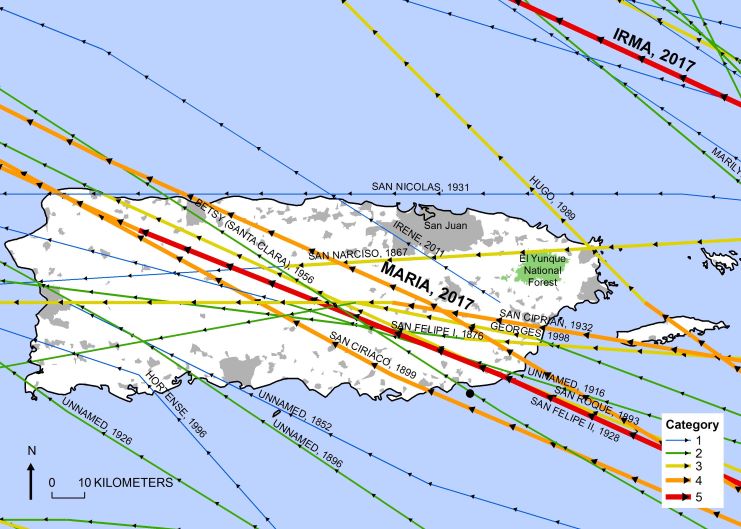
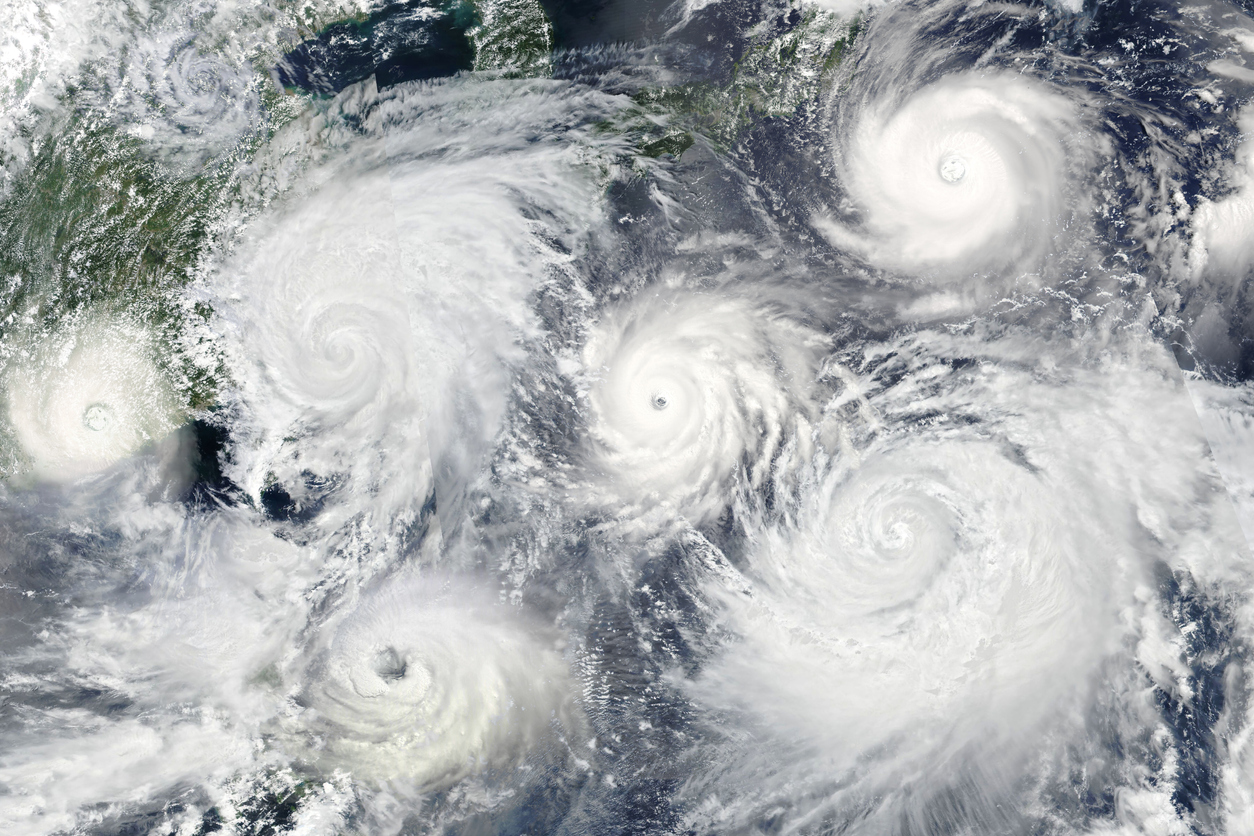
The term “hurricane season” often evokes images of powerful storms, but for many Caribbean islands, it simply defines a period of increased vigilance. Puerto Rico’s location makes it susceptible to tropical weather systems that form in the Atlantic Ocean and move westward. However, this doesn’t mean the island is under constant threat; rather, it implies a greater probability of encountering such weather phenomena. Smart travel planning involves being aware of these probabilities and taking proactive steps to mitigate any potential disruptions.
Defining the Atlantic Hurricane Season
The official Atlantic Hurricane Season runs annually from June 1st to November 30th. During these months, the waters of the Atlantic Ocean, Caribbean Sea, and Gulf of Mexico are warm enough to fuel the development of tropical depressions, tropical storms, and hurricanes. For Puerto Rico, the peak of this season typically falls between mid-August and late October. This is when tropical activity is historically most frequent and intense.
While the season officially spans six months, not every day is marked by severe weather. Many days during hurricane season are still sunny and beautiful, offering ideal conditions for exploring destinations like Old San Juan or relaxing on the shores of Luquillo Beach. However, travelers visiting during this time should remain informed about weather forecasts and advisories. Modern meteorology provides ample warning for developing systems, allowing travelers and residents alike to prepare. The frequency and intensity of storms can vary significantly from one year to the next, making it crucial to consult reliable weather sources before and during your trip.
Historical Context and Recent Recovery
Puerto Rico has a history of weathering powerful storms, with some of the most notable events serving as stark reminders of nature’s force. Hurricane Maria in 2017 was a particularly devastating event that brought widespread destruction and significant challenges to the island’s infrastructure. However, the resilient spirit of the Puerto Rican people, coupled with substantial recovery efforts, has led to a remarkable resurgence.
Today, Puerto Rico has largely rebuilt and modernized its infrastructure, with many hotels, attractions, and public services operating at full capacity, often with enhanced hurricane preparedness measures. The recovery has highlighted the island’s commitment to tourism, ensuring visitors can once again enjoy its unique charm and hospitality. When considering travel during hurricane season, it’s important to acknowledge this history but also to recognize the robust efforts made to enhance safety and resilience. Many resorts and hotels have invested in backup generators, improved communication systems, and comprehensive emergency plans to ensure the well-being of their guests, demonstrating Puerto Rico’s dedication to providing a safe and enjoyable experience for all.
Navigating Travel During Hurricane Season: Risks and Rewards
Deciding whether to travel to Puerto Rico during hurricane season involves weighing potential risks against tangible benefits. While the threat of a major storm cannot be entirely dismissed, many travelers find that the advantages of visiting during this period—such as lower costs and fewer crowds—outweigh the meteorological concerns, especially with careful planning. This section explores both the allure and the necessary precautions for a successful hurricane season trip.
The Allure of Off-Peak Travel
Traveling to Puerto Rico outside of the peak winter and spring months, which coincide with hurricane season, can be a particularly attractive option for certain types of travelers. This “off-peak” period often brings with it several compelling advantages that align well with various travel lifestyles:
- Cost Savings: Flights and accommodation, including luxury resorts and charming boutique hotels, often see significant price reductions. This allows for budget travel without sacrificing quality, or for luxury travelers to experience more upscale options at a fraction of the usual cost. Deals on flights from major hubs in the USA like New York, Miami, or Atlanta are more common.
- Fewer Crowds: Popular attractions, such as the historic forts of Castillo San Felipe del Morro and Castillo de San Cristobal in San Juan, or the lush trails of El Yunque National Forest, are generally less crowded. This allows for a more intimate and relaxed experience, making it easier to explore local culture, enjoy authentic Puerto Rican food, and engage with residents without feeling rushed.
- Authentic Experiences: With fewer tourists, you might find it easier to immerse yourself in local life, discover hidden gems, and enjoy a more genuine connection with the island’s vibrant culture. Restaurants in areas like La Placita de Santurce or the quaint streets of Ponce might offer more personalized service.
For those willing to accept the slight risk of weather-related disruptions, the rewards of off-peak travel can be substantial, offering a more serene and often more affordable way to experience Puerto Rico’s beauty.
Essential Preparations and Safety Measures
Traveling during hurricane season requires a proactive approach to planning. While the chances of a direct hit are relatively low on any given day, being prepared ensures peace of mind and minimizes potential stress.
- Travel Insurance: This is perhaps the most crucial recommendation. Purchase comprehensive travel insurance that covers trip cancellation, interruption, and medical emergencies due to weather-related events. Be sure to read the policy carefully to understand what is covered regarding hurricane-related issues.
- Flexible Bookings: Whenever possible, opt for flights and accommodation with flexible cancellation or rebooking policies. Many airlines and hotels understand the uncertainties of hurricane season and may offer waivers or easier changes during an active storm threat.
- Stay Informed: Monitor reputable weather sources like the National Hurricane Center (NHC) or local Puerto Rican weather advisories before and during your trip. Most hotels and resorts also provide guests with updates.
- Emergency Kit: While your hotel will have emergency plans, it’s wise to carry a small personal emergency kit with essential medications, a portable power bank for your phone, and copies of important documents.
- Communication Plan: Share your itinerary with family or friends back home. Ensure your mobile phone is fully charged, and consider purchasing a local SIM card if you don’t have international roaming.
- Hotel Protocols: Familiarize yourself with your chosen accommodation’s hurricane preparedness plan. Leading hotels like the Hyatt Regency Grand Reserve Puerto Rico or Dorado Beach, a Ritz-Carlton Reserve often have robust systems in place, including generators, emergency food supplies, and designated safe areas.
By taking these precautions, you can confidently embark on your Puerto Rico adventure, knowing you’re well-equipped to handle any unforeseen weather challenges.
The Best Times to Visit Puerto Rico (Outside Peak Season)
For those who prefer to avoid the hurricane season entirely, or simply wish for the most reliably sunny and calm weather, specific periods offer ideal conditions for enjoying Puerto Rico’s vast array of attractions and experiences. These months are typically characterized by lower humidity, comfortable temperatures, and minimal rainfall, making them perfect for exploring both natural wonders and urban delights.
Ideal Months for Sun-Seekers
The prime travel window for Puerto Rico, when the weather is at its most agreeable and the risk of hurricanes is lowest, spans from December to May.
- December to February: These are arguably the most popular months. Temperatures are pleasantly warm, typically ranging from the mid-70s to low 80s Fahrenheit (24-28°C). Humidity is relatively low, and skies are generally clear. This period is perfect for those seeking an escape from winter climates in North America and Europe. However, it’s also the busiest and most expensive time, especially around holidays like Christmas, New Year’s, and Presidents’ Day. Booking accommodation well in advance is essential if you plan to visit during these months.
- March to May: This shoulder season offers a sweet spot. The weather remains excellent, with consistent sunshine and comfortable temperatures. While crowds may begin to thin out slightly compared to the winter peak, the island is still bustling with activity. Prices might also start to become more moderate, particularly towards late April and May, before the official start of hurricane season. This period is ideal for beach activities, hiking in El Yunque National Forest, and exploring the colorful streets of Old San Juan.
During these months, you can confidently plan outdoor activities, from snorkeling in the crystal-clear waters of Vieques and Culebra to teeing off at world-class golf courses in Dorado or Rio Grande.
Exploring Puerto Rico’s Diverse Attractions
Puerto Rico is a treasure trove of experiences, catering to every type of traveler. The stable weather outside hurricane season makes it even more appealing to dive deep into its diverse offerings.
- Historic San Juan: The capital city is a living museum. Explore the cobblestone streets, vibrant colonial architecture, and impressive fortifications like Castillo San Felipe del Morro. Visit Casa Bacardi for a rum tour or simply soak in the lively atmosphere of Calle del Cristo.
- Natural Wonders: El Yunque National Forest, the only tropical rainforest in the U.S. National Forest System, offers stunning hiking trails, waterfalls, and diverse wildlife. For a truly magical experience, kayak through one of Puerto Rico’s three bioluminescent bays – Mosquito Bay in Vieques is particularly famous.
- Beach Life: From the bustling urban beaches of Condado and Isla Verde to the serene, secluded coves of Culebra (home to the world-renowned Flamenco Beach), Puerto Rico offers a beach for every mood.
- Cultural Immersion: Discover the coffee plantations in the central mountains, explore the art museums in Ponce, or enjoy the vibrant nightlife and music scene across the island. The festival season, which often falls outside peak hurricane months, offers an authentic taste of local traditions and celebrations.
Choosing the right time to visit allows you to fully immerse yourself in these experiences without the added concern of adverse weather, making for a truly relaxing and enriching trip.
Accommodation and Tourism Considerations
Regardless of when you choose to visit Puerto Rico, the island boasts an incredible range of accommodation options and a thriving tourism sector ready to welcome you. Thoughtful consideration of your lodging choices and an openness to local culture can significantly enhance your trip, especially during the wetter months.
Choosing Hurricane-Ready Hotels and Resorts
Puerto Rico’s hospitality industry has learned valuable lessons from past storm events, leading to significant investments in resilience and guest safety. When selecting accommodation, especially if traveling during hurricane season, it’s prudent to inquire about their specific preparedness measures.
- Resorts and Larger Hotels: Many major resorts, such as the El Conquistador Resort in Fajardo or properties along the Condado strip in San Juan, are generally well-equipped. They often feature backup generators, internal water reserves, sturdy construction, and dedicated emergency response teams. They typically have clear communication channels for guests regarding weather updates and safety protocols. These establishments often have robust insurance policies and contingency plans that can assist guests with rebooking or alternative arrangements if necessary.
- Boutique Hotels and Apartments: Smaller properties and vacation rentals also play a vital role in Puerto Rico’s accommodation landscape. While they might not have the same extensive infrastructure as large resorts, many have also taken steps to ensure guest safety, from reinforced structures to securing essential supplies. When booking through platforms for apartments or villas, it’s wise to communicate directly with the host about their emergency plans and what provisions are in place for severe weather.
- Amenities to Look For: If traveling during hurricane season, consider properties that advertise reliable Wi-Fi (often crucial for staying updated), on-site dining options (in case venturing out becomes difficult), and strong construction. Some high-end resorts might even offer “hurricane guarantees” or flexible cancellation policies specifically for weather events.
By researching and choosing wisely, you can ensure your stay is comfortable and secure, allowing you to relax and enjoy your vacation with peace of mind.
Embracing Local Culture and Activities Year-Round
Puerto Rico’s vibrant culture, delicious food, and lively spirit are present no matter the season. The tourism experience is not solely dependent on perfect weather; it’s about engaging with the island’s unique identity.
- Gastronomy: From street food kiosks at Piñones to fine dining in San Juan, Puerto Rican cuisine is a highlight. Enjoy mofongo, lechón, alcapurrias, and fresh seafood year-round. Many indoor restaurants provide excellent culinary experiences even if it’s raining outside.
- Art and History: Explore the numerous museums in San Juan or Ponce, visit the Serralles Castle, or delve into the history of rum making at Casa Bacardi. These indoor attractions are perfect for any weather conditions.
- Music and Nightlife: Puerto Rico pulses with rhythm. Salsa clubs, live music venues, and vibrant bars in areas like La Placita offer entertainment long into the night, unaffected by a passing shower.
- Wellness and Relaxation: Many resorts offer indoor spas, fitness centers, and various wellness activities that can be enjoyed regardless of external conditions. A rainy day can be an excellent excuse for a pampering session.
Even during hurricane season, there are plenty of opportunities for enriching experiences. Local communities are accustomed to the climate and often have contingency plans for events and activities. Embracing the unexpected, being flexible, and seeking out indoor cultural gems can lead to some of the most memorable moments of your trip.
Planning Your Perfect Puerto Rican Escape
Ultimately, the best time to visit Puerto Rico depends on your personal preferences, priorities, and risk tolerance. If pristine weather and maximum sunshine are paramount, the months from December to May are your ideal window. You’ll experience slightly cooler temperatures, lower humidity, and minimal chance of tropical systems, perfect for exploring everything from the rainforest to the stunning beaches of Culebra.
However, for travelers keen on experiencing Puerto Rico with fewer crowds and at a potentially lower cost, embarking on an adventure during the official hurricane season (June to November, with a peak from mid-August to late October) can be incredibly rewarding. The key to a successful trip during this time lies in meticulous planning: securing comprehensive travel insurance, opting for flexible bookings, and staying diligently informed about weather forecasts. Embrace the possibility of short, intense rain showers that often give way to clear skies, revealing the island’s vibrant lushness.
Puerto Rico is a resilient and welcoming destination, eager to share its natural beauty, rich history, and dynamic culture with visitors year-round. By understanding the nuances of its hurricane season and employing smart travel strategies, you can ensure that your journey to this Caribbean gem is not just safe, but truly unforgettable, creating lasting memories regardless of the season.
LifeOutOfTheBox is a participant in the Amazon Services LLC Associates Program, an affiliate advertising program designed to provide a means for sites to earn advertising fees by advertising and linking to Amazon.com. Amazon, the Amazon logo, AmazonSupply, and the AmazonSupply logo are trademarks of Amazon.com, Inc. or its affiliates. As an Amazon Associate we earn affiliate commissions from qualifying purchases.