
The majestic landscapes of Colorado, from the towering peaks of the Rocky Mountains to the vibrant urban centers like Denver, beckon millions of visitors each year. This captivating state offers an unparalleled blend of outdoor adventure, rich culture, and diverse lifestyle experiences. However, beneath the surface of stunning destinations and world-class attractions lies a fundamental economic structure that profoundly impacts everything from the cost of your vacation to the quality of service you receive: the Colorado minimum wage.
Understanding what the minimum wage is in Colorado, how it has evolved, and its broader implications, offers a unique perspective on the state’s economic philosophy and its commitment to both its workforce and its thriving tourism industry. For travelers planning a visit, or for those contemplating a long-term stay, the minimum wage is not just a number; it’s a key factor influencing everything from hotel rates and dining experiences to the general cost of living and the vibrancy of local communities. This article will delve into the specifics of Colorado’s minimum wage, exploring its historical trajectory, its present-day impact on the hospitality and travel sectors, and how it shapes the overall experience of this incredible state for residents and visitors alike.
Understanding Colorado’s Minimum Wage Landscape
Colorado’s approach to minimum wage is characterized by its progressive stance, aiming to ensure a living wage for its workers amidst a backdrop of increasing living costs. This commitment has made it one of the states with a higher minimum wage, consistently adjusting it to reflect economic realities.
The Current Figures and Recent History
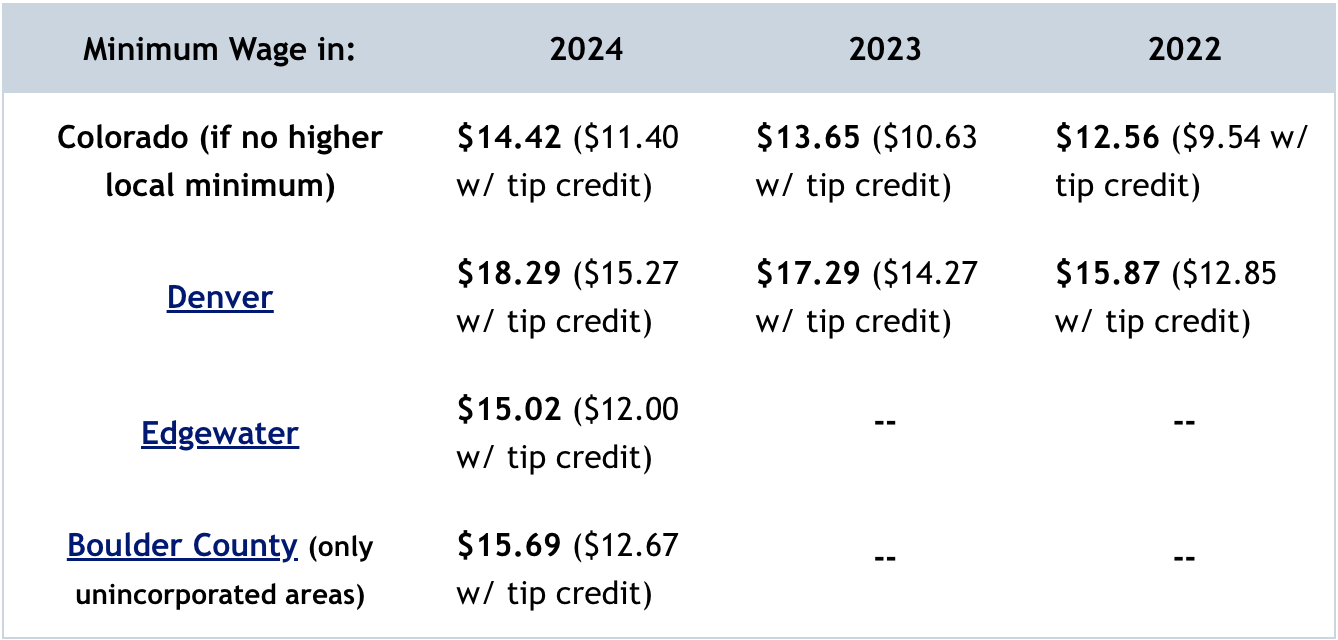
As of January 1, 2024, the statewide minimum wage in Colorado increased to $14.42 per hour. This marks a significant climb from previous years, reflecting an ongoing effort to keep pace with inflation and the rising cost of living across the state. For instance, in 2023, the minimum wage was $13.65 per hour, and in 2022, it stood at $12.56 per hour. This consistent upward trajectory is not arbitrary; it’s the result of an annual adjustment mechanism mandated by Colorado law, specifically tied to the Consumer Price Index (CPI) for the Denver-Aurora-Lakewood metropolitan area. This mechanism ensures that the purchasing power of minimum wage earners is sustained year after year, offering a degree of stability in an ever-fluctuating economy.
For tipped employees, the minimum wage structure is slightly different but still aims to guarantee a comparable total income. As of 2024, the minimum cash wage for tipped employees is $11.40 per hour. Employers are allowed to take a tip credit of up to $3.02 per hour, meaning that if the employee’s tips do not bring their total hourly earnings up to the standard $14.42 minimum wage, the employer is legally obligated to make up the difference. This ensures that even those in service roles, heavily reliant on gratuities, are protected by the minimum wage standard, fostering a more equitable working environment. This is particularly relevant in the bustling hospitality sector, where waitstaff, baristas, and hotel personnel form the backbone of the visitor experience.

A Legacy of Progressive Wage Policies
Colorado’s commitment to a higher minimum wage isn’t a recent phenomenon but rather a long-standing policy supported by its citizens. The journey towards a progressive minimum wage began prominently with Amendment 42, passed by voters in 2006. This groundbreaking amendment indexed the state’s minimum wage to the cost of living, initiating the annual adjustment process that continues today. Prior to this, minimum wage increases were subject to legislative discretion, often leading to longer periods between adjustments.
In more recent years, further initiatives have reinforced this commitment. While a ballot measure in 2016 significantly accelerated the minimum wage increase schedule, it cemented the state’s dedication to improving the economic well-being of its workforce. This proactive approach contrasts with many other states and reflects a broader societal value in Colorado that emphasizes economic fairness and the belief that hard work should lead to a living wage. This legislative landscape sets Colorado apart, not just economically, but also culturally, shaping the kind of communities that thrive within its borders. It means that when you engage with service staff, whether checking into a luxury resort or buying a souvenir at a local shop, you can be assured that the state strives for a baseline of fair compensation for their invaluable contributions.

The Interplay of Minimum Wage and Colorado’s Thriving Tourism Economy
Colorado’s minimum wage is not an isolated economic factor; it intricately weaves into the fabric of the state’s robust tourism and hospitality industries. These sectors are primary employers of minimum wage earners, making the wage floor a critical determinant of operational costs, service quality, and ultimately, the visitor experience.
Impact on Hospitality and Travel Sectors
The hospitality industry, encompassing hotels, restaurants, ski resorts, and myriad tour operators, is a cornerstone of Colorado’s economy. A higher minimum wage directly translates to increased labor costs for businesses in these sectors. For a hotel in Vail or a restaurant in Boulder, paying their staff $14.42 an hour (or more in some locales, as discussed later) impacts their bottom line. This often necessitates adjustments in pricing, which can manifest as slightly higher room rates for suites and resorts, increased prices on menus, or adjusted fees for guided experiences and attractions.
Consider the diverse range of accommodation options available across Colorado. From opulent villas nestled in Aspen to cozy apartments in Colorado Springs, the staff responsible for maintaining these properties, from housekeeping to front desk personnel, are often paid at or near the minimum wage. The cost of labor is a significant component of operational expenses for any hotel. While guests might experience a slightly higher nightly rate compared to states with lower wages, this cost is often justified by the level of service and the implicit investment in the local workforce. Similarly, the cost of entry to museums in Denver or ski passes at popular ski resorts partially reflects the wages paid to the staff who ensure a smooth and enjoyable visit. These adjustments, while contributing to the overall cost of a Colorado vacation, underpin the sustainable operation of these vital businesses.
Employee Well-being and Service Quality
One of the less tangible, yet profoundly important, impacts of a higher minimum wage is on employee well-being and, consequently, the quality of service tourists receive. When employees in the hospitality sector earn a more livable wage, they are often more engaged, motivated, and likely to remain with their employers. This leads to reduced staff turnover, which in turn fosters a more experienced and skilled workforce. Imagine interacting with knowledgeable and content staff at a resort in Steamboat Springs or receiving exceptional service at a farm-to-table restaurant in Fort Collins. Such positive interactions are often a direct result of employers investing in their people, partly driven by state-mandated wage floors.
Fair wages contribute to a higher quality of life for workers, reducing financial stress and allowing them to better focus on their jobs. This translates into a more attentive, friendly, and efficient service experience for visitors, enhancing the overall travel experience in Colorado. From the concierge who goes the extra mile to book a unique local culture experience to the tour guide who shares fascinating history about a landmark like Red Rocks Amphitheatre, dedicated employees are the cornerstone of memorable trips. The state’s minimum wage, therefore, plays a silent but crucial role in maintaining Colorado’s reputation for excellent customer service and welcoming atmosphere.
Navigating Colorado with Diverse Budgets: A Lifestyle Perspective
The higher cost of living and, by extension, the higher minimum wage in Colorado influence how both residents and visitors approach their lifestyle choices, particularly concerning travel and accommodation. The state caters to a broad spectrum of preferences, from the most discerning luxury travel enthusiasts to savvy budget travel explorers.
Budget-Conscious Exploration
For those looking to experience the wonders of Colorado without breaking the bank, a higher minimum wage means that while certain baseline costs might be elevated, there are still abundant opportunities for budget travel. Savvy travelers can employ several strategies to manage expenses. Opting for hostels, guesthouses, or vacation rentals with kitchen facilities can significantly reduce accommodation and food costs. Many apartments and vacation homes offer a more cost-effective alternative to traditional hotels, especially for longer stays or family trips.
Exploring Colorado’s natural landmarks and attractions often provides some of the best value. Hiking trails in Rocky Mountain National Park, exploring the Garden of the Gods near Colorado Springs, or enjoying the vibrant atmosphere of Denver’s 16th Street Mall are often free or involve minimal fees. Picnics amidst scenic vistas, utilizing public transportation in major cities like Denver, and taking advantage of free local festivals or events are excellent ways to immerse oneself in Colorado’s unique local culture without overspending. The key is careful planning, prioritizing experiences that align with a budget-friendly approach, and embracing the state’s natural beauty which is accessible to all.
Luxury Travel and Premium Experiences
Conversely, Colorado’s higher minimum wage supports a thriving luxury travel market, where impeccable service and exclusive amenities are paramount. The premium prices associated with luxury resorts in places like Aspen or Vail, high-end boutique hotels in Denver, and gourmet dining establishments are partly a reflection of the investment in a well-compensated, highly skilled staff. When you check into a five-star resort, the seamless experience, from personalized concierge services to meticulously maintained grounds, is delivered by employees who earn a fair wage. This fosters an environment where excellence is not just expected but enabled.
For those pursuing ultimate comfort and convenience, Colorado offers an array of bespoke experiences. Imagine private ski lessons, gourmet meals prepared by top chefs, or lavish spa treatments—all delivered by professionals who are valued for their expertise. The cost of these premium offerings, while higher, ensures that the quality of service remains exceptional, contributing to unforgettable travel experiences. In this segment, the minimum wage acts as a baseline, pushing employers to invest further in training and retaining top talent, which directly elevates the standard of luxury accommodation and hospitality services in the state.
Family Trips and Business Stays
The minimum wage also subtly influences family trips and business stays in Colorado. For families, the cost of dining out, theme park admissions, or engaging in various recreational activities can add up quickly. A higher minimum wage contributes to these operational costs, meaning families might adjust their budgets to account for slightly higher prices for services and goods. However, the benefit is often seen in the quality of service received—friendlier staff at family-friendly attractions or more attentive service at restaurants. Many families opt for accommodation with kitchenettes or self-catering apartments to manage food expenses, balancing the desire for experiences with practical budgeting.
For business stays, the impact is felt in corporate rates for hotels, the cost of conference facilities, and corporate dining. Companies organizing events or sending employees to Colorado factor these labor costs into their budgets. However, just as with luxury travel, the expectation is that a higher investment in staff translates to seamless event execution, excellent client service, and productive environments. Colorado’s vibrant economy, partly bolstered by its minimum wage policies, also attracts numerous conferences and trade shows, benefiting from the state’s robust infrastructure and skilled workforce in its major cities like Denver and Colorado Springs.
Beyond the Numbers: Local Impact and Future Outlook
While the statewide minimum wage provides a crucial foundation, Colorado’s economic landscape is further nuanced by regional variations and a forward-looking perspective on economic sustainability.
Regional Wage Variations and Local Initiatives
It’s important to note that the statewide minimum wage of $14.42 per hour is just the baseline. Several Colorado cities and counties have taken the initiative to establish their own, higher minimum wages, reflecting local economic conditions and cost of living. For instance, the City and County of Denver has one of the highest local minimum wages in the state, reaching $18.29 per hour as of January 1, 2024. Similarly, the City of Boulder implemented its own minimum wage, reaching $15.99 in 2024. Other areas like Broomfield and Adams County are also exploring or have implemented localized minimum wage increases.
These regional variations have a direct impact on tourism and accommodation costs within these specific areas. Staying in a hotel or dining in a restaurant in Denver will inherently carry higher labor costs for businesses, which often translate to higher prices for consumers. While this might mean a slightly more expensive trip to these popular urban destinations, it also implies a greater investment in the local workforce, potentially leading to a higher quality of service and a more stable local economy. This localized approach allows communities to tailor wage policies to their unique economic environments, addressing specific challenges like the high cost of housing in desirable areas. Visitors to these cities often appreciate the vibrant cultural scene, diverse dining options, and overall standard of living, which are all indirectly supported by these local wage policies.
Sustaining Colorado’s Appeal
The commitment to fair wages through a progressive minimum wage policy plays a significant role in sustaining Colorado’s appeal as a top travel destination and a desirable place to live. By fostering a more stable local economy, the state ensures that its communities thrive. This means that the infrastructure supporting tourism – from well-maintained landmarks like the U.S. Air Force Academy to pristine natural attractions like Great Sand Dunes National Park – can be better funded and managed. A healthy local economy with a satisfied workforce contributes to safer, cleaner, and more vibrant cities and towns, enhancing the overall experience for visitors.
Moreover, a higher minimum wage can help bridge the gap between residents’ ability to afford to live and work in the very places that draw so many tourists. This contributes to a diverse and stable workforce, essential for delivering authentic and high-quality experiences across the state. Whether it’s the park ranger sharing insights about nature in Mesa Verde National Park or the barista serving coffee in Larimer Square, these individuals are an integral part of Colorado’s charm, and their ability to thrive within the state’s economy directly impacts the visitor’s interaction with local culture and services.
Looking Ahead: Economic Trends and Future Adjustments
Colorado’s minimum wage is not a static figure; it will continue to evolve. Given its indexation to the Consumer Price Index, future increases are virtually guaranteed, reflecting ongoing inflation and changes in the cost of living. This predictability allows businesses and individuals to plan more effectively. As the state balances worker welfare with business competitiveness, discussions around the economic impact of these adjustments will persist. However, the overarching trend in Colorado points towards a continued commitment to ensuring that its lowest-paid workers earn a wage that allows them to live and contribute meaningfully to the state’s vibrant economy.
These ongoing adjustments mean that Colorado remains an interesting case study in progressive economic policy. For anyone interested in travel, tourism, or lifestyle within the state, understanding these underlying economic dynamics provides a richer context for the experiences enjoyed and the decisions made, whether planning a short vacation or considering a permanent move. The minimum wage is more than just a number; it’s a reflection of Colorado’s values, influencing everything from the price of a hotel suite to the warmth of a local smile.
In conclusion, Colorado’s minimum wage stands as a testament to its commitment to economic fairness, annually adjusting to reflect the evolving cost of living. This progressive policy has far-reaching implications, particularly for the state’s booming tourism and hospitality sectors. While it contributes to the overall cost of travel and accommodation within the state, it also fosters a more stable and satisfied workforce, leading to higher quality service and a more vibrant local economy. For visitors and residents alike, understanding the nuances of the minimum wage offers a deeper appreciation for the intricate balance between economic policy and the unparalleled experiences that make Colorado a truly special destination.
LifeOutOfTheBox is a participant in the Amazon Services LLC Associates Program, an affiliate advertising program designed to provide a means for sites to earn advertising fees by advertising and linking to Amazon.com. Amazon, the Amazon logo, AmazonSupply, and the AmazonSupply logo are trademarks of Amazon.com, Inc. or its affiliates. As an Amazon Associate we earn affiliate commissions from qualifying purchases.