
Planning a trip to the scenic landscapes of Colorado, contemplating a move to its vibrant cities, or simply curious about the economics of the Centennial State? Understanding the sales tax rate is a crucial piece of the puzzle. From booking your accommodation to savoring local cuisine and purchasing souvenirs, sales tax quietly influences your budget. While the state’s natural beauty and outdoor adventures are often the main draw, a little insight into its tax structure can help travelers and residents alike navigate their expenses more effectively. This guide will demystify Colorado’s sales tax, outlining the statewide rate, the impact of local levies, and how these figures can affect your travel plans and daily lifestyle.

Understanding Colorado’s Sales Tax Landscape
Colorado’s sales tax system is unique, characterized by a relatively low statewide rate supplemented by a complex web of local taxes. This tiered structure means that the total sales tax you pay can vary significantly depending on where you are within the state – from bustling urban centers to serene mountain towns. For those exploring destinations like Denver or the ski resorts of Vail and Aspen, being aware of these differences is key to budgeting accurately.
The Statewide Sales Tax Rate
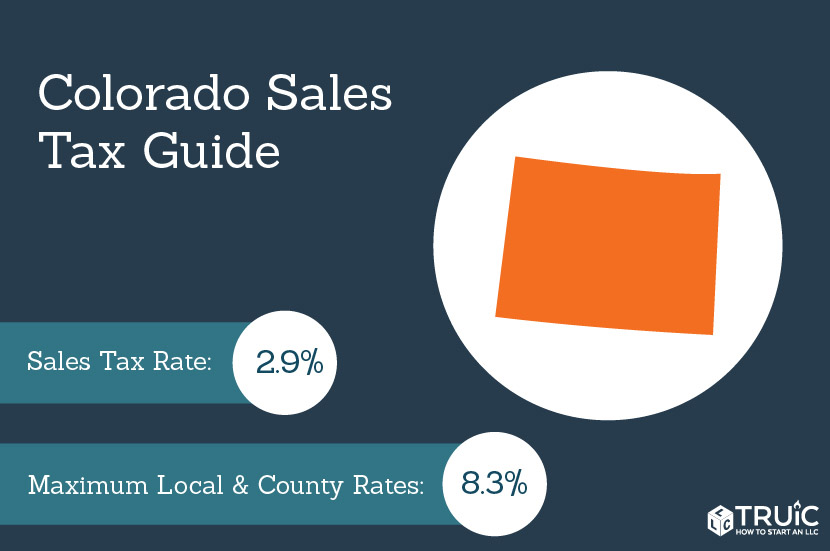
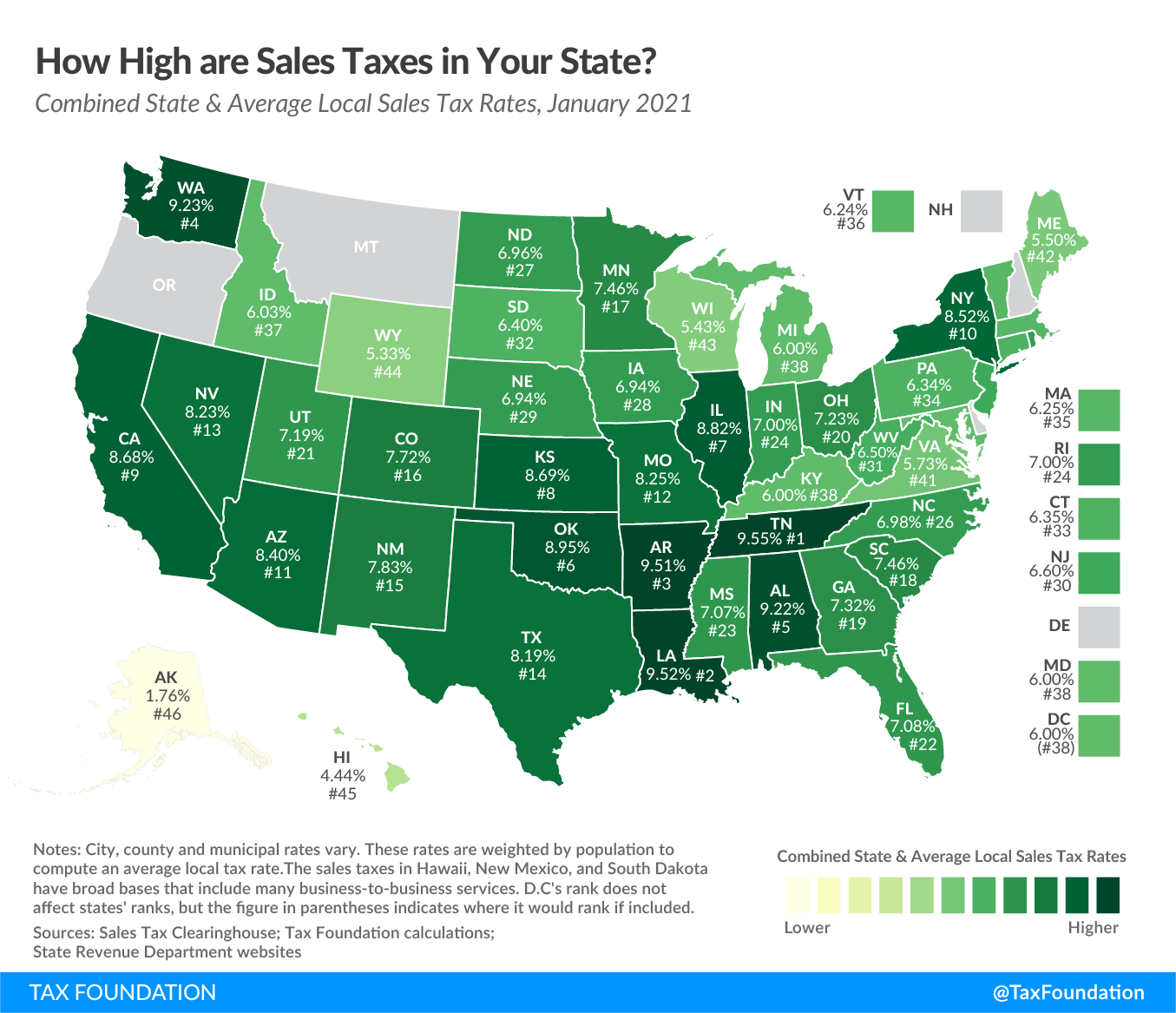
At the heart of Colorado’s sales tax structure is its state-mandated rate. Currently, the statewide sales tax rate in Colorado is a modest 2.9%. This figure applies broadly across the state to the sale of tangible personal property and certain services. Compared to many other U.S. states, Colorado’s state sales tax is among the lowest. This can be a pleasant surprise for visitors who are accustomed to higher state rates elsewhere. However, this low state rate is only part of the story, as local jurisdictions have the authority to impose their own additional taxes, which often form a much larger portion of the total tax burden.
Beyond the State: Local Sales Taxes
The true complexity and variability of sales tax in Colorado emerge when you factor in local sales taxes. These are levied by various entities, including:
- Cities and Towns: Most municipalities in Colorado impose their own sales tax, which can range significantly. For example, a purchase made in Denver will incur a different combined tax rate than one made in Boulder or Colorado Springs.
- Counties: Beyond the municipal level, counties can also levy sales taxes. These county taxes apply to transactions within their geographical boundaries, including unincorporated areas.
- Special Districts: This is where it gets even more intricate. Colorado has numerous special taxing districts. These might be for transportation improvements, cultural facilities, stadium financing, or other specific purposes. These districts often overlap, meaning a single location could be subject to state, county, city, and multiple special district taxes, leading to a cumulative rate that can be considerably higher than the statewide 2.9%.
For instance, while the state rate is 2.9%, the combined sales tax rate in a city like Denver can easily exceed 8%, and even reach over 10% in some specific areas or for particular goods/services when all local taxes are factored in. This makes precise budgeting challenging without checking specific local rates. The Colorado Department of Revenue provides resources to look up sales tax rates by address, which is invaluable for precise planning.
Key Exemptions and Specific Taxes
While sales tax generally applies to most tangible goods, Colorado does have some notable exemptions and specific taxation rules that are important for both residents and visitors.
- Groceries: Basic food items (unprepared for immediate consumption) are generally exempt from the state sales tax. However, local jurisdictions can choose to tax groceries, so this exemption isn’t universal. It’s wise to check local policies, especially if you plan on stocking up at a local market during a long stay.
- Services: Most services are not subject to sales tax in Colorado, unless they are explicitly defined as taxable by statute. This can include things like repair services, legal advice, or medical care. However, certain services related to tangible products, such as installation or fabrication, might be taxable.
- Lodging Tax: While not strictly sales tax, lodging (or occupancy) tax is a significant component of accommodation costs for travelers. This tax is levied on hotel rooms, short-term rentals, and other lodging options. These rates are almost always higher than general sales tax rates and can vary wildly by city and county. For example, a hotel stay in Denver will include a substantial lodging tax on top of any applicable sales tax on other purchases.
- Marijuana Excise Tax: Colorado has specific excise taxes on recreational marijuana, in addition to state and local sales taxes. This is a unique consideration for visitors interested in Colorado’s regulated cannabis market.
How Sales Tax Impacts Your Colorado Trip
For anyone planning to visit Colorado, understanding how sales tax applies to various aspects of your trip is essential for effective budgeting. From your choice of hotel to dining out and exploring attractions, taxes will play a role. Being prepared means fewer surprises and a more enjoyable experience overall.
Accommodation and Lodging Taxes
One of the most significant impacts of local taxation on travelers is the lodging tax. While general sales tax applies to many items, special lodging taxes are typically imposed on the rental of hotel rooms, suites, resorts, vacation apartments, and other short-term accommodation options. These rates are typically much higher than the statewide 2.9% sales tax. For instance, in popular tourist destinations like Aspen, Vail, or Breckenridge, the combined lodging tax (which often includes city, county, and sometimes special district taxes) can push the total up significantly, sometimes well into double digits.
When booking your hotels or vacation rentals, always look for the “total price” that includes all taxes and fees. Websites often display a base rate, with taxes added at checkout. This can drastically increase the final cost, so ensure you’re aware of the full price before confirming your reservation, especially if you’re exploring luxury travel options where higher base prices amplify tax costs.
Dining and Retail Purchases
Whether you’re enjoying a farm-to-table meal in Denver, grabbing a quick bite near Rocky Mountain National Park, or shopping for outdoor gear in Boulder, sales tax will be applied to your purchases. As mentioned, the combined rate will vary by location.
- Restaurants and Prepared Food: Food and beverages served in restaurants, cafes, and other establishments for immediate consumption are generally subject to the full combined state and local sales tax rate. This includes takeout orders.
- Retail Shopping: Souvenirs, clothing, outdoor equipment, and other retail items will incur the full sales tax rate applicable to that specific city and county. If you’re planning a shopping spree, particularly for higher-value items, the difference in sales tax rates between municipalities could influence where you choose to shop.
Understanding these variations is crucial for budget travel and preventing unexpected expenses from piling up during your Colorado adventure.
Activities and Attractions
Entrance fees to many private attractions in Colorado can also be subject to sales tax. While fees for state and national parks like Mesa Verde National Park or Great Sand Dunes National Park and Preserve are typically exempt, private museums, amusement parks, ski lift tickets, and guided tours often include sales tax. For example, a ticket to a concert at Red Rocks Amphitheatre or a day pass to a hot springs resort might have sales tax added to the advertised price. Always confirm whether the listed price for an activity is inclusive of all taxes or if they will be added at checkout. This clarity helps in managing your activity budget, especially if you’re planning an experience that involves multiple paid entries.
Vehicle Rentals and Transportation
For many travelers, renting a car is essential for exploring the vastness of Colorado. Car rentals, like lodging, often come with their own set of specific taxes and fees in addition to standard sales tax. These can include a rental car fee, a state rental car surcharge, and various local taxes that can significantly increase the daily rate. Always read the fine print when booking a rental car to understand the full cost, including all taxes and surcharges. Public transportation, such as bus fares or train tickets, typically does not incur sales tax, but taxi and ride-share services might have other fees or service charges that effectively increase the cost.
Navigating Sales Tax in Popular Colorado Destinations
Given the significant variations in local sales tax rates, it’s helpful to consider how these rates might differ in some of Colorado’s most popular destinations. This localized understanding can inform your budgeting and spending decisions whether you’re embarking on a family trip or a business stay.
Denver: Urban Exploration and Taxes
As the capital and largest city, Denver serves as a hub for both business stays and urban exploration. The combined sales tax rate in Denver generally hovers around 8.81%, which includes the state’s 2.9%, Denver City sales tax, Denver County sales tax, and various special district taxes (like those for the Regional Transportation District or the Scientific and Cultural Facilities District). This rate applies to most retail purchases and restaurant meals. Lodging tax in Denver is separate and significantly higher, typically around 10.75%, meaning a hotel room could be subject to nearly 11% in additional fees. When enjoying Denver’s vibrant dining scene, exploring museums, or shopping at boutiques, be mindful of these rates.
Rocky Mountain Escapes: Vail, Aspen, and Breckenridge
The renowned ski towns nestled in the Rocky Mountains — such as Vail, Aspen, and Breckenridge — are synonymous with luxury travel and world-class recreation. Due to their status as premier tourist destinations, these towns often have higher local sales and lodging taxes to fund their extensive infrastructure and services.
- In Vail, the combined sales tax rate can be around 8.4%. However, the lodging tax is even higher, often exceeding 10-12% when state, county, and town-specific taxes are combined.
- Aspen presents similar figures, with a total sales tax often in the range of 8.2% to 8.8% depending on the specific location within Pitkin County, and lodging taxes can also be significantly higher than the general sales tax.
- Breckenridge, a popular destination in Summit County, also has elevated local taxes. Its combined sales tax rate is generally around 8.8% to 9.3%, with lodging taxes often reaching above 12%.
These higher rates mean that a gourmet meal, a designer purchase, or a stay in a premium resort in these areas will incur a noticeably higher tax burden than in areas with lower local taxes. This is a critical consideration for those planning an upscale vacation or family trip to these iconic mountain towns.
Southern Colorado Adventures: Colorado Springs and Mesa Verde
Heading south, cities like Colorado Springs offer access to landmarks like Pikes Peak and Garden of the Gods, while the southwestern part of the state is home to historical treasures such as Mesa Verde National Park.
- In Colorado Springs, the combined sales tax rate is typically around 8.25%, which includes the state’s 2.9%, El Paso County’s portion, and the city’s rate. Lodging tax here is separate and around 2%, in addition to the base sales tax, totaling around 10.25% for hotel stays.
- For those venturing to areas near Mesa Verde National Park, such as Durango, the sales tax rate can be around 8.9% to 9.4% including local city and county levies. Lodging taxes in Durango can also be substantial, often around 10.4%.
These examples highlight the need to research the specific rates for the areas you plan to visit, particularly for significant purchases or extended stays.
Planning Your Budget with Sales Tax in Mind
Given the variability, the best practice for any traveler or new resident in Colorado is to factor in an estimated sales tax percentage slightly higher than the state rate, especially for larger purchases. A general rule of thumb might be to estimate an additional 5-10% on top of advertised prices for goods and services in most popular areas, and even higher for accommodation. This proactive approach ensures your budget travel plans remain realistic and helps avoid unexpected expenses that could impact your overall enjoyment of Colorado’s many offerings.
Practical Tips for Travelers and Residents
Understanding Colorado’s sales tax system can seem daunting at first, but with a few practical tips, both visitors and residents can navigate it with ease. Informed decisions lead to better financial planning and a smoother experience whether you’re exploring landmarks or settling into a new home.
Always Check Local Rates
The most important tip is to always verify the local sales tax rate for the specific city and county where you plan to make significant purchases or book accommodation. The Colorado Department of Revenue website is an invaluable resource, offering search tools where you can input an address or zip code to find the exact combined state and local sales tax rates. Many businesses also list the applicable sales tax on their receipts. Don’t assume the rate in one town will be the same in another, even if they are geographically close. For instance, the tax rate in Golden could be different from neighboring Lakewood, despite their proximity.
Budgeting for the Unseen
When preparing your travel budget or planning for a move, it’s prudent to add a buffer for sales and lodging taxes. Instead of simply accounting for the sticker price of items or the base rate of hotel rooms, calculate an approximate total including taxes. For accommodation, remember that lodging taxes can be substantial and are often applied per night. For significant retail purchases, knowing the exact combined rate can save you from a surprise at the checkout counter. This foresight is especially critical for those on a budget travel plan or for families trying to keep expenses in check during a family trip.
Resources for Up-to-Date Information
To ensure you have the most current information, rely on official sources.
- Colorado Department of Revenue: This is the primary authority for tax information in Colorado. Their website offers detailed guides, FAQs, and a sales tax rate lookup tool.
- City and County Government Websites: Many local governments also publish their specific sales and lodging tax rates on their official websites. This can be particularly useful for understanding any unique local levies or exemptions.
- Ask Locals: When in doubt, don’t hesitate to ask hotel staff, local shop owners, or tourism information centers about the prevailing tax rates in their area. They are often knowledgeable and can provide quick clarification.
By utilizing these resources, you can confidently plan your expenditures and avoid any unwelcome surprises, allowing you to fully immerse yourself in the natural beauty, cultural richness, and vibrant lifestyle that Colorado has to offer.
In conclusion, while Colorado’s state sales tax rate of 2.9% is relatively low, the patchwork of local sales and lodging taxes means that the actual rate you pay can vary significantly across the state. Whether you’re enjoying the urban delights of Denver, hitting the slopes in Breckenridge, or exploring the ancient history near Mesa Verde National Park, a little preparation and awareness of these varying rates can go a long way in ensuring a smooth and enjoyable Colorado experience. So, next time you plan your travels or make a purchase in the Centennial State, remember to factor in the full picture of sales tax to truly understand your costs. Enjoy your adventure in Colorado!
LifeOutOfTheBox is a participant in the Amazon Services LLC Associates Program, an affiliate advertising program designed to provide a means for sites to earn advertising fees by advertising and linking to Amazon.com. Amazon, the Amazon logo, AmazonSupply, and the AmazonSupply logo are trademarks of Amazon.com, Inc. or its affiliates. As an Amazon Associate we earn affiliate commissions from qualifying purchases.