
The phrase “Colorado Time” often evokes images of crisp mountain air, vibrant ski slopes, and the majestic Rocky Mountains. But beyond the picturesque scenery and outdoor adventures, understanding “Colorado Time” delves deeper into the state’s unique rhythm, its cultural pulse, and the very essence of what makes visiting and living here so distinctive. It’s not just about the clock; it’s about a pace of life, a connection to nature, and an attitude that permeates the Centennial State.
The Temporal Landscape: Mountain Standard Time and Beyond
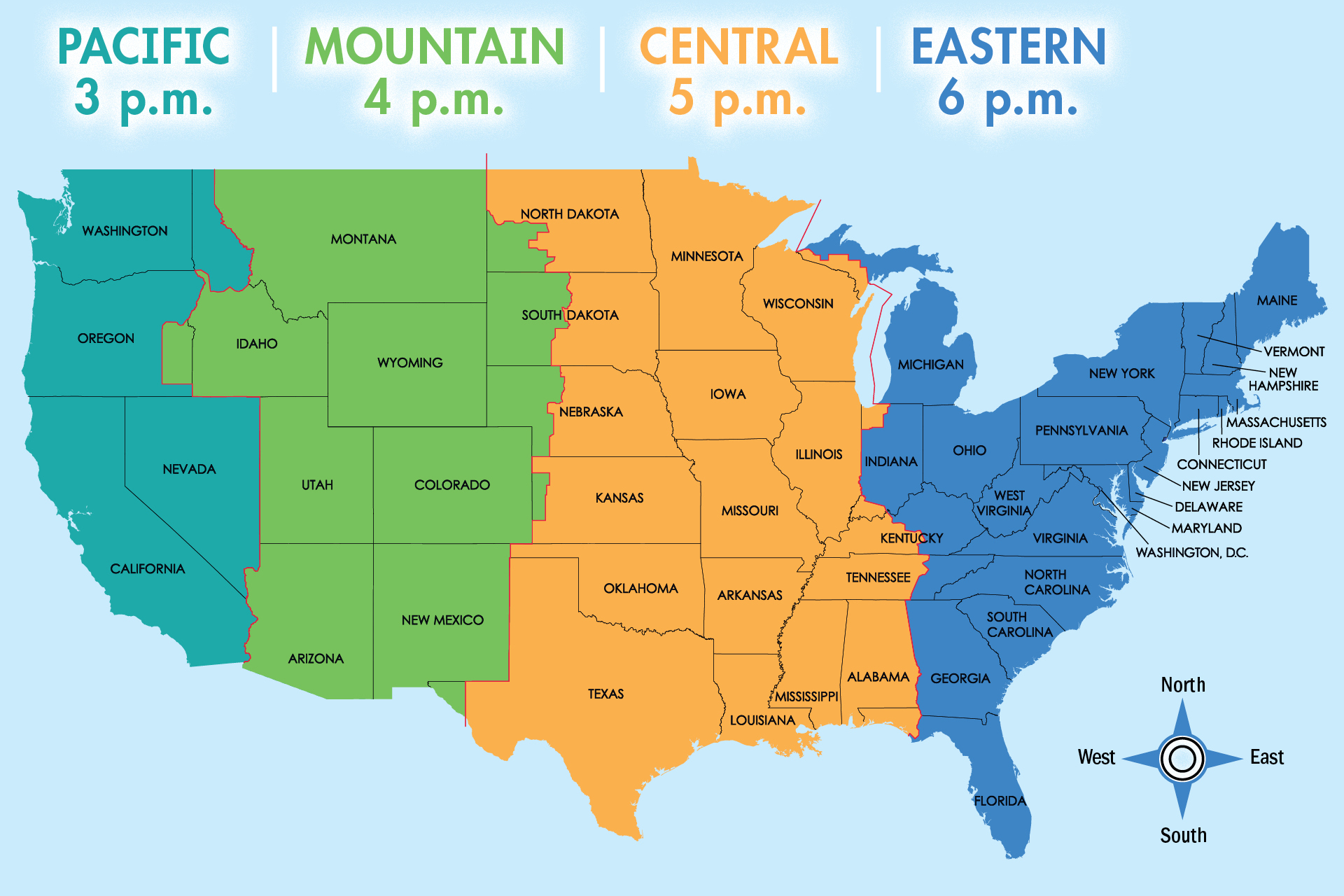
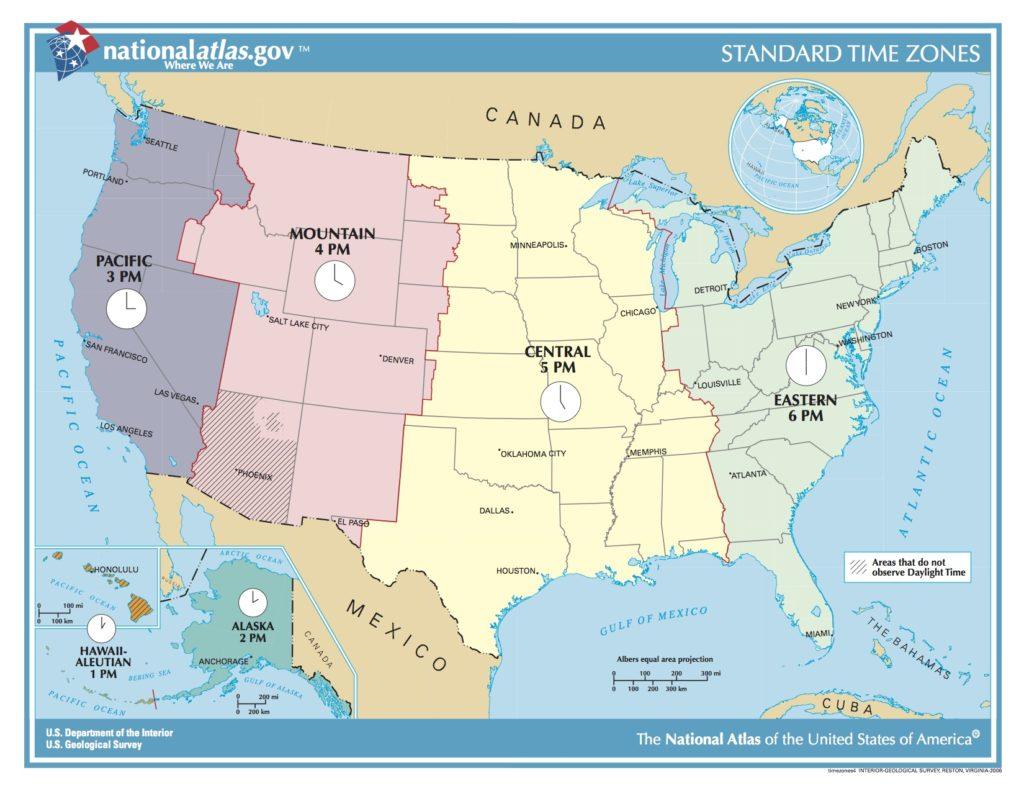
At its most literal, “Colorado Time” refers to the state’s observance of Mountain Standard Time (MST), which is UTC-7, and during daylight saving, Mountain Daylight Time (MDT), UTC-6. This is shared with a vast swathe of the western United States, stretching from the Canadian border down to Mexico, encompassing states like Montana, Wyoming, Arizona (though with notable exceptions for the Navajo Nation), New Mexico, and Utah, among others. While this designation is straightforward, the actual experience of time in Colorado often feels distinct.
The sheer scale of the natural landscape, dominated by the towering Rocky Mountains, influences the perception of time. Sunrise can paint the peaks in glorious hues long before it reaches the eastern plains, and sunset can linger dramatically behind the western ranges. This geographical grandeur can foster a sense of perspective, where the hurried pace of urban life elsewhere seems to slow, allowing for a more mindful appreciation of moments. Whether you’re watching the alpenglow kiss Longs Peak or gazing at the stars from a high-altitude meadow, time seems to stretch and deepen.
Daylight Hours and Seasonal Shifts
Colorado experiences a significant variation in daylight hours between summer and winter. The long, sun-drenched days of summer are perfect for hiking in Rocky Mountain National Park or exploring the trails around Aspen. Conversely, the shorter days of winter, while demanding earlier nights, offer unparalleled opportunities for stargazing in the clear, frigid air and for enjoying the cozy atmosphere of mountain towns like Breckenridge after a day on the slopes.
The state’s climate also plays a role. The crisp, dry air and abundant sunshine, even in winter, contribute to a feeling of vitality and alertness. This is often reflected in the energetic pace of outdoor activities that characterize much of the Colorado experience. Even during a leisurely stroll through a charming town like Telluride, there’s an underlying sense of vibrancy, a feeling that the natural world is always within reach and inviting exploration.
The Pace of Life: Leisure and Livelihood
“Colorado Time” is also inextricably linked to the state’s dominant industries and the lifestyle they foster. Tourism and outdoor recreation are massive drivers of the economy, particularly in the mountain regions. This means that the rhythm of life often syncs with the seasons of skiing, hiking, camping, and rafting.
Ski Season vs. Summer Adventures
The winter ski season, from roughly November through April, transforms many mountain communities into bustling hubs of activity. Days are structured around hitting the slopes at world-class resorts like Vail, Aspen Snowmass, or Steamboat. Lift tickets, snow reports, and après-ski gatherings dictate the flow.
Come summer, the focus shifts. Trails beckon hikers and mountain bikers, rivers call to kayakers and rafters, and the general vibe becomes one of open-air exploration. This seasonal cadence creates a unique temporal flow, where the urgency of one season gives way to the unhurried pleasures of the next. It’s a cycle that encourages visitors to plan their trips according to specific interests, embracing the distinct character of each period.
The Professional Element: Balancing Work and Play
While leisure is paramount for many who visit or live in Colorado, the state also has a growing economy in sectors like technology, aerospace, and natural resources, particularly centered around cities like Denver and Boulder. The “Colorado Time” for those working in these fields often involves a conscious effort to integrate the outdoor lifestyle into their daily routines. Lunch breaks might include a quick hike, after-work hours are often dedicated to cycling or running, and weekends are almost universally reserved for adventures in the mountains or along the Front Range. This blend of professional ambition and a deep appreciation for nature shapes a culture where work-life balance isn’t just a buzzword, but a tangible reality.
Cultural Rhythms: Local Traditions and Community
Beyond the temporal and economic influences, “Colorado Time” is also shaped by the local culture and community spirit. There’s a prevailing sense of independence, self-reliance, and a friendly, down-to-earth demeanor often associated with people who live in close proximity to the rugged beauty of the mountains.
Small-Town Charm and Community Events
Many of Colorado’s towns, even those popular with tourists, retain a strong sense of community. Local festivals, farmers’ markets, and community gatherings are important touchstones. The timing of these events – often dictated by agricultural seasons or local holidays – adds another layer to the state’s temporal fabric. A summer Fourth of July parade in a small mountain town, or a fall harvest festival in a plains community, exemplifies this local rhythm.
An Appreciation for the Unhurried
There’s a general appreciation for taking things at a reasonable pace. While efficiency is valued, the frantic rush often seen in other parts of the country is less common. Conversations might linger, coffee breaks are opportunities to connect, and the beauty of the surroundings is meant to be savored. This is particularly true in the more remote mountain areas, where the vastness of nature encourages a more contemplative approach to time.
Embracing Colorado Time: Tips for Visitors
To truly experience “Colorado Time,” visitors are encouraged to shed the hurried expectations of their everyday lives and immerse themselves in the state’s unique rhythm.
Plan with Purpose, but Be Flexible
While it’s wise to book accommodations and popular tours in advance, especially during peak seasons, allow for spontaneity. Weather in the mountains can change rapidly, and unexpected detours can lead to some of the most memorable experiences. Embrace the possibility of a spontaneous stop at a scenic overlook or a chat with a local shop owner.
Tune into Nature’s Clock
The best way to understand Colorado Time is to engage with the natural environment. Wake up to watch the sunrise over the plains or mountains. Spend afternoons exploring hiking trails or simply sitting by a mountain stream. Notice how the light changes throughout the day and how the landscape transforms.
Savor the Local Flavors and Experiences
Colorado has a vibrant culinary scene, from farm-to-table restaurants in Boulder to craft breweries in Fort Collins. Take your time to enjoy these offerings. Don’t rush through meals; engage with the local cuisine and the people who prepare it. Attend local events, visit small galleries, and explore the unique character of each town.
Understand Altitude’s Influence
Remember that Colorado’s high altitude can affect your energy levels and how quickly you tire. Hydrate well and avoid overexertion, especially in the first day or two. This natural slowing down is, in itself, a part of embracing “Colorado Time.” It encourages a more mindful and appreciative approach to your visit.
In essence, “Colorado Time” is a multifaceted concept. It’s the literal time zone, but more importantly, it’s a reflection of the state’s breathtaking natural beauty, its vibrant outdoor culture, its distinct seasonal rhythms, and the unhurried yet purposeful pace of life embraced by its residents and cherished by its visitors. It’s an invitation to slow down, breathe deep, and connect with the extraordinary surroundings.
LifeOutOfTheBox is a participant in the Amazon Services LLC Associates Program, an affiliate advertising program designed to provide a means for sites to earn advertising fees by advertising and linking to Amazon.com. Amazon, the Amazon logo, AmazonSupply, and the AmazonSupply logo are trademarks of Amazon.com, Inc. or its affiliates. As an Amazon Associate we earn affiliate commissions from qualifying purchases.