
New York City, often heralded as the “Capital of the World” and affectionately known as the Big Apple, is a vibrant hub of culture, finance, and tourism. From the iconic glow of Times Square to the serene pathways of Central Park, millions flock here annually to experience its unparalleled energy. However, this magnetic allure also comes with a significant challenge: traffic congestion, particularly in the bustling borough of Manhattan. To address this pervasive issue, New York is implementing a groundbreaking initiative known as congestion pricing. This policy, a first of its kind in the United States, aims to revolutionize urban mobility, reduce emissions, and generate vital funds for public transit. For anyone planning a trip, considering a long-term stay, or even just passing through, understanding congestion pricing is crucial for a seamless and enjoyable New York City experience.
This guide will delve into what congestion pricing entails, why it’s being introduced, how it will impact visitors and residents alike, and offer practical tips for navigating NYC under this new framework. Whether you’re a luxury traveler seeking top-tier accommodations, a budget traveler exploring free attractions, or a business professional on a tight schedule, knowing the ins and outs of this system will prove invaluable.
Understanding Congestion Pricing: A Traveler’s Perspective
At its core, congestion pricing is an economic tool designed to manage traffic demand by charging vehicles a fee for entering designated high-congestion zones during peak hours. The idea is simple: if driving becomes more expensive, fewer people will choose to drive, thereby reducing traffic, speeding up commutes, and improving air quality.
The Core Concept: Why Pay to Drive in Manhattan?
Imagine the frustration of gridlock on Fifth Avenue or the endless honking near Rockefeller Center. These are daily realities in Manhattan, costing commuters countless hours and the city billions in lost productivity. Congestion pricing tackles this directly by introducing a toll for vehicles entering Manhattan’s busiest areas. This isn’t just about revenue; it’s about shifting behavior. By making drivers consider the financial cost of their vehicle use in specific zones, the policy encourages them to opt for public transportation, carpooling, or adjusting their travel times.
For travelers, this means a potential change in how they approach exploring New York City. Instead of renting a car to drive directly to their hotel in Midtown Manhattan or a landmark in Lower Manhattan, they might increasingly rely on the city’s extensive subway and bus networks, ride-sharing services, or even their own two feet to navigate the concrete jungle. This shift can fundamentally alter the travel experience, pushing visitors towards a more immersive and locally-authentic engagement with the city’s public pulse.
The Central Business District (CBD) Zone
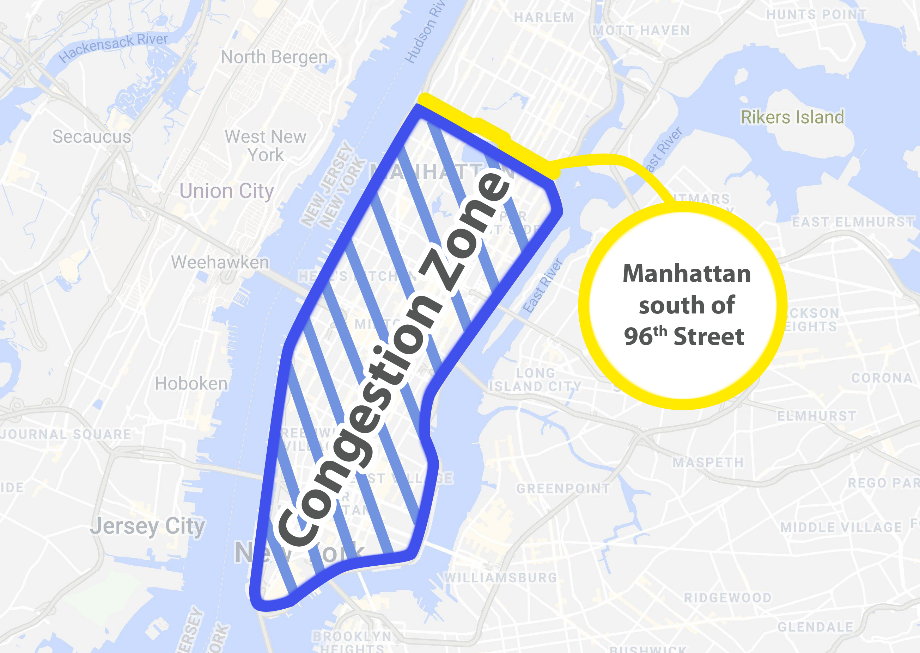
The designated area for congestion pricing in New York City is Manhattan’s Central Business District. This zone encompasses Manhattan south of 60th Street, excluding the West Side Highway and FDR Drive. It is the heart of New York City’s commercial, cultural, and tourist activity, home to major attractions like the Empire State Building, Times Square, and the Financial District.
Vehicles entering this zone will be charged a fee, with rates varying based on the time of day, vehicle type, and whether they are passenger vehicles, trucks, or motorcycles. The system will largely rely on E-ZPass transponders or license plate readers for automatic billing, similar to how tolls are collected on bridges and tunnels. This means visitors from out of state driving their own vehicles or rentals will need to be aware of how these tolls are processed to avoid fines. Hotels and accommodations within this zone will likely see a shift in guest parking behaviors, possibly encouraging guests to utilize valet services that include toll management, or to forgo bringing a car altogether.
The Rationale Behind Congestion Pricing in the Big Apple
The implementation of congestion pricing in New York City is not a whimsical decision but a strategic response to several pressing urban challenges. It draws inspiration from successful models in cities like London, Stockholm, and Singapore, which have seen significant reductions in traffic and corresponding environmental and economic benefits.
Easing Traffic and Enhancing Urban Mobility
The most immediate and apparent goal of congestion pricing is to alleviate the notorious traffic gridlock that plagues Manhattan. Reducing the sheer volume of vehicles on the road translates into faster travel times for everyone, including buses, emergency services, and commercial deliveries. For tourists, this could mean less time stuck in taxis or ride-shares and more time experiencing the city’s wonders. For business travelers, it could translate to more predictable commute times, making their stay more efficient and less stressful. Enhanced urban mobility also makes the city more pedestrian-friendly, encouraging exploration on foot, which is arguably the best way to soak in the distinct atmosphere of New York City.
Funding MTA Improvements and Public Transit
A critical component of the congestion pricing plan is its role as a revenue generator. The funds collected from the tolls are earmarked for the Metropolitan Transportation Authority (MTA) to modernize and expand New York City’s public transportation system. The MTA operates the city’s vast network of subways, buses, and commuter rail lines (Long Island Rail Road and Metro-North Railroad), which are the lifelines of the city. These improvements could include upgrading signals, making stations more accessible, purchasing new trains and buses, and generally improving the reliability and comfort of public transit.
For visitors, this means a more robust and efficient public transportation system, making it even easier to reach iconic landmarks like the Statue of Liberty ferry terminal, catch a Broadway show, or travel between boroughs like Brooklyn, Queens, and the Bronx. A well-funded MTA enhances the overall travel experience, making public transit an even more attractive and often superior option to driving.
Environmental Benefits and Sustainable Travel
Beyond traffic and funding, congestion pricing is a powerful tool for environmental sustainability. Fewer cars on the road mean a significant reduction in vehicle emissions, leading to cleaner air for millions of New York City residents and visitors. This aligns perfectly with the growing global emphasis on sustainable travel and responsible tourism. For travelers conscious of their carbon footprint, choosing to utilize New York’s public transit or walk can be a compelling aspect of their trip. The move supports a healthier urban environment, making the city a more pleasant place to live, work, and visit, further bolstering its appeal as a premier destination.
How Congestion Pricing Impacts Your New York City Experience
The introduction of congestion pricing will undeniably reshape aspects of a visit to New York City. Understanding these impacts can help travelers plan more effectively, whether they’re on a luxury getaway, a family vacation, or a crucial business trip.

For Tourists and Day-Trippers
Tourists often arrive in New York City via various entry points, including the major airports (JFK Airport, LaGuardia Airport, and Newark Liberty International Airport) or via bus and train stations like Grand Central Terminal and the Port Authority Bus Terminal. Many then rely on taxis, ride-shares, or private vehicles to reach their accommodations. With congestion pricing, anyone driving into the Central Business District will incur the charge.
This might encourage tourists to choose hotels outside the CBD (in Brooklyn, Queens, or Manhattan north of 60th Street) and commute in via subway, saving on both the congestion fee and potentially on hotel parking costs, which are notoriously high in Manhattan. For day-trippers from nearby states like New Jersey or Connecticut, parking in a commuter lot outside the CBD and taking public transit (like the PATH train from New Jersey) will become an even more financially appealing option. It essentially pushes visitors to embrace the authentic New Yorker way of getting around.
For Business Travelers and Commuters
Business travelers often prioritize efficiency and punctuality. While the congestion charge adds a direct cost to driving into the CBD, the potential for reduced traffic delays could offset this by saving valuable time. Companies with employees regularly driving into the CBD will need to factor this into their travel policies and budgets. However, many business travelers already rely on predictable public transport options for their daily commutes between hotels and meeting venues. The enhanced MTA services, funded by this initiative, could make public transit even more attractive for this demographic, supporting seamless transitions between corporate offices in the Financial District or Midtown Manhattan.
Accommodation Choices and Their Proximity to the CBD
For those planning their stay, the location of accommodation relative to the Central Business District becomes a key consideration. Hotels located within the CBD will incur the congestion charge for any vehicle dropping off or picking up guests, which might be passed on through increased valet or parking fees. While the convenience of staying in the heart of Manhattan remains unparalleled for many, options in Long Island City (Queens), Downtown Brooklyn, or even Jersey City (via PATH train) offer excellent transit connections to Manhattan without incurring the charge.
Website topics like “Hotels” and “Accommodation” are directly relevant here. Travelers should use booking sites and reviews to compare hotel prices, amenities, and transit accessibility, taking into account the new congestion fee. Long-term stays and apartments within the CBD will need to factor in potential recurring charges if residents regularly drive in or out.
Exploring NYC Without a Car: Public Transit and Ride-Shares
For most visitors, the best way to experience New York City has always been on foot or via its extensive public transit. The implementation of congestion pricing reinforces this reality. The subway system, operating 24/7, connects virtually every major attraction, neighborhood, and borough. Buses offer a surface-level view of the city, ideal for sightseeing.
Ride-sharing services like Uber and Lyft will likely incorporate the congestion charge into their fares for trips into the CBD. While still convenient, these options may become pricier than before, further tilting the balance in favor of subway and bus travel. The goal is to encourage a sustainable urban lifestyle and travel experience, minimizing personal vehicle use in the most densely populated areas.
Navigating the System: Tips for Visitors and Residents
Preparing for congestion pricing will ensure your visit to New York City is smooth and enjoyable, allowing you to focus on the landmarks, local culture, and unique experiences the city offers.
Understanding Tolls and Exemptions
The exact toll rates and hours of operation will be clearly communicated by the MTA as the system rolls out. Typically, higher fees are expected during peak weekday hours, with reduced rates at night and on weekends. There will also be specific exemptions and discounts for certain vehicles, such as emergency vehicles, authorized government vehicles, and potentially for low-income drivers or those with disabilities. Residents living within the CBD zone may also qualify for specific credits or discounts. For the average tourist or business traveler, the primary takeaway is that entering Manhattan south of 60th Street in a private vehicle during designated hours will incur a charge. Ensure your rental car or personal vehicle is equipped with E-ZPass or that you understand the plate-read billing process to avoid penalties.
Alternative Transportation Strategies
- Embrace the Subway: The New York City subway is legendary for a reason. It’s the fastest way to get around Manhattan and connect to other boroughs like Brooklyn and Queens. Purchase a MetroCard or use OMNY for tap-and-go payments with your credit card or smartphone.
- Utilize Buses: For surface-level exploration and connecting routes where the subway doesn’t go, buses are an excellent option. They offer a unique perspective of the city’s streets and neighborhoods, running regularly across avenues and cross-town.
- Walk Everywhere Possible: Manhattan is incredibly walkable. Many famous attractions are within a reasonable distance of each other. Walking is not only free but also offers the best way to soak in the city’s atmosphere, discover hidden gems, and experience the local culture.
- Consider Ferries: For scenic travel and connecting to destinations along the Hudson River and East River, NYC Ferry offers an affordable and enjoyable alternative. It’s a fantastic way to see the skyline while avoiding street traffic.
- Bike Rentals: Citi Bike stations are ubiquitous throughout Manhattan and parts of the outer boroughs, offering a flexible and fun way to get around, especially for shorter distances or exploring parks.
Planning Your Stay: Hotels and Attractions
When booking accommodations, consider their proximity to subway stations rather than just their vehicle accessibility. Hotels outside the CBD (e.g., in Long Island City, Williamsburg, or Upper Manhattan) that are well-connected by subway can offer significant savings and a less stressful experience.
For attractions, group your visits geographically to minimize travel time and maximize your exploration on foot. For example, explore Times Square, Broadway theaters, and Rockefeller Center together. Dedicate another day to Lower Manhattan attractions like the World Trade Center and the Financial District. This strategic planning not only saves money but also enhances the overall quality of your travel experience.

Conclusion: A More Efficient and Sustainable New York?
Congestion pricing in New York represents a bold step towards a more sustainable, efficient, and livable urban environment. While it introduces a new cost for those who choose to drive into Manhattan’s core, its long-term benefits are expected to be substantial: reduced traffic, cleaner air, and a significantly improved public transportation system.
For travelers, this policy underscores the importance of embracing New York City’s public transit and pedestrian-friendly infrastructure. Rather than an obstacle, it can be seen as an invitation to experience the city more authentically, immerse yourself in its vibrant energy, and contribute to its environmental well-being. By planning ahead and utilizing the diverse transportation options available, visitors can continue to enjoy the unparalleled excitement and attractions of the Big Apple without worrying about getting stuck in gridlock or incurring unexpected fees. New York City is evolving, and understanding this change will empower you to navigate its streets with confidence and ease, making your travel experience truly unforgettable.
LifeOutOfTheBox is a participant in the Amazon Services LLC Associates Program, an affiliate advertising program designed to provide a means for sites to earn advertising fees by advertising and linking to Amazon.com. Amazon, the Amazon logo, AmazonSupply, and the AmazonSupply logo are trademarks of Amazon.com, Inc. or its affiliates. As an Amazon Associate we earn affiliate commissions from qualifying purchases.