
Understanding the intricacies of a state’s tax system is paramount for anyone considering establishing roots, conducting business, or even planning an extended stay. In Connecticut, a state renowned for its blend of historic charm, picturesque landscapes, and vibrant communities, the tax structure plays a significant role in shaping the financial landscape for residents and prospective newcomers alike. For those evaluating their lifestyle choices, whether it involves relocating for work, retirement, or simply enjoying the distinct seasons of New England, a comprehensive grasp of Connecticut’s state taxes is indispensable. This article delves into the various components of Connecticut state tax, offering insights into how they impact daily living, financial planning, and the overall lifestyle experience in the state.

Understanding Connecticut’s Income Tax System
The cornerstone of Connecticut’s revenue generation, and a primary concern for most individuals, is its progressive income tax system. Unlike some states that forgo income tax entirely, Connecticut levies taxes on earned income, influencing everything from disposable income to career choices within the state.
Progressive Tax Brackets
Connecticut utilizes a progressive income tax system, meaning that as taxable income increases, so does the tax rate applied to higher portions of that income. The state has several tax brackets, ranging from a lower percentage for the initial segments of income to a higher marginal rate for the wealthiest earners. While these rates are subject to change by legislative action, understanding the current structure is crucial. For instance, single filers, married couples filing jointly, and heads of household each have specific thresholds for their respective brackets. This progressive nature aims to distribute the tax burden more equitably, ensuring that those with higher earning capacities contribute a larger percentage of their income to state coffers. It’s a system designed to fund public services and infrastructure, which in turn enhance the quality of life and accessibility for all residents across cities like Hartford, New Haven, and Stamford.
Impact on Residents and Remote Workers
The state income tax profoundly impacts the lifestyle of Connecticut residents. It directly affects the net income individuals take home from their salaries, pensions, and other taxable earnings. For those considering a move to Connecticut, or for individuals working remotely for companies outside the state while residing within its borders, understanding their tax obligations is critical. Remote workers, in particular, need to be aware of domicile rules and how Connecticut handles income sourced from other states, to avoid double taxation or unforeseen liabilities. The interplay between state and federal taxes, along with potential tax credits for taxes paid to other states, can complicate personal financial planning. This impact extends beyond just a paycheck; it influences savings potential, investment capacity, and overall financial security, all vital components of a stable lifestyle.
Considerations for High-Income Earners
Connecticut’s highest marginal income tax rates can be a significant factor for high-income earners and wealthy individuals. Areas like Greenwich, often home to high-net-worth residents, frequently feature in discussions about state tax burdens for the affluent. The implications for these individuals extend to strategic financial planning, including investment decisions, charitable contributions, and even estate planning. While the state offers a high quality of life, access to reputable schools, and proximity to major economic hubs like New York City, the tax environment is a key element in lifestyle considerations for this demographic. Understanding how income from various sources – wages, dividends, capital gains – is taxed is essential for optimizing one’s financial position within Connecticut.
The Scope of Sales and Use Tax in Connecticut
Beyond income, the cost of goods and services is another everyday financial consideration, heavily influenced by sales and use tax. This tax affects nearly every purchasing decision and is an unavoidable aspect of daily life in [Connecticut](https:// câteva words describing daily life in CT].
Standard Sales Tax Rate
Connecticut levies a state-wide sales tax on the retail sale of most goods and certain services. The standard sales tax rate applies uniformly across the state, meaning whether you’re shopping in Bridgeport, Norwalk, or a rural town, the rate remains consistent. This tax is applied at the point of sale, making it immediately visible in consumer pricing. For residents, this means that virtually every purchase, from groceries (with notable exceptions) to electronics, furniture, and restaurant meals, includes an additional percentage that goes towards state revenue. Understanding this rate is fundamental for budgeting and managing household expenses, directly impacting the discretionary spending available for recreational activities, hobbies, and personal enrichment that define one’s lifestyle.
Exemptions and Specific Goods/Services
While broad in its application, Connecticut’s sales tax statute includes several important exemptions designed to alleviate the burden on consumers for essential items. Key exemptions often include most non-prepared food items (groceries), prescription medicines, and certain medical devices. Additionally, specific services, such as professional services (e.g., legal, accounting), may not be subject to sales tax, while others (e.g., repair services, salon services) might be. There are also specific lower rates for certain items, like motor vehicles over a certain price threshold. These exemptions can subtly influence consumer behavior and purchasing decisions, encouraging spending on necessities without additional tax burden, and thus impacting the day-to-day financial lifestyle of individuals and families. Being aware of what is and isn’t taxed can help residents make more informed economic choices.
How It Affects Daily Spending and Budgeting
The sales and use tax has a pervasive impact on daily spending and budgeting for Connecticut residents. When planning a budget, it’s crucial to factor in that the listed price of many items will not be the final price paid. For families, this adds up significantly over time, affecting the cost of everything from children’s clothing to home improvements. The “use tax” component is also important; it applies to taxable goods or services purchased outside Connecticut but consumed or used within the state, where sales tax was not collected by the seller. This ensures fairness and prevents residents from circumventing state sales tax by purchasing goods online or from out-of-state retailers. Effectively managing this tax requires diligence and an understanding of its wide-ranging application, directly influencing how much disposable income remains for lifestyle choices like dining out, entertainment, and travel within or beyond Connecticut.
Property Taxes: A Key Factor for Homeowners and Renters
For many, owning a home is a central pillar of their lifestyle. In Connecticut, property taxes represent a significant ongoing cost, impacting both homeowners and, indirectly, renters. These taxes are levied at the local level and contribute substantially to municipal funding.
How Property Taxes are Assessed
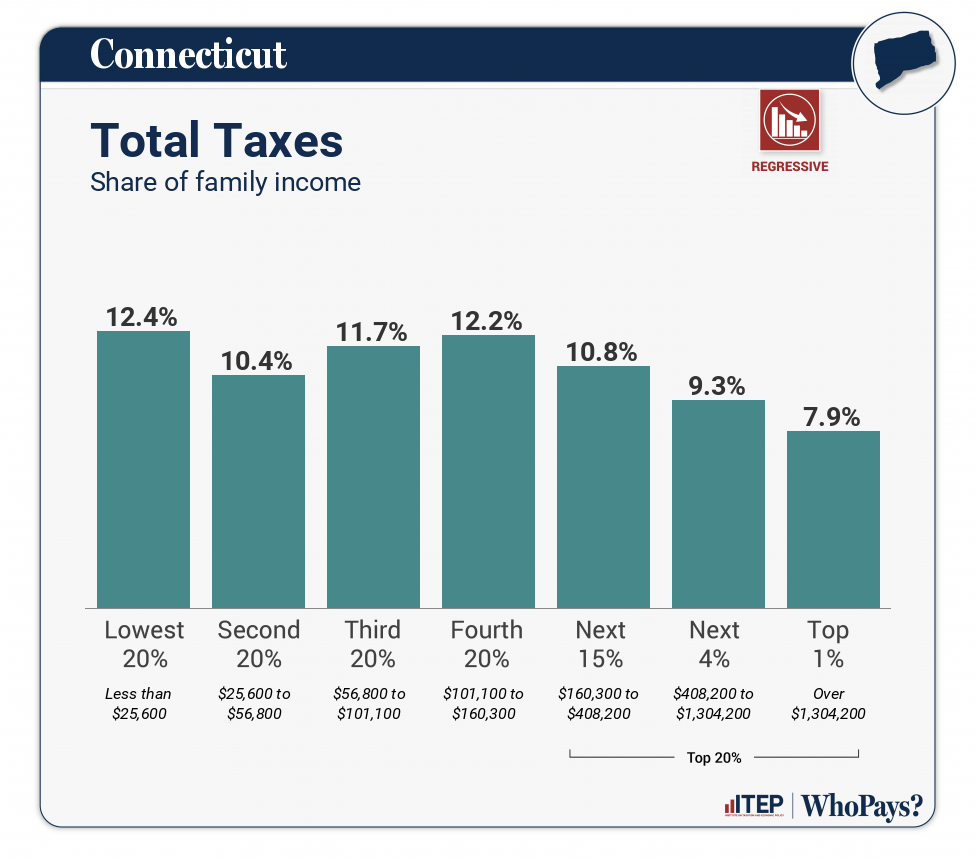
Property taxes in Connecticut are primarily levied by cities and towns, not the state government, to fund local services such as public schools, police and fire departments, and local infrastructure. The assessment process involves appraising the fair market value of real estate (land and buildings) within each municipality. Generally, the assessed value is a percentage of the property’s fair market value, often 70%. This assessed value then forms the basis upon which the tax rate is applied. Regular revaluations occur, typically every few years, to adjust property values to current market conditions, which can lead to fluctuations in tax bills. Understanding this assessment process is crucial for homeowners as it directly translates into their annual property tax liability, a major fixed cost impacting their overall financial lifestyle and homeownership budget.
Mill Rates and Local Variations
The actual amount of property tax paid is determined by multiplying the assessed value by the local “mill rate.” A mill represents $1 for every $1,000 of assessed value. Mill rates are set annually by each individual municipality and can vary significantly from one town to another, even for properties of similar market value. For example, a property in Darien might have a different mill rate than an identical property in Waterbury, leading to vastly different tax bills. These local variations are due to different municipal budgets, service levels, and the overall tax base of each community. For individuals choosing where to live in Connecticut, comparing mill rates and understanding local financial health is a critical step. It influences housing affordability, the long-term cost of homeownership, and ultimately, the ability to sustain a desired lifestyle in a particular town or city.
Implications for Housing Affordability and Investment
High property taxes can significantly influence housing affordability in Connecticut, making certain areas less accessible despite attractive home prices. This is a key consideration for both prospective buyers and real estate investors. For homeowners, property taxes are an ongoing expense that must be factored into monthly mortgage payments, affecting their disposable income. For renters, landlords often incorporate property tax costs into rental rates, meaning renters indirectly bear a portion of this burden. The implications for investment are also notable; higher property taxes can impact capitalization rates and overall returns on rental properties or real estate development. Therefore, property taxes are not just a governmental revenue stream but a fundamental economic lever that shapes demographic patterns, housing market dynamics, and the financial viability of a particular lifestyle choice in [Connecticut](https:// câteva words describing a town or region].
Other Significant Taxes Impacting Lifestyle in Connecticut
While income, sales, and property taxes are the most prominent, Connecticut levies several other taxes that can significantly affect one’s financial lifestyle and planning.
Estate and Gift Taxes
Connecticut is one of the few states that imposes both an estate tax and a gift tax, separate from federal taxes. The estate tax applies to the value of a deceased person’s taxable estate above a certain exemption threshold, potentially impacting beneficiaries and heirs. The gift tax applies to transfers of property made during a person’s lifetime that exceed an annual exclusion amount. These taxes are particularly relevant for high-net-worth individuals and families engaged in wealth transfer planning. They necessitate careful estate planning to minimize tax liabilities and ensure a smooth transfer of assets across generations. For those building a legacy or considering retirement in Connecticut, understanding these taxes is crucial for long-term financial stability and intergenerational wealth management.
Motor Vehicle and Fuel Taxes
For most Connecticut residents, a car is a necessity given the state’s geography and public transportation options. This means motor vehicle-related taxes have a direct impact on daily living. The state imposes taxes on the purchase of motor vehicles (as part of sales tax) and annual registration fees. Additionally, fuel taxes are levied on gasoline and diesel purchased at the pump. These taxes contribute to funding road maintenance, public transportation projects, and other state infrastructure. For commuters, families, and anyone who relies on personal transportation, these recurring costs can add up, influencing their overall budget for transportation and discretionary spending, and thus their mobility-related lifestyle choices.
Business Taxes
While primarily affecting businesses, the state’s corporate business tax, gross receipts tax on certain industries (like utility companies), and other business-related levies indirectly impact individuals. These taxes contribute to the overall economic health of the state, influencing job creation, local commerce, and the prices of goods and services offered by businesses. A healthy business environment, supported by predictable tax policies, can lead to more employment opportunities, better wages, and a more robust local economy, all of which enhance the lifestyle options available to residents in cities like Danbury or New London.
Navigating the Tax Landscape: Strategies for a Favorable Connecticut Lifestyle
Understanding Connecticut’s diverse tax structure is the first step; strategically navigating it is key to optimizing one’s financial lifestyle within the state.
Financial Planning and Professional Advice
Given the complexity of state and federal tax codes, professional financial planning and tax advice are invaluable resources. A qualified tax advisor or financial planner can help individuals and businesses understand their specific tax liabilities, identify potential deductions, and strategize for future financial goals. This expertise is particularly important for high-income earners, business owners, and those with complex financial portfolios, ensuring compliance while optimizing tax efficiency. Engaging with professionals can lead to more informed decisions regarding investments, retirement planning, and even where to reside, directly impacting the quality and security of one’s lifestyle in Connecticut.
Exploring Tax Credits and Deductions
Connecticut, like the United States federal government, offers various tax credits and deductions that can reduce an individual’s or business’s overall tax burden. These can include credits for earned income, property tax credits (for certain income levels), deductions for student loan interest, and specific incentives for homeowners or businesses engaged in particular activities. Staying informed about available credits and deductions, and ensuring eligibility, is a proactive way to manage tax expenses. Maximizing these benefits can free up significant financial resources, allowing for greater discretionary spending, increased savings, or investments back into one’s lifestyle and community.

Weighing the Benefits Against the Costs
Ultimately, deciding to live, work, or invest in Connecticut involves weighing the benefits of the state’s quality of life against its tax costs. Connecticut offers robust public services, excellent educational institutions, beautiful natural environments, and proximity to major metropolitan areas. For many, these advantages justify the tax burden. However, for others, particularly those with very high incomes or specific financial goals, the tax environment might be a deterrent. A balanced perspective requires a thorough personal financial analysis, considering not just the tax rates but also the value received in terms of public services, infrastructure, economic opportunities, and the overall lifestyle experience.
In conclusion, Connecticut’s state tax system is a multifaceted landscape that significantly shapes the financial realities and lifestyle choices of its inhabitants. From progressive income taxes and ubiquitous sales taxes to localized property taxes and specialized estate duties, each component plays a role in the broader economic picture. By understanding these taxes thoroughly and engaging in thoughtful financial planning, individuals can navigate Connecticut’s fiscal environment effectively, ensuring their financial decisions align with their desired lifestyle goals within the vibrant and diverse communities of this New England state.
LifeOutOfTheBox is a participant in the Amazon Services LLC Associates Program, an affiliate advertising program designed to provide a means for sites to earn advertising fees by advertising and linking to Amazon.com. Amazon, the Amazon logo, AmazonSupply, and the AmazonSupply logo are trademarks of Amazon.com, Inc. or its affiliates. As an Amazon Associate we earn affiliate commissions from qualifying purchases.