
California, often celebrated as the Golden State, is renowned for its stunning landscapes, vibrant culture, and innovative spirit. From the sun-drenched beaches of Southern California to the majestic redwoods of the north, it’s a dream destination for many, embodying a certain aspirational lifestyle. However, behind the glamour and tech boom lies a significant challenge: the exceptionally high cost of living. This reality makes understanding “low income” in California not just a matter of statistics, but a crucial aspect of daily life, influencing everything from housing choices to travel possibilities and the overall quality of life for millions. For residents and prospective visitors alike, especially those keen on experiencing California without a luxury budget, grasping these economic thresholds is essential for planning accommodation, exploring tourist attractions, and enjoying the state’s diverse offerings.
The concept of low income here is far from uniform; it’s a dynamic threshold that shifts dramatically based on location, household size, and fluctuating economic conditions. What might be considered a comfortable middle-class income in another state could easily fall into the “low income” bracket in many parts of California, particularly in its major metropolitan areas. This article delves into what constitutes low income in California, exploring the official definitions, the factors that drive these unique thresholds, and, crucially, how individuals and families navigate travel, tourism, and lifestyle choices within these economic realities. Whether you’re a long-term resident seeking assistance, a budget-conscious traveler planning your next California adventure, or simply curious about the economic landscape of one of the world’s most desired destinations, understanding these income guidelines is your first step.

Understanding Low-Income Thresholds in the Golden State
Defining “low income” in California is a complex endeavor, primarily because the state’s economic landscape is so varied. It’s not a single, static number but a spectrum influenced by federal guidelines, state adjustments, and, most significantly, the astronomical cost of housing and daily living expenses in different regions. This section will break down the primary definitions and illustrate the stark contrasts across the state.
Defining Low Income: Federal vs. State Guidelines
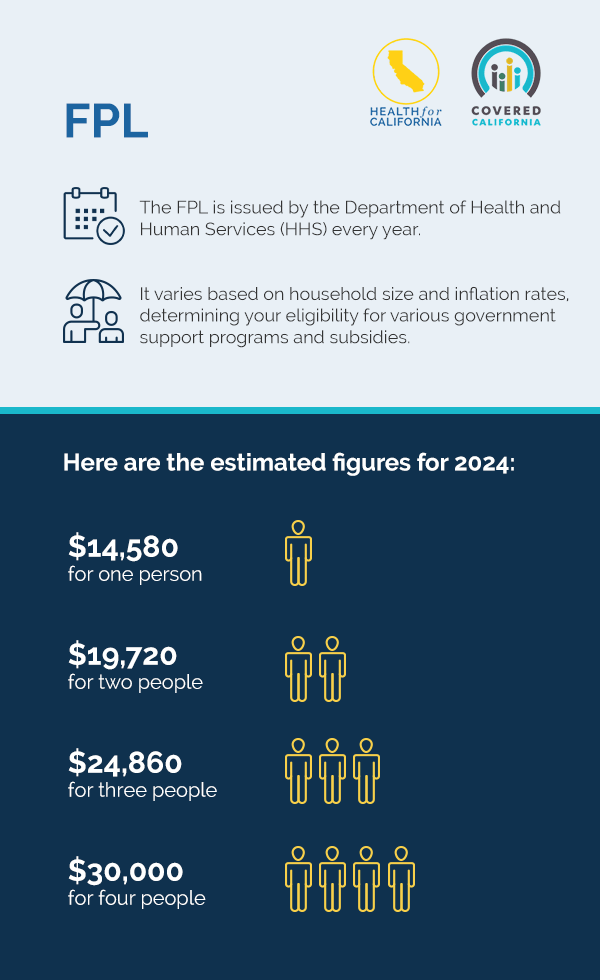
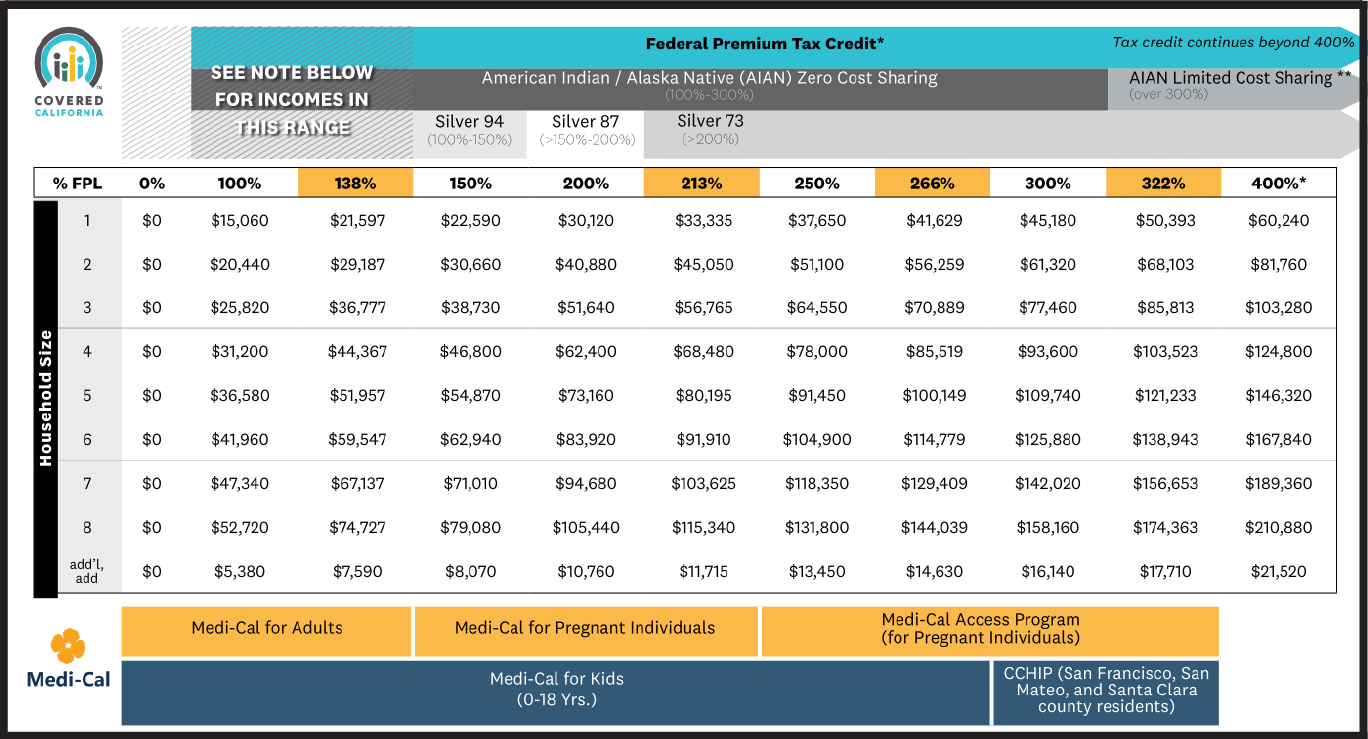
The most common benchmark for low-income status in the United States comes from the Department of Housing and Urban Development (HUD). HUD establishes income limits annually for various housing programs, categorizing them as “low income” (80% of the Area Median Income, or AMI), “very low income” (50% of AMI), and “extremely low income” (30% of AMI). These figures are calculated for each metropolitan area and non-metropolitan county, taking into account household size.
In California, these HUD guidelines are particularly impactful because the AMI in many areas is incredibly high. For instance, in 2023, a household of one person earning up to approximately $90,000 might still be considered “low income” in San Francisco or San Jose. In contrast, the same income level could be well above the low-income threshold in a more rural or less expensive county like Kern County or Shasta County. The state of California often adopts or adapts these HUD limits for its own programs, such as affordable housing initiatives, rental assistance, and specific state-funded support services.
The dramatic variation means that a family of four earning $100,000 annually might struggle significantly in Los Angeles or Orange County, potentially qualifying for certain low-income programs, whereas they would be considered solidly middle-class in, say, Fresno or Bakersfield. This regional disparity is critical for anyone trying to understand the economic realities, whether they are considering a move, seeking local assistance, or simply planning a budget-friendly trip through various parts of the state. It underscores why a holistic approach to understanding low income in California must always consider geographical context.
The Impact of Housing Costs: A Defining Factor
Undoubtedly, the single most significant factor driving California’s high low-income thresholds is the prohibitive cost of housing. Both rental prices and homeownership costs have soared, pushing average incomes further down the relative economic ladder. In metropolitan hubs like San Francisco, the median rent for a one-bedroom apartment can easily exceed $3,000 per month. Similarly, in Los Angeles and San Diego, median rents hover around $2,500-$2,800. These figures consume a disproportionately large share of an individual’s or family’s income, often exceeding the recommended 30% for housing, leaving little for other necessities, let alone discretionary spending on travel or leisure.
The ripple effect of these housing costs is felt throughout the entire economy. Higher rents mean workers need higher wages to afford basic living, which in turn can lead to higher prices for goods and services. This creates a challenging cycle for those at the lower end of the income spectrum, making it difficult to save, invest, or even enjoy the myriad attractions that draw people to California in the first place. For budget travelers, this translates into a constant search for affordable accommodation, often steering them away from prime tourist locations towards more suburban or lesser-known areas. For residents, it means making hard choices about where to live, often commuting long distances from more affordable communities like Riverside or Stockton to work in coastal cities. The quest for accessible accommodation, whether a budget hotel or a long-term rental, is a central theme in the lifestyle of many low-income Californians and those planning to visit economically.
Navigating Travel and Lifestyle on a Limited Budget in California
Despite the high cost of living and the challenging low-income thresholds, California remains an incredibly desirable place to live and visit. For those operating on a limited budget, whether residents or tourists, smart planning and strategic choices can unlock many of the state’s wonders without breaking the bank. This section explores practical approaches to travel, accommodation, and experiencing California’s vibrant lifestyle economically.
Affordable Accommodation Strategies
Finding affordable accommodation is often the biggest hurdle for budget-conscious travelers and long-term residents in California. The average price for a hotel room in popular destinations can quickly deplete a modest budget. However, several strategies can help alleviate this financial burden:
- Hostels and Guesthouses: Especially popular in major cities like San Francisco, Los Angeles, and San Diego, hostels offer dormitory-style rooms or private rooms at a fraction of the cost of traditional hotels. Places like HI San Francisco Fisherman’s Wharf Hostel or USA Hostels San Diego provide not just a bed but also a communal atmosphere that can enhance the travel experience.
- Budget Hotel Chains: Chains such as Motel 6, Super 8, and Travelodge are ubiquitous across California, offering basic amenities at more accessible price points. While they may lack the luxury of a resort hotel or a boutique hotel, they provide clean, safe places to stay, particularly useful for road trips.
- Vacation Rentals and Airbnb Alternatives: While Airbnb can sometimes be expensive, searching for rooms in shared homes, guesthouses, or focusing on off-peak seasons can yield significant savings. Websites like VRBO or local vacation rental agencies might also offer competitive rates, especially for longer stays in areas like Palm Springs or the Central Coast.
- Camping and RV Parks: California’s extensive state park system and national parks like Yosemite National Park or Joshua Tree National Park offer numerous campgrounds. This option is not only budget-friendly but also provides an immersive experience with California’s stunning nature. Even near urban centers, there are often RV parks or campgrounds that provide a cost-effective alternative to city hotels.
- Staying Outside Major Tourist Hubs: Instead of staying directly in expensive downtown areas, consider accommodation in neighboring suburbs or smaller towns. For example, when visiting San Francisco, consider staying across the bay in Oakland or Berkeley, which are often more affordable and well-connected by public transport. Similarly, exploring Disneyland from a hotel in Anaheim’s surrounding areas rather than directly on resort property can save a significant amount.
For long-term residents or those considering extended stays, researching shared apartments, rooms for rent, or even co-living spaces in cities like San Diego or Sacramento can be the most viable path to maintaining a budget. The key is flexibility, early booking, and a willingness to explore options beyond the conventional.
Exploring California’s Riches Without Breaking the Bank
California is rich with experiences that don’t require a hefty bank account. Many of its most iconic attractions are free or offer low-cost alternatives, making the state accessible to those on a limited income or budget travelers.
- Natural Wonders: California’s unparalleled natural beauty is often its most accessible treasure. Beaches like Santa Monica Beach, Laguna Beach, and La Jolla Cove offer free access for swimming, sunbathing, and surfing. State parks, while sometimes requiring a modest day-use fee, provide incredible hiking, scenic drives, and wildlife viewing opportunities. Exploring the stunning landscapes of the Pacific Coast Highway is a memorable experience that costs only gas money.
- Free Cultural Landmarks and Attractions: Many of California’s cities boast free or low-cost cultural attractions. In Los Angeles, visitors can stroll the Hollywood Walk of Fame, explore Griffith Park (with its free observatory access), or visit the Getty Center (free admission, parking fee only). San Francisco offers the iconic Golden Gate Bridge, Golden Gate Park (home to several free gardens and museums), and the bustling Ferry Building Marketplace where one can enjoy the atmosphere without spending much. Many smaller towns also have charming downtowns, local museums, and historical sites with free entry.
- Budget-Friendly Food Experiences: Eating out can be expensive, but California is a mecca for diverse and delicious street food, food trucks, and farmers’ markets. Exploring ethnic neighborhoods like Los Angeles’s Koreatown or San Francisco’s Mission District can lead to authentic and affordable culinary delights. Shopping at local farmers’ markets for fresh produce and picnic supplies is not only economical but also a wonderful way to experience local culture and cuisine.
- Public Transportation and Carpooling: In larger cities, utilizing public transportation systems like BART in the Bay Area or Metro in Los Angeles can significantly reduce travel costs compared to taxis or ride-shares. For longer distances, carpooling or utilizing services like Amtrak can offer scenic and cost-effective alternatives to flying or extensive driving.
- Free Events and Festivals: California is almost always hosting a free community event, concert in the park, or cultural festival. Checking local event listings in cities like Pasadena, Santa Barbara, or Long Beach can reveal a wealth of entertainment options that cost nothing to attend.
Embracing a lifestyle that prioritizes experiences over extravagant spending is key. By focusing on the vast array of free natural attractions, cultural sites, and smart culinary choices, both residents and visitors can enjoy the essence of California even when operating on a limited income.
Programs and Resources for Low-Income Californians (and Budget Travelers)
For residents of California who fall into the low-income categories, a variety of state and federal programs exist to provide essential support. While primarily aimed at residents, some of these initiatives, or the philosophies behind them, can offer valuable insights and indirect benefits for budget travelers planning a trip to the Golden State. Understanding these resources underscores the state’s commitment to supporting its diverse population, while also highlighting the practicalities of a budget-conscious lifestyle.
Assistance Programs and Discounts
California offers numerous programs designed to help low-income residents with critical needs, freeing up disposable income that might otherwise be spent on necessities. These programs indirectly contribute to a more manageable lifestyle, sometimes even allowing for local tourism and leisure activities that would otherwise be out of reach.
- Housing Assistance: Programs like Section 8 vouchers, administered by local housing authorities, help bridge the gap between market rents and what low-income families can afford. While highly competitive, securing such assistance can significantly reduce the largest household expense, making other forms of spending, including local travel, more feasible.
- Utility and Energy Assistance: Programs like the California Alternate Rates for Energy (CARE) and Family Electric Rate Assistance (FERA) provide discounts on utility bills for eligible low-income households. This frees up crucial funds for other expenses, including entertainment or small trips within the state.
- Food Assistance: The CalFresh program (California’s version of SNAP) provides monthly food benefits. This ensures food security, allowing families to allocate their cash income to other areas, potentially including a day trip to a landmark or a cultural event.
- Healthcare Access: Medi-Cal provides comprehensive health coverage for low-income individuals and families. By covering medical expenses, it prevents catastrophic financial setbacks that could derail any budget for leisure or travel.
- Transportation Discounts: Many public transportation systems across California, including Metrolink in Southern California and local bus services, offer discounted fares for seniors, students, and low-income individuals. This directly benefits residents by making local exploration and commuting more affordable.
- Cultural and Recreational Discounts: Many museums, zoos, and cultural institutions in cities like San Jose, Oakland, and Sacramento offer “free days,” reduced admission for low-income families, or special passes. Libraries often provide free passes to local attractions, enabling families to visit places like the California Academy of Sciences or the Aquarium of the Pacific without the usual entry fees. This makes tourism and engaging with local culture accessible to a broader audience.
These programs, while varied in their scope and eligibility, collectively aim to alleviate the financial pressures on low-income Californians. By addressing fundamental needs, they indirectly foster a lifestyle that, even with limited resources, can still include elements of leisure and exploration within the state.
The Rise of Budget-Friendly Tourism
The travel and tourism industry in California is acutely aware of the economic diversity of its potential customers. As a result, there’s a growing trend towards offering more budget-friendly options, making the state’s attractions more accessible to low-income residents and savvy travelers alike. This shift aligns perfectly with the website’s focus on various accommodation types and travel experiences.
- Value-Oriented Accommodation: Beyond the luxury resorts and high-end suites, there’s a robust market for value-oriented hotels, motels, and apartment-style accommodations. These often feature basic amenities, sometimes including kitchenettes, which further reduces costs by allowing guests to prepare their own meals. Areas like the Central Valley or cities slightly off the main tourist path often have significantly lower accommodation costs.
- Camping and Glamping: The increasing popularity of camping, RV travel, and even “glamping” (glamorous camping) reflects a desire for affordable yet immersive travel experiences. California’s state and national parks offer countless opportunities for this, from primitive backcountry sites in Sequoia National Park to developed campgrounds with amenities.
- Local Tourism Promotion: Many cities actively promote local tourism with an emphasis on free or low-cost activities. Tourist boards in places like Santa Cruz or Monterey highlight their free beaches, scenic drives, and public parks, encouraging residents and visitors to explore without significant expense.
- Package Deals and Off-Season Travel: Travel agencies and hotel chains frequently offer package deals that combine accommodation, attractions, and sometimes even meals at a reduced price. Traveling during the off-season (e.g., winter for coastal areas, or shoulder seasons for national parks) can also lead to substantial savings on both flights and hotel bookings.
- The Sharing Economy: Beyond Airbnb, the sharing economy offers car-sharing services, ride-sharing, and even local experience platforms that can be more economical than traditional tours or rental cars. This allows for customized, budget-friendly adventures tailored to individual interests.
This evolution in the tourism sector demonstrates a recognition that California’s allure should extend beyond the affluent. By diversifying offerings and promoting value-conscious options, the state ensures that its natural beauty, vibrant cities, and rich cultural tapestry remain accessible, even for those carefully managing their finances. This creates a balanced ecosystem where both luxury travelers and budget explorers can find their perfect California experience.
Conclusion
Understanding what constitutes low income in California is far more than an academic exercise; it’s a window into the economic realities that shape life and leisure in one of the United States’ most dynamic and expensive states. The thresholds are notably higher than the national average, a direct reflection of soaring housing costs and the overall high cost of living, particularly in major metropolitan areas like San Francisco, Los Angeles, and San Diego. These economic definitions directly influence the lifestyle choices of millions of residents, from where they choose to live to how they manage their travel and leisure pursuits.
Yet, the Golden State’s inherent appeal and diverse offerings are not exclusively reserved for the wealthy. Through careful planning, strategic accommodation choices, and an embrace of budget-friendly activities, individuals and families on a limited income can still experience the magic of California. The availability of hostels, budget hotels, camping sites, and discounted vacation rentals ensures that affordable lodging options exist. Furthermore, the state’s wealth of free natural attractions, public parks, cultural landmarks, and community events provides endless opportunities for exploration and enjoyment without significant financial outlay.
For low-income Californians, a network of state and federal assistance programs provides crucial support, easing the burden of essential expenses and indirectly freeing up resources for local tourism and lifestyle enhancements. Concurrently, the tourism industry itself is evolving, recognizing the demand for value-oriented experiences and promoting diverse options that cater to various budgets. This symbiotic relationship between available resources and a flexible approach to travel and lifestyle allows for a rich California experience, regardless of income bracket.
Ultimately, while the economic landscape presents unique challenges, California’s spirit of innovation and accessibility ensures that its beauty, culture, and adventures remain within reach. Whether you are a resident navigating daily life or a traveler dreaming of a California getaway, understanding these low-income thresholds and the wealth of budget-friendly options is key to unlocking the state’s full potential and enjoying an authentic Golden State experience.