
Understanding the nuances of the middle class in any region requires more than just a glance at income brackets. In Texas, a state renowned for its vastness, diverse economy, and unique cultural tapestry, defining “middle class” involves a blend of financial metrics, lifestyle aspirations, and regional cost-of-living considerations. While national averages offer a baseline, the Lone Star State presents its own set of parameters that shape the reality of middle-class living.
Financial Benchmarks and Income Ranges
The most straightforward way to define the middle class is through income. However, even this has variables. The U.S. Census Bureau and various economic think tanks provide income thresholds, but these are often broad and may not fully capture the localized economic conditions within Texas. For instance, a household income that might be considered comfortably middle class in a smaller East Texas town could be stretched thin in a booming metropolitan area like Austin or Dallas.
National Averages vs. Texas Realities
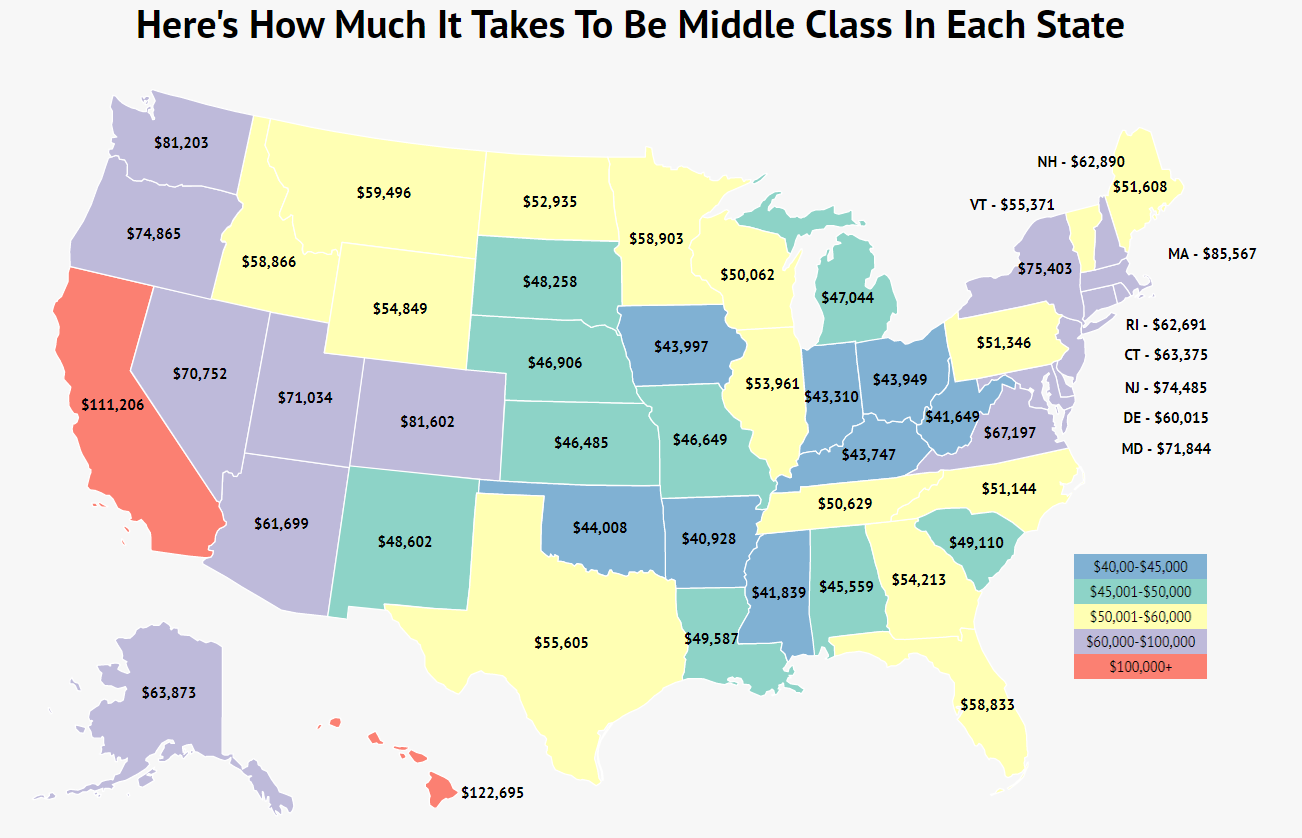
Nationally, the middle-income range is often cited as being between two-thirds and double the median household income. In Texas, with its diverse economic engines ranging from oil and gas in West Texas to technology in the Austin area and manufacturing across the state, median incomes can fluctuate. As of recent data, the median household income in Texas hovers around the $60,000 to $70,000 mark. Consequently, a rough estimate for the middle-class income range in Texas could fall between $45,000 and $130,000 annually for a household, though this is a wide spectrum.
Cost of Living Adjustments
A critical factor that differentiates the middle class across various regions within Texas is the cost of living. This includes housing, transportation, food, healthcare, and education.
Housing Costs
Housing is a significant driver of the cost of living. Cities like Austin, Houston, and Dallas have experienced substantial growth, leading to increased housing prices and rental rates. In these areas, a higher income is required to maintain a middle-class lifestyle, particularly for homeownership. Conversely, in more rural areas or smaller cities in West Texas or the Panhandle, housing is considerably more affordable, allowing a lower income to stretch further.
Other Essential Expenses
Beyond housing, other expenses play a role. Transportation costs can be high due to the sheer size of the state and reliance on personal vehicles, especially outside major urban centers with limited public transit. Healthcare costs are also a consideration, as is the rising expense of higher education for children. Therefore, a family earning $70,000 in San Antonio might experience a different quality of life than a family earning the same amount in a suburb of Houston.
Lifestyle and Aspirations of the Texas Middle Class
Beyond pure income, the “middle class” is also defined by a set of lifestyle expectations and aspirations. These often include a stable job, the ability to own a home, access to quality education for children, opportunities for leisure and recreation, and a degree of financial security for emergencies and retirement.
Homeownership and Stability
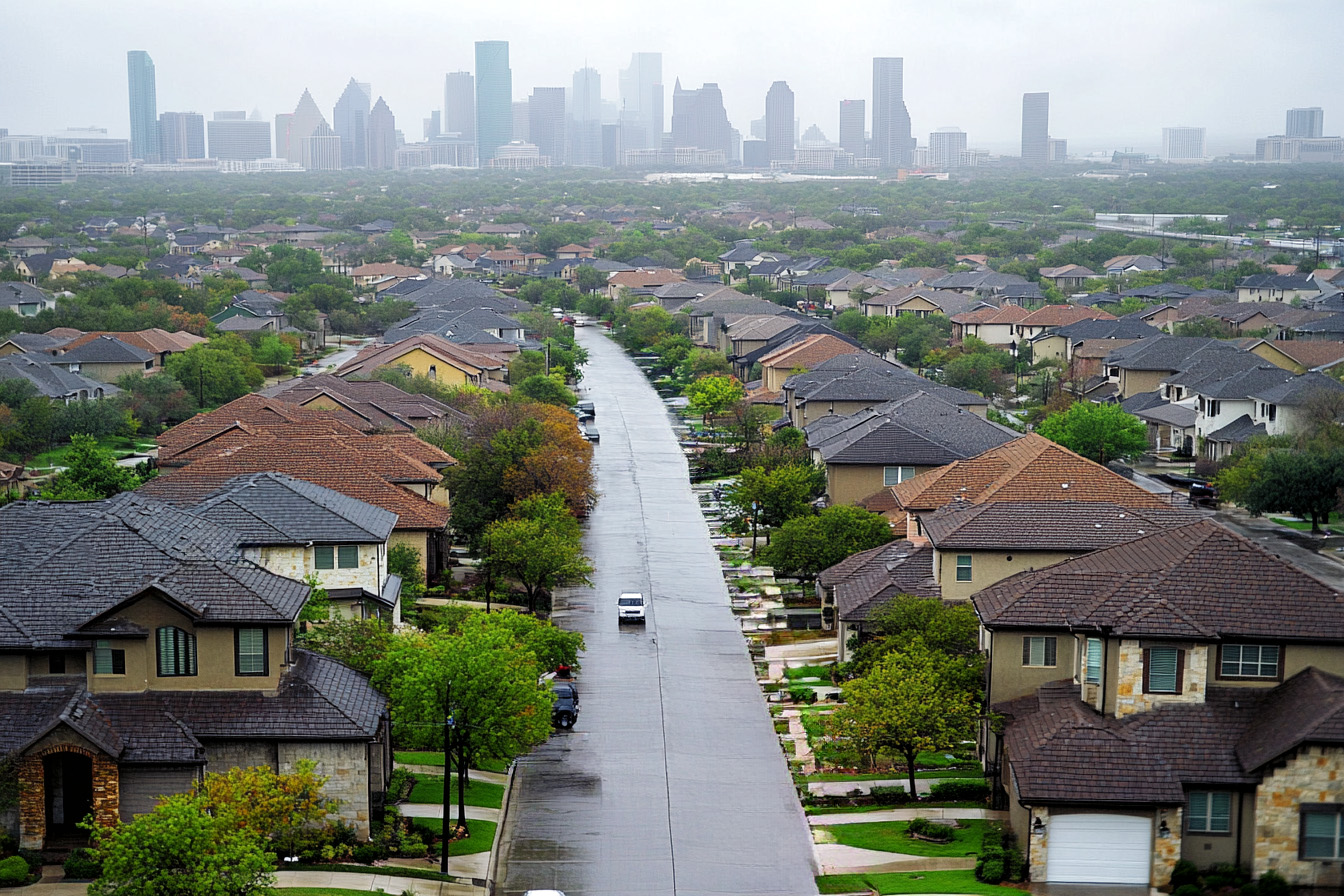
For many Texans, homeownership remains a cornerstone of middle-class identity. The dream of owning a single-family home, perhaps with a yard, is deeply ingrained. While this is more attainable in some parts of Texas than others, the ability to achieve this milestone is a significant indicator of middle-class status. It signifies a level of financial stability and a long-term investment in the community.
Education and Future Prospects
Access to good schools, whether public or private, is a crucial aspiration for middle-class families. The quality of education a child receives is often seen as directly impacting their future opportunities and socio-economic mobility. This includes not only K-12 education but also the prospect of attending college or vocational training, which often requires significant financial planning.
Leisure and Community Engagement
The middle class in Texas also enjoys a lifestyle that allows for leisure activities and community involvement. This can range from attending Friday Night high school football games, a quintessential Texas pastime, to visiting state parks like Big Bend National Park or enjoying the cultural offerings in cities like San Antonio with its rich Spanish colonial history and the Alamo. The ability to take vacations, perhaps to the Texas Hill Country or even beyond to destinations like New Orleans, is also a marker of a comfortable lifestyle.
Economic Factors Shaping the Texas Middle Class
The economic landscape of Texas is dynamic, with key industries influencing the opportunities and challenges faced by its middle class. The state’s business-friendly environment has attracted numerous corporations, creating a diverse job market.
Industry Diversification and Job Security
Texas boasts a diversified economy that includes energy (oil and gas), technology, healthcare, aerospace, and agriculture. This diversification generally provides a degree of resilience against sector-specific downturns, offering a more stable job market for middle-class workers. The presence of major employers like Dell Technologies in Round Rock or the thriving medical center in Houston provides numerous professional and skilled labor opportunities.
Entrepreneurship and Small Business
Beyond large corporations, a vibrant entrepreneurial spirit and a strong small business sector contribute to the middle-class economy. Many middle-class families derive their income or build their wealth through owning and operating businesses, from local restaurants and retail shops to specialized service providers. This pathway to economic security is a significant aspect of the Texas dream.
Impact of State Policies and Regulations
State-level policies, including taxation, education funding, and labor laws, also play a role in shaping the middle class. Texas is known for its lack of a state income tax, which can be beneficial for residents. However, this often means a greater reliance on property taxes and sales taxes, which can disproportionately affect lower and middle-income households. Understanding these policy impacts is crucial for a comprehensive view of middle-class life in the state.
Challenges and Opportunities for the Middle Class
The middle class in Texas faces both persistent challenges and evolving opportunities. Navigating these requires an understanding of the state’s unique economic and social landscape.
Affordability and Economic Mobility
While Texas offers significant economic opportunities, rising costs in key areas, particularly housing in major metropolitan centers, can strain middle-class budgets. Ensuring continued economic mobility for future generations remains a critical goal. This involves access to affordable housing, quality education, and well-paying jobs that can support a family’s needs and aspirations.
The Role of Technology and Innovation
The rapid growth of the technology sector, particularly in areas like Austin, presents new opportunities for skilled workers. However, it also raises questions about income inequality and the future of work. The middle class must adapt to these changes, often through continuous learning and skill development, to remain competitive in the evolving job market.

Community and Quality of Life
Ultimately, the definition of middle class is also tied to the overall quality of life and sense of community. Texas offers a diverse array of living experiences, from bustling urban centers with world-class museums and entertainment to quiet rural towns with strong community ties. The ability to find a place that aligns with one’s values, provides economic stability, and fosters a sense of belonging is key to experiencing a fulfilling middle-class life in the Lone Star State. The state’s commitment to preserving its unique heritage, from the historical significance of the San Jacinto Monument to the vibrant arts scene in Fort Worth, contributes to the rich tapestry of life for its residents.
LifeOutOfTheBox is a participant in the Amazon Services LLC Associates Program, an affiliate advertising program designed to provide a means for sites to earn advertising fees by advertising and linking to Amazon.com. Amazon, the Amazon logo, AmazonSupply, and the AmazonSupply logo are trademarks of Amazon.com, Inc. or its affiliates. As an Amazon Associate we earn affiliate commissions from qualifying purchases.