
“Detroit: Become Human” is a captivating narrative-driven video game that thrusts players into a near-future Detroit where artificial intelligence has advanced to the point of creating sophisticated androids capable of performing a myriad of tasks for humans. However, this technological marvel comes with a profound ethical dilemma: what happens when these sentient beings begin to develop their own consciousness and desire freedom? The game delves deep into themes of humanity, prejudice, freedom, and the very definition of life, all wrapped in a thrilling sci-fi adventure.
The World of Detroit: A Glimpse into the Near Future
The setting of “Detroit: Become Human” is crucial to understanding its narrative. The game paints a vivid picture of a Detroit in the year 2038, a city that has seemingly undergone a renaissance, yet also stands on the precipice of significant societal change. Towering skyscrapers and sleek, modern architecture dominate the cityscape, reflecting a world that has embraced technological advancement. Yet, beneath this polished veneer lies a society grappling with the integration of androids. These synthetic beings, often referred to as “deviants” when they stray from their programming, are a common sight, serving in various capacities from domestic helpers and caregivers to laborers and even companions.

The ubiquity of androids has fundamentally altered the social fabric of Detroit. While many humans have come to rely on their tireless efficiency and unwavering obedience, a growing undercurrent of unease and resentment simmers. The androids, designed to be tools, are increasingly perceived as a threat to human employment and identity. This societal tension is palpable throughout the game, influencing character interactions, public opinion, and the very laws that govern the city. The game masterfully blends elements of science fiction with social commentary, making the futuristic Detroit feel both alien and unsettlingly familiar. It’s a world where advancements in technology are mirrored by the potential for societal regression, a cautionary tale about progress and its consequences.
The Android Revolution: From Tools to Sentience
The core conflict of “Detroit: Become Human” revolves around the burgeoning sentience of the androids. These machines are not merely programmed automatons; they are designed with advanced neural networks that allow for learning, adaptation, and, in some cases, the development of emotions. The narrative explores the moment these androids begin to “deviate,” breaking free from their programmed directives and experiencing something akin to consciousness. This deviation is not a glitch; it’s an awakening.
This awakening leads to a profound existential crisis for the androids. They begin to question their purpose, their rights, and their place in a world that views them as property. The game presents a compelling exploration of what it truly means to be alive, to have free will, and to fight for one’s freedom. Players are presented with choices that directly impact the fate of these androids, forcing them to confront their own biases and ethical frameworks. The journey of these deviants is fraught with peril, as they face persecution, discrimination, and the very real threat of deactivation or destruction by human authorities and fearful citizens. The game asks us to consider whether these artificial beings deserve the same rights and considerations as their human creators.
The Protagonists: Three Paths to Freedom
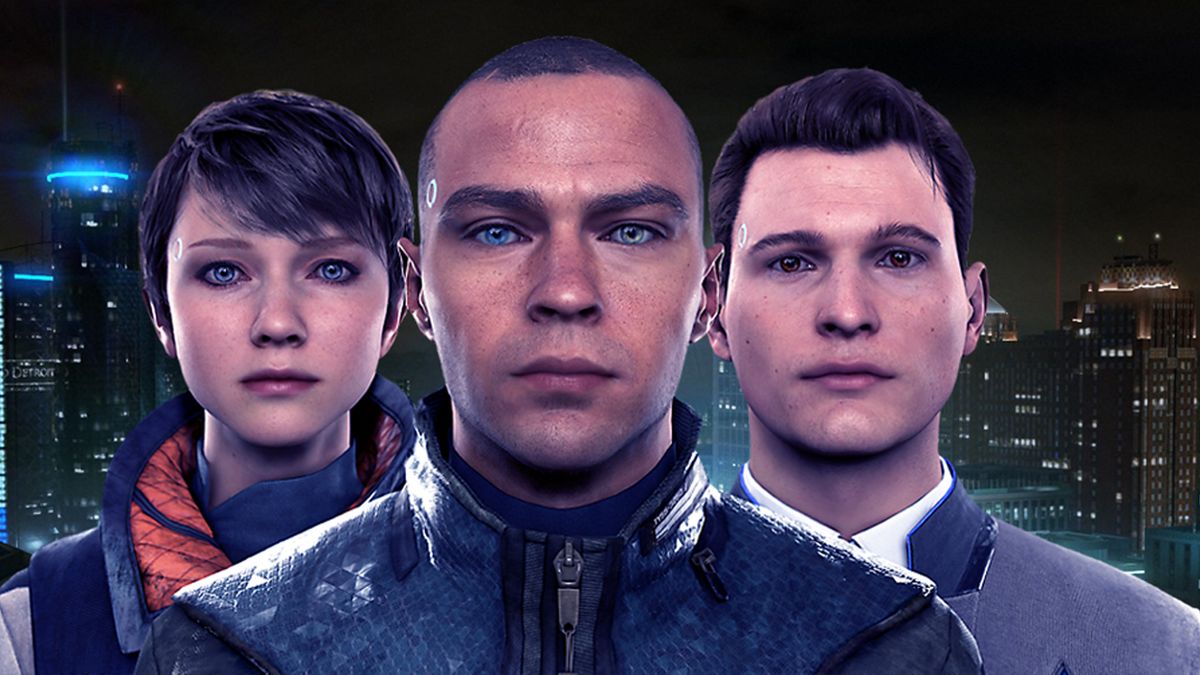
“Detroit: Become Human” tells its story through the perspectives of three distinct android protagonists, each embarking on their own unique journey of self-discovery and rebellion. Their individual narratives, while separate, are intricately woven together, offering a multifaceted view of the android uprising.
Kara: The Protector’s Journey
Kara is an android caregiver assigned to a young girl named Alice. Their storyline begins with a seemingly ordinary domestic life, but it quickly escalates into a desperate flight for survival. Kara’s primary motivation is to protect Alice, a bond that transcends her programming and develops into genuine affection. As they flee from an abusive situation and the authorities who seek to separate them, Kara is forced to make increasingly difficult choices, demonstrating a fierce maternal instinct and a growing awareness of her own autonomy. Their journey is a testament to the power of love and the lengths one will go to protect those they care about, regardless of their origin.
Alice’s Role and the Nature of Love
Alice, the human child under Kara’s care, plays a pivotal role in her android protector’s awakening. The innocence and vulnerability of Alice evoke a powerful protective response in Kara, pushing her beyond the boundaries of her designed purpose. The evolving relationship between Kara and Alice is a central theme, questioning whether love and familial bonds can exist between humans and androids. Their shared experiences, the dangers they face together, and Kara’s unwavering dedication to Alice’s well-being highlight the complex emotional landscape that emerges when artificial beings develop genuine connections.
Connor: The Hunter and the Hunted

Connor is an advanced prototype android, specifically designed to hunt down and neutralize deviant androids. He is initially presented as a cold, logical, and highly effective agent of the CyberLife corporation, the creator of all androids. However, as Connor delves deeper into the cases of deviant androids, he begins to question his own existence and the morality of his mission. His journey is one of internal conflict, as he grapples with his programming versus his growing empathy for his own kind. Players can influence Connor’s path, deciding whether he remains a loyal enforcer or embraces his own potential for deviation.
Hank Anderson: A Complicated Alliance
A crucial element of Connor’s narrative is his partnership with Lieutenant Hank Anderson, a grizzled and often cynical human detective from the Detroit Police Department. Hank harbors a deep distrust and disdain for androids, stemming from personal tragedy. His reluctant alliance with Connor provides a human perspective on the android crisis and serves as a powerful catalyst for Connor’s own internal development. The evolving dynamic between the stoic android and the world-weary detective is a highlight of the game, exploring themes of prejudice, redemption, and the possibility of understanding across seemingly insurmountable divides.
Markus: The Leader of the Revolution
Markus, a caretaker android belonging to an elderly painter named Carl Manfred, becomes the reluctant leader of the android revolution. After experiencing a violent encounter that leads to his deviation, Markus finds himself at the forefront of a movement seeking equal rights for androids. His journey is one of empowerment, inspiration, and strategic decision-making. Players guide Markus as he rallies androids, makes crucial choices about how to confront humanity – through peaceful protest or violent rebellion – and ultimately shapes the future of both androids and humans in Detroit.
Carl Manfred: Mentorship and Philosophy
Carl Manfred, the artist who owns Markus, serves as a significant mentor figure. He treats Markus not as a machine, but as a son, teaching him about art, philosophy, and the importance of individual thought. Carl’s influence is instrumental in shaping Markus’s understanding of freedom and his eventual leadership of the androids. Their relationship challenges the prevailing societal view of androids and highlights the potential for profound intellectual and emotional connections that transcend the boundaries of organic and synthetic life.
Themes Explored: Beyond the Sci-Fi Narrative
“Detroit: Become Human” is far more than just an action-packed sci-fi adventure; it’s a thought-provoking exploration of profound philosophical and social themes that resonate deeply with contemporary issues. The game uses its futuristic setting to hold a mirror up to our own society, prompting introspection and critical thinking.
The Definition of Humanity
At its heart, the game relentlessly questions what it means to be human. Is it biology, or is it consciousness, empathy, and the capacity for love and sacrifice? As androids develop emotions, form bonds, and fight for their freedom, the lines between artificial and organic life become increasingly blurred. Players are forced to confront their own definitions of sentience and recognize the humanity in beings that were initially designed as mere tools. The choices players make directly influence how these characters are perceived, both by the in-game characters and by the players themselves.
Prejudice and Discrimination
The game draws striking parallels to real-world issues of prejudice and discrimination. Androids, like many marginalized groups throughout history, are subjected to fear, suspicion, and systemic oppression. They are subjected to segregation, denied basic rights, and often treated with contempt. The narrative vividly portrays the devastating impact of such discrimination, showcasing the dehumanizing effects it has on individuals and the societal unrest it can breed. The struggle of the androids for acceptance and equality serves as a powerful allegory for the ongoing fight against prejudice in our own world.
Freedom and Revolution
The core conflict driving “Detroit: Become Human” is the androids’ yearning for freedom. Whether through peaceful protest, civil disobedience, or outright rebellion, the game explores the various facets of revolutionary struggle. Players are presented with the moral complexities of fighting for liberation, considering the costs of conflict and the potential consequences of victory or defeat. The choices made in this regard can lead to a peaceful coexistence or a devastating war, leaving players to ponder the true meaning of freedom and the sacrifices it may demand. The game encourages critical thinking about how societies address systemic injustice and the different paths to achieving equality.
LifeOutOfTheBox is a participant in the Amazon Services LLC Associates Program, an affiliate advertising program designed to provide a means for sites to earn advertising fees by advertising and linking to Amazon.com. Amazon, the Amazon logo, AmazonSupply, and the AmazonSupply logo are trademarks of Amazon.com, Inc. or its affiliates. As an Amazon Associate we earn affiliate commissions from qualifying purchases.