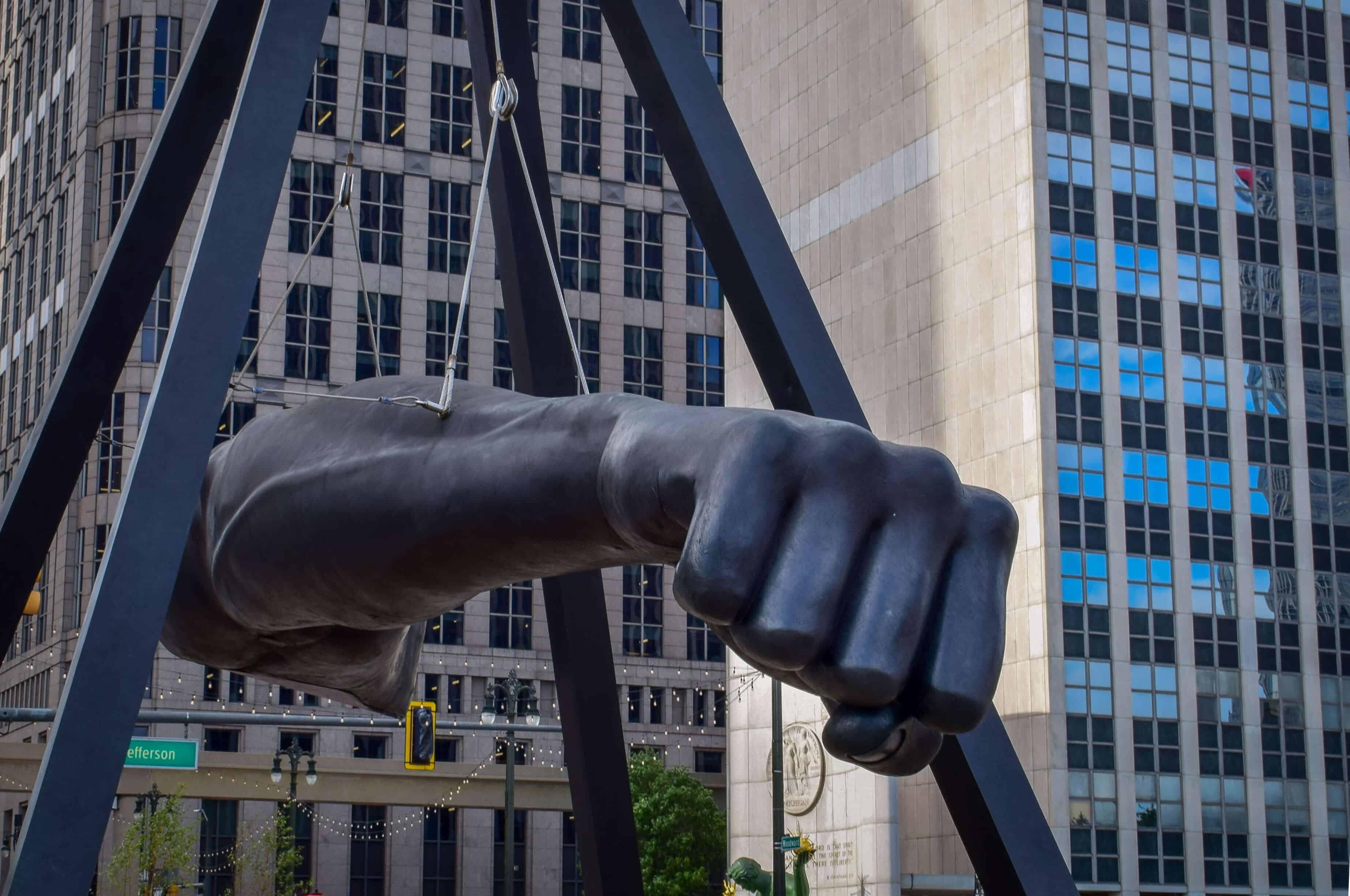
Detroit, often affectionately called “Motor City,” is a vibrant metropolis in the United States state of Michigan with a history as rich and dynamic as the automobiles it pioneered. From its industrial might that once put the world on wheels to its unparalleled musical legacy that shaped global sounds, Detroit has left an indelible mark on culture, innovation, and industry. Once a symbol of American manufacturing prowess, the city has undergone a remarkable revitalization, transforming into a hub of art, gastronomy, and entrepreneurial spirit while still honoring its profound past.
For travelers, Detroit offers a unique blend of experiences that span historical significance, cultural immersion, and modern urban appeal. It’s a destination where you can trace the origins of automotive ingenuity, groove to the rhythm of Motown and techno, explore world-class museums, and discover a burgeoning food scene. This article delves into the multifaceted identity of Detroit, highlighting the key attributes that define its global recognition and make it a compelling destination for visitors from all walks of life. Whether you’re interested in its iconic landmarks, vibrant lifestyle, or the story of its resilience, Detroit promises an unforgettable journey.

The Heart of American Industry: Automotive Heritage
There’s no discussion of Detroit that doesn’t begin with its profound connection to the automotive industry. Indeed, it’s the very foundation upon which much of the city’s identity was built, earning it the moniker “Motor City.” From the early 20th century, Detroit became the epicenter of automobile manufacturing, home to the “Big Three” — Ford Motor Company, General Motors, and Chrysler. This industrial boom attracted millions seeking opportunity, fundamentally shaping the city’s demographic, economic, and social landscape.
Birthplace of the Modern Automobile
The story of Detroit’s automotive dominance is inextricably linked to visionaries like Henry Ford. His pioneering work in assembly line production revolutionized manufacturing, making automobiles affordable for the average American and, in doing so, transforming society. The innovative spirit of Detroit not only produced cars but also created a template for modern industrial efficiency. This legacy is not merely historical; it’s tangible and explorable through some of the nation’s most impressive museums dedicated to industry and innovation.
Iconic Automotive Attractions and Experiences
For visitors, the automotive past of Detroit is vividly brought to life at several key attractions. The Henry Ford Museum of American Innovation, located in nearby Dearborn, is a must-visit. This sprawling complex is more than just a car museum; it’s a repository of American ingenuity, showcasing artifacts from the agricultural revolution to space exploration, alongside an unparalleled collection of historic vehicles. Here, you can see Henry Ford’s first car, the limousine that carried President John F. Kennedy, and the bus where Rosa Parks made her stand.
Adjacent to the museum is Greenfield Village, an outdoor living history museum that transports visitors back in time. You can explore the workshops of Henry Ford, the laboratory of Thomas Edison, and the home of the Wright Brothers, offering a fascinating glimpse into the lives and minds of America’s greatest innovators. Together, these sites provide an immersive experience into the origins of American industry and how Detroit became its beating heart.
A Melodic Metropolis: Detroit’s Music Legacy
Beyond its industrial prowess, Detroit is globally renowned as a city of profound musical innovation. Its sound has resonated across continents, influencing genres from soul and R&B to techno and hip-hop. This rich musical heritage is a cornerstone of Detroit’s cultural identity, offering a vibrant scene for music lovers and an important narrative for understanding American culture.
The Sound of Motown
The most iconic musical export from Detroit is undoubtedly Motown. Founded by Berry Gordy Jr. in 1959, Motown Records produced a distinctive sound that blended pop, soul, R&B, and gospel, characterized by catchy melodies, sophisticated arrangements, and a universal appeal. Artists like The Supremes (featuring Diana Ross), The Temptations, Stevie Wonder, Marvin Gaye, and Smokey Robinson became household names, breaking racial barriers and shaping the soundtrack of a generation.
The magic of Motown can be relived at the Motown Museum, famously known as Hitsville U.S.A. Housed in the original two-story home and recording studio where many of these legendary tracks were laid down, the museum offers an intimate look at the label’s history. Visitors can stand in Studio A, where countless hits were recorded, and see the apartment where Berry Gordy Jr. lived and worked. It’s a truly moving experience that connects you directly to the soulful heart of Detroit’s music scene.
From Techno to Hip-Hop
While Motown represents a golden era, Detroit’s musical influence didn’t stop there. In the 1980s, the city gave birth to techno music, a groundbreaking electronic genre that emerged from the fusion of European synth-pop, funk, and futurism. Pioneers like Juan Atkins, Derrick May, and Kevin Saunderson (known as The Belleville Three) laid the groundwork for a global movement, cementing Detroit’s status as an incubator of electronic dance music.
In more recent times, Detroit has also been a significant force in hip-hop, producing influential artists such as Eminem and J Dilla. The city’s resilient spirit and unique cultural blend continue to inspire new generations of musicians, ensuring its ongoing relevance in the global music landscape.
Cultural Renaissance and Iconic Landmarks
Beyond its industrial and musical legacies, Detroit has undergone a remarkable transformation, evolving into a vibrant cultural hub characterized by stunning architecture, world-class museums, and a burgeoning arts scene. The city’s resilience and capacity for rebirth are evident in its beautifully preserved historic buildings and exciting new developments.
Architectural Marvels and Public Spaces
Detroit’s skyline is a testament to its architectural heritage, featuring an impressive array of Art Deco masterpieces alongside contemporary designs. The Fisher Building, often referred to as “Detroit’s largest art object,” is a stunning example of Art Deco design, with its ornate lobby adorned with marble, mosaics, and murals. Equally impressive is the Guardian Building, another Art Deco gem recognized for its vibrant colors, geometric patterns, and Native American-inspired motifs. These buildings offer free public access to their lobbies, allowing visitors to marvel at their intricate details.
The GM Renaissance Center, or “RenCen,” dominates the riverfront with its seven interconnected skyscrapers, serving as the global headquarters for General Motors and offering panoramic views of the city and the Detroit River from its observation deck. Public spaces like Campus Martius Park serve as the city’s central gathering place, hosting events, concerts, and an ice-skating rink in winter, reflecting Detroit’s renewed commitment to vibrant urban living.
World-Class Museums and Art Scene
Detroit boasts an impressive collection of museums that cater to diverse interests. The Detroit Institute of Arts (DIA) is one of the most significant art museums in the United States, housing a collection that spans from ancient to contemporary art, including Diego Rivera‘s iconic “Detroit Industry Murals.” These murals vividly depict the city’s industrial past and its workers, offering a powerful artistic statement on the dignity of labor.
For a deeper understanding of the African American experience, the Charles H. Wright Museum of African American History stands as one of the largest institutions of its kind, offering compelling exhibits that tell stories of resilience, struggle, and achievement. Detroit’s artistic pulse also extends beyond traditional museum walls, with vibrant street art, galleries, and public art installations found throughout neighborhoods, including the quirky and thought-provoking Heidelberg Project.
Natural Beauty and Recreation
Even within its urban landscape, Detroit offers ample opportunities for natural escape. Belle Isle Park, a 982-acre island park designed by Frederick Law Olmsted (the landscape architect behind New York City’s Central Park), provides a green oasis in the Detroit River. It features an aquarium, a conservatory, a golf course, and stunning views of the city skyline, making it a perfect spot for recreation, relaxation, and family outings.
Sports, Cuisine, and Modern Detroit Life
Detroit is a city fiercely proud of its sports teams and is increasingly known for its burgeoning culinary scene and dynamic urban lifestyle. The revitalization efforts have breathed new life into downtown and surrounding neighborhoods, attracting new businesses, residents, and visitors eager to experience the modern Motor City.
A City of Champions: Detroit Sports
Sports are deeply ingrained in Detroit’s identity, fostering a strong sense of community and pride. The city is one of only a few in the United States to host four professional sports teams within its city limits. The Detroit Tigers (MLB) play at Comerica Park, offering classic baseball experiences with downtown views. The Detroit Red Wings (NHL) and Detroit Pistons (NBA) share the state-of-the-art Little Caesars Arena, a modern marvel that also hosts concerts and events. The Detroit Lions (NFL) roar at Ford Field, an impressive indoor stadium that embodies the city’s robust spirit. Attending a game is an authentic Detroit experience, connecting visitors with the passionate local fanbase.
A Culinary Destination
Detroit’s food scene has undergone a significant renaissance, moving beyond its iconic Detroit-style pizza (a thick, rectangular pie with a crispy, cheesy crust). While this local specialty remains a must-try, the city now boasts a diverse array of culinary delights, from upscale dining to innovative farm-to-table restaurants and a vibrant food truck scene. Neighborhoods like Corktown, Midtown, and Downtown are bustling with new eateries, breweries, and distilleries, offering everything from authentic ethnic cuisine to contemporary American fare.
The Eastern Market, one of the oldest and largest historic public markets in the United States, is a food lover’s paradise. Open year-round, it’s a vibrant hub for fresh produce, meats, baked goods, and local artisanal products, reflecting Detroit’s commitment to local sourcing and community engagement. Exploring the market offers a taste of local life and culture, complete with street art and lively vendors.
Accommodation and Modern Lifestyle
For travelers, Detroit offers a wide range of accommodation options, from luxurious hotels to trendy boutique stays, reflecting its evolving hospitality landscape. Hotels like the MGM Grand Detroit and MotorCity Casino Hotel offer entertainment and upscale amenities, while properties like the Shinola Hotel and The Detroit Club blend historical charm with modern luxury, catering to diverse preferences. Many hotels are strategically located near major attractions, providing convenient access to the city’s vibrant downtown core and cultural institutions.
The city’s lifestyle has shifted towards a more dynamic, walkable urban experience. New businesses, parks, and residential developments have revitalized downtown and surrounding areas, making Detroit an attractive place to live, work, and visit. Events and festivals throughout the year, from the Movement Electronic Music Festival to the Detroit Jazz Festival, highlight the city’s diverse cultural fabric and lively spirit, inviting both locals and tourists to partake in its ongoing renaissance.
Conclusion
Detroit is a city of remarkable contrasts and profound significance. It is best known for its foundational role in the global automotive industry, earning it the title “Motor City.” Simultaneously, it is celebrated worldwide for its unparalleled contributions to music, particularly the soulful sounds of Motown and the pioneering beats of techno. Beyond these defining legacies, Detroit has emerged as a city brimming with cultural attractions, from the masterpieces within the Detroit Institute of Arts to its stunning Art Deco architecture.
Its story is one of innovation, resilience, and rebirth. For visitors, Detroit offers a compelling narrative of American history, a vibrant contemporary culture, and a burgeoning food scene that promises something for every taste. Whether you’re exploring the grandeur of its past at the Henry Ford Museum of American Innovation, grooving to the rhythm at the Motown Museum, or catching a game with passionate local fans, Detroit is a destination that truly embodies the spirit of American ingenuity and perseverance. It’s a city that keeps reinventing itself, always offering new experiences while proudly honoring the rich heritage that makes it uniquely Detroit.