
Florida, a sun-drenched paradise known for its pristine beaches, vibrant cities, and lush landscapes, attracts millions of residents and visitors each year. For anyone considering purchasing or renting accommodation in the Sunshine State, understanding the intricacies of flood zones is not just important—it’s essential. Among the various classifications, Flood Zone Ae frequently emerges as a critical area of concern. Deciphering what this designation means can significantly impact property value, insurance costs, building requirements, and ultimately, the safety and long-term viability of your chosen accommodation. This comprehensive guide delves into the specifics of Flood Zone Ae in Florida, equipping prospective homeowners and renters with the knowledge needed to make informed decisions about their living arrangements in this beautiful yet vulnerable state.
Understanding Flood Zones and Their Impact on Florida Accommodation
Florida’s unique geography, characterized by extensive coastlines, low elevations, and numerous inland waterways, makes it particularly susceptible to flooding. From torrential summer rains to tropical storms and hurricanes, the risk of water damage is a constant consideration. Recognizing this, the Federal Emergency Management Agency (FEMA) plays a pivotal role in identifying and mapping flood hazards across the nation, providing crucial data for communities, property owners, and insurance companies.
The FEMA Flood Map System
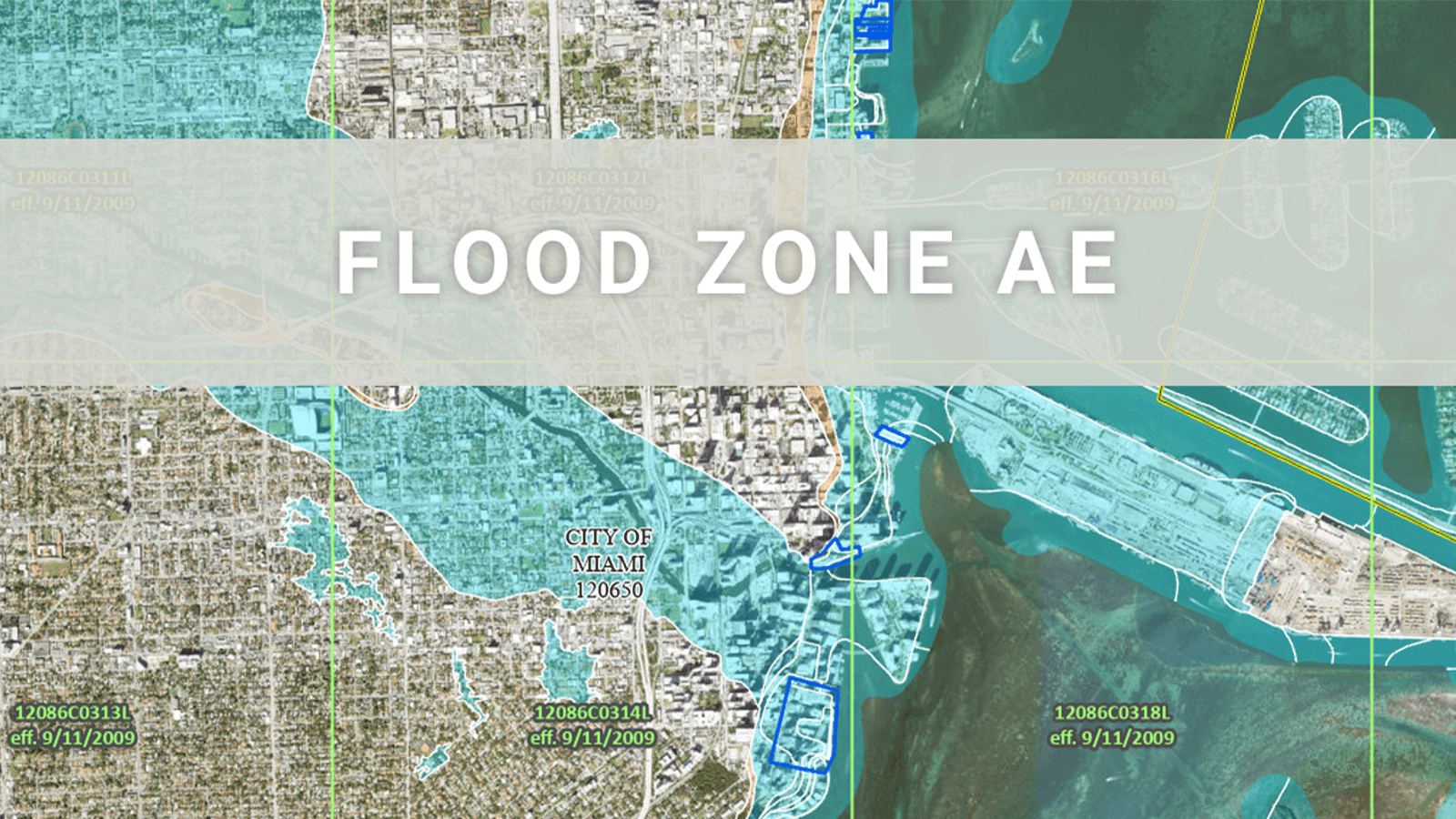
FEMA produces detailed Flood Insurance Rate Maps (FIRMs) that delineate areas into different flood zones based on their risk of flooding. These maps are the authoritative source for flood hazard information, guiding everything from land use planning and building codes to the mandatory purchase of flood insurance. For anyone seeking accommodation in Florida, consulting these maps is a foundational step in due diligence. They graphically illustrate the extent of flood hazards in a community, identifying areas with a 1-percent-annual-chance flood (also known as the base flood or 100-year flood) and other flood hazard areas.
Differentiating Flood Zone Designations
FEMA uses an alphanumeric system to classify flood zones. Generally, zones beginning with “A” or “V” indicate a high risk of flooding, while zones beginning with “B,” “C,” or “X” denote moderate to low risk. Understanding these distinctions is paramount for accommodation choices:
- A Zones (High Risk): These are areas subject to inundation by the 1-percent-annual-chance flood. Within this category, specific sub-zones like AE, AH, AO, AR, and A99 exist, each carrying slightly different implications for flood depths and hazards.
- V Zones (High Risk, Coastal): These are coastal areas with additional hazards associated with storm-induced velocity wave action. Properties in V zones face higher risks and more stringent building requirements.
- X Zones (Moderate to Low Risk): These areas are outside the 1-percent-annual-chance floodplain (shaded X or B) or areas of minimal flood hazard (unshaded X or C). Flood insurance is typically optional but recommended.
For prospective residents, identifying the specific flood zone of a potential property is non-negotiable. It dictates not only the likelihood of flooding but also the regulatory and financial obligations that come with owning or renting a home.
Deciphering Flood Zone Ae: Key Considerations for Homebuyers and Renters
Flood Zone Ae is one of the most common high-risk flood zones encountered in Florida. Understanding its specific characteristics is vital for anyone planning to establish roots or even a temporary residence in the state.
Defining the “A” and “E” in Flood Zone Ae
The “A” in Flood Zone Ae signifies that the area is subject to a 1-percent-annual-chance flood event, meaning there’s a 1 in 100 chance of flooding occurring in any given year. This is often referred to as the “100-year flood,” though it’s important to remember that such an event can occur more frequently or less frequently than once every century.
The “E” in Flood Zone Ae is crucial because it indicates that Base Flood Elevations (BFEs) have been determined for this area. BFEs represent the anticipated height that floodwaters are expected to reach during a 1-percent-annual-chance flood. This specific information allows for precise floodplain management, building regulations, and insurance rating. Unlike some other “A” zones where BFEs are not determined (e.g., Zone A), the availability of BFEs in an Ae zone provides a measurable standard against which buildings must be constructed or elevated.
Implications for Property Structure and Safety
For accommodation within an Ae zone, the implications for property structure and safety are significant. Local building codes, often aligning with the National Flood Insurance Program (NFIP) standards, typically mandate that the lowest floor of new or substantially improved residential structures be elevated to or above the BFE. This elevation requirement is a primary defense against flood damage, aiming to keep the habitable space above the expected floodwaters.
Furthermore, utilities such as electrical systems, HVAC equipment, and water heaters are also subject to elevation requirements, or they must be designed to be flood-resistant. For existing properties, homeowners might undertake retrofitting measures, such as elevating their homes, floodproofing, or relocating essential services, to enhance resilience. When considering accommodation, especially older properties, assessing adherence to current elevation standards and the potential for future floodproofing costs is a critical step in evaluating the true cost and safety of the investment.
Navigating Insurance and Financial Realities in Ae Zones
One of the most immediate and impactful consequences of purchasing or renting accommodation in an Ae zone is the requirement for flood insurance. This financial reality is a cornerstone of responsible property ownership in high-risk areas.
Mandatory Flood Insurance Requirements
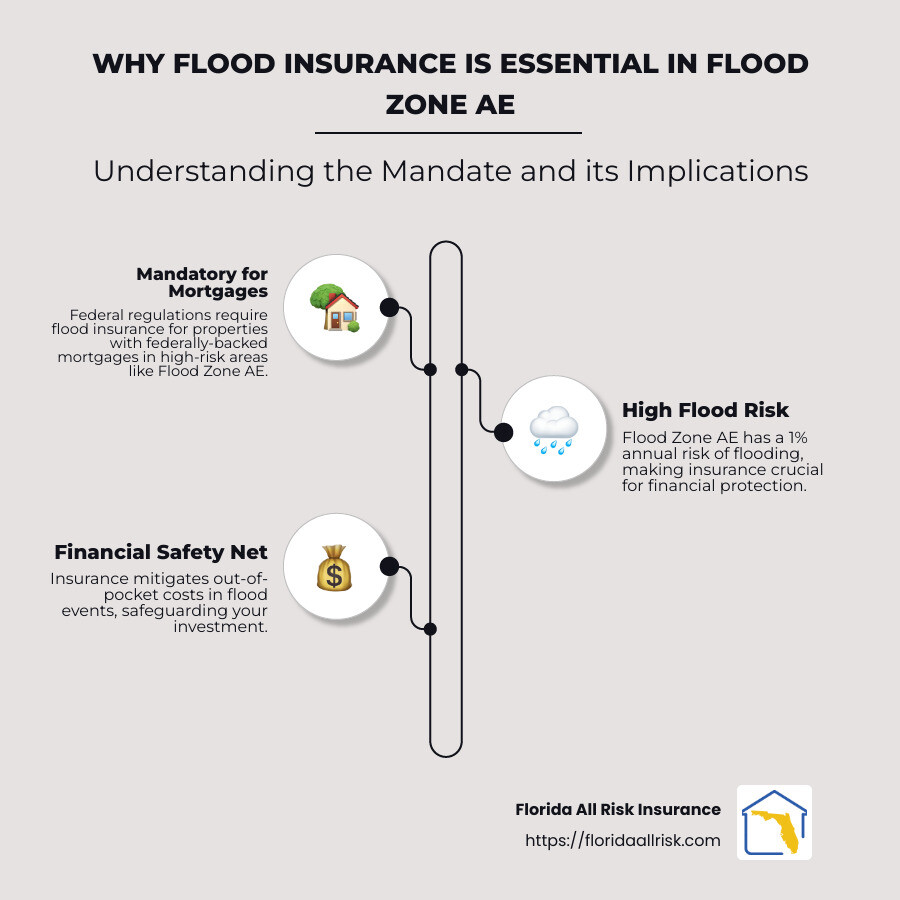
If a property in an Ae zone has a mortgage from a federally regulated or insured lender, flood insurance is mandatory. This requirement stems from the NFIP, which aims to reduce the financial impact of flooding on property owners and the federal government. Even for properties without a mortgage or those owned outright, purchasing flood insurance is highly advisable, as standard homeowners’ insurance policies explicitly exclude flood damage. Without specific flood insurance, property owners in an Ae zone could face catastrophic financial losses after a flood event.
The cost and availability of flood insurance are heavily influenced by the flood zone designation, the property’s elevation relative to the BFE (as documented by an Elevation Certificate), and other factors like the building’s age and construction materials. Renters, too, should consider renter’s insurance that includes coverage for personal belongings against flood damage, as landlord policies typically only cover the structure.
Costs and Coverage for Ae Zone Properties
The cost of flood insurance for properties in an Ae zone can vary significantly. Factors such as the property’s elevation relative to the BFE are critical. A home built with its lowest floor elevated significantly above the BFE will generally qualify for lower insurance premiums than a similar home built at or below the BFE. This is where an Elevation Certificate becomes indispensable, as it provides the necessary data for insurance agents to accurately rate a policy.
It’s also important to understand what flood insurance covers. Generally, it distinguishes between structural coverage (the building itself) and contents coverage (personal belongings). There are limits to coverage amounts, so homeowners and renters should carefully review policies to ensure they have adequate protection. The NFIP offers a baseline, but private flood insurance options are also available, which might offer higher coverage limits or different terms. Understanding these financial realities upfront is crucial for budgeting and ensuring peace of mind when acquiring accommodation in an Ae zone.
Building and Mitigating Risks for Accommodation in Flood Zone Ae
For those looking to build new accommodation or make significant improvements to existing structures in an Ae zone, strict guidelines are in place to mitigate flood risks. These regulations are designed to protect both the property and its inhabitants.
Elevation Certificates and Building Codes
An Elevation Certificate is a document prepared by a licensed surveyor, engineer, or architect that verifies the elevation of a property relative to the BFE. This certificate is not only essential for determining flood insurance premiums but also for ensuring compliance with local floodplain management ordinances. For new construction or substantial improvements in an Ae zone, local building codes mandate that the lowest floor (including basements) be elevated to or above the BFE, sometimes even requiring an additional “freeboard” (an extra foot or two above the BFE for added safety margin). These codes are rigorous, aiming to reduce future flood damage and the associated costs. Compliance can involve various construction techniques, such as elevating the building on pilings, posts, columns, or a crawlspace.
Strategies for Flood Mitigation and Property Protection
Beyond initial construction, property owners in an Ae zone can employ several strategies to further mitigate flood risks and protect their accommodation:
- Retrofitting: For existing homes, retrofitting options include elevating the entire structure, wet floodproofing (allowing floodwaters to enter and exit, typically for non-habitable areas), dry floodproofing (making the structure watertight), or relocating vulnerable utilities.
- Landscaping: Strategic landscaping, such as grading the land away from the foundation or installing permeable surfaces, can help manage stormwater runoff.
- Flood Vents: For enclosed areas below elevated homes (like garages or crawlspaces), flood vents can be installed to allow floodwaters to enter and exit freely, preventing structural damage from hydrostatic pressure.
- Emergency Preparedness: Having a comprehensive emergency plan, including elevated storage for valuables, emergency kits, and evacuation routes, is crucial for all Florida residents, especially those in high-risk flood zones.
Implementing these mitigation strategies not only enhances safety and protects property but can also lead to reduced flood insurance premiums, making accommodation in an Ae zone a more sustainable long-term option.
Making Informed Accommodation Decisions in Florida’s Coastal Landscape
Choosing accommodation in Florida, particularly in areas designated as Flood Zone Ae, requires a thorough understanding of the associated risks and responsibilities. While the allure of waterfront living or proximity to coastal amenities is strong, it must be balanced with practical considerations.
Due Diligence Before Purchasing or Leasing
Before committing to any accommodation, whether buying or leasing, performing comprehensive due diligence is paramount. This includes:
- Checking Flood Maps: Always verify the flood zone designation of the property using official FEMA FIRMs. This can often be done online through county property appraiser websites or FEMA’s Flood Map Service Center.
- Obtaining an Elevation Certificate: For purchases, request a copy of the existing Elevation Certificate. If one doesn’t exist, factor the cost of obtaining one into your budget. For renters, inquire about the property’s elevation relative to the BFE.
- Reviewing Insurance Quotes: Obtain flood insurance quotes early in the process to understand the potential costs.
- Inspecting for Past Damage/Mitigation: Look for signs of past flood damage or existing flood mitigation measures, and inquire about the property’s flood history with the seller or landlord.
- Understanding Local Regulations: Familiarize yourself with local building codes and floodplain management ordinances that apply to the property.
Long-term Investment and Resale Value
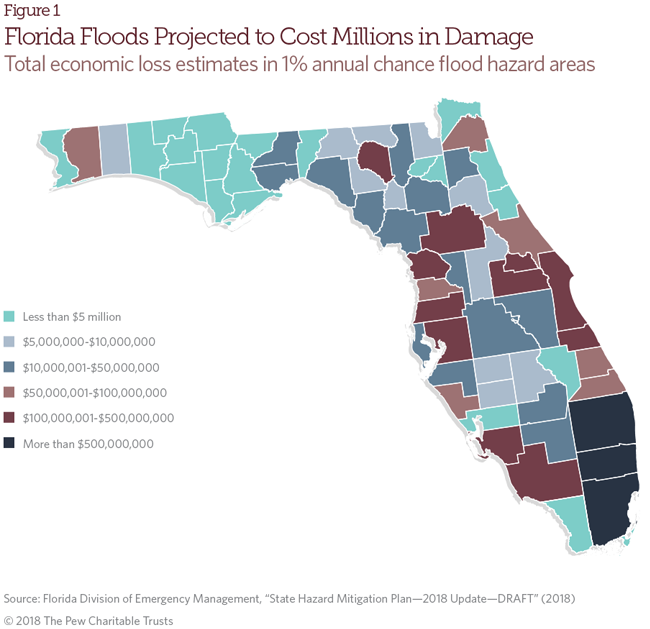
For homeowners, the long-term investment aspect of accommodation in an Ae zone is a significant consideration. While properties in these desirable locations can appreciate, the ongoing costs of flood insurance and potential mitigation efforts must be factored into the overall financial picture. Furthermore, climate change and rising sea levels may influence future flood risks and insurance costs, warranting a forward-looking perspective.
However, a well-maintained, properly elevated, and insured property in an Ae zone can still be a valuable asset. Buyers are increasingly educated about flood risks, and properties that demonstrate resilience and compliance with modern flood standards often maintain their appeal and resale value. For renters, understanding these factors helps in evaluating the overall cost of living and the landlord’s preparedness for potential flood events.
Ultimately, living in Florida’s beautiful but flood-prone environment is a choice that demands informed decision-making. Understanding Flood Zone Ae is not just about identifying a risk; it’s about empowering oneself with the knowledge to select, secure, and enjoy accommodation safely and sustainably in the Sunshine State.
LifeOutOfTheBox is a participant in the Amazon Services LLC Associates Program, an affiliate advertising program designed to provide a means for sites to earn advertising fees by advertising and linking to Amazon.com. Amazon, the Amazon logo, AmazonSupply, and the AmazonSupply logo are trademarks of Amazon.com, Inc. or its affiliates. As an Amazon Associate we earn affiliate commissions from qualifying purchases.