
Florida, a state renowned for its pristine beaches, vibrant culture, and abundant sunshine, offers a highly desirable lifestyle for millions. However, its unique geography—a low-lying peninsula surrounded by water—inherently brings with it considerations regarding flood risk. For residents, potential homeowners, and long-term visitors, understanding the intricacies of flood zones is not merely a technicality but a critical aspect of making informed lifestyle choices. Among the various classifications, “Flood Zone X” often stands out, sometimes misunderstood as an area completely immune to flooding. This article delves into what Flood Zone X truly means in Florida, its implications for daily life, property ownership, and the broader Florida lifestyle.
Understanding flood zones is paramount for anyone navigating the real estate market or simply seeking peace of mind in the Sunshine State. It impacts everything from insurance premiums and building codes to emergency preparedness and long-term property value. While the allure of coastal living or lakeside retreats in Florida is undeniable, a clear grasp of flood designations, particularly Zone X, empowers individuals to make sound decisions that protect their assets and ensure their safety.
Decoding FEMA Flood Zones: An Overview
To comprehend Flood Zone X, it’s essential to first understand the broader framework of flood risk assessment established by the Federal Emergency Management Agency (FEMA). FEMA is responsible for mapping flood hazards across the United States, creating detailed Flood Insurance Rate Maps (FIRMs) that designate areas into various flood zones. These maps are foundational for the National Flood Insurance Program (NFIP), influencing everything from mortgage requirements to local land-use planning.
The Role of the National Flood Insurance Program (NFIP)
The NFIP was established to provide affordable flood insurance to property owners, renters, and businesses, and to encourage communities to adopt and enforce floodplain management regulations. Without the NFIP, many property owners would struggle to obtain flood insurance in flood-prone areas, making recovery from flood events economically devastating.
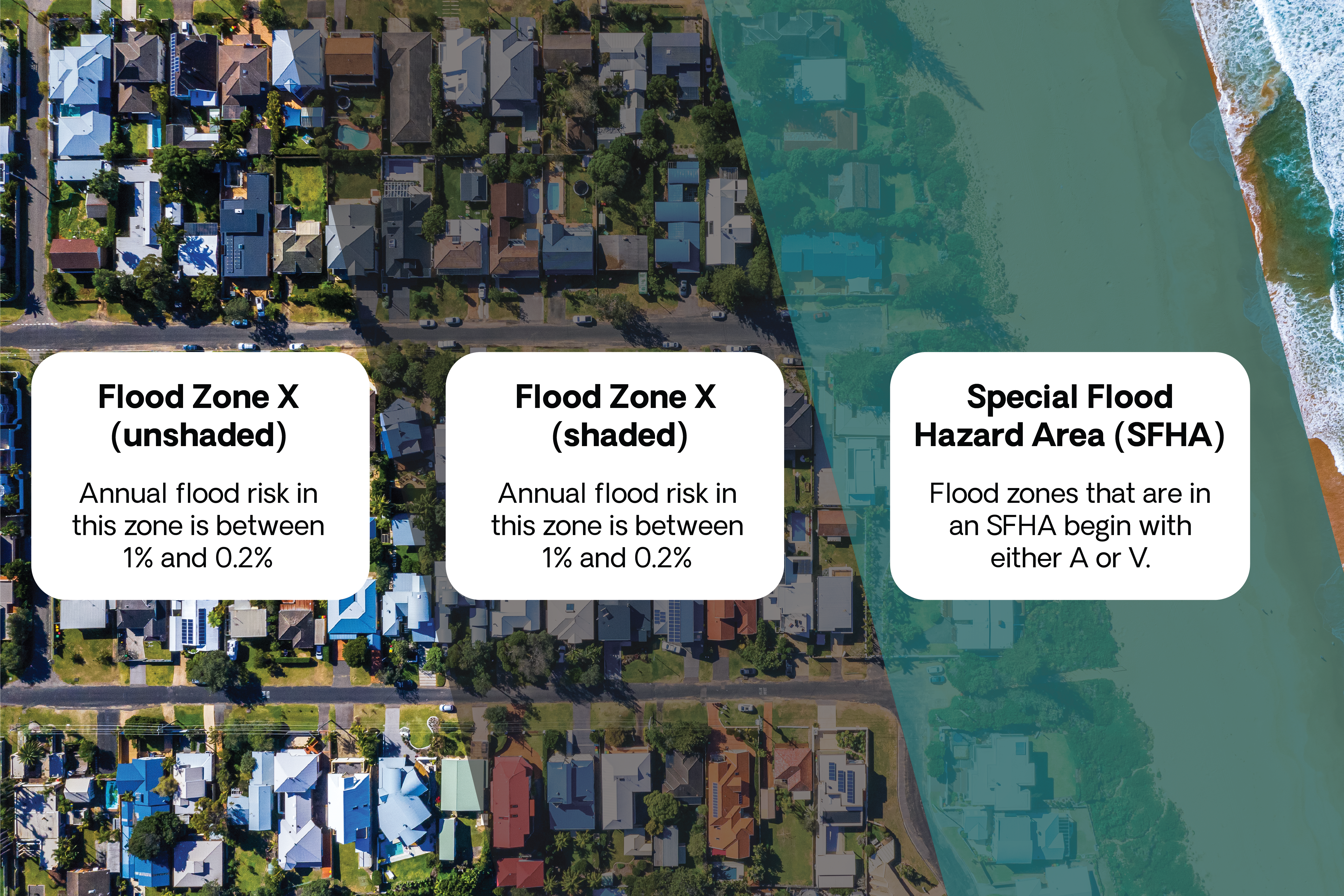
FEMA’s flood maps are the cornerstone of the NFIP. They delineate Special Flood Hazard Areas (SFHAs)—zones where there is a 1-in-4 chance of flooding over the life of a 30-year mortgage—and non-SFHAs. The designations (A, V, B, C, X) reflect varying levels of flood risk, with SFHAs generally requiring flood insurance for federally backed mortgages. Knowing your property’s flood zone is therefore a non-negotiable part of responsible property ownership in Florida.
Understanding Different Flood Zone Designations
- Zone A: Areas with a 1% annual chance of flooding (100-year flood). These are SFHAs.
- Zone V: Coastal areas with a 1% annual chance of flooding and an additional hazard associated with storm waves. Also SFHAs, often with stricter building requirements.
- Zone B, C, and X: These are areas outside the SFHA. Zones B and C were older designations for areas of moderate and minimal risk, respectively. Today, these are largely superseded by Zone X.
Zone X is crucial because it represents a specific category of flood risk that is often misunderstood. It’s not a designation of “no risk,” but rather “minimal risk” relative to the SFHAs.
Unpacking Flood Zone X in Florida
When you encounter “Flood Zone X” on a flood map in Florida, it signifies an area that is not considered a Special Flood Hazard Area (SFHA). This distinction carries significant weight for property owners and their lifestyle choices.
Definition and Characteristics of Zone X
Zone X is primarily categorized into two sub-zones:
- Shaded Zone X (or X500): These are areas of moderate flood hazard. They are located outside the 100-year floodplain but within the 500-year floodplain. This means there’s a 0.2% annual chance of flooding (or a 1-in-500 chance in any given year). It also includes areas protected by levees from 100-year flood events.
- Unshaded Zone X: These are areas of minimal flood hazard. They are determined to be outside both the 100-year and 500-year floodplains. Essentially, these are the highest and driest areas mapped by FEMA.
The key takeaway is that both shaded and unshaded Zone X areas are considered low-to-moderate risk zones. While the risk is significantly lower than in Zones A or V, it is crucial to understand that “minimal hazard” does not equate to “zero hazard.” Localized heavy rainfall, drainage issues, or extreme weather events can still lead to flooding in these areas.
Why Zone X is a Lifestyle Advantage (with caveats)
Living in a Zone X area in Florida often translates into several lifestyle advantages:
- Lower Flood Insurance Requirements: For properties with federally backed mortgages, flood insurance is typically optional in Zone X. This is a significant financial benefit, as mandatory flood insurance in SFHAs can add hundreds, if not thousands, of dollars annually to property ownership costs.
- Generally Lower Premiums: If you choose to purchase flood insurance (which is highly recommended, even if optional), the premiums for Zone X properties are usually considerably lower than for properties in SFHAs, reflecting the reduced risk.
- Less Stringent Building Codes: Properties in Zone X generally face fewer and less stringent building code requirements related to flood elevation and construction methods, potentially reducing construction or renovation costs.
- Impact on Property Values and Desirability: Properties located in Zone X are often perceived as more desirable due to the lower flood risk and insurance burden, which can positively impact property values and marketability. This contributes to a more predictable and less stressful aspect of the Florida lifestyle.
These advantages contribute to a greater sense of security and potentially lower long-term living expenses, making Zone X properties appealing to many looking to establish roots in Florida.
The Nuances and Realities of Living in a Zone X Area in Florida
While Zone X offers distinct benefits, it’s vital for those living or planning to live in Florida to approach this designation with a clear understanding of its nuances. “Minimal risk” does not mean “no risk,” especially in a state vulnerable to intense weather patterns.
The “Minimal” Hazard Still Exists
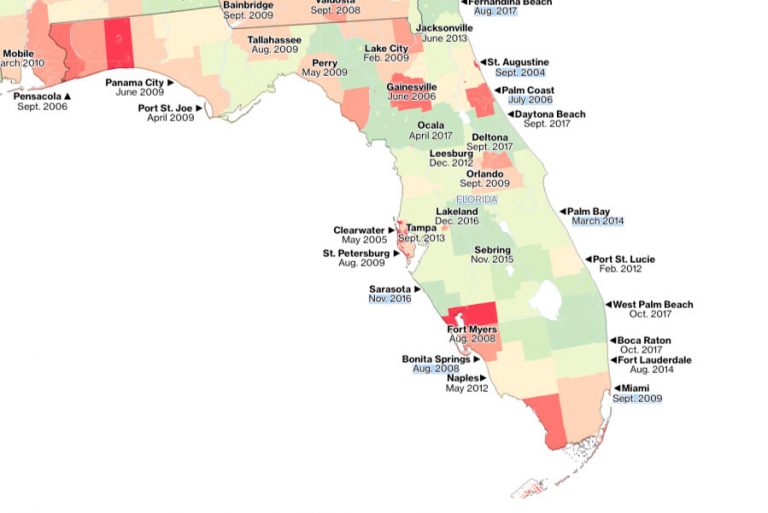
Florida’s climate is characterized by abundant rainfall, intense summer thunderstorms, tropical storms, and hurricanes. Even areas outside the designated SFHAs can experience:
- Localized Flooding: Heavy, prolonged rainfall can overwhelm local drainage systems, causing street flooding and even water intrusion into homes, regardless of their official flood zone.
- Storm Surge Remnants: While Zone X areas are typically away from direct storm surge impacts, powerful hurricanes can bring significant rainfall and localized water accumulation far inland.
- Drainage Issues: Poor lot grading, clogged storm drains, or inadequate neighborhood infrastructure can lead to standing water and property damage, irrespective of FEMA’s broader flood zone maps.
- Rising Sea Levels: Long-term climate trends, including rising sea levels, mean that current flood maps may need reevaluation. What is Zone X today might face different risks in the future.
Therefore, for a truly secure Florida lifestyle, it is essential to consider local topography, historical flood data for the specific area, and the effectiveness of local drainage systems, in addition to the FEMA designation.
Insurance Considerations for Zone X Residents
Even though flood insurance is typically optional for federally backed mortgages in Zone X, opting out can be a risky decision for many Florida residents.
- Peace of Mind and Asset Protection: Flood damage is not covered by standard homeowner’s insurance policies. Without flood insurance, any damage from flooding—even localized events—would fall entirely on the homeowner. For a relatively low premium in Zone X, obtaining flood insurance provides invaluable financial protection and peace of mind.
- Affordability: Due to the lower risk, flood insurance premiums for Zone X properties are significantly more affordable than those in high-risk zones. This makes it a highly cost-effective way to protect a major investment.
- Private Flood Insurance Market: Beyond the NFIP, a growing private flood insurance market in Florida can offer competitive rates and broader coverage options for Zone X properties, sometimes providing even better value.
Making the proactive choice to secure flood insurance, even when not mandated, is a hallmark of a responsible and resilient Florida lifestyle.
Building and Property Maintenance Tips
Regardless of your flood zone, proactive property maintenance can mitigate potential water damage:
- Maintain Drainage Systems: Regularly clear gutters, downspouts, and storm drains. Ensure your property’s grading slopes away from the foundation.
- Elevate Valuables: Store important documents, sentimental items, and expensive electronics in elevated locations, especially on the ground floor.
- Secure Outdoor Furniture: During heavy storms, secure outdoor items that could float away or become projectiles.
- Flood Vents: Consider installing flood vents in enclosed areas like garages or crawl spaces, even if not required, to allow water to flow through and reduce hydrostatic pressure.
- Landscaping: Utilize native Florida landscaping that can help absorb excess water, reducing runoff.
These simple steps can significantly reduce the impact of unexpected water events, contributing to a more secure and sustainable lifestyle in Florida.
Navigating Property Decisions and Future Planning in Florida’s Flood Zones
Understanding Flood Zone X is an ongoing aspect of life in Florida, influencing not only immediate property decisions but also long-term planning. For a thriving Florida lifestyle, continuous awareness and adaptability are key.
Researching Your Property’s Flood Zone Status
Before purchasing property or making significant renovations, always verify the current flood zone status:
- FEMA Flood Map Service Center: This online portal provides official flood maps where you can enter an address and view the current designation.
- Local Planning Departments: Your county or city planning department can also provide flood zone information and details on local floodplain management regulations.
- Professional Assessments: During a property transaction, rely on flood zone determinations provided by mortgage lenders or certified land surveyors, as these are legally binding and accurate.
Due diligence in this area is a critical step in ensuring that your lifestyle choices in Florida are built on a solid foundation of understanding and safety.
Long-Term Lifestyle Implications
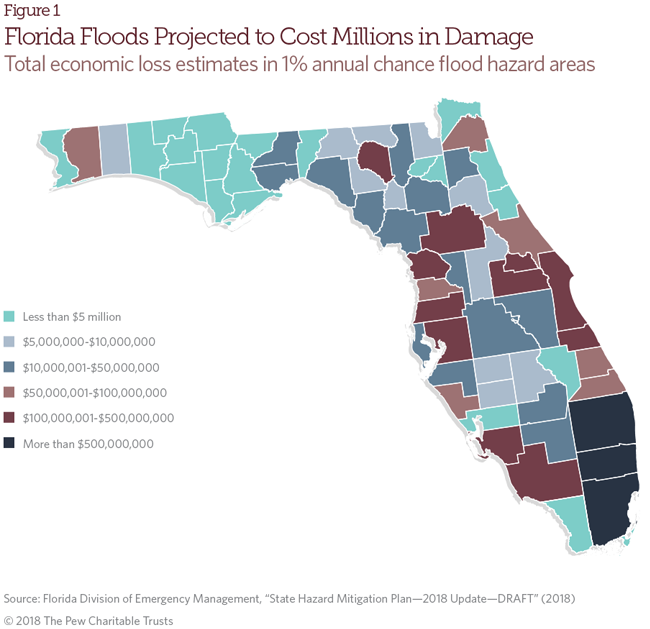
The dynamic nature of Florida’s environment means that flood zone designations are not static.
- Map Revisions: FEMA periodically updates flood maps based on new topographical data, climate studies, development, and historical flood events. A property currently in Zone X could, in the future, be reclassified, potentially impacting insurance requirements and property values. Staying informed about community map revisions is prudent.
- Community Resilience: Florida communities are increasingly investing in resilience measures, such as improved drainage infrastructure, coastal protections, and stricter building codes. These efforts can enhance the safety of all residents, including those in Zone X.
- Adapting to Climate Change: As climate change contributes to more intense rainfall events and rising sea levels, the importance of understanding and adapting to flood risks will only grow. A proactive stance on flood preparedness and insurance, even in Zone X, is a forward-thinking component of the Florida lifestyle.
Living in a Zone X area contributes to a specific kind of Florida lifestyle—one that generally offers lower perceived risk and fewer immediate financial burdens related to flooding. However, it also demands an ongoing commitment to awareness, preparedness, and responsible decision-making to truly enjoy the benefits of this beautiful but environmentally dynamic state.
In conclusion, Flood Zone X in Florida signifies an area of minimal flood hazard, offering distinct advantages for property owners in terms of insurance costs and building requirements. Yet, it is imperative to remember that “minimal” does not mean “zero.” The vibrant Florida lifestyle, while alluring, requires residents to be informed, proactive, and prepared for the state’s unique environmental challenges. By understanding the nuances of Flood Zone X, securing appropriate insurance, and maintaining properties diligently, individuals can truly embrace and sustain their preferred way of life in the Sunshine State.
LifeOutOfTheBox is a participant in the Amazon Services LLC Associates Program, an affiliate advertising program designed to provide a means for sites to earn advertising fees by advertising and linking to Amazon.com. Amazon, the Amazon logo, AmazonSupply, and the AmazonSupply logo are trademarks of Amazon.com, Inc. or its affiliates. As an Amazon Associate we earn affiliate commissions from qualifying purchases.