
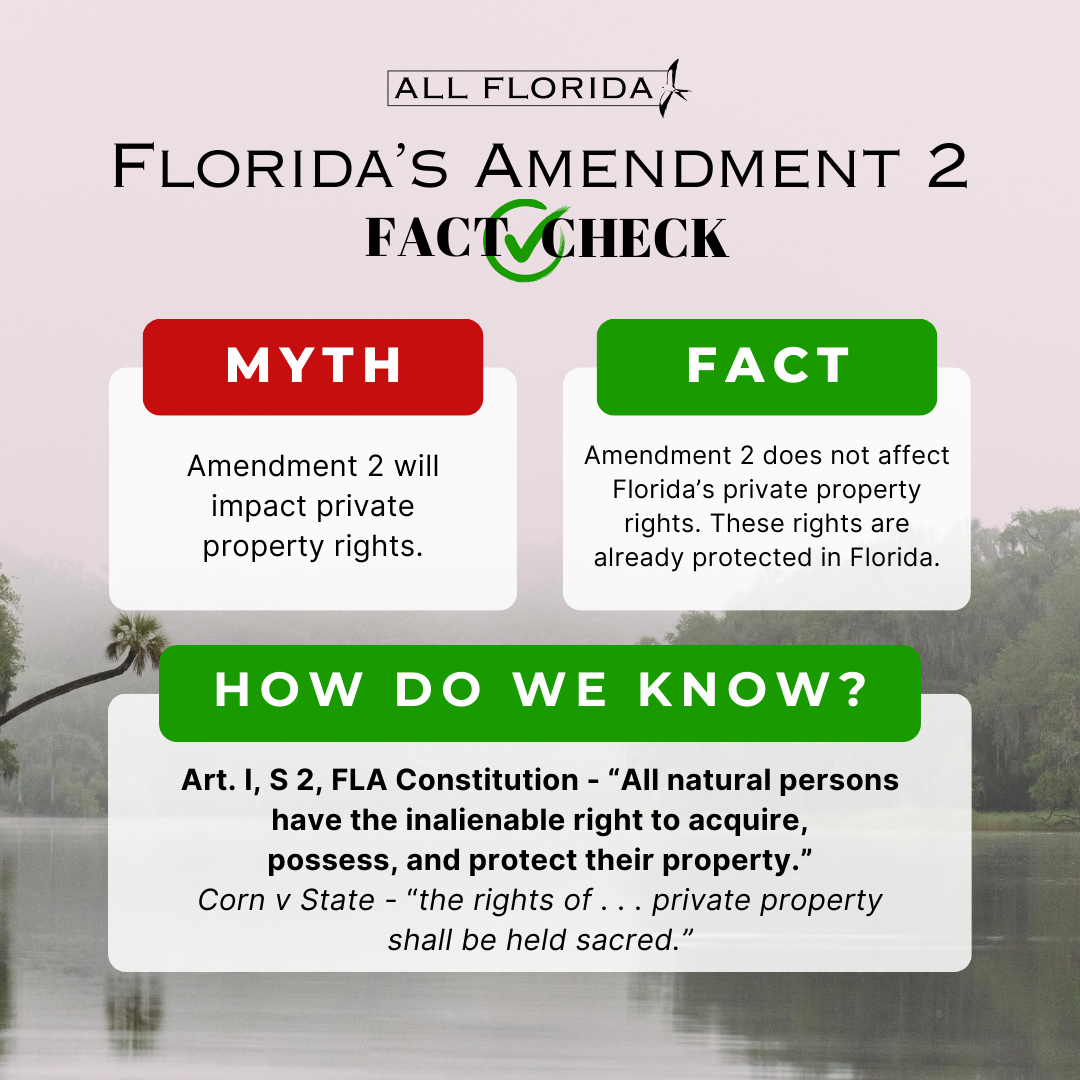
Florida Amendment 2 is a pivotal piece of legislation that significantly reshaped the state’s landscape, particularly concerning its burgeoning tourism industry and the access to its vibrant local culture and culinary offerings. While the amendment’s direct text might appear to address specific policy mechanisms, its ripple effects have profoundly impacted how residents and visitors alike experience the Sunshine State. Understanding Amendment 2 is crucial for anyone seeking to navigate the nuances of Florida’s tourism ecosystem, from its celebrated attractions to its diverse gastronomic scene.
The Genesis and Intent of Amendment 2
Amendment 2, often discussed in the context of its immediate aftermath and its long-term implications, was a response to evolving public sentiment and economic pressures within Florida. The amendment’s architects and proponents aimed to address a perceived imbalance or a need for greater clarity and regulation within specific sectors. For the tourism industry, this often translates to how businesses operate, how attractions are managed, and how local communities benefit from the influx of visitors.

Historical Context and Pre-Amendment Landscape
Before the passage of Amendment 2, Florida’s tourism sector operated under a different set of rules and public policies. The state, already a titan in the global tourism market, was home to world-renowned theme parks like Walt Disney World and Universal Orlando Resort, pristine beaches along the Gulf Coast and the Atlantic Ocean, and a rich tapestry of cultural experiences. However, certain legislative gaps or areas of contention likely prompted the move towards amendment. These could have ranged from taxation policies affecting tourism-related businesses to regulations governing the development and operation of attractions, or even rules impacting the accessibility and sustainability of natural landmarks. The specific pre-amendment environment shaped the very concerns that Amendment 2 sought to rectify, setting the stage for a new era of governance within the state’s most prominent industry.
The Legislative Process and Public Discourse
The journey of Amendment 2 from conception to its place on the ballot was a complex one, involving extensive debate, public awareness campaigns, and the mobilization of various interest groups. Understanding this process provides insight into the motivations behind the amendment and the societal forces at play. Proponents often highlighted potential economic benefits, improved consumer protections, or enhanced local community engagement. Opponents, on the other hand, might have raised concerns about unintended consequences, economic repercussions, or the erosion of existing freedoms. The public discourse surrounding Amendment 2 was likely intense, as its potential impact touched upon the livelihoods of many Floridians and the experience of millions of tourists annually. This rigorous debate underscored the significance of the amendment and its capacity to influence the state’s identity and economic engine.
Impact on Florida’s Tourism and Local Culture
The true significance of Amendment 2 lies in its tangible effects on the daily operations of the Florida tourism industry and the authentic experiences it offers to visitors. It has influenced everything from the types of activities available to how local businesses can thrive and contribute to the state’s unique cultural fabric.
Redefining Attractions and Experiences
Amendment 2 has likely played a role in shaping the landscape of tourist attractions. This could manifest in several ways:
New Regulations for Tourist Venues
The amendment may have introduced new licensing requirements, safety standards, or operational guidelines for various tourist venues, from large-scale theme parks to smaller, independent attractions. This could lead to enhanced visitor safety and a more consistent quality of experience across the board. For instance, considerations around crowd management, accessibility for individuals with disabilities, and environmental sustainability might have been bolstered.
Support for Local and Niche Tourism
Conversely, Amendment 2 might have included provisions designed to support and promote smaller, locally-owned businesses and niche tourism experiences. This could involve tax incentives for small tour operators, grants for cultural heritage sites, or simplified regulations for artisanal food producers and craft vendors. Such measures would foster a more diverse and authentic tourism offering, allowing visitors to connect with the genuine spirit of communities beyond the major tourist hubs. Imagine exploring the quaint shops and eateries in St. Augustine or discovering the vibrant arts scene in Wynwood, Miami, with a greater sense of local authenticity supported by the amendment.
Evolving Entertainment and Activity Standards

The amendment could also have set new precedents for the types of entertainment and activities permitted or encouraged. This might involve promoting educational tours, eco-tourism initiatives, or historical reenactments, aligning Florida’s tourism offerings with contemporary traveler interests in experiential and meaningful engagements. This could lead to a greater emphasis on the natural beauty of places like the Everglades National Park or the historical significance of sites such as the Castillo de San Marcos.
Cultivating Local Culture and Gastronomy
The heart of any travel experience lies in its local culture and culinary delights. Amendment 2’s influence in this area is particularly noteworthy, as it has the potential to either preserve or enhance the unique character of Florida.
Preserving Heritage and Cultural Sites
It’s plausible that Amendment 2 included provisions for the protection and promotion of Florida‘s rich cultural heritage. This could involve increased funding for museums, historical societies, and landmarks, ensuring that sites like the Vizcaya Museum & Gardens or the historic districts of Savannah (though not in Florida, it serves as an example of heritage tourism) are preserved for future generations. The amendment might also have facilitated the creation of cultural districts, encouraging local artisans, musicians, and performers to showcase their talents.
Enhancing Culinary Tourism
Florida‘s culinary scene is as diverse as its population, influenced by Cuban, Caribbean, and Southern flavors. Amendment 2 may have introduced policies aimed at bolstering this aspect of tourism. This could include initiatives to support local farmers and fishermen, promote farm-to-table dining experiences, or streamline regulations for food vendors and restaurants. For example, the amendment might have made it easier for food trucks to operate in designated areas, offering visitors a taste of authentic local cuisine in vibrant settings. Consider the opportunity to savor fresh seafood along the Florida Keys or enjoy authentic Cuban sandwiches in Miami‘s Little Havana, with the amendment potentially fostering an environment where such experiences are more accessible and prevalent.
Fostering Community-Based Tourism
Ultimately, Amendment 2 might have aimed to create a more sustainable and community-centric tourism model. This involves ensuring that the economic benefits of tourism are distributed more equitably among local residents and that tourist activities are conducted in a manner that respects and enhances the local environment and culture. This could involve encouraging volunteer tourism opportunities that directly benefit local conservation efforts or promoting local festivals and community events that offer visitors an authentic glimpse into Florida life.
Navigating Florida Post-Amendment 2
For travelers, understanding the implications of Amendment 2 can lead to richer and more informed journeys through Florida. It encourages a deeper appreciation for the state’s multifaceted appeal, beyond its well-trodden tourist paths.
Planning Your Trip with Amendment 2 in Mind
When planning a visit to Florida, being aware of Amendment 2 can subtly influence your choices. If the amendment focused on supporting local businesses, seeking out independently owned restaurants and shops will not only offer a more authentic experience but also contribute directly to the local economy. If it championed eco-tourism, consider destinations that emphasize natural preservation and sustainable practices, such as exploring the Dry Tortugas National Park or kayaking through the mangrove forests of Southwest Florida.
Experiencing the “Real” Florida
The essence of travel often lies in discovering the authentic character of a place. Amendment 2, by its nature, has likely aimed to preserve and enhance this very authenticity. By exploring beyond the typical tourist traps and engaging with local communities, visitors can experience the true spirit of Florida. This might involve attending local farmers’ markets, visiting small-town museums, or participating in community events. The amendment’s influence, therefore, is not just about policy; it’s about enabling a deeper, more meaningful connection with the destination. Whether it’s enjoying a sunset over the Gulf of Mexico from a quiet beach, savoring a home-style meal in a family-run eatery in Central Florida, or learning about the state’s unique history, Amendment 2’s impact can be felt in these genuine encounters.
The Future of Florida Tourism
The ongoing effects of Amendment 2 will continue to shape Florida‘s tourism landscape. As the state evolves, so too will the implementation and interpretation of this significant legislation. Future developments may see further integration of sustainability, cultural preservation, and community benefit into tourism strategies. This forward-looking approach ensures that Florida remains a premier destination, offering not just world-class attractions but also enriching experiences that celebrate its vibrant local culture and the natural beauty that defines it. From the bustling streets of Orlando to the serene shores of the Panhandle, Amendment 2’s legacy is one of continuous adaptation, aiming to foster a tourism sector that is both economically robust and culturally enriching.
LifeOutOfTheBox is a participant in the Amazon Services LLC Associates Program, an affiliate advertising program designed to provide a means for sites to earn advertising fees by advertising and linking to Amazon.com. Amazon, the Amazon logo, AmazonSupply, and the AmazonSupply logo are trademarks of Amazon.com, Inc. or its affiliates. As an Amazon Associate we earn affiliate commissions from qualifying purchases.