
The “Sunshine State,” “The Alligator State,” “The Flower State,” “The Peninsula State,” “The Orange State.” These are just a few of the well-known monikers associated with the vibrant and diverse state of Florida. But beyond these familiar epithets lies a rich tapestry of history, geography, and cultural identity that informs why Florida is called what it is, and why it holds such a unique place in the American consciousness. This exploration delves into the origins of its popular nicknames and examines the distinct characteristics that have earned it these titles, inviting travelers to experience the essence of Florida for themselves.
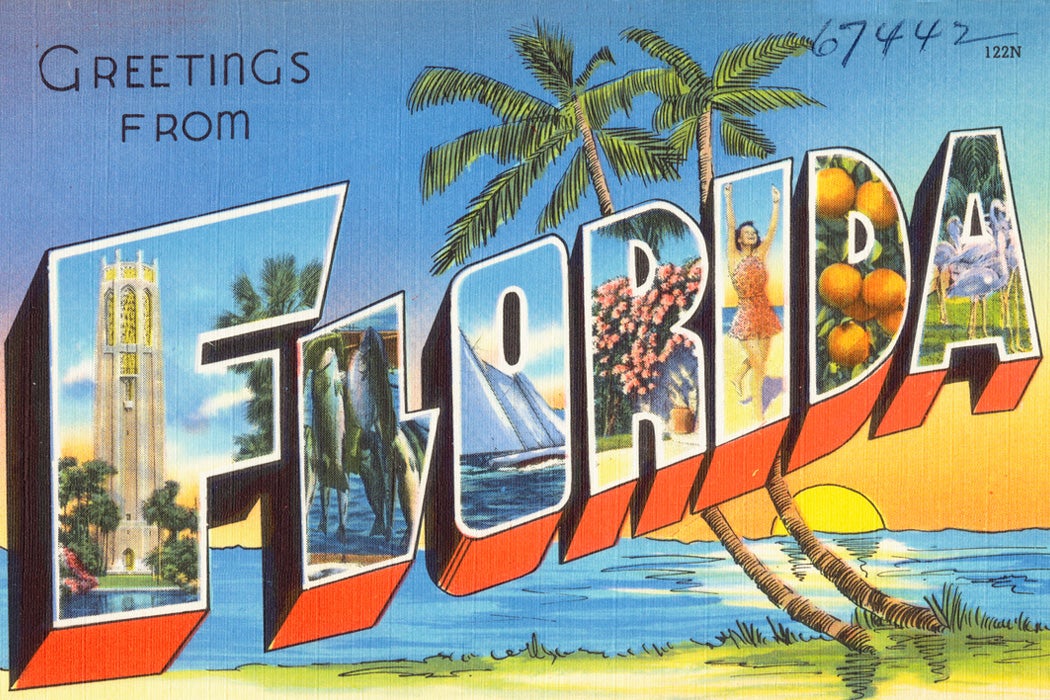
The Genesis of the Sunshine State
The most pervasive and iconic nickname for Florida is undoubtedly the “Sunshine State.” This appellation is not merely a romanticized notion but a reflection of the state’s defining meteorological characteristic: abundant sunshine. Averaging over 240 sunny days per year, Florida boasts a climate that attracts millions seeking warmth and light, regardless of the season. This consistent sunshine has profoundly shaped the state’s economy, particularly its thriving tourism industry, with iconic destinations like Miami, Orlando, and the Florida Keys drawing visitors year-round to bask in its glow.
Climatological Appeal
The geographical positioning of Florida on the southeastern tip of the United States exposes it to significant solar radiation. This consistent sunlight fuels its subtropical and tropical climates, creating an environment conducive to outdoor activities and a relaxed lifestyle. From the pristine beaches of the Gulf Coast to the vibrant coral reefs of the Florida Keys, the sunshine is an ever-present element that defines the visitor experience and the daily lives of its residents.
Economic Impact of Sunshine
The economic implications of Florida’s sunshine are vast. The agricultural sector, particularly citrus farming, thrives under these conditions. Furthermore, the hospitality industry, with its myriad of resorts, hotels, and theme parks, is fundamentally built around the promise of sunny days and pleasant weather. Destinations like Walt Disney World Resort in Orlando and Universal Orlando Resort rely heavily on this consistent climate to offer year-round entertainment and outdoor adventures.
The Natural and Agricultural Heritage: Beyond the Sun
While “Sunshine State” is universally recognized, other nicknames highlight different facets of Florida’s identity, often rooted in its natural environment and agricultural bounty.
The Alligator State
The moniker “The Alligator State” directly references one of Florida’s most iconic and formidable inhabitants: the American alligator. These ancient reptiles are an integral part of Florida’s ecosystems, particularly in the vast wetlands and swamps of the Everglades National Park. Encountering these creatures, whether on an airboat tour through the sawgrass marshes or a guided walk through a nature preserve, is a quintessential Florida experience for many visitors. The alligator serves as a symbol of the state’s wild and untamed natural beauty.
The Flower State
“The Flower State” speaks to Florida’s remarkable floral diversity and its significant role in horticulture. The warm climate and ample rainfall support a stunning array of blooms year-round, from the vibrant orchids and hibiscus that adorn tropical gardens to the vast citrus groves that produce some of the nation’s finest oranges. Cities like Miami are renowned for their lush tropical landscaping, and agricultural regions consistently rank among the top producers of flowers and ornamental plants in the United States. This nickname underscores the state’s ability to cultivate beauty and abundance.

The Orange State
Closely linked to its agricultural prowess, “The Orange State” highlights Florida’s historical and ongoing dominance in orange production. For decades, Florida oranges, particularly the sweet and juicy varieties, have been synonymous with fresh juice and classic American breakfast tables. While challenges such as citrus greening disease have impacted the industry in recent years, the legacy of Florida as the “Orange State” remains a powerful symbol of its agricultural heritage and its contribution to the national food supply. Visiting a citrus grove or enjoying a freshly squeezed glass of Florida orange juice is a simple yet profound connection to this aspect of the state’s identity.
Geographic Identity: The Peninsula State
The descriptive nickname “The Peninsula State” is perhaps the most geometrically accurate, drawing attention to Florida’s unique geographical formation. Surrounded by water on three sides – the Atlantic Ocean to the east, the Gulf of Mexico to the west, and the Straits of Florida to the south – Florida is a vast landmass jutting out into the sea. This peninsular geography dictates much of its climate, ecology, and even its cultural influences, with maritime traditions and a strong connection to the ocean permeating its coastal communities.
Coastal Charms and Maritime Influence
The extensive coastline of Florida provides access to over 1,350 miles of sandy beaches, world-class fishing, and a vibrant boating culture. Cities like St. Augustine, the oldest continuously inhabited European-established settlement in the United States, and port cities like Tampa and Fort Lauderdale have a deep-rooted maritime heritage. The sea has shaped not only its landscape but also its history, its economy, and the very way of life for many of its inhabitants. The influence of the Caribbean and Latin America is also palpable, particularly in South Florida, a testament to its proximity and historical trade routes.
Inland Wonders
While its coastlines are undeniably a major draw, Florida’s interior also holds significant appeal. The extensive network of rivers, lakes, and wetlands, most notably the Everglades, offers unique ecosystems and recreational opportunities. The central region, often referred to as the “Lake Country,” is dotted with hundreds of freshwater lakes, providing havens for fishing, boating, and wildlife observation. The blend of coastal allure and inland natural wonders is a hallmark of the “Peninsula State.”
A State of Many Faces
Ultimately, Florida is a state whose identity is multifaceted, a vibrant mosaic woven from its sun-drenched climate, its rich natural heritage, its agricultural abundance, and its distinctive geography. The nicknames it has acquired are not arbitrary labels but rather evocative descriptors that capture essential truths about its character and appeal.
Experiencing the Nicknames
For the traveler, understanding these monikers provides a deeper appreciation for the experiences Florida offers. To “experience the Sunshine State” is to immerse oneself in its year-round outdoor activities, from lounging on the beaches of Clearwater Beach to exploring the theme parks of Orlando. To witness “The Alligator State” is to venture into the untamed wilderness of the Everglades or discover the diverse wildlife in its many state parks. To marvel at “The Flower State” is to visit the breathtaking botanical gardens or witness the vibrant hues of its citrus groves. And to truly understand “The Peninsula State” is to appreciate the unique symbiosis of land and sea that defines its coastlines and its culture.

A Perpetual Invitation
Florida welcomes all with open arms and a consistent warmth, whether you’re seeking adventure, relaxation, or a connection to nature. Each nickname serves as an invitation to explore a different dimension of this extraordinary destination, promising an unforgettable journey for every visitor.
LifeOutOfTheBox is a participant in the Amazon Services LLC Associates Program, an affiliate advertising program designed to provide a means for sites to earn advertising fees by advertising and linking to Amazon.com. Amazon, the Amazon logo, AmazonSupply, and the AmazonSupply logo are trademarks of Amazon.com, Inc. or its affiliates. As an Amazon Associate we earn affiliate commissions from qualifying purchases.