
Navigating the legal landscape of alcohol consumption is a crucial aspect of responsible travel and local engagement, especially when exploring a vibrant destination like Florida. Understanding the legal alcohol limit is not merely about avoiding legal repercussions; it’s about ensuring the safety and enjoyment of your Florida experience, whether you’re visiting a quaint beachside bar in Key West or a lively resort in Miami. This knowledge empowers you to make informed decisions, allowing you to fully immerse yourself in the local culture, savor regional cuisine, and partake in various activities without compromising your well-being or adhering to state regulations.

Understanding Blood Alcohol Content (BAC) in Florida
At the core of understanding legal alcohol limits lies the concept of Blood Alcohol Content, commonly abbreviated as BAC. BAC is a measure of the concentration of alcohol in a person’s bloodstream. In Florida, as in most jurisdictions in the United States, driving with a BAC at or above a certain threshold is illegal. This threshold is set to protect public safety and prevent impaired driving incidents.
The Standard Legal Limit for Driving
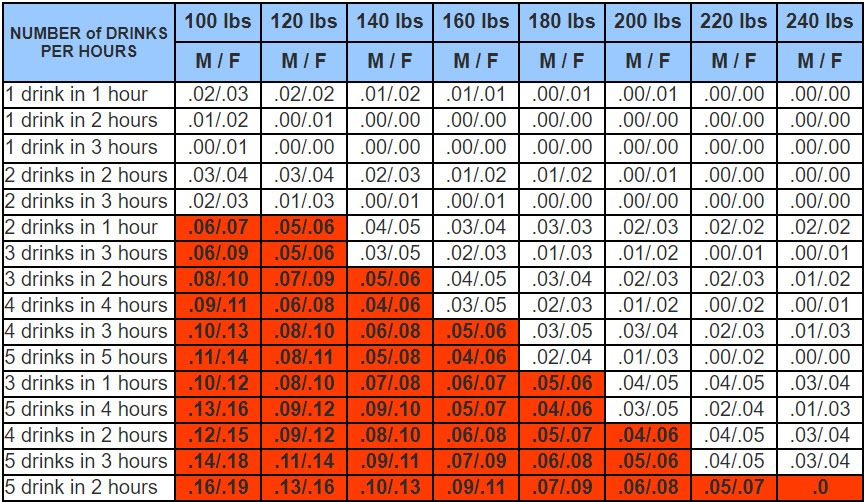
The universally recognized legal limit for operating a motor vehicle in Florida is a BAC of 0.08 percent. This applies to drivers who are 21 years of age or older. It is important to note that reaching this BAC level can occur after consuming just a few standard drinks, depending on various individual factors. A standard drink is typically defined as 12 ounces of beer (5% alcohol), 5 ounces of wine (12% alcohol), or 1.5 ounces of 80-proof distilled spirits (40% alcohol).
Exceptions and Lower Limits
While 0.08% is the standard, Florida has stricter limits for certain categories of drivers, reflecting enhanced safety concerns.
Commercial Drivers
For individuals operating commercial motor vehicles, the legal BAC limit is significantly lower: 0.04 percent. This is because commercial vehicles are larger and heavier, posing a greater risk in the event of an accident. Drivers holding a commercial driver’s license (CDL) must be particularly vigilant about their alcohol consumption if they intend to drive their commercial vehicle.
Underage Drivers
The laws surrounding alcohol and underage individuals are particularly stringent. In Florida, it is illegal for anyone under the age of 21 to purchase or possess alcoholic beverages. Furthermore, any driver under the age of 21 operating a vehicle with a BAC of 0.02 percent or higher can face legal consequences. This is often referred to as a “zero tolerance” policy, aiming to deter young people from driving under the influence. Even a small amount of alcohol can push an underage driver over this limit.
Factors Influencing BAC
It is a common misconception that one can accurately gauge their BAC based on how they feel. The reality is that BAC is influenced by a multitude of factors, making it impossible to reliably self-assess. These factors include:
- Body Weight: Individuals with higher body weight generally have more body fluid, which dilutes alcohol, leading to a lower BAC compared to someone lighter consuming the same amount.
- Sex: Biological differences in body composition and metabolism can affect how alcohol is processed. Generally, women tend to reach a higher BAC than men after consuming the same amount of alcohol.
- Food Consumption: Having food in your stomach before or while drinking significantly slows down the absorption of alcohol into the bloodstream, resulting in a lower peak BAC.
- Type of Alcohol: While the standard drink definition standardizes alcohol content, the speed at which different beverages are consumed and their carbonation can indirectly affect absorption rates.
- Metabolism: Each individual’s metabolic rate for alcohol is unique and can vary from day to day.
- Medications: Certain medications can interact with alcohol, potentially intensifying its effects or leading to unpredictable reactions.
Given these variables, relying on subjective feelings to determine sobriety is extremely risky and can lead to serious legal trouble.
Legal Implications of Exceeding the Limit in Florida
Driving under the influence (DUI) or driving while intoxicated (DWI) in Florida carries severe penalties, designed to deter such dangerous behavior and punish offenders. These penalties escalate with subsequent offenses and can have long-lasting impacts on an individual’s life.
First Offense Penalties
A first-time DUI offense in Florida can result in:
- Fines: Typically ranging from $500 to $1,000. If the BAC is 0.15% or higher, or if a minor under 18 is in the vehicle, the fines can be substantially higher.
- Jail Time: Up to six months in jail.
- License Suspension: A mandatory driver’s license suspension for at least six months.
- Community Service: A minimum of 50 hours of community service.
- Probation: A period of probation.
- Impoundment of Vehicle: The vehicle used in the offense may be impounded.
- DUI School: Mandatory completion of a DUI education program.
Subsequent Offenses
Penalties become significantly more severe for repeat offenders. A second DUI conviction within five years can lead to:
- Mandatory License Revocation: A minimum five-year license revocation if the second offense occurs within five years of the first.
- Increased Jail Time: Up to nine months in jail.
- Higher Fines: Fines can increase to between $1,000 and $2,000.
A third DUI conviction, especially if it occurs ten years after a second conviction, is classified as a felony and can result in:
- Felony Charges: Up to five years in state prison.
- Significant Fines: Fines of $2,500 to $5,000.
- Permanent License Revocation: The possibility of a lifetime driver’s license revocation.
Aggravating Factors
Certain circumstances can elevate the severity of DUI charges and penalties. These include:
- High BAC: Driving with a BAC of 0.15% or higher often results in enhanced penalties.
- Presence of a Minor: If a child under the age of 18 is in the vehicle during a DUI, the penalties are significantly increased, including potential child endangerment charges.
- Accident and Injury: Causing property damage, serious bodily injury, or a fatality while driving under the influence can lead to felony charges and substantial prison sentences, including charges of DUI Manslaughter or Vehicular Homicide.
Responsible Consumption and Safety in Florida
Understanding the legal alcohol limits is paramount for anyone visiting or residing in Florida who plans to consume alcohol. Responsible enjoyment of the state’s attractions, from its pristine beaches to its vibrant nightlife, hinges on making safe and legal choices.
Safe Transportation Options
When you plan to drink, always plan your transportation in advance. Florida offers a variety of safe alternatives to driving after consuming alcohol.
- Ride-Sharing Services: Services like Uber and Lyft are readily available in most urban and tourist areas.
- Taxis: Traditional taxi services are also a reliable option.
- Designated Drivers: Arranging for a sober friend or family member to drive is an excellent choice.
- Public Transportation: Many cities in Florida, particularly Miami and Orlando, have public transportation systems that can be utilized.
- Walking: If you are staying within walking distance of your destination, this is a safe and convenient option.
Awareness of Local Laws
While the legal driving limit is consistent across the state, other alcohol-related laws may vary slightly by municipality or county. For instance, regulations regarding open containers or the sale of alcohol on Sundays might differ. It’s always wise to be aware of the specific ordinances in the area you are visiting. Many restaurants, bars, and hotels across Florida, such as the Fontainebleau Miami Beach or the Disney’s Grand Floridian Resort & Spa, provide information on local regulations.
Enjoying Florida Responsibly
Florida offers a plethora of experiences, from exploring the historic streets of St. Augustine to experiencing the thrills of Walt Disney World Resort. By understanding and respecting the legal alcohol limits and choosing safe transportation options, you can ensure your trip is memorable for all the right reasons. Savor the local flavors, enjoy the sunshine, and embrace the spirit of Florida with a commitment to safety and responsibility.
LifeOutOfTheBox is a participant in the Amazon Services LLC Associates Program, an affiliate advertising program designed to provide a means for sites to earn advertising fees by advertising and linking to Amazon.com. Amazon, the Amazon logo, AmazonSupply, and the AmazonSupply logo are trademarks of Amazon.com, Inc. or its affiliates. As an Amazon Associate we earn affiliate commissions from qualifying purchases.