
The Florida Panhandle represents a distinctive and captivating region of the Sunshine State, often overlooked in favor of its more globally recognized central and southern counterparts. Shaped like the handle of a pan extending westward from the main body of Florida, this unique area is a treasured destination lauded for its pristine white-sand beaches, emerald-green waters, rich history, and laid-back Southern charm. It offers a refreshingly different experience for travelers, blending natural beauty with vibrant communities and an abundance of activities. From bustling beach towns to tranquil historic fishing villages and vast natural preserves, the Florida Panhandle promises an unforgettable escape for families, adventurers, and those simply seeking relaxation by the sea.

Unveiling the Emerald Coast: A Geographical and Cultural Overview
The Florida Panhandle is more than just a geographical appendage; it is a region with a distinct identity, shaped by its unique location, fascinating history, and breathtaking natural attributes. Understanding its foundational elements is key to appreciating its allure as a travel destination.
Defining the Region: Geography and Boundaries
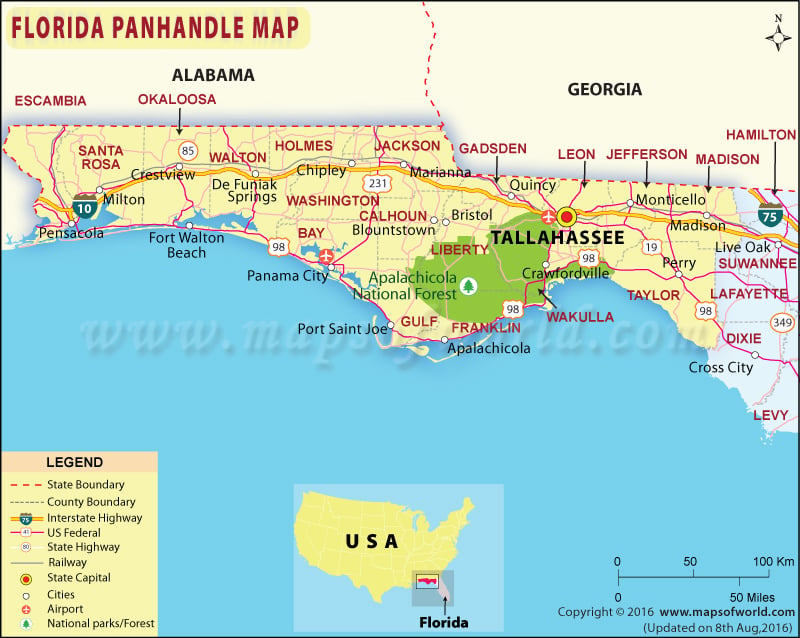
Geographically, the Florida Panhandle stretches across the northwestern part of Florida, bordered by Alabama and Georgia to the north, and the warm, inviting waters of the Gulf of Mexico to the south. This strategic position gives the region a unique cultural blend, often feeling more akin to the Deep South than to tropical Florida proper. The coastline spans hundreds of miles, encompassing a diverse array of coastal ecosystems, from barrier islands to marshlands, all fronting the brilliant blue-green hues of the Gulf of Mexico. Inland, the landscape transitions into pine forests, rolling hills, and numerous freshwater springs and rivers, creating a varied topography that supports a wide range of flora and fauna. This natural diversity is a cornerstone of the Panhandle’s appeal, offering opportunities for both coastal and terrestrial exploration.
A Rich Tapestry of History and Heritage
The history of the Florida Panhandle is as colorful and varied as its landscapes. Before European arrival, indigenous tribes thrived in the region, leaving behind a legacy that continues to influence the area’s identity. The Spanish explorer Ponce de León was among the first Europeans to explore the Florida coast in the early 16th century, though it was the Spanish who later established Pensacola as one of the earliest European settlements in what is now the United States, in 1559. Over centuries, the region changed hands between Spanish, French, and British rule, each leaving an indelible mark on its architecture, culture, and traditions. During the American Civil War, the Panhandle played a significant role, particularly Pensacola with its strategic harbor and forts.
Today, this historical legacy is palpable in the charming downtowns, preserved forts, and museums scattered throughout the region. The area’s “Old South” character is evident in its antebellum homes, friendly locals, and a slower pace of life, distinct from the bustling urban centers further south in Florida. This rich heritage adds a layer of depth to the travel experience, inviting visitors to delve into centuries of captivating stories.
Climate and Natural Beauty
The Florida Panhandle enjoys a humid subtropical climate, characterized by warm, humid summers and mild winters. This allows for year-round outdoor activities, though spring and fall offer the most pleasant temperatures with fewer crowds. The region’s most famous natural asset is undoubtedly its coastline, often referred to as the “Emerald Coast.” This moniker comes from the striking emerald green hue of the Gulf of Mexico waters, a result of sunlight interacting with microscopic algae and the pure white, quartz sand. These sugary white sands, derived from the Appalachian Mountains, are remarkably soft, cool to the touch, and create a dazzling contrast with the water, making them among the most beautiful beaches in the world.
Beyond the immediate coastline, the Panhandle is home to extensive pine forests, coastal dune lakes—a rare natural phenomenon—and pristine wetlands. Numerous state parks and national forests protect these diverse ecosystems, providing habitats for a wide array of wildlife and offering endless opportunities for hiking, birdwatching, and immersion in nature.
Premier Destinations and Coastal Charms
The Florida Panhandle boasts an array of destinations, each with its unique character, catering to different travel preferences. From vibrant, amenity-rich cities to serene, upscale beach communities, the region offers a spectrum of experiences.
Iconic Beach Towns and Their Unique Allure
Among the most popular destinations is Destin, famously known as “The World’s Luckiest Fishing Village.” It lives up to its name with a massive charter fishing fleet and abundant catches, making it a paradise for anglers. Beyond fishing, Destin offers beautiful beaches, challenging golf courses, water parks, and a lively harborwalk with dining and entertainment, appealing greatly to families.
Further east lies Panama City Beach, a dynamic destination known for its spirited atmosphere and extensive attractions. While it has a reputation for spring break festivities, Panama City Beach has evolved significantly, now offering countless family-friendly activities, including amusement parks, marine life attractions, and sprawling beachfront resorts. Its pier is a favorite for fishing and dolphin watching, and the city hosts numerous events throughout the year.
To the west, Pensacola stands as a beacon of history and culture. As Florida’s first settlement, its historic downtown showcases charming architecture, museums, and a vibrant arts scene. Just a short drive away is Pensacola Beach, offering miles of untouched Gulf Islands National Seashore, perfect for those seeking tranquility alongside beach activities. The city is also home to the renowned National Naval Aviation Museum, a must-visit for aviation enthusiasts.
Fort Walton Beach, nestled between Destin and Pensacola, is a family-oriented destination known for its calm waters and attractions like the Gulfarium Marine Adventure Park. It offers a relaxed alternative to its busier neighbors while still providing ample entertainment. For a more upscale experience, Miramar Beach and Sandestin offer luxurious resorts, world-class golf courses, high-end shopping, and exquisite dining, appealing to travelers seeking refined indulgence.
Quaint Coastal Communities and Scenic Drives
Beyond the major hubs, the Florida Panhandle is dotted with charming smaller communities, each offering a distinct flavor. One of the most celebrated stretches is Scenic Highway 30A in South Walton, a picturesque route dotted with unique New Urbanism towns like Seaside, Rosemary Beach, and Alys Beach. These communities are renowned for their distinctive architecture, walkable layouts, boutique shops, gourmet restaurants, and a strong emphasis on community and aesthetics. They offer a sophisticated yet relaxed atmosphere, perfect for travelers seeking a quieter, more curated experience.

Further to the east, along the Forgotten Coast, lie historic gems like Apalachicola. This charming fishing town is famous for its oysters and well-preserved 19th-century architecture. It offers a glimpse into authentic Old Florida, with independent shops, art galleries, and a thriving seafood scene. Nearby, Port St. Joe provides a laid-back atmosphere with excellent opportunities for boating, fishing, and enjoying untouched natural beauty, particularly around St. Joseph Bay. These smaller towns emphasize natural experiences, local culture, and a tranquil escape from the more bustling coastal areas.
Beyond the Beaches: Diverse Attractions and Activities
While the beaches are undoubtedly the main draw, the Florida Panhandle offers a wealth of activities and attractions that extend far beyond sunbathing and swimming, ensuring a fulfilling trip for every type of traveler.
Outdoor Adventures and Natural Wonders
The emerald waters of the Gulf of Mexico are a playground for water sports enthusiasts. Deep-sea fishing charters depart daily from Destin and other ports, promising thrilling encounters with marlin, tuna, and snapper. Closer to shore, bay fishing, paddleboarding, kayaking, and jet-skiing are popular. The clear waters also make for excellent snorkeling and scuba diving, with artificial reefs providing vibrant underwater ecosystems to explore.
Inland and along the coast, numerous state parks and preserves offer opportunities for hiking, biking, and wildlife viewing. St. Andrews State Park near Panama City Beach is a gem, offering pristine beaches, nature trails, and a jettied area perfect for snorkeling. Henderson Beach State Park in Destin and Topsail Hill Preserve State Park near Santa Rosa Beach boast rare coastal dune lakes and stunning natural beauty. For a unique inland adventure, Florida Caverns State Park in Marianna offers guided cave tours through stunning geological formations, a stark contrast to the coastal environment.
Cultural Experiences and Historical Insights
The region’s rich history is celebrated in various museums and historical sites. The National Naval Aviation Museum in Pensacola is one of the largest and most visited aviation museums in the world, showcasing hundreds of aircraft and offering an immersive look into naval aviation. Visitors can also watch the legendary Blue Angels practice their aerial acrobatics. Historic downtown Pensacola and Apalachicola invite leisurely strolls through streets lined with centuries-old buildings, boutique shops, and art galleries.
Family-friendly attractions like the Gulfarium Marine Adventure Park in Fort Walton Beach offer opportunities to learn about and interact with marine life, including dolphins, sea lions, and penguins. Throughout the year, the Panhandle hosts numerous festivals, from seafood festivals celebrating the local bounty to art fairs and music events, providing a taste of local culture and community spirit.
Culinary Delights and Local Flavors
A visit to the Florida Panhandle would be incomplete without indulging in its culinary scene. Given its coastal location, fresh seafood is paramount. Oysters from Apalachicola are particularly famous, often considered among the best in the world. Visitors can savor freshly caught shrimp, grouper, snapper, and other Gulf delicacies prepared in countless ways, from casual fried baskets to sophisticated gourmet dishes. Waterfront dining experiences are abundant, offering stunning views alongside delicious meals.
Beyond seafood, the region embraces its Southern roots with hearty comfort food, barbecue, and classic Florida dishes. Local markets and roadside stands offer fresh produce and regional specialties, inviting travelers to taste the authentic flavors of the Panhandle.
Planning Your Panhandle Escape: Tips for Travelers
To make the most of a trip to the Florida Panhandle, a few considerations regarding timing, logistics, and local etiquette can significantly enhance the experience.
Best Time to Visit and Accommodation Options
The shoulder seasons—spring (March to May) and fall (September to November)—are often considered the best times to visit the Florida Panhandle. During these periods, the weather is pleasantly warm, humidity is lower, and the crowds are thinner, allowing for a more relaxed experience on the beaches and at attractions. Summer (June to August) is peak season, characterized by hot weather, lively crowds, and the highest prices. While vibrant and energetic, summer visitors should be prepared for intense sun and potential afternoon thunderstorms. Winter (December to February) offers mild temperatures, making it a popular escape for snowbirds, and provides excellent opportunities for uncrowded beach walks and outdoor activities.
Accommodation options in the Florida Panhandle are diverse, ranging from luxurious beachfront resorts and boutique hotels to budget-friendly motels and extensive vacation rentals, including condos, villas, and private homes. Panama City Beach and Destin offer the widest selection of large resorts and family-oriented rentals, while Scenic Highway 30A communities cater to those seeking upscale and architecturally distinctive properties. Booking well in advance, especially during peak season, is highly recommended.
Getting Around and Travel Logistics
The most convenient way to explore the Florida Panhandle is by car. Having your own vehicle provides the flexibility to discover hidden gems, visit various towns, and access state parks and natural attractions. The region is served by several airports, including Pensacola International Airport (PNS), Northwest Florida Beaches International Airport (ECP) near Panama City, and Destin-Fort Walton Beach Airport (VPS). These airports offer connections to major U.S. cities, making access relatively easy. Public transportation within individual cities is limited, so rental cars or ride-sharing services are typically necessary for local movement.
Embracing the Local Vibe
The Florida Panhandle embodies a relaxed, hospitable atmosphere that blends Southern charm with a laid-back coastal lifestyle. Visitors will find that locals are generally friendly and welcoming. Embracing this unhurried pace, enjoying the fresh seafood, and spending time outdoors are key to experiencing the region authentically. It is also essential to respect the pristine natural environment by following Leave No Trace principles, especially when visiting beaches, state parks, and wildlife areas. The Florida Panhandle offers a unique slice of Florida that delights with its beauty, history, and genuine warmth, making it a truly rewarding travel destination.
LifeOutOfTheBox is a participant in the Amazon Services LLC Associates Program, an affiliate advertising program designed to provide a means for sites to earn advertising fees by advertising and linking to Amazon.com. Amazon, the Amazon logo, AmazonSupply, and the AmazonSupply logo are trademarks of Amazon.com, Inc. or its affiliates. As an Amazon Associate we earn affiliate commissions from qualifying purchases.