
Navigating the nuances of travel often involves understanding the financial components that contribute to your overall vacation budget. One such component, particularly prevalent when exploring the Sunshine State, is sales tax. For many travelers, particularly those venturing to Florida for a getaway, a common question arises: “What is the Florida sales tax percentage?” This inquiry is not just about the headline rate; it delves into the layered system of state, county, and sometimes district taxes that can impact everything from your hotel stay to a souvenir purchase.
Understanding this tax structure is crucial for budgeting, whether you’re planning a lavish trip to a Miami resort, a family adventure to Orlando‘s theme parks, or a relaxed beach vacation along the Gulf Coast. This guide aims to demystify the Florida sales tax, providing clarity on the rates, how they are applied, and what you can expect as a tourist.
The Foundation: Florida State Sales Tax
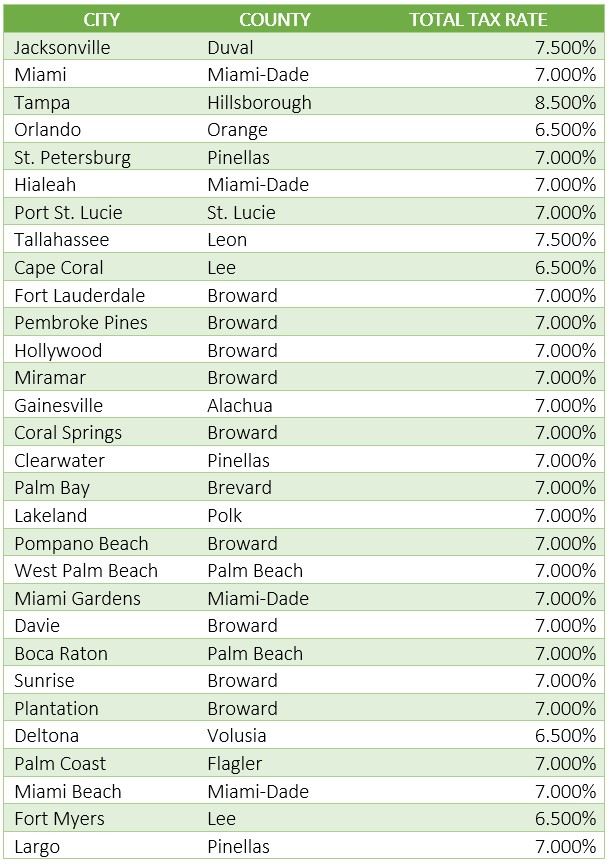
At its core, Florida operates with a state sales tax rate that forms the base for all taxable transactions. This rate is set by the state legislature and is subject to change over time, though it has remained relatively stable in recent years. Currently, the statewide sales tax rate stands at 6%. This 6% applies to most retail sales of tangible personal property, as well as a broad range of services. When you’re browsing for souvenirs at Disney Springs, dining at a popular Miami restaurant, or renting a car at Orlando International Airport, this 6% state tax is the foundational layer of the tax you’ll see on your bill.
However, to assume that 6% is the final figure you’ll encounter would be a simplification. Florida‘s tax system is more intricate, incorporating local additions that cater to specific regional needs and infrastructure projects. This means that while 6% is the starting point, your actual sales tax percentage will likely be higher depending on your exact location within the state. This is where understanding county and municipal taxes becomes vital for accurate budgeting.
Local Additions: County and District Taxes
Beyond the state’s 6% sales tax, each of Florida‘s 67 counties has the authority to levy its own additional sales tax. This local option allows counties to fund specific projects, such as public transportation, infrastructure improvements, or even law enforcement. The rates for these county discretionary sales surtaxes vary significantly from one county to another. Some counties may not impose any additional tax, while others can add a substantial percentage.
The maximum combined rate for state and local sales taxes in Florida is capped. Currently, this cap allows for a total of 7.5% in most areas, though there are exceptions. It’s important to note that these local additions are often referred to as “discretionary sales surtaxes.” For instance, if you are staying in Miami-Dade County, you will encounter a specific discretionary surtax. Similarly, if your travels take you to Orange County, home to many iconic Orlando attractions, you’ll find a different local surtax rate in effect.
Understanding Specific Local Tax Rates
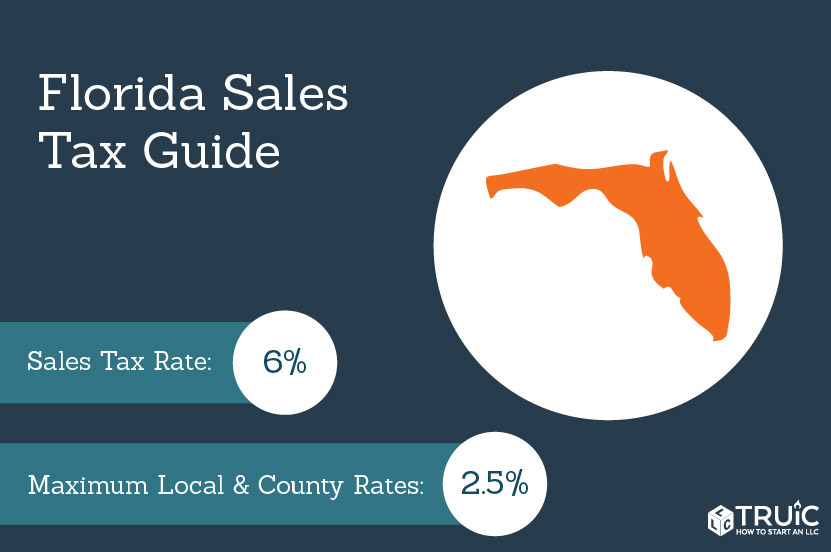
The variability of these local taxes means that a single purchase can have different tax implications depending on where it’s made. For example, a hotel in Palm Beach might have a different total sales tax rate than a hotel in Tampa.
State Sales Tax and Tourist Taxes
While the state sales tax is generally applied across the board, certain types of accommodations, particularly hotels and other short-term rentals, are often subject to additional “tourist taxes.” These are typically levied by municipalities or counties to fund local tourism promotion and development efforts. These taxes are often a percentage of the room rate and can significantly increase the cost of a hotel stay.
For example, if you book a room at the Grand Hyatt Hotel in Orlando, you’ll be looking at the state sales tax, the Orange County discretionary sales surtax, and potentially a local tourist tax. Each of these components is added to the base room rate, and understanding their individual contributions is key to managing your accommodation budget. The same applies if you’re considering a stay at a luxury resort like the Fontainebleau Miami Beach. The total tax will be a sum of the state rate, the applicable county surtax, and any specific municipal tourist tax.
Impact on Various Travel Expenses
The impact of these sales tax percentages extends beyond just your hotel bill.
Retail Purchases and Dining
When you decide to indulge in some retail therapy at the Florida Mall or enjoy a meal at a charming Key West restaurant, the sales tax will be applied. This includes everything from clothing and electronics to souvenirs and prepared food. The rate applied will be the sum of the state sales tax and any applicable county and district surtaxes for that specific location.
Car Rentals and Other Services
Renting a car is a common necessity for exploring Florida‘s diverse landscapes, from the natural beauty of the Everglades National Park to the historic streets of St. Augustine. The cost of your car rental will also be subject to sales tax, again determined by the location where you pick up and return the vehicle. Similarly, many other services, such as admissions to attractions, repair services, and even certain professional services, fall under the purview of Florida‘s sales tax regulations.
How to Determine the Exact Florida Sales Tax Percentage for Your Trip
Given the layered nature of Florida‘s sales tax, determining the precise percentage for your specific travel plans requires a bit of localized knowledge. Fortunately, there are resources available to help.
Utilizing Online Resources and Local Information
The Florida Department of Revenue is the primary source for official information regarding sales tax rates. Their website often provides searchable databases or rate tables that allow you to look up the combined state and local sales tax rates for any given county or city within the state. This is an invaluable tool for travelers planning their budget in detail.
Many tourism websites and hotel booking platforms also provide estimated tax information for specific locations. While these are generally accurate, it’s always a good practice to cross-reference with official sources if you need the most precise figures, especially for significant expenditures. For instance, if you’re booking an extended stay at a villa in Sarasota, checking the Florida Department of Revenue website for Sarasota County will give you the definitive rate.
Factors Affecting Tax Calculation
It’s important to remember that sales tax is typically calculated on the selling price of the item or service. For accommodations, this means the advertised room rate before taxes. For retail purchases, it’s the price of the goods before tax. Some items are exempt from sales tax, such as certain groceries and prescription medications, but most goods and services commonly purchased by tourists are taxable.
The distinction between state sales tax and discretionary surtaxes is crucial. While the state sales tax is uniform across Florida, the discretionary surtaxes can create significant variations. This is why a purchase in Tallahassee might have a different tax burden than an identical purchase in Fort Lauderdale.
Special Considerations for Tourist Destinations
Major tourist hubs in Florida often have higher overall sales tax rates due to the combination of state, county, and dedicated tourist taxes. Areas like Miami-Dade County, Orange County (for Orlando), and Pinellas County (home to popular St. Pete Beach and Clearwater) may have rates that approach the maximum allowed, reflecting the infrastructure and services needed to support large numbers of visitors.
When planning a trip to these popular destinations, factoring in the higher tax rates for accommodation, dining, and retail purchases is a sensible budgeting strategy. This proactive approach ensures that you are prepared for the total cost of your vacation, avoiding any unwelcome surprises. Whether you’re staying at a boutique hotel in South Beach or a family-friendly resort near Walt Disney World Resort, understanding the sales tax is an integral part of planning a smooth and enjoyable Florida experience.
LifeOutOfTheBox is a participant in the Amazon Services LLC Associates Program, an affiliate advertising program designed to provide a means for sites to earn advertising fees by advertising and linking to Amazon.com. Amazon, the Amazon logo, AmazonSupply, and the AmazonSupply logo are trademarks of Amazon.com, Inc. or its affiliates. As an Amazon Associate we earn affiliate commissions from qualifying purchases.