
Florida, often dubbed the Sunshine State, is a beacon for those seeking a vibrant lifestyle, whether for a temporary escape, a seasonal retreat, or a permanent relocation. Its allure lies in its pristine beaches, world-class attractions, and diverse cultural tapestry. However, for anyone planning to spend time or make a home here, understanding the intricacies of the state’s sales tax system is not merely a bureaucratic detail – it’s a critical component of effective financial planning and budget management. This knowledge empowers individuals to make informed purchasing decisions, ensuring their Florida experience, be it a luxurious getaway or a budget-conscious adventure, aligns perfectly with their lifestyle aspirations. From everyday purchases to significant investments like long-term accommodation, sales tax impacts the final cost of nearly everything, making it an indispensable piece of information for navigating life in this popular state.
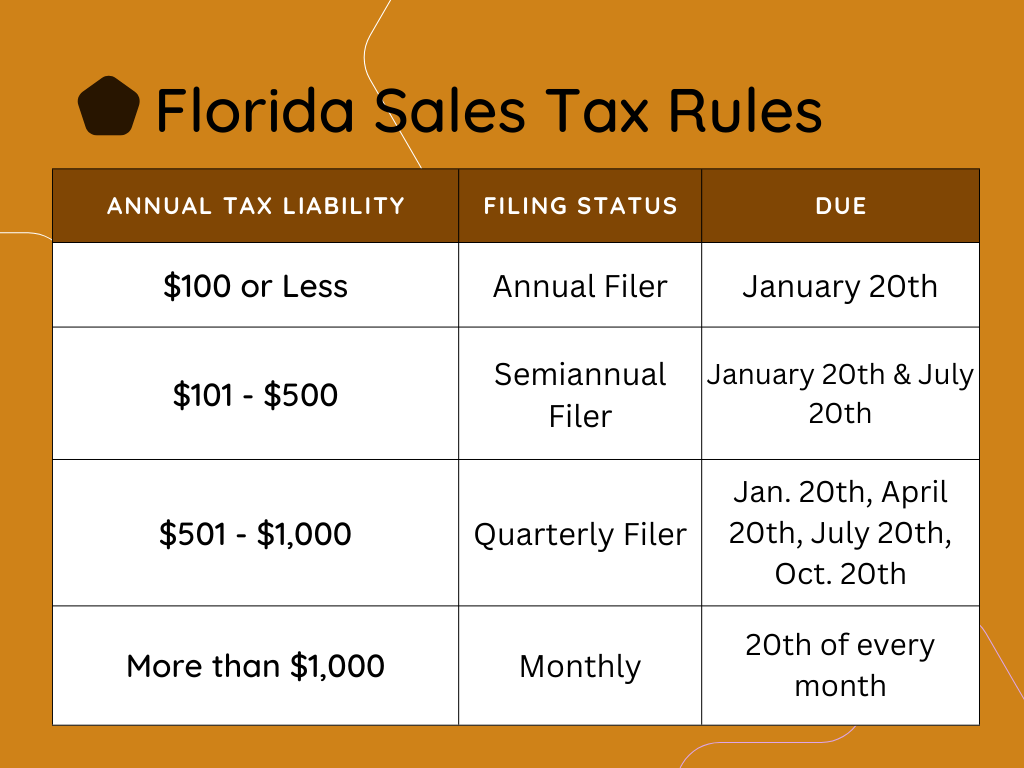
Understanding Florida’s General Sales Tax Rate
Embarking on any lifestyle choice in Florida – be it a vacation, a move, or a seasonal stay – necessitates a clear understanding of its sales tax framework. This system is designed to generate revenue for vital public services, and it directly influences the cost of consumer goods and many services across the state.
The Statewide Standard
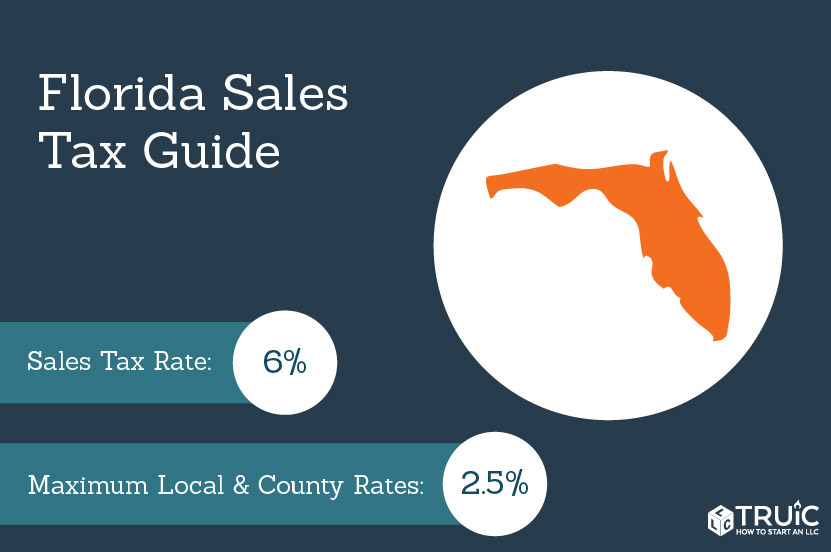
At the core of Florida’s sales tax structure is the statewide standard rate. This is the baseline percentage that applies to most tangible personal property and certain services sold or rented within the state. As of the current regulations, the state sales tax rate in Florida is 6%. This means that for every dollar you spend on taxable items, an additional six cents will be added to your total bill.
This 6% applies broadly to a vast array of consumer goods. When you buy clothing, electronics, furniture, books, or souvenirs, this rate is typically applied. Similarly, the rental of tangible personal property, such as tools or equipment, also falls under this general tax. Understanding this base rate is the first step in accurately estimating the final cost of items, which is crucial for anyone managing a budget, whether for daily living or a planned trip. Without factoring in this additional cost, individuals can often underestimate their total expenses, leading to unexpected financial strain. For those on a tight budget, remembering that a $100 purchase actually costs $106 is essential for realistic spending.
Local Option Sales Surtaxes: The County Factor
While the 6% state sales tax provides a foundational understanding, the actual sales tax rate you pay in Florida can vary significantly from one location to another. This variability is due to what are known as “local option sales surtaxes,” often referred to as county sales taxes. These surtaxes are imposed by individual counties, allowing them to collect additional revenue for specific local projects or services, such as infrastructure improvements, public safety, or transportation initiatives.
Each county in Florida has the authority to levy its own surtax, which is added on top of the statewide 6% rate. These local surtaxes typically range from 0.5% to 2.5%, meaning the combined sales tax rate can climb as high as 8.5% in some areas. For instance, a purchase made in Miami-Dade County might incur a higher combined sales tax rate than an identical purchase made in Orlando‘s Orange County, or in Tampa‘s Hillsborough County, due to differing local surtaxes.
This county-specific variation carries significant implications for budgeting, especially for those who travel across different regions of Florida or are considering relocating. For a family planning a multi-city vacation, understanding these localized rates can help them anticipate costs more accurately. For example, if you’re buying a big-ticket item, the difference of 1% or 2% in sales tax can amount to substantial savings or added expense, depending on where the purchase is made. Similarly, individuals considering a move to Florida should research the sales tax rates in prospective counties to gain a comprehensive view of their potential cost of living and how it will impact their long-term lifestyle budget. This localized knowledge is vital for maximizing financial efficiency and avoiding budget surprises in the diverse economic landscape of the Sunshine State.
Navigating Exemptions and Special Cases for Everyday Lifestyle
Understanding what is taxable and what isn’t can significantly impact your daily budget and lifestyle choices in Florida. The state’s sales tax system is not a blanket application; it includes various exemptions and special provisions that, once understood, can lead to smarter spending and better financial planning.
Essentials vs. Luxuries: What’s Exempt?
One of the most impactful exemptions for everyday living and budget travel in Florida pertains to essential goods. Generally, certain necessities are exempt from sales tax, ensuring that basic living costs are somewhat mitigated. The most prominent exemption is for most groceries. When you purchase food items from a grocery store for home consumption, you typically won’t pay sales tax on them. This is a crucial consideration for anyone managing a household budget or planning self-catering options during a trip, as it directly reduces the cost of arguably the most frequent expenditure category. However, it’s important to note that prepared foods, hot meals, and restaurant purchases are generally taxable, highlighting the distinction between groceries for home preparation and dining out.
Another significant exemption is for prescription medicines and many medical services. This ensures that essential healthcare needs are not burdened by additional taxation, which is a key factor for residents and long-term visitors alike when assessing their overall cost of living and lifestyle in Florida. Certain prosthetics and medical devices are also often exempt.
Beyond these, Florida also offers specific exemptions for items like newspapers, certain agricultural products, and some items related to education. While these might not impact everyone’s daily budget directly, they collectively contribute to the state’s economic structure and how different sectors operate. For the savvy consumer, knowing these exemptions allows for more strategic spending, enabling better allocation of funds towards other lifestyle preferences or savings goals.
Services and Digital Goods: A Nuanced Approach
The taxation of services and digital goods in Florida presents a more nuanced picture, often leading to confusion for consumers. Unlike tangible goods, most services are generally not subject to sales tax in Florida, with some notable exceptions. For instance, professional services like legal advice, accounting, or medical consultations are typically untaxed. Services such as haircuts, dry cleaning, or car repairs are also generally exempt from sales tax. This can be a pleasant surprise for those accustomed to paying sales tax on services in other states.
However, the line can become blurry when services are intertwined with the sale or rental of tangible personal property. For example, if a service involves repairing an item and includes the cost of new parts, those parts would typically be subject to sales tax. Similarly, services that fall under the category of “rental of tangible personal property” are taxable.
Regarding digital goods, Florida’s stance has evolved. Sales tax generally applies to digital products that are transferred electronically, such as downloaded software, digital books, music, or streaming services, if they are considered a “sale of tangible personal property” or a “rental.” However, the exact application can depend on how the service is structured and delivered. For example, access to online databases or certain cloud-based services might have different tax implications than a direct download. For individuals reliant on digital entertainment, software subscriptions, or remote work tools, understanding these nuances is key to budgeting accurately for their connected lifestyle in Florida.
The Tourism Impact: Hotel Stays and Rental Cars
For many, a significant part of their Florida lifestyle involves temporary stays, whether for vacation or business. Two major expense categories for visitors are hotel stays and rental cars, both of which are subject to sales tax, often with additional layers of taxation.
When you book a hotel room, resort suite, or any other form of transient accommodation in Florida, the statewide 6% sales tax is applied to the rental charge. However, this is rarely the only tax you’ll pay. Most counties also levy a “tourist development tax” (TDT), often called a bed tax or resort tax. This TDT is in addition to the state sales tax and can range from 1% to 6% or even more, depending on the county. For instance, staying in a popular destination like Orlando or Miami means paying the 6% state sales tax plus the county’s tourist development tax. This can significantly increase the actual cost of accommodation, an important factor for budget-conscious travelers.
Similarly, rental cars are also subject to the 6% state sales tax, along with any applicable county surtaxes. On top of this, Florida imposes a mandatory surcharge on most car rentals, which is another separate fee often not included in the advertised daily rate. This combination of state sales tax, local surtaxes, and specific rental car fees means that the final price at the counter can be noticeably higher than initial estimates. For families or individuals planning extensive road trips across Florida, factoring in these multiple layers of taxation for both accommodation and transportation is paramount for maintaining financial equilibrium and enjoying a stress-free travel lifestyle. Overlooking these additional costs can quickly derail a carefully planned budget.
Sales Tax and Your Florida Budget: Practical Lifestyle Implications
Understanding the theoretical aspects of Florida’s sales tax is one thing; applying that knowledge to your personal budget and lifestyle is another. For both residents and visitors, sales tax significantly influences spending power and financial decision-making, demanding a proactive approach to budgeting.
Planning Your Spending in Florida
Effective financial planning in Florida inherently involves accounting for sales tax. For visitors, this means considering the added cost to virtually every purchase, from a bottle of sunscreen to a souvenir T-shirt, and for a rental car or an attraction ticket. While a 6% or 7.5% tax might seem small on individual items, it quickly accumulates, especially when considering the cumulative expenses of a vacation. A $1,000 shopping spree, for example, will cost an additional $60-$75 in sales tax. This “hidden” cost needs to be built into your daily or weekly travel budget, ensuring you don’t overspend on your core activities. For those planning a longer stay or a relocation, this principle extends to furniture, appliances, and ongoing retail purchases. It’s not just about the price tag; it’s about the price tag plus tax. Failing to factor this in can lead to recurring budget shortfalls and impact your lifestyle choices, forcing compromises on experiences or purchases you might otherwise enjoy.
Shopping Smart: Identifying Taxable vs. Non-Taxable Purchases
Becoming a savvy shopper in Florida involves more than just hunting for sales; it means understanding which purchases are subject to tax and which are not. This knowledge empowers you to make more financially intelligent decisions that align with your lifestyle. For example, if you’re aiming for a budget-friendly lifestyle, opting to cook meals at home with groceries (non-taxable) rather than frequently dining out (taxable) can lead to significant savings over time. Similarly, knowing that most services are non-taxable might influence your choice to invest in experiences (e.g., a non-taxed professional guide for an excursion) versus purchasing tangible goods (e.g., taxable souvenirs).
When making larger purchases, such as electronics or home furnishings, being aware of the specific sales tax rate in the county where you are buying can lead to smart decisions. For residents, this awareness can also impact decisions around subscription services or digital downloads, understanding which ones incur sales tax and which do not. This proactive approach to identifying taxable versus non-taxable items is a cornerstone of responsible financial management and a key aspect of maximizing your budget in Florida.
Long-Term Stay and Relocation Considerations
For individuals contemplating a longer stay in Florida or a permanent relocation, understanding sales tax shifts from being a budgeting tip to a fundamental component of their financial blueprint. Moving to a new state involves numerous upfront costs, and sales tax plays a significant role here. Consider furnishing a new home: every piece of furniture, appliance, and decorative item will be subject to state and local sales tax. These costs can quickly add up to hundreds or even thousands of dollars, impacting your initial relocation budget.
Beyond initial setup costs, sales tax continues to influence monthly expenses. Your regular shopping trips, vehicle maintenance, and even certain entertainment purchases will consistently include this added cost. For those managing a fixed income or striving for a specific savings goal, consistently factoring in sales tax for all projected expenses is crucial. This detailed understanding allows for a more realistic assessment of the true cost of living in Florida, informing choices about housing, leisure activities, and overall lifestyle expectations. It provides a clearer picture of disposable income and helps prevent financial surprises, contributing to a smoother and more stable transition or long-term living experience in the Sunshine State.
The Economic Role of Sales Tax in Florida’s Lifestyle and Infrastructure
While often viewed as an added cost, Florida’s sales tax plays a fundamental and often understated role in shaping the very lifestyle and infrastructure that residents and visitors enjoy. It’s not just a revenue stream; it’s an investment in the state’s collective well-being and future.
Funding Public Services
The revenue generated from the statewide 6% sales tax and the various county surtaxes is indispensable for funding a wide array of public services across Florida. These funds are directed towards state and local government operations, supporting essential services that directly impact the quality of life and accessibility for everyone. This includes maintaining and improving public infrastructure such as roads, bridges, and public transportation networks, which facilitate seamless travel and daily commutes, enhancing both resident lifestyle and tourist experiences.
Furthermore, sales tax revenue contributes significantly to education, funding public schools, universities, and vocational programs that foster a skilled workforce and enrich communities. It also supports public safety initiatives, including law enforcement agencies, fire departments, and emergency services, ensuring a secure environment. Health and human services, environmental protection efforts, and recreational facilities like parks and beaches also benefit from these tax contributions. In essence, every dollar collected through sales tax helps to build and sustain the vibrant, functional, and attractive environment that defines the Florida lifestyle, making the state a desirable place to live, work, and visit.

Impact on Local Economies and Consumer Behavior
The sales tax system in Florida also has a palpable impact on local economies and subtly shapes consumer behavior. For businesses, sales tax represents an administrative responsibility, but it also creates a consistent revenue stream for the local governments that provide the services businesses and their employees rely on. For consumers, the varying local surtaxes can, at times, influence purchasing decisions, particularly for high-value items. Individuals might consciously choose to make a significant purchase in a county with a lower overall sales tax rate, provided the travel and time investment make it worthwhile. This phenomenon can lead to localized economic benefits for areas with competitive tax rates or conversely, put pressure on areas with higher rates.
Moreover, the exemptions for groceries and certain services encourage domestic food preparation and support a service-based economy without adding direct tax burdens to essential services. This balance aims to foster consumer spending in desired areas while providing a cushion for basic needs. The transparency of sales tax, appearing as a separate line item on receipts, continually reminds consumers of the societal contribution tied to their purchases. Ultimately, the sales tax framework is more than just a fiscal mechanism; it’s an integral part of Florida’s economic identity, influencing both individual lifestyle choices and the collective prosperity and development of its diverse communities.
Understanding Florida’s sales tax is not merely about deciphering a government regulation; it’s about gaining a practical tool for navigating life and leisure in the Sunshine State. From the statewide 6% rate to the varying local surtaxes, and the specific exemptions that apply to everything from groceries to digital services, every facet of the system has a direct bearing on your budget and lifestyle choices. Whether you’re planning a dream vacation, considering a seasonal retreat, or making a permanent move, factoring in sales tax empowers you to make smarter financial decisions, allocate your resources effectively, and ultimately enjoy a more predictable and fulfilling Florida experience. By being informed, you can confidently manage your expenses, ensuring that the allure of Florida remains an enjoyable reality, not a financial surprise.
LifeOutOfTheBox is a participant in the Amazon Services LLC Associates Program, an affiliate advertising program designed to provide a means for sites to earn advertising fees by advertising and linking to Amazon.com. Amazon, the Amazon logo, AmazonSupply, and the AmazonSupply logo are trademarks of Amazon.com, Inc. or its affiliates. As an Amazon Associate we earn affiliate commissions from qualifying purchases.