
Navigating the financial landscape of a new destination can feel like deciphering a foreign language, especially when it comes to taxes. For many, the allure of Florida lies in its sun-drenched beaches, vibrant theme parks, and a lifestyle that seems to embody pure leisure. Whether you’re planning a fleeting vacation, a longer-term accommodation, or even considering a permanent move, understanding the tax implications is a crucial part of the equation. This guide delves into the specifics of Florida state tax, demystifying what it is, how it affects you, and what you need to know as a traveler, tourist, or temporary resident.
The Sunshine State, renowned for its economic appeal, notably lacks a state income tax for individuals. This is a significant draw for many who seek to maximize their earnings or retirement savings. However, the absence of income tax doesn’t mean there are no state-level taxes. Instead, Florida relies more heavily on sales tax and other revenue streams to fund its public services and infrastructure. For visitors and residents alike, this translates into a different tax burden than you might find in states with a traditional income tax.
Understanding Florida’s Tax Structure
Florida‘s tax system is characterized by its reliance on consumption-based taxes, primarily sales tax, and property taxes, which are largely administered at the local level. This economic model is designed to attract businesses and individuals by offering a competitive edge without a state income tax.
Sales Tax: The Cornerstone of Florida’s Revenue
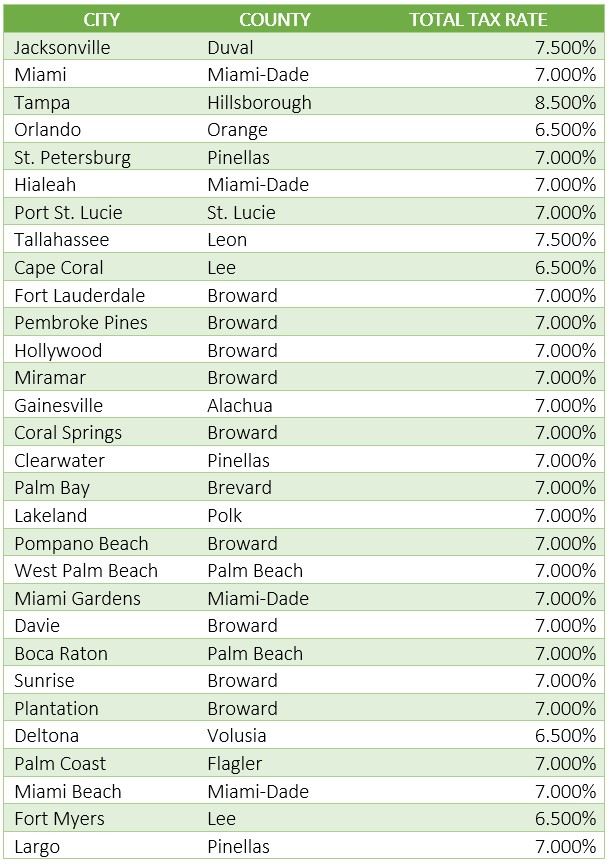
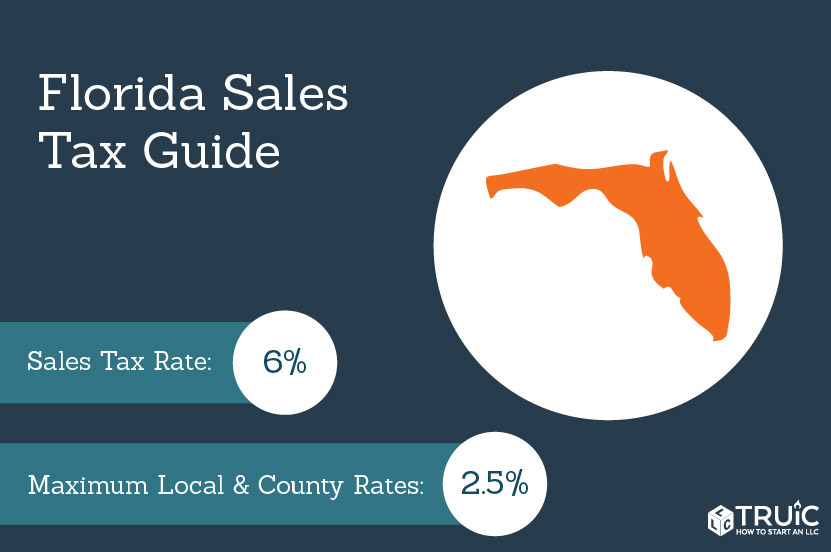
At the heart of Florida‘s tax structure for consumers is the state sales tax. This is a percentage added to the price of most tangible personal property and taxable services. The statewide rate is a base of 6%, but it’s important to note that this can be increased by local discretionary sales surtaxes imposed by individual counties. This means the total sales tax you pay can vary depending on where you are in the state.
For instance, a tourist visiting Orlando might encounter a different combined sales tax rate than someone vacationing in Miami. These local surtaxes are crucial for funding local projects, including infrastructure improvements, public safety, and tourism-related initiatives, making them a vital component of the local economy.
What is Taxable?
Generally, most tangible goods you purchase in Florida are subject to sales tax. This includes everything from souvenirs and clothing to electronics and groceries. When you book a stay at a resort in the Florida Keys, or dine at a restaurant in Tampa, the bill will likely reflect this tax. Similarly, services like car rentals, admission to theme parks such as Walt Disney World Resort or Universal Orlando Resort, and even professional services can be subject to sales tax.
However, there are numerous exemptions. Essential goods like most unprepared food items (groceries), prescription medications, and certain medical supplies are typically exempt from state sales tax. This is a common feature in sales tax systems designed to lessen the burden on essential living costs.
The Tourist Development Tax
Beyond the standard state and local sales tax, Florida also imposes a Tourist Development Tax, often referred to as the “bed tax.” This tax is levied on the rental of living quarters or sleeping accommodations for a term of six months or less. This directly impacts anyone staying in hotels, motels, vacation rentals, apartments, or villas for short-term stays. The rate of this tax varies by county, with many popular tourist destinations implementing higher rates to fund local tourism promotion and infrastructure. When you book a suite at the Grand Hyatt Hotel or a villa in Naples, this additional tax will be reflected in your final bill. This tax is a significant revenue source for counties, directly supporting the very attractions and services that draw visitors to Florida.
No State Income Tax: A Major Appeal
One of Florida‘s most significant financial advantages is the absence of a state income tax for individuals. This means that residents and individuals who derive income from sources within Florida do not have to pay a portion of their earnings to the state government. This is a powerful incentive for individuals and families considering relocation, retirement, or establishing a business in the state. For those who have relocated from states with high income taxes, the financial relief can be substantial.
This policy aims to stimulate economic growth by allowing individuals and businesses to retain more of their capital. While the lack of income tax is a major draw, it’s important to remember that other taxes, like sales tax, will still apply to your spending.
Property Tax: A Local Responsibility
While not a state tax in the same vein as sales tax, property tax is a significant component of the overall tax landscape in Florida. Property taxes are levied and administered at the local level – by counties, municipalities, and special taxing districts. The rates and assessment methods can vary considerably from one locality to another.
If you own property in Florida, whether it’s a primary residence, a vacation home, or an investment property, you will be subject to property taxes. These taxes are a primary funding source for local services such as schools, fire departments, police protection, and road maintenance. When considering purchasing a condo in Fort Lauderdale or a house in Jacksonville, understanding the local property tax rates is essential.
Who Pays Florida State Tax?
The application of Florida state taxes is broad, impacting virtually everyone who engages in economic activity within the state, from residents to tourists. The primary differentiator is often the nature of the transaction and the duration of stay.
Travelers and Tourists
For travelers visiting Florida for leisure, the most common tax encountered is the state sales tax on purchases and the Tourist Development Tax on short-term accommodation. When you buy souvenirs in St. Augustine, dine at a restaurant in Key West, or rent a car for a road trip along the coast, sales tax will be applied. Similarly, the cost of your hotel room in Clearwater or a vacation rental in Sarasota will include the Tourist Development Tax. These taxes are an integral part of the cost of experiencing Florida‘s attractions and services.
Businesses and Service Providers
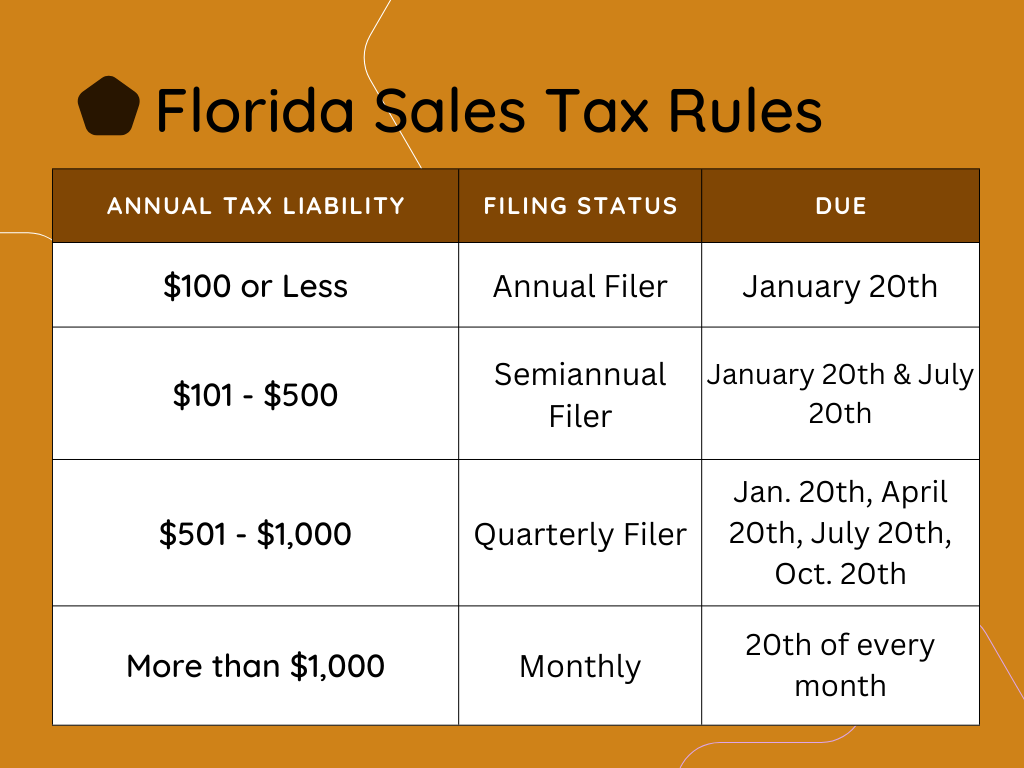
Businesses operating in Florida are responsible for collecting and remitting sales tax on taxable goods and services sold to consumers. This includes businesses in the hospitality sector, retail stores, and service providers. For businesses that sell goods across state lines, understanding nexus and sales tax obligations is critical. Companies that are based in Florida or have sufficient physical or economic presence may be required to collect sales tax from customers in other states, though this is more complex and governed by specific state regulations and U.S. Supreme Court rulings.
Long-Term Residents and Property Owners
For those who establish residency in Florida, the tax picture shifts slightly. While they continue to pay sales tax on their purchases and the Tourist Development Tax on any short-term rentals they might use, their primary tax consideration becomes property tax if they own real estate. As mentioned, property tax is a significant local tax, and its assessment is based on the value of the property. The absence of state income tax provides a notable advantage for long-term residents, especially those on fixed incomes like retirees.
Seasonal Visitors and Second Home Owners
Individuals who own second homes or frequently visit Florida on a seasonal basis will encounter a mix of taxes. They will pay sales tax on purchases and the Tourist Development Tax on any stays in short-term accommodations. If they rent out their property, they may also have to consider rental income tax implications, although Florida does not have a state income tax on this income for individuals. Property tax will also be a factor for property owners.
Tips for Managing Florida State Tax
Understanding Florida state tax is the first step; managing it efficiently is the next. Whether you’re a frequent visitor or a new resident, a few key strategies can help you navigate these taxes with ease.
Be Aware of Local Surtaxes
Always be mindful that the advertised price of goods and services often doesn’t include the full sales tax. Especially when traveling between counties, remember that the total sales tax rate can fluctuate due to local discretionary sales surtaxes. A quick search online or asking at the point of sale can reveal the exact rate applicable in your current location. This is particularly important when budgeting for your trip, whether you’re staying in a luxury resort in Boca Raton or exploring the historic streets of St. Petersburg.
Factor in the Tourist Development Tax
For any accommodation booked for less than six months, ensure you factor in the Tourist Development Tax. This can add a significant percentage to your hotel bill, vacation rental, or apartment stay. Many booking platforms will clearly itemize this tax, but it’s good practice to be aware of its existence and variability by county. This tax is designed to support the tourism industry, so in a way, you’re contributing to the upkeep of the very destinations you’re enjoying, such as the beautiful beaches of Clearwater Beach or the vibrant nightlife in South Beach.
Keep an Eye on Exemptions
Familiarize yourself with common sales tax exemptions. For instance, if you plan to buy groceries for a longer stay in a vacation rental, knowing which items are exempt can lead to savings. Similarly, if you’re making significant purchases, understanding if certain categories are taxed differently can be beneficial.
Plan for Property Taxes (If Applicable)
If you are considering purchasing property in Florida, whether it’s a primary residence or a vacation home, thoroughly research property tax rates in your desired area. Consult with a local real estate agent or tax professional to get accurate estimates. Property taxes can vary dramatically, and understanding this cost is crucial for your financial planning, especially if you’re looking at areas like Palm Beach or the Florida Panhandle.
Consult Professionals for Complex Situations
For businesses, individuals with complex financial situations, or those considering relocation, consulting with a tax professional specializing in Florida tax law is highly recommended. They can provide personalized advice and ensure compliance with all state and local regulations, covering everything from sales tax collection for businesses to property tax assessments for homeowners.
Florida‘s tax structure offers a unique proposition, particularly its lack of a state income tax. While this can be a significant financial benefit, understanding the intricacies of sales tax, Tourist Development Tax, and property tax is essential for a smooth and financially sound experience, whether you’re here for a weekend getaway or planning a more permanent stay in the Sunshine State. By staying informed, you can better budget, plan, and enjoy all that Florida has to offer.
LifeOutOfTheBox is a participant in the Amazon Services LLC Associates Program, an affiliate advertising program designed to provide a means for sites to earn advertising fees by advertising and linking to Amazon.com. Amazon, the Amazon logo, AmazonSupply, and the AmazonSupply logo are trademarks of Amazon.com, Inc. or its affiliates. As an Amazon Associate we earn affiliate commissions from qualifying purchases.