
Understanding the tax landscape of a destination is an often-overlooked but crucial aspect of planning any significant travel, especially when considering extended stays or relocation. For those drawn to the allure of the Sunshine State, from its pristine beaches to its vibrant cities, a grasp of Florida’s tax structure can significantly enhance the experience and financial foresight. While commonly associated with its lack of a state income tax, Florida’s tax system encompasses a variety of other levies that impact residents and visitors alike, particularly in the context of tourism, accommodation, and lifestyle choices. This exploration delves into the core components of Florida taxes, providing insights relevant to anyone considering a trip, a vacation home, or even a permanent move to this popular southeastern state.
The Absence of State Income Tax: A Primary Allure
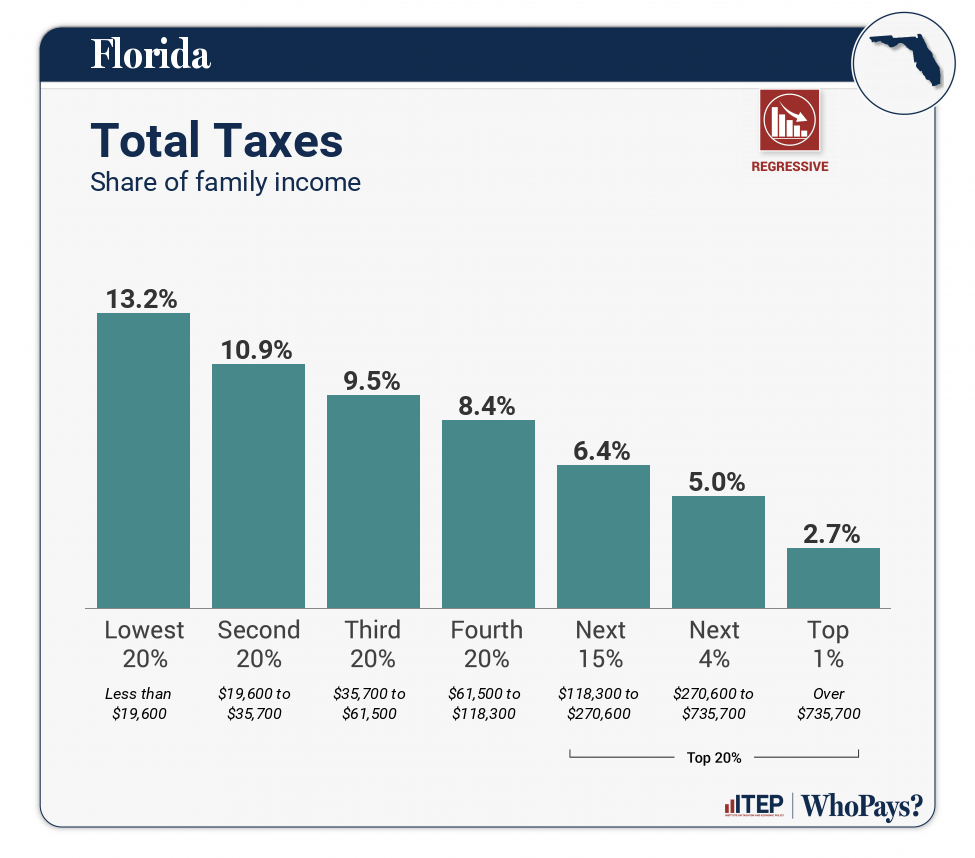
One of the most significant draws for individuals considering Florida as a travel destination, second home, or retirement haven is the absence of a state income tax. This is a fundamental difference compared to many other states in the United States, where income earned is subject to state-level taxation. This fiscal advantage can translate into substantial savings for individuals, particularly those with higher incomes or substantial investment portfolios.
Implications for Travelers and Residents
For tourists and short-term visitors, the lack of state income tax means that money spent on immediate needs like dining, entertainment, and souvenirs is not further diminished by income tax obligations on their earnings back home. However, it’s crucial to note that this exemption applies to income tax, not to sales tax or other consumption-based taxes that affect immediate spending.
For those contemplating a longer stay, such as snowbirds or individuals planning to retire in Florida, the absence of state income tax is a powerful financial incentive. This can free up a significant portion of one’s annual income, allowing for greater discretionary spending on leisure activities, upgrading accommodations, or enjoying the diverse attractions the state offers. This financial freedom is a cornerstone of the Florida lifestyle, attracting a continuous influx of new residents and long-term visitors seeking economic advantages alongside a desirable climate and abundant recreational opportunities.
Sales Tax: The Cornerstone of State Revenue
While Florida foregoes income tax, it relies heavily on sales tax as a primary source of revenue. This tax is applied to the sale of tangible goods and certain services, and understanding its nuances is vital for anyone engaging in commerce within the state.
State and Local Sales Tax Rates
The statewide sales tax rate in Florida is 6%. However, many counties add discretionary sales surtaxes, often referred to as “local option taxes,” which can increase the total sales tax rate considerably. These surtaxes are typically used to fund local projects, such as infrastructure improvements, public transportation, or education. Consequently, the combined sales tax rate can range from 6% to over 8.5% in some jurisdictions.
For instance, a tourist purchasing souvenirs in Miami-Dade County will pay a different rate than someone buying similar items in Okaloosa County. This variation underscores the importance of checking local rates when making significant purchases or when budgeting for everyday expenses.
Taxable Goods and Services
The scope of what is subject to sales tax in Florida is broad. It generally includes most tangible personal property, such as clothing, electronics, and home furnishings. Many services are also taxable, including but not limited to:
- Repair and maintenance services: For tangible personal property and real property.
- Admissions: Tickets to amusement parks, sporting events, and movie theaters.
- Rental of tangible personal property: Including hotel rooms and vacation rentals.
- Communication services: Such as cable television and internet access.
- Certain professional services: Though this can be a complex area with numerous exemptions.
Conversely, certain essential goods and services are exempt from sales tax. These often include groceries (for home consumption), prescription drugs, and certain medical supplies. Understanding these exemptions can lead to considerable savings, especially for longer stays or for those establishing a more permanent residence.
Property Taxes: A Local Burden

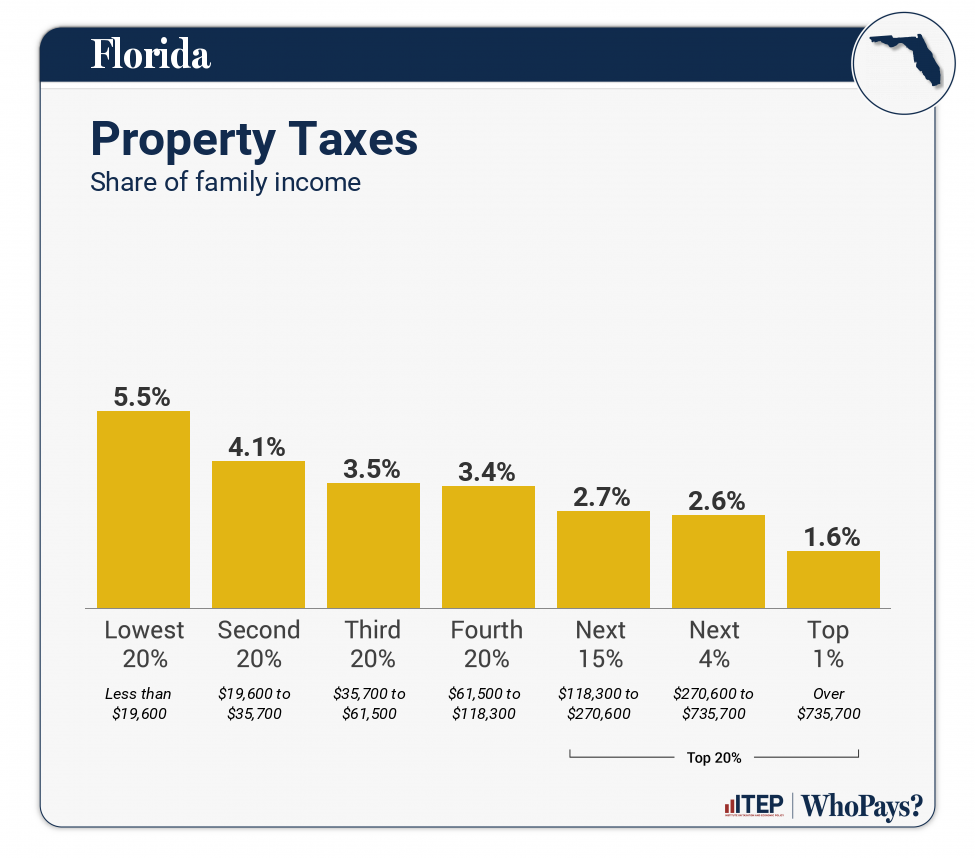
For property owners in Florida, property taxes are a significant annual expense. These taxes are levied by local government entities—counties, municipalities, and special taxing districts—and are primarily used to fund local services such as schools, law enforcement, and infrastructure.
Assessment and Millage Rates
Property taxes are calculated based on two main components: the assessed value of the property and the millage rate. The assessed value is determined by the county property appraiser’s office and reflects the market value of the property, though various homestead exemptions can reduce this value for eligible homeowners. A “mill” is one-thousandth of a dollar, so a millage rate of 10 mills means a tax of $10 for every $1,000 of assessed value.
Homestead Exemptions and Portability
Florida offers significant property tax relief through homestead exemptions. A basic homestead exemption reduces the assessed value of a primary residence by up to $25,000 for tax purposes. Additional exemptions may be available for seniors, veterans, and individuals with disabilities.
Furthermore, Florida has a property tax portability feature, allowing homesteaded property owners to “port” or transfer their existing homestead exemption benefit, up to a certain cap, to a new homestead in Florida when they move. This feature can be particularly attractive to individuals relocating from other states or from different counties within Florida.
Other Taxes and Fees Relevant to Visitors
Beyond sales and property taxes, several other taxes and fees can impact visitors and those considering spending extended periods in Florida. These often relate directly to specific activities and types of accommodation.
Tourist Taxes (Surtaxes on Accommodations)
Often referred to as “bed taxes,” these are local option surtaxes levied on the rental of transient accommodations, such as hotel rooms, motels, vacation rentals, and other short-term lodging. These taxes are in addition to the statewide and local sales taxes and are typically imposed by counties to fund tourism promotion and development initiatives.
For instance, a stay at a resort on the Florida Keys or a vacation villa in Orlando will likely include these tourist taxes. The rates vary significantly by county, often ranging from 2% to 6% or even higher. This is a critical factor for budget planning for any tourist staying in paid accommodation for a period longer than a few days.
Re-employment Tax and Other Business Taxes
While primarily affecting employers, the re-employment tax (formerly unemployment tax) is a state tax levied on employers to fund benefits for unemployed workers. Businesses operating within Florida, including those in the hospitality and tourism sectors, are subject to this tax. This can indirectly influence the pricing of goods and services.
Other taxes include excise taxes on specific goods like gasoline, tobacco, and alcoholic beverages, which are common across most states and contribute to state revenue while influencing the cost of certain lifestyle choices and travel expenses.
Navigating Florida Taxes for an Enhanced Experience
Understanding Florida’s tax structure is not just about compliance; it’s about maximizing financial benefits and making informed decisions, whether you are a tourist planning your next vacation, a snowbird seeking a winter escape, or an individual considering a permanent move. The absence of state income tax is a substantial draw, but it is balanced by robust sales and property taxes.
For travelers to Florida, factoring in sales tax and the often-significant tourist taxes on accommodations is essential for accurate budgeting. For those considering longer stays or property ownership, understanding homestead exemptions and the intricacies of local property taxes can lead to considerable savings and a more financially sound experience. By familiarizing yourself with these aspects, you can better appreciate the economic landscape of the Sunshine State and ensure your time in Florida is as enjoyable and financially prudent as possible, allowing you to fully immerse yourself in its unique attractions, from the theme parks of Orlando to the beaches of Clearwater and the cultural vibrancy of Tampa.
LifeOutOfTheBox is a participant in the Amazon Services LLC Associates Program, an affiliate advertising program designed to provide a means for sites to earn advertising fees by advertising and linking to Amazon.com. Amazon, the Amazon logo, AmazonSupply, and the AmazonSupply logo are trademarks of Amazon.com, Inc. or its affiliates. As an Amazon Associate we earn affiliate commissions from qualifying purchases.