
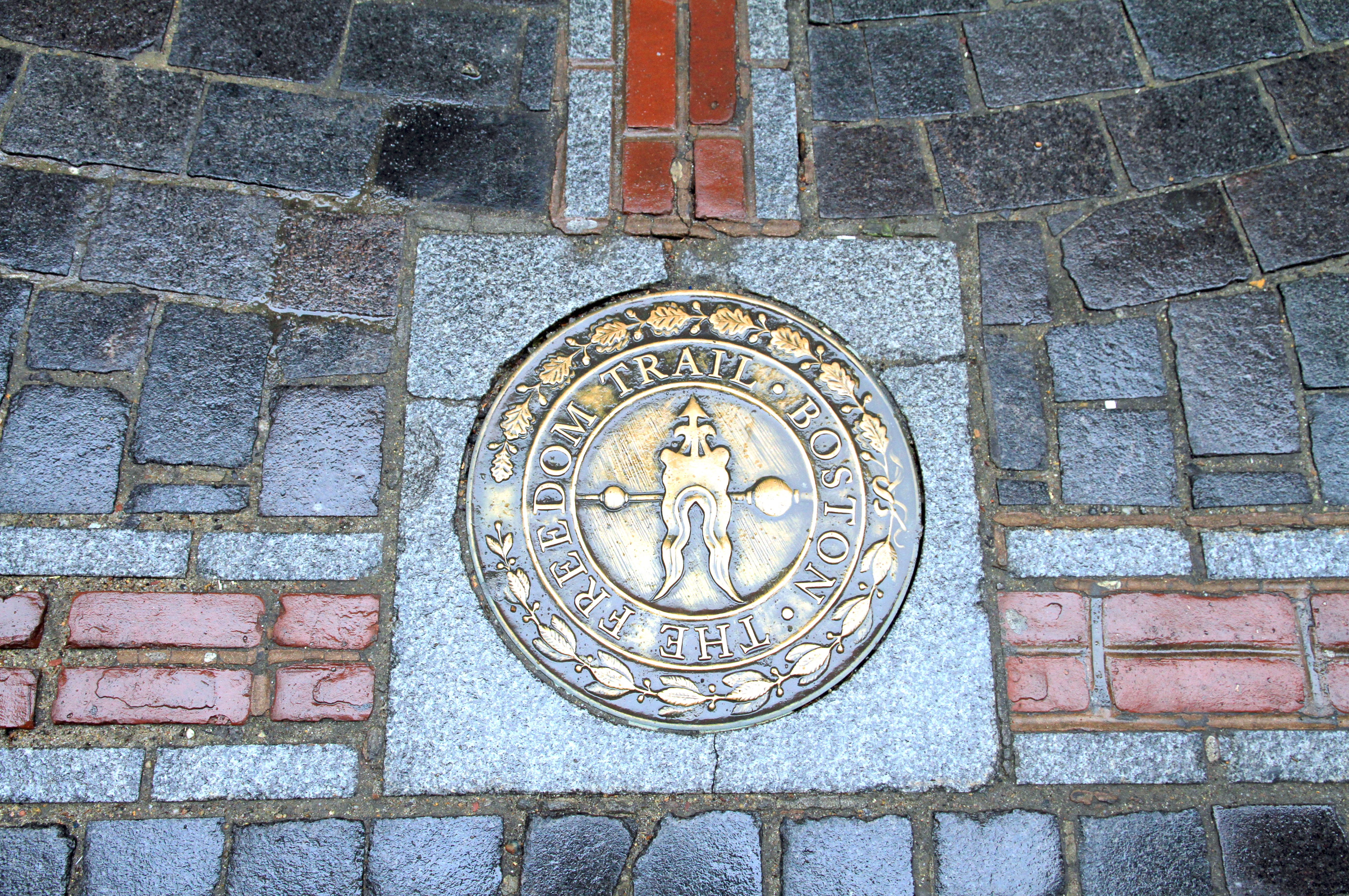
The Freedom Trail in Boston, Massachusetts, stands as a testament to the birth of the United States, a vibrant red-brick path weaving through the city’s historic core. More than merely a walking route, it is a curated collection of 16 historically significant sites, each playing a pivotal role in the American Revolution and the formative years of the nation. This 2.5-mile urban landmark serves as an open-air museum, inviting visitors to step back in time and experience the architectural grandeur and profound historical narratives that define Boston as the “Cradle of Liberty.”
The Genesis of a National Treasure
Conceived in the 1950s by local journalist William Schofield, the Freedom Trail was designed to connect key historical sites, making them accessible and comprehensible for both residents and tourists. Prior to its formal establishment, many of these individual landmarks existed in isolation, their collective story often fragmented. Schofield’s vision was to create a cohesive narrative, a physical thread linking the disparate locations into a singular, compelling journey through early American history. His proposal, initially published in the Boston Herald, quickly garnered support, leading to the marking of the trail with a distinctive red line, paving stones, or bricks that guides millions of visitors annually.

The trail begins at Boston Common, America’s oldest park, a site that served as a training ground for colonial militia and later as a British encampment. From here, it navigates through a labyrinth of cobblestone streets and modern avenues, each turn revealing another layer of history. The conceptual brilliance of the Freedom Trail lies in its ability to transform a static collection of buildings into a dynamic, interactive historical experience. It’s not just about viewing old structures; it’s about traversing the very ground where pivotal events unfolded, where revolutionary ideas were forged, and where the destiny of a nation was irrevocably altered.
Architectural Marvels and Historical Significance
Each of the 16 official sites along the Freedom Trail possesses unique architectural characteristics and a compelling historical narrative. These landmarks collectively showcase a spectrum of colonial and early American architectural styles, from Puritan simplicity to Georgian elegance.
The Seat of Government and Spirituality
The first leg of the trail encompasses significant governmental and religious structures. The Massachusetts State House, with its distinctive gold dome dominating the Beacon Hill skyline, is a masterpiece of Federal architecture designed by Charles Bulfinch. Completed in 1798, it replaced the Old State House as the seat of state government and continues to function in that capacity today. Its grand facade and prominent location reflect the nascent nation’s ambition and pride.
Adjacent to the Common stands the Park Street Church, an exemplary Federal-style structure built in 1809. Its towering steeple, once the tallest point in Boston, marked the eastern gateway to the city. The church’s historical importance extends beyond its architecture; it was here that William Lloyd Garrison delivered his first public anti-slavery speech in 1829 and where the song “My Country, ‘Tis of Thee” was first publicly performed.
Directly across from the Park Street Church is the Granary Burying Ground, established in 1660. This historic cemetery is the final resting place for many prominent figures of the American Revolution, including Samuel Adams, John Hancock, and Paul Revere. Its Puritan grave markers, often adorned with winged skulls and allegorical symbols, offer a poignant glimpse into colonial funerary art and beliefs. The presence of these revered patriots underscores the trail’s deep connection to the nation’s founding.
Further along, King’s Chapel and its adjacent King’s Chapel Burying Ground represent a significant architectural and religious shift. Built between 1749 and 1754, King’s Chapel is a fine example of Georgian architecture, notable for its stone construction in a city predominantly built of wood. It was the first Anglican church in Boston, resented by many Puritans, symbolizing the imposition of British religious authority. The burying ground, dating back to 1630, is the oldest in Boston.

Hotbeds of Revolution
The heart of the revolutionary fervor along the trail is found in sites like the Old South Meeting House and the Old State House. The Old South Meeting House, built in 1729, is a large brick meeting house that served as a public forum for colonists. Its simple, unadorned interior, characteristic of Puritan meeting houses, belies its dramatic past. It was here, in December 1773, that thousands of colonists gathered to debate British tea policies before marching to the harbor for the Boston Tea Party.
The Old State House, completed in 1713, is Boston’s oldest public building and stands as a magnificent example of Georgian architecture. Prior to the Revolution, it housed the colonial government, the royal governor’s office, and the Massachusetts General Court. It was from its east balcony that the Declaration of Independence was first read to Bostonians in 1776. Tragically, it also overlooks the site of the Boston Massacre, where British soldiers fired upon a crowd of colonists in 1770, a pivotal event fueling revolutionary sentiment. A cobblestone circle on State Street marks the exact spot of the massacre.
Faneuil Hall, often referred to as the “Cradle of Liberty,” is another cornerstone landmark. Built in 1742 by Peter Faneuil, its original purpose was a public market, but its assembly hall quickly became a popular meeting place for colonists to debate and protest British policies. Its Georgian and later Federal architectural elements reflect its evolving history and expansion. The speeches delivered within its walls by figures like Samuel Adams and James Otis galvanized the revolutionary movement.
The North End and Beyond
The trail continues into Boston’s historic North End, home to some of the city’s most enduring colonial structures. The Paul Revere House, built around 1680, is the oldest house in downtown Boston and a rare surviving example of 17th-century urban architecture. Its simple, timber-framed structure provides an intimate look into colonial domestic life and served as the home of the famed silversmith and patriot Paul Revere.
Nearby, the Old North Church (officially Christ Church) is the oldest standing church building in Boston, consecrated in 1723. This Anglican church is an architectural gem of the Georgian style, recognized for its elegant spire and interior design. Its historical significance is immense, as it was from its steeple that two lanterns were hung on the night of April 18, 1775, signaling to Paul Revere that the British were advancing by sea toward Lexington and Concord, initiating his famous ride.
The Copp’s Hill Burying Ground, established in 1659, offers panoramic views of Boston Harbor and the Charlestown Navy Yard. It is the second-oldest burying ground in Boston and the resting place of many artisans, craftspeople, and merchants of the colonial period, including Robert Newman, the sexton who hung the lanterns in the Old North Church.
The trail concludes across the Charlestown Bridge in Charlestown with two monumental landmarks. The USS Constitution, berthed in the Charlestown Navy Yard, is the oldest commissioned warship afloat in the world. Launched in 1797, this wooden-hulled, three-masted heavy frigate earned the nickname “Old Ironsides” during the War of 1812. Its preservation as an active naval vessel allows visitors to board and explore a tangible piece of early American naval history.
Finally, the Bunker Hill Monument commemorates the Battle of Bunker Hill (which actually took place primarily on Breed’s Hill) on June 17, 1775. This 221-foot granite obelisk, completed in 1842, stands as a solemn tribute to the first major battle of the American Revolution, where American colonists, despite a tactical defeat, inflicted heavy casualties on the British, demonstrating their resolve. The monument’s imposing scale and stark design evoke the sacrifice and determination of those who fought for independence.
Preservation and Legacy
The Freedom Trail is more than a series of individual historical sites; it is a meticulously preserved urban pathway that tells a continuous story. The integrity of these landmarks, from the weathered gravestones of the Granary Burying Ground to the sturdy timbers of the USS Constitution, is maintained through dedicated efforts by various organizations, including the National Park Service and local historical societies. This commitment to preservation ensures that the architectural and historical authenticity of each site remains intact for future generations.
The Freedom Trail serves as a vital educational tool, allowing millions to connect physically and intellectually with the foundational events and figures of American history. It underscores the importance of public memory and the role of physical landmarks in grounding abstract historical narratives in tangible reality. By walking the trail, visitors gain not just knowledge, but a profound appreciation for the places where liberty was fought for and ultimately won, solidifying Boston’s indelible position as a cornerstone of the American story.
LifeOutOfTheBox is a participant in the Amazon Services LLC Associates Program, an affiliate advertising program designed to provide a means for sites to earn advertising fees by advertising and linking to Amazon.com. Amazon, the Amazon logo, AmazonSupply, and the AmazonSupply logo are trademarks of Amazon.com, Inc. or its affiliates. As an Amazon Associate we earn affiliate commissions from qualifying purchases.