
In the vibrant, fast-paced streets of New York, the local lexicon is as diverse as the people who call the city home. Visitors wandering through the boroughs, from the bustling avenues of Manhattan to the culturally rich corners of Brooklyn, may encounter terms that sound deceptively simple but carry deep-seated cultural significance. One such term is “grabba.” To the uninitiated, it might sound like a new tech startup or a trendy dining concept, but in the context of New York City street culture, “grabba” refers to a specific tobacco product that has become an integral part of the local smoking scene.

The Cultural Origins of Grabba in the City
The term “grabba” is rooted in Caribbean culture, specifically originating from Jamaica. Over the past few decades, as New York has served as a global melting pot, these traditions have been woven into the fabric of the five boroughs.
From Caribbean Traditions to Urban Staples
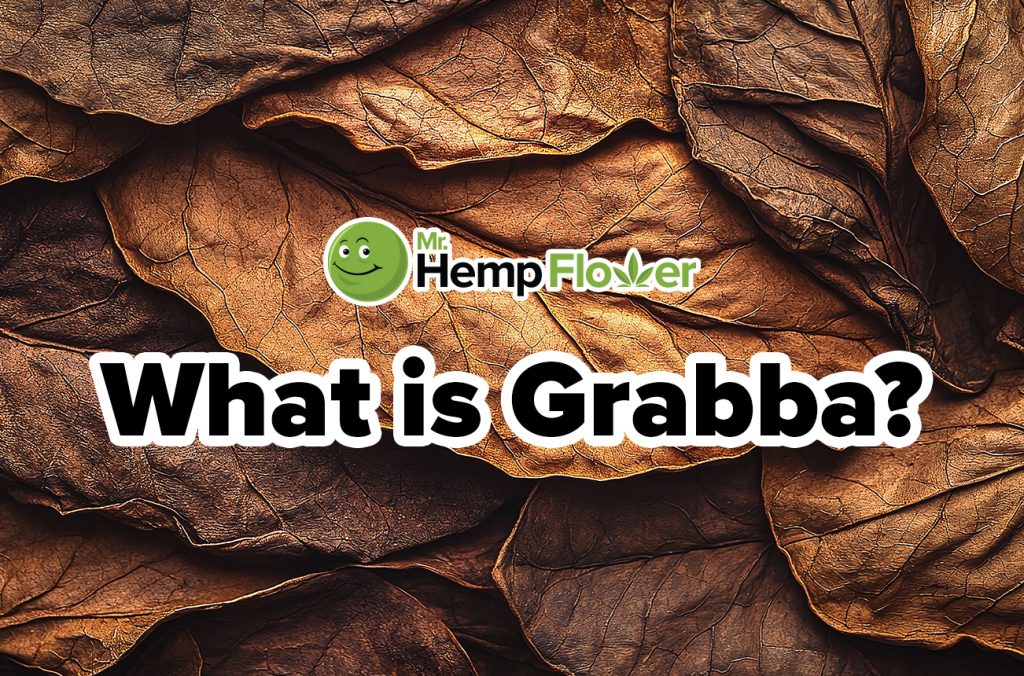
At its core, grabba is dark, dried tobacco leaf, often referred to as “fronto” or “fanta” leaf depending on the specific variety and preparation. Unlike the highly processed tobacco found in mass-market cigarettes, grabba is raw. In its home countries, it is often smoked in traditional ways, but in New York City, it serves a very functional, communal purpose. It is typically crushed and mixed with other dried herbs, such as cannabis, to alter the texture, burn rate, and intensity of the experience.
The Evolution of the Corner Bodega
If you are walking through The Bronx or Queens, you will likely see glass jars behind the counter of a local Bodega. These small, family-owned convenience stores are the primary purveyors of grabba. For locals, the Bodega is the hub of the neighborhood, and the availability of premium grabba is often a marker of an authentic, community-centric shop. The product’s integration into these small businesses underscores how immigrant traditions have successfully transitioned into the mainstream New York urban lifestyle.
Understanding the Usage and Preparation
For those trying to understand the nuances of the local culture, it is important to observe how this product is handled. It is not a standalone product but rather an additive, a component of a larger ritual.
The Art of Crushing and Blending
Preparation is key when discussing grabba. The leaf is usually sold in its dry, brittle form. A user will take a small piece of the leaf, sometimes toasting it briefly with a lighter to make it crisp, and then crush it into a fine dust. This dust is then sprinkled into a roll. The primary reason for this practice, according to those who partake, is to ensure an even burn and to add a potent nicotine hit to the experience.

Why Grabba is Distinctive to New York
While tobacco products exist globally, the specific demand for raw, unprocessed, dark tobacco leaves like grabba is particularly high in New York. It reflects a preference for natural, raw materials over the manufactured products commonly found in suburban or rural United States. It is a hallmark of the “hustle” mentality—a no-frills, direct approach to personal preference that fits perfectly with the efficient, minimalist aesthetic often found in city life.
Social Significance and Local Etiquette
To ask for grabba at a New York City shop is to participate in a rite of passage. It is not something you would typically find in a high-end lounge in Midtown Manhattan, but in the grassroots social circles of the city’s various neighborhoods, it is omnipresent.
The Role of Communal Consumption
The consumption of tobacco products mixed with other substances is often a social activity in New York. Whether at a block party in Harlem or a late-night gathering on a stoop in Staten Island, the ritual of preparing the leaf is a shared experience. It signals a sense of belonging; knowing how to source, prepare, and share grabba is a form of local knowledge that marks someone as being “in the know.”
Respecting Local Boundaries
While grabba is a staple of New York street culture, visitors should be aware of the social dynamics surrounding it. It is a product associated with specific subcultures. Much like learning the unspoken rules of the New York City Subway, understanding the role of grabba is about observing local norms. It is not an invitation to engage in illegal activities, but rather a window into how different cultural practices have converged in the Big Apple.
Health and Regulatory Context
Navigating the landscape of New York also involves understanding the regulations that govern such products. The city has some of the most stringent tobacco laws in the country, and the trade of raw tobacco leaves is subject to ongoing oversight by local health authorities.
Regulatory Challenges
The sale of grabba often occupies a gray area in regulatory terms. Because it is sold as a raw leaf rather than a finished cigarette, it has historically bypassed some of the tax and health warning requirements that traditional tobacco companies must follow. However, as the city continues to crack down on unauthorized tobacco sales, the availability and distribution of these leaves in neighborhood Bodega locations are frequently monitored.
A Component of the Urban Mosaic
Ultimately, when you ask, “What is grabba in New York?” the answer is more than just a chemical definition. It is a symbol of the city’s resilient immigrant history. It represents the way that customs from the Caribbean have traveled thousands of miles to find a home in the concrete canyons of the United States. From the docks of Brooklyn to the high-rises of the Financial District, the presence of grabba is a testament to the fact that New York is a city built on the unique, often idiosyncratic habits of its diverse population.
When you explore the city, look beyond the Statue of Liberty and the Empire State Building. Look at the smaller details—the jars on the counters, the conversations on the street corners, and the traditions that locals carry in their pockets. That is where you will find the true essence of New York. Grabba may be a niche topic, but it is one that offers a genuine glimpse into the daily life and cultural rhythms that make this city unlike any other in the world. Whether one chooses to participate or simply observe, understanding these local markers helps paint a more complete picture of the urban experience that defines the Northeast corridor.
LifeOutOfTheBox is a participant in the Amazon Services LLC Associates Program, an affiliate advertising program designed to provide a means for sites to earn advertising fees by advertising and linking to Amazon.com. Amazon, the Amazon logo, AmazonSupply, and the AmazonSupply logo are trademarks of Amazon.com, Inc. or its affiliates. As an Amazon Associate we earn affiliate commissions from qualifying purchases.