
A Beacon of American History and Innovation
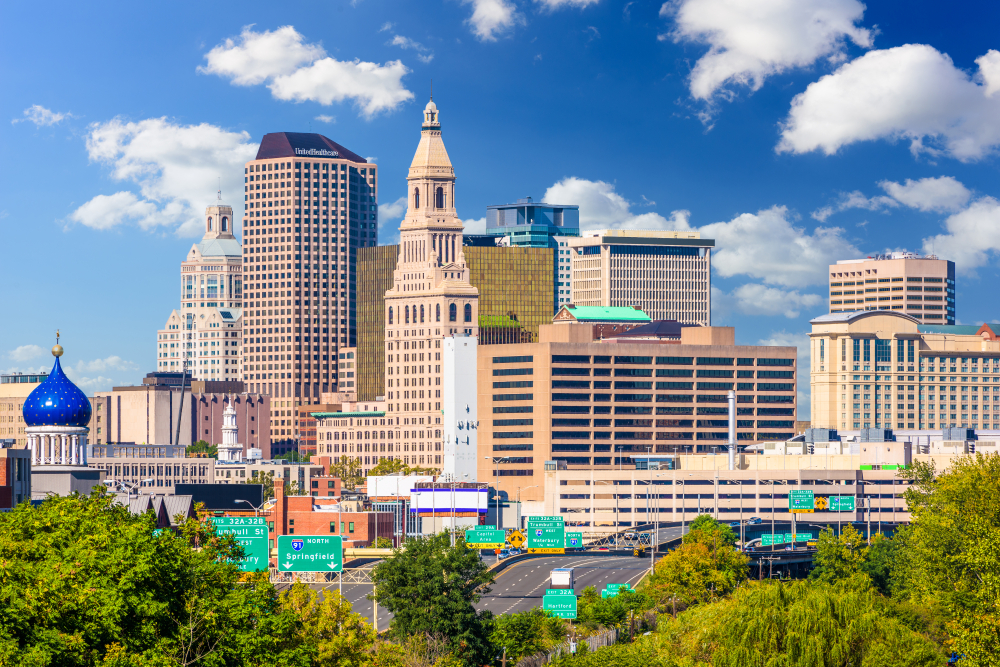
Hartford, Connecticut, the capital city of the Constitution State, possesses a rich and multifaceted identity, deeply rooted in American history, burgeoning innovation, and a surprisingly vibrant cultural scene. Often referred to as the “Insurance Capital of the World,” its economic past has shaped its present, but Hartford offers far more than just its storied financial legacy. For the discerning traveler, it presents a compelling blend of historical significance, artistic expression, and a burgeoning culinary landscape, making it a destination worthy of exploration. From its iconic architecture to its influential literary connections, Hartford invites discovery.
The Cradle of American Insurance
The moniker “Insurance Capital of the World” is not merely a historical footnote; it’s a defining characteristic of Hartford. This distinction arose in the 19th century, a period of significant industrialization and growing need for financial security. Companies like The Hartford Steam Boiler Inspection and Insurance Company (now The Hartford) and Phoenix Mutual Life Insurance Company established their roots here, transforming Hartford into a hub for actuaries, underwriters, and financiers. This concentration of financial expertise fostered an environment of stability and growth, attracting a skilled workforce and contributing to the city’s architectural development with impressive financial institutions. While the nature of the insurance industry has evolved, its historical impact is visible in the grand edifices that still grace the city’s skyline and in the enduring economic influence it wielded. Understanding this aspect of Hartford’s past provides a crucial lens through which to appreciate its development.
Literary Giants and Artistic Pursuits
Hartford has been a significant muse and home for some of America’s most celebrated literary figures, leaving an indelible mark on its cultural landscape. The city’s literary heritage is a cornerstone of its identity, offering a deep dive into the minds of masters and a vibrant present-day arts scene.
Mark Twain’s Hartford Haven
Perhaps the most prominent literary figure associated with Hartford is the celebrated author Samuel Clemens, better known as Mark Twain. He and his wife, Olivia, lived in Hartford from 1874 to 1891, a period of immense creative output for the author. During this time, he penned some of his most iconic works, including The Adventures of Tom Sawyer, Adventures of Huckleberry Finn, and A Connecticut Yankee in King Arthur’s Court. The couple’s distinctive Victorian home, now the Mark Twain House & Museum, stands as a testament to their life in the city. The house, meticulously restored, offers an intimate glimpse into the Clemens family’s daily life, their social circle, and the very rooms where literary history was made. Guided tours provide fascinating insights into Twain’s creative process, his humor, and his often-unconventional lifestyle. Visiting the Mark Twain House & Museum is an essential experience for anyone seeking to understand Hartford’s literary soul.
Harriet Beecher Stowe’s Residence
Sharing a property line and a profound friendship with the Clemens family was Harriet Beecher Stowe, author of the landmark anti-slavery novel Uncle Tom’s Cabin. Her home, the Harriet Beecher Stowe Center, is located adjacent to the Mark Twain House & Museum and offers a complementary perspective on the social and literary currents of the era. The center preserves Stowe’s domestic life and her legacy as a powerful advocate for social justice. Exploring both homes provides a unique understanding of the intellectual ferment that characterized Hartford during this period.
A Thriving Contemporary Arts Scene
Beyond its historical literary connections, Hartford boasts a dynamic contemporary arts scene. The Wadsworth Atheneum Museum of Art, the oldest continuously operating public art museum in the United States, houses an impressive collection spanning 5,000 years of art history, from ancient to contemporary works, with notable strengths in European Old Masters, American painting and sculpture, and decorative arts. The Hartford Symphony Orchestra enriches the city with classical music performances, while numerous galleries and performance spaces, such as The Bushnell Center for the Performing Arts, showcase a diverse range of artistic talent. This commitment to the arts ensures that Hartford remains a culturally relevant and engaging destination.
Architectural Marvels and Historic Landmarks
Hartford’s architectural tapestry tells a story of its evolution, from colonial beginnings to industrial prosperity and modern revitalization. The city’s landmarks offer a tangible connection to its past and a visual testament to its enduring spirit.
The State Capitol Building
Dominating the Hartford skyline is the magnificent Connecticut State Capitol Building. This stunning example of Victorian Gothic Revival architecture, topped by a gilded dome, was completed in 1878. Designed by architect Richard Upjohn, it houses the state legislature and offers breathtaking views from its observation deck. Guided tours are available, providing insights into Connecticut‘s government and the building’s intricate design and historical significance. The grandeur of the Capitol Building is a powerful symbol of the state’s heritage and governance.

Colonial Charm and Historic Homes
While much of Hartford’s architecture reflects its industrial and Victorian eras, pockets of earlier history remain. The Old State House, designed by renowned architect Charles Bulfinch, served as the seat of government for Connecticut from 1796 to 1879. Now a museum, it preserves the atmosphere of early American governance and features exhibits on Hartford’s history. Exploring these historic sites offers a journey back in time, allowing visitors to appreciate the foundations upon which the modern city was built.
The Hartford Financial District’s Legacy
The legacy of Hartford’s insurance industry is evident in its downtown financial district. Many of the imposing buildings constructed during the late 19th and early 20th centuries, such as the iconic Travelers Tower and the Phoenix Mutual Building, are architectural gems that speak to the city’s economic might during its boom years. While some have been modernized, their historical significance and impressive facades remain, contributing to Hartford’s distinctive urban character. Walking through this district provides a visual narrative of the city’s rise as a financial powerhouse.
A Culinary Renaissance and Local Flavors
Hartford is increasingly gaining recognition for its evolving culinary scene, offering a diverse array of dining experiences that cater to a variety of tastes and budgets. From traditional New England fare to international delights, the city’s restaurants are a vibrant part of its modern identity.
Diverse Culinary Landscape
The city’s restaurants reflect its diverse population and a growing appreciation for quality ingredients and innovative cuisine. You can find everything from cozy diners serving classic American comfort food to upscale restaurants offering sophisticated menus. Neighborhoods like West Hartford (though a separate municipality, often considered part of the greater Hartford experience for visitors) have become magnets for a vibrant dining scene, with numerous eateries drawing patrons with their unique offerings.
Local Delicacies and Brews
While Hartford may not have a single signature dish as universally recognized as some other cities, it offers access to excellent New England seafood, including lobster rolls and clam chowder. The craft beer scene is also flourishing, with several local breweries offering a taste of Connecticut’s brewing artistry. Exploring the local markets and farm stands, especially during the warmer months, provides an opportunity to sample fresh, seasonal produce, a testament to the region’s agricultural bounty.
Outdoor Escapes and Recreational Opportunities
Beyond its urban core, Hartford and its surrounding areas offer ample opportunities for outdoor recreation and connection with nature, providing a welcome contrast to its historical and cultural attractions.
Riverside Parks and Green Spaces
The Connecticut River flows through Hartford, and its banks are lined with parks and walking trails. Bushnell Park, a 37-acre urban oasis in the heart of downtown, is a beloved spot for recreation and relaxation. It features the iconic Coronation Fountain, walking paths, and hosts various community events throughout the year. Other green spaces, such as the Elizabeth Park Rose Garden, offer beautiful settings for leisurely strolls and enjoying the seasons.

Nature Preserves and Hiking Trails
Just a short drive from the city center, visitors can discover nature preserves and hiking trails. The Metacomet Trail offers challenging hikes with scenic vistas, while gentler paths can be found in areas like Talcott Mountain State Park, home to the historic Heublein Tower. These natural retreats provide a refreshing escape and showcase the scenic beauty of Connecticut.
Hartford, Connecticut, is a city of layered narratives, where the echoes of its influential past intertwine with a dynamic present. It is a destination known for its significant contributions to American literature and insurance, its impressive architectural heritage, and a burgeoning cultural and culinary scene. For those seeking a blend of history, arts, and urban exploration, Hartford offers a rich and rewarding experience, inviting discovery at every turn.
LifeOutOfTheBox is a participant in the Amazon Services LLC Associates Program, an affiliate advertising program designed to provide a means for sites to earn advertising fees by advertising and linking to Amazon.com. Amazon, the Amazon logo, AmazonSupply, and the AmazonSupply logo are trademarks of Amazon.com, Inc. or its affiliates. As an Amazon Associate we earn affiliate commissions from qualifying purchases.