
The allure of the Hawaiian Islands is undeniable. A tapestry woven with vibrant local culture, breathtaking natural landscapes, and the tranquil rhythm of the Pacific Ocean, Hawaii has long captivated the imaginations of travelers worldwide. From the iconic shores of Waikiki Beach on Oahu to the dramatic cliffs of the Na Pali Coast on Kauai, and the volcanic wonders of Hawaii Volcanoes National Park on the Big Island, the archipelago offers an unparalleled experience for every kind of adventurer. Yet, beneath the veneer of paradise lies an intricate economic landscape, one that profoundly impacts both the nearly 1.5 million residents and the millions of tourists who flock to its shores annually. For anyone considering a trip, a move, or even a seasonal work opportunity in this island state, understanding the economic realities – particularly the minimum wage – is not just prudent, but essential.
While the primary draw of Hawaii for many is its unparalleled beauty and the promise of a dream vacation filled with exploration and relaxation, the state’s economy is a fascinating study in balancing tourism-driven prosperity with the high cost of living. Hotels, resorts, restaurants, and a myriad of tourism-related businesses form the backbone of the local economy, employing a significant portion of the workforce. This makes the minimum wage not just a policy number, but a crucial determinant of the quality of life for many islanders and a factor that subtly influences the overall visitor experience. Whether you’re planning a luxurious stay at a suite in Maui, seeking out budget-friendly accommodation in Honolulu, or contemplating a longer-term stay, delving into Hawaii’s minimum wage policies provides valuable insight into the rhythm and challenges of island life.
The Evolving Landscape of Hawaii’s Minimum Wage
Understanding the current and future trajectory of Hawaii’s minimum wage is paramount for anyone engaging with the state’s economy, whether as an employer, an employee, or a savvy traveler. The state has actively pursued a path of increasing its minimum wage to help its residents cope with one of the highest costs of living in the United States. This commitment reflects a broader recognition of the economic pressures faced by local families and aims to foster greater economic stability.
Recent Legislative Changes and Incremental Increases
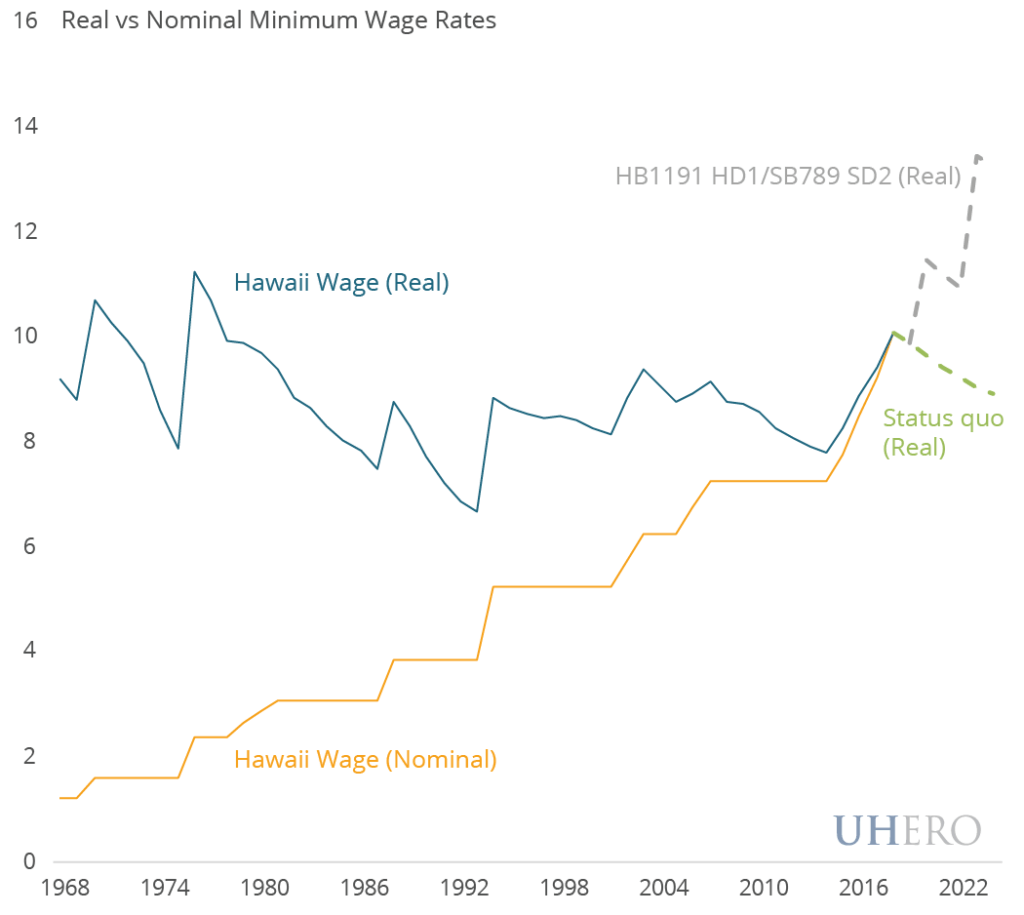
For many years, Hawaii’s minimum wage hovered at a level that, while higher than the federal minimum, still struggled to keep pace with the exponential rise in living expenses. Recognizing this disparity, the state legislature passed a landmark bill in 2022, enacting a series of planned, incremental increases designed to provide a more sustainable income floor for its workforce. Before these changes, the minimum wage stood at $10.10 per hour.
The legislative changes set forth a clear schedule for increases:
- October 1, 2022: The minimum wage rose to $12.00 per hour. This initial bump provided immediate relief for many workers, particularly those in the hospitality, retail, and service sectors that form the core of Hawaii’s economy.
- January 1, 2024: The minimum wage increased to $14.00 per hour. This was another significant jump, reflecting the state’s continued commitment to improving workers’ financial standing.
- January 1, 2026: The next scheduled increase will bring the minimum wage to $16.00 per hour.
- January 1, 2028: The final planned increase under this legislation will see the minimum wage reach $18.00 per hour.
These staggered increases aim to provide businesses with ample time to adjust their operational budgets and pricing strategies, ensuring a smoother transition while progressively boosting worker income. The goal is to reach a level by 2028 that more adequately reflects the true cost of living in the islands, even for entry-level positions. This is particularly relevant for the tourism sector, which relies heavily on hourly wage earners in roles ranging from hotel housekeepers and front desk staff to restaurant servers and tour guides.
Exemptions and Special Considerations
It is important to note that while these rates apply to the vast majority of employees, certain exemptions and special considerations exist within Hawaii’s labor laws. For instance, tipped employees, such as those working in restaurants and bars frequented by tourists, may have a different minimum wage structure. However, Hawaii state law mandates that an employer may pay a tipped employee 50 cents below the standard minimum wage, provided that the employee’s combined wages and tips equal at least $7.00 more than the applicable minimum wage. If the combined amount does not meet this threshold, the employer must pay the full minimum wage. This regulation is designed to ensure that even with tips, workers earn a fair wage. Additionally, certain agricultural workers, minors in specific employment scenarios, and employees of non-profit organizations might also fall under different regulations. Understanding these nuances is key for anyone involved in employment within the state.
Minimum Wage’s Ripple Effect on Hawaii’s Tourism and Lifestyle
The minimum wage, while seemingly a straightforward economic figure, casts a wide net over various aspects of life and tourism in Hawaii. It influences everything from the viability of working in paradise to the operational costs of the luxury resorts and small businesses that cater to visitors. For those dreaming of a Hawaii getaway or a permanent relocation, understanding these connections is crucial for planning and managing expectations.
Impact on Service Workers and the Visitor Experience
The direct beneficiaries of minimum wage increases are the dedicated service workers who form the hospitable face of Hawaii’s tourism industry. From the concierge at the Grand Hyatt Kauai Resort & Spa to the barista at a local coffee shop in Kailua-Kona on the Big Island, these individuals are often the first point of contact for visitors. A living wage means less financial stress, which can translate into better morale, improved service quality, and a more engaged workforce. Happy employees are more likely to provide exceptional service, enhancing the overall experience for tourists. This subtle improvement in service can significantly contribute to Hawaii’s reputation as a premier travel destination.
Conversely, increased labor costs for businesses, particularly smaller, independently owned restaurants or boutique hotels, can sometimes lead to adjustments in pricing for goods and services. Visitors might notice a slight increase in the cost of food, activities, and even accommodation. However, most travelers understand that paying a fair price contributes to the well-being of the local community they are visiting. For many, the peace of mind that comes from knowing their spending helps support a sustainable local economy is a worthwhile trade-off.

Budgeting for a Hawaiian Getaway: Tips and Considerations
For tourists, the cost of living and the minimum wage indirectly inform their budget planning. Hawaii is notoriously expensive, and a higher minimum wage is one factor in this equation. Travelers should budget generously for their trips, considering not only hotel costs but also food, transportation, and activities.
Here are some tips for budget-conscious travelers:
- Accommodation: Look beyond the most famous resorts like the Four Seasons Resort Maui at Wailea. Consider vacation rentals, apartments, or even hostels in areas like Kapolei or Kailua for potentially lower rates. Booking in advance and comparing various options is always wise.
- Food: While fine dining is a highlight, explore local farmers’ markets for fresh produce, visit food trucks, and seek out local eateries in neighborhoods like Kaimuki in Honolulu for more authentic and affordable meals. Self-catering in accommodations with kitchenettes can also significantly cut costs.
- Transportation: Renting a car can be expensive. Utilize Honolulu’s public transportation (“TheBus”) or consider ride-sharing services. On islands like Maui or the Big Island, car rentals are often necessary for exploring remote areas, so budget accordingly.
- Activities: Many of Hawaii’s best attractions are free: stunning beaches, hiking trails to Diamond Head, and scenic drives. Prioritize paid activities that align with your interests, like a Pearl Harbor tour or surfing lessons in Waikiki.
Living and Working in Paradise: Economic Realities Beyond the Beach
The dream of living in Hawaii is powerful, drawing individuals from all walks of life seeking a unique lifestyle. However, the economic realities, largely shaped by factors like the minimum wage and the overall cost of living, present significant challenges that require careful consideration.
The High Cost of Living: A Constant Companion to the Minimum Wage
Even with the planned increases to the minimum wage, Hawaii remains one of the most expensive places to live in the United States. Housing costs are astronomical, particularly in desirable areas like Honolulu or along the Wailea coast. Groceries, utilities, and gasoline are significantly higher than on the mainland due to the costs associated with importing nearly everything. While an $18.00 minimum wage by 2028 is a substantial improvement, it still means that individuals earning minimum wage, especially those without roommates or additional income streams, will find it challenging to comfortably afford the essentials.
This economic pressure often leads to locals working multiple jobs, or living in multi-generational households, a testament to the strong family ties and community spirit prevalent in the islands. Understanding this context helps visitors appreciate the efforts of those working in the tourism industry and the importance of their patronage.
Considering Relocation or Seasonal Work in Hawaii
For those contemplating a move to Hawaii, or considering seasonal work in the vibrant hospitality sector, a comprehensive understanding of the financial landscape is non-negotiable. While the idea of working near beaches and lush landscapes is appealing, the practicalities demand careful planning.
Key considerations for aspiring residents or seasonal workers:
- Job Market: While tourism is a dominant industry, the job market for high-paying positions can be competitive. Entry-level service jobs are more readily available, but salaries must be weighed against the cost of living.
- Housing: Secure accommodation before arriving. Rental reviews and comparison sites are vital. Be prepared for high rents and potentially long waiting lists for affordable housing. Consider areas slightly off the main tourist paths, like Ewa Beach or Kapolei on Oahu, or Kapaa on Kauai.
- Transportation: Public transport outside Honolulu is limited. A car might be necessary, adding to expenses through purchase, insurance, and high gas prices.
- Taxes: Hawaii has its own state income tax, general excise tax (GET), and property taxes, which contribute to the overall financial burden.
- Healthcare: Access to affordable healthcare is another crucial aspect. Employees should understand their benefits package.
Many who successfully make the move to Hawaii do so with a clear understanding of the financial trade-offs. They often prioritize the unique lifestyle, the strong sense of community, and the unparalleled access to nature over purely economic gains.
The Unique Blend of Culture, Economy, and Environment
Hawaii offers more than just pristine beaches and volcanic landscapes; it embodies a rich tapestry of Polynesian culture, a vibrant food scene, and a unique approach to life shaped by its isolation and natural beauty. The interplay between the minimum wage, the cost of living, and the state’s deep commitment to preserving its natural environment and local culture creates a dynamic and complex destination.
For travelers, appreciating these nuances enhances the journey. Understanding that the higher prices for goods and services partially contribute to a higher minimum wage for workers allows for a more informed and empathetic engagement with the local economy. It underscores the concept of responsible tourism, where visitors recognize their impact and consciously choose to support businesses that prioritize fair labor practices and sustainability.
Whether exploring the historic depths of Pearl Harbor, witnessing the majesty of Mauna Kea on the Big Island, or strolling through the royal grounds of Iolani Palace in Honolulu, the experience of Hawaii is multi-layered. The minimum wage, as a core component of the state’s economic policy, is an invisible thread woven into this fabric, affecting the quality of life for its residents and, by extension, the authentic charm and warmth that visitors cherish. As the minimum wage continues its upward trajectory, it represents Hawaii’s ongoing effort to ensure that the beauty of its islands is matched by a fair and sustainable standard of living for those who call this paradise home.
LifeOutOfTheBox is a participant in the Amazon Services LLC Associates Program, an affiliate advertising program designed to provide a means for sites to earn advertising fees by advertising and linking to Amazon.com. Amazon, the Amazon logo, AmazonSupply, and the AmazonSupply logo are trademarks of Amazon.com, Inc. or its affiliates. As an Amazon Associate we earn affiliate commissions from qualifying purchases.