
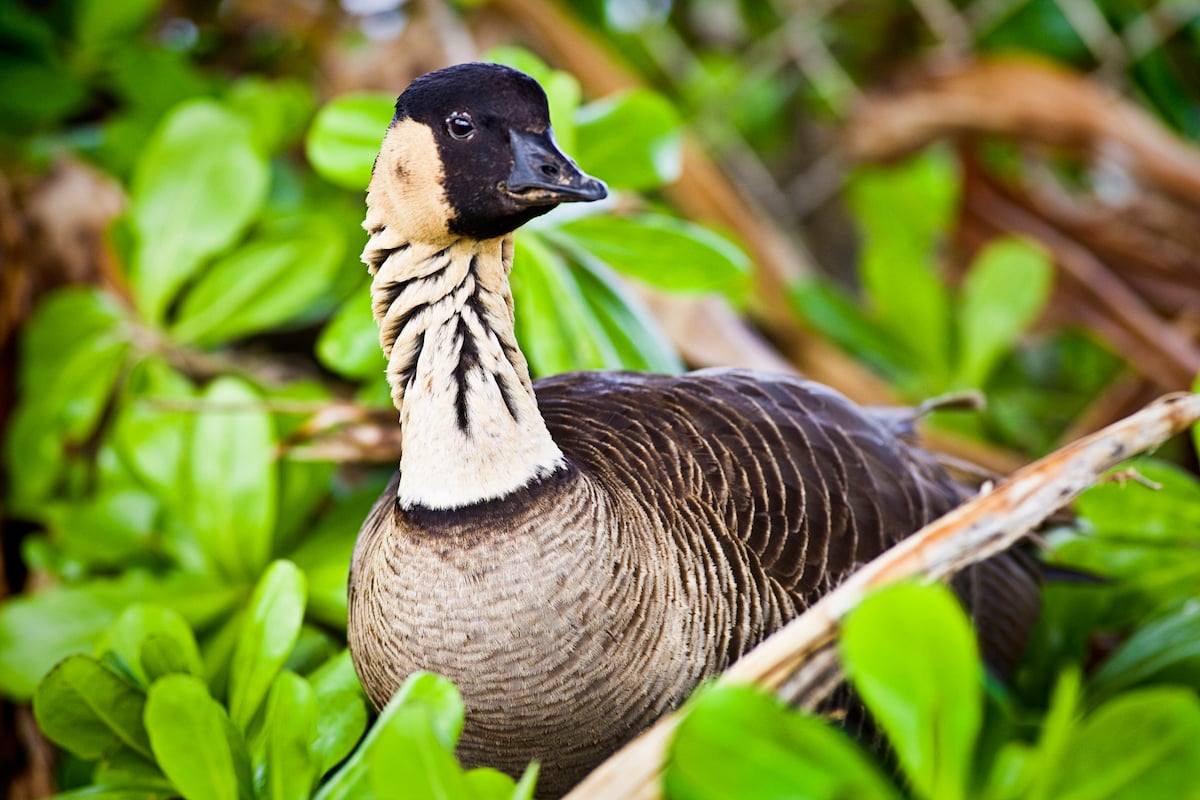
When travelers visit the lush, volcanic landscapes of Hawaii, they are often greeted by a symphony of tropical sounds. Beyond the crashing waves and the rustle of palm fronds, there is a particular avian species that holds a place of honor in the hearts of the locals. The official state bird of Hawaii is the Nēnē, also known as the Hawaiian Goose (Branta sandvicensis). This remarkable creature is not only a symbol of the islands’ unique biodiversity but also a testament to the resilience of nature within the Pacific Ocean.
The History and Symbolism of the Nēnē
The Nēnē is a bird steeped in history and evolutionary mystery. Unlike most geese, which are associated with wetlands and migratory flights across continents, the Nēnē has evolved specifically for the rugged terrain of the Hawaiian Islands.
Evolutionary Adaptations
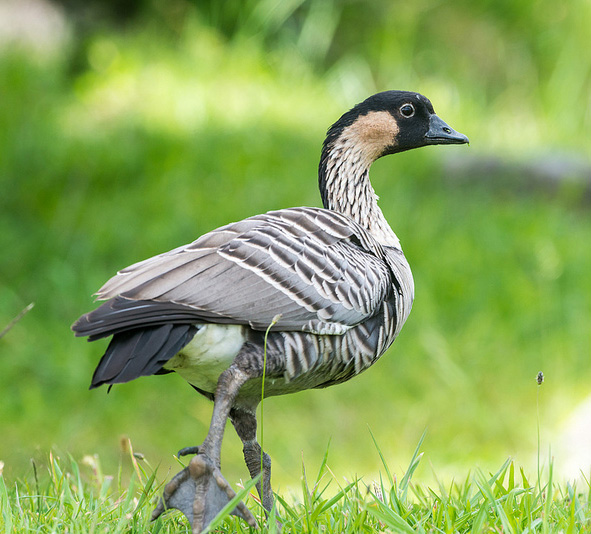
The Nēnē is a descendant of the Canada goose, which likely arrived in the archipelago hundreds of thousands of years ago. Over time, the species adapted to the volcanic slopes and lava fields of Mauna Loa and Haleakalā. Its feet have less webbing than typical water-dwelling geese, an evolutionary shift that allows it to navigate the jagged, rocky surfaces of volcanic rock more efficiently.
Cultural Significance
In local culture, the Nēnē represents the spirit of the land. Its name is onomatopoeic, derived from the soft, low-pitched call the birds make to one another. To spot a Nēnē in the wild is often considered a sign of good fortune by those exploring the high-altitude meadows of Maui or the verdant valleys of Kauai. It is a bird that embodies the quiet strength of the islands, surviving in harsh conditions where few other birds could thrive.
Conservation and the Path to Recovery
The journey of the Nēnē has been one of extreme fragility. During the late 18th century, it is estimated that approximately 25,000 of these geese lived across the islands. However, the introduction of non-native predators—such as mongooses, rats, and feral cats—along with habitat loss, caused the population to plummet.
The Brink of Extinction
By the mid-20th century, the Nēnē was on the verge of total extinction. Records indicate that by 1952, there were fewer than 30 birds left in the wild. This dire situation prompted a massive collaborative effort between conservationists, the government, and the people of Hawaii to save the species from disappearing forever.

Success Stories in Captive Breeding
Thanks to the efforts of organizations like the Waikiki Aquarium and various sanctuaries across the United States, breeding programs were established to bolster the population. These efforts have been remarkably successful. Today, thousands of Nēnē geese reside across the archipelago, particularly in managed areas like Haleakala National Park, where visitors are frequently encouraged to observe these birds from a respectful distance to ensure their continued safety and growth.
Where to Spot the Nēnē on Your Travels
For those interested in seeing the Nēnē in its natural environment, knowing where to go is essential. These birds are primarily found in high-elevation shrublands and open grasslands, where they graze on berries, grasses, and flowers.
Observing Wildlife in Maui
One of the most accessible places to view the Nēnē is within the protected boundaries of Maui. Many tour guides highlight the importance of the Nēnē when leading visitors through the volcanic landscapes of the island. While they are often seen near parking areas and visitor centers, it is vital that tourists do not feed them. Feeding wildlife interferes with their natural survival instincts and can lead to dangerous dependency on human food.
The Landscape of Kauai
Kauai also hosts a significant population of these geese. The Kilauea Point National Wildlife Refuge is a premier location for birdwatching enthusiasts. Here, the Nēnē thrive alongside other native seabirds, making it a hotspot for those wanting to immerse themselves in the biological heritage of North America’s tropical territory.
Tips for Responsible Wildlife Tourism
As Hawaii continues to be a top destination for travelers, the responsibility of preserving its flora and fauna grows. Whether you are visiting the Big Island or the bustling shores of Oahu, understanding how to interact with the environment is a hallmark of a conscientious traveler.
Respecting Protected Habitats
When you visit landmarks, always stay on marked trails. The Nēnē often nest on the ground, and their eggs or goslings can be easily disturbed by off-trail foot traffic. By respecting these boundaries, you contribute to the ongoing success of the recovery efforts.
Educating Yourself and Others
Part of the joy of traveling is gaining a deeper understanding of the destination. When you share the story of the Nēnē—its struggle for survival and its status as a symbol of hope—with fellow travelers, you help foster a culture of respect for the land. Encourage others to learn about the state bird, the unique geology of Volcanoes National Park, and the broader efforts to maintain the delicate ecological balance of these islands.
Supporting Local Conservation
Many visitors choose to support conservation efforts by donating to local sanctuaries or participating in volunteer beach and trail clean-ups. By engaging with the local community in this way, your presence becomes a positive force for the preservation of Hawaii’s natural treasures. The Nēnē is not just a bird; it is a survivor, a symbol, and a cherished inhabitant of a landscape that demands our care and attention. Through informed, respectful, and observant tourism, we ensure that the soft call of the Nēnē remains a part of the island experience for generations to come.
LifeOutOfTheBox is a participant in the Amazon Services LLC Associates Program, an affiliate advertising program designed to provide a means for sites to earn advertising fees by advertising and linking to Amazon.com. Amazon, the Amazon logo, AmazonSupply, and the AmazonSupply logo are trademarks of Amazon.com, Inc. or its affiliates. As an Amazon Associate we earn affiliate commissions from qualifying purchases.