
Hawaii, the captivating archipelago nestled in the heart of the Pacific, conjures images of endless sunshine, pristine beaches, and balmy breezes. For many prospective travelers, understanding the local climate, particularly the temperature, is paramount to planning the perfect getaway. Far from being a monolithic climate, Hawaii boasts a fascinating array of microclimates, offering diverse experiences across its volcanic landscapes and verdant valleys. This guide delves into the nuances of Hawaii’s temperatures, equipping you with the knowledge to make the most of your island adventure.
The Tropical Allure: An Overview of Hawaii’s Climate
Hawaii’s geographical position, just south of the Tropic of Cancer, bestows upon it a distinct tropical climate, characterized by warm temperatures and consistent trade winds. These gentle breezes, originating from the northeast, play a crucial role in moderating the heat, making even the warmest days feel remarkably comfortable. The islands rarely experience extreme heat waves or significant cold snaps, maintaining a remarkably stable environment year-round. This pleasant consistency is a major draw for visitors seeking an escape from more volatile climates.
A Year-Round Paradise
One of Hawaii’s most celebrated features is its consistent, spring-like weather throughout the year. The average daytime temperatures hover pleasantly between 75°F and 85°F (24°C and 29°C) at sea level, with nighttime lows typically dipping into the mid-60s to low-70s (18°C to 23°C). This narrow temperature range means that whether you visit in January or July, you can generally expect warm, inviting conditions perfect for beach activities, water sports, and exploring the natural beauty of the islands. While there are subtle seasonal shifts, the overall impression is one of perpetual summer, inviting relaxation and outdoor pursuits at any time.
Microclimates: More Than Just Sunshine
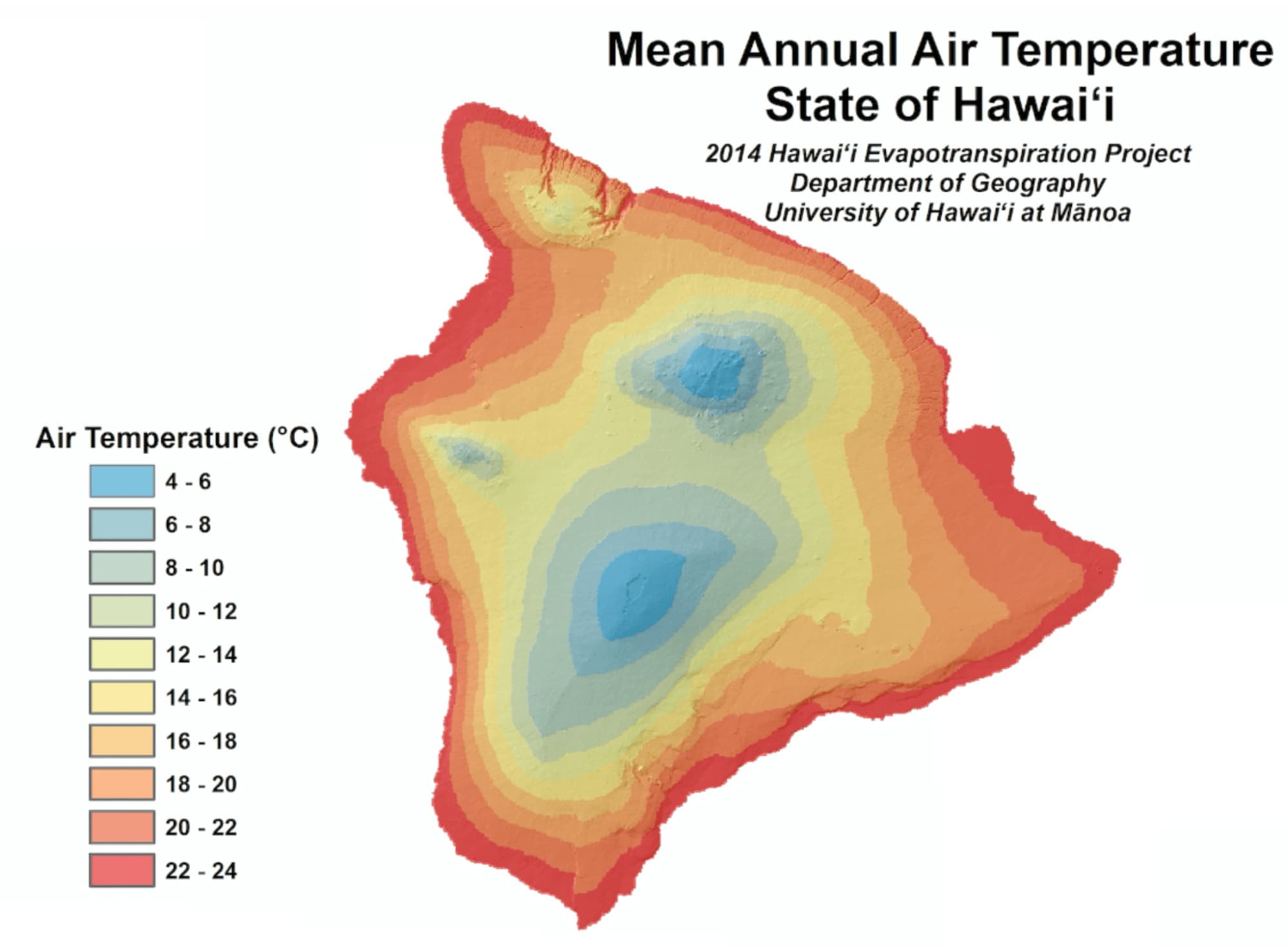
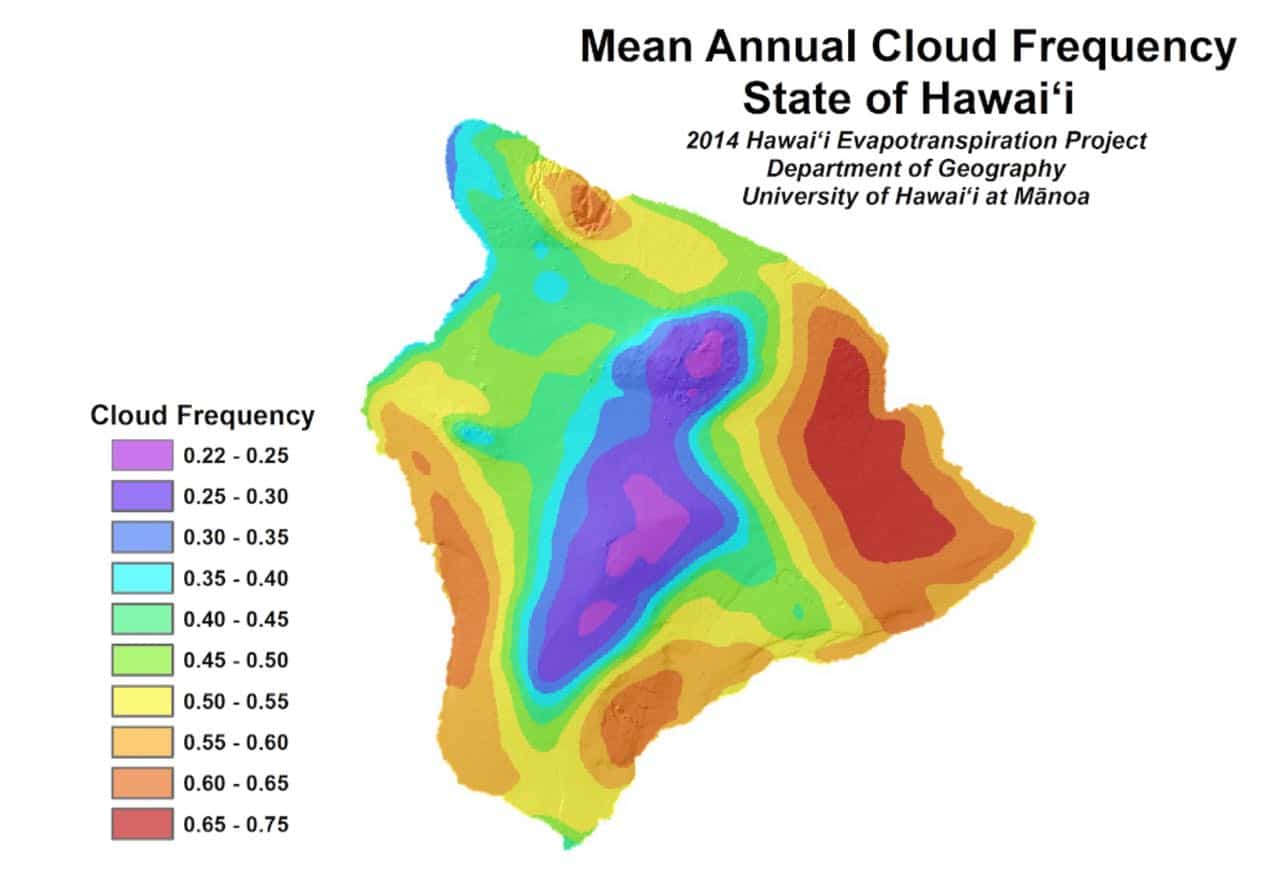
Beneath the overarching tropical classification, Hawaii is a land of dramatic microclimates. These distinct climatic zones are primarily influenced by the islands’ volcanic topography, the direction of the prevailing trade winds, and altitude. Windward sides (north and east coasts), directly exposed to the trade winds, tend to be wetter and lusher, with more frequent (though often brief) showers. Leeward sides (south and west coasts), sheltered by the mountains, are typically drier, sunnier, and warmer. For instance, while the lush Waimea Canyon on Kauai might be experiencing a cool drizzle, the sun-drenched beaches of Poipu just a short drive away could be basking in glorious sunshine. Similarly, the summit of Mauna Kea on the Big Island (Hawaii Island) can be below freezing, even experiencing snow, while coastal Kona enjoys warm, sunny skies. Understanding these variations is key to appreciating the islands’ diverse ecosystems and planning activities that align with local conditions.
Decoding Seasonal Variations in Hawaii
While the concept of distinct “seasons” as understood in temperate zones doesn’t fully apply to Hawaii, there are noticeable differences that shape the islands’ climate and visitor experience. These two primary periods, often referred to as “summer” and “winter,” influence not just temperatures but also rainfall patterns, ocean conditions, and even the types of activities available.
Summer in the Islands (May-October): The Warmer Months
Hawaii’s “summer” season, generally spanning from May to October, is characterized by slightly higher temperatures and less rainfall, particularly on the leeward coasts. During these months, average daytime temperatures frequently reach the low to mid-80s F (29-32°C), with nighttime temperatures rarely dropping below 70°F (21°C). The ocean temperatures also peak, often reaching a delightful 80°F (27°C), making it ideal for swimming, snorkeling, and diving. The trade winds are generally more consistent, providing a refreshing respite from the tropical sun. This period is perfect for enjoying the iconic beaches of Waikiki Beach on Oahu, exploring the scenic Road to Hana in Maui, or simply relaxing by the poolside at resorts like the Grand Hyatt Kauai Resort & Spa. While rain showers can still occur, especially on the windward sides, they are typically brief and localized, quickly giving way to sunshine.
Winter in Paradise (November-April): Mild and Invigorating
From November to April, Hawaii enters its “winter” season, which, for most parts of the world, would still be considered wonderfully mild. Daytime temperatures average in the mid-70s to low-80s F (24-29°C), with evenings cooling down to the mid-60s F (18-20°C). This is the wetter season, with increased rainfall across all islands, though the leeward coasts remain considerably drier than their windward counterparts. The winter months are renowned for bringing larger ocean swells to the north shores of islands like Oahu, creating world-famous surfing conditions at legendary spots such as Pipeline and Waimea Bay. It’s also the prime season for whale watching, as majestic humpback whales migrate to Hawaii’s warm waters to breed and calve. Temperatures can feel slightly cooler due to increased cloud cover and occasional strong winds, making a light jacket or sweater a useful addition to your packing list, especially for evenings or visits to higher elevations.
Temperature by Altitude and Island
The diverse topography of the Hawaiian Islands means that temperature is not uniform across the archipelago. Altitude plays a significant role, as does the sheer size and volcanic structure of each individual island. Understanding these variations allows travelers to select destinations and plan activities that best suit their preferences for warmth or coolness.
Coastal vs. Inland Temperatures
The most noticeable temperature gradient in Hawaii is between sea level and higher elevations. As you ascend, temperatures drop significantly. For every 1,000 feet (approximately 305 meters) of elevation gain, the temperature typically decreases by about 3.5°F (2°C). This means that while coastal areas like Honolulu or Lahaina are enjoying temperatures in the high 70s or low 80s, volcanic summits like Haleakala on Maui or Mauna Loa on the Big Island could be experiencing freezing temperatures, especially at night or in the early morning. Visitors planning to watch the sunrise from these majestic peaks should be prepared for very cold conditions, often requiring layers, hats, and gloves, even if it’s summer at the beach below. Inland areas, even at lower elevations, can also experience slightly cooler temperatures than coastal regions due due to factors like vegetation cover and less direct exposure to ocean breezes.

Island-Specific Nuances
While general trends apply, each of Hawaii’s main islands possesses its own unique temperature characteristics:
- Oahu: Known for its vibrant capital Honolulu and bustling Waikiki, Oahu generally experiences consistent warm temperatures, with its leeward south shore being particularly sunny. The North Shore Oahu might see slightly more rain in winter but maintains warm daytime temperatures.
- Maui: Often called the “Valley Isle,” Maui offers a wide range of microclimates. The popular resort areas of Ka’anapali and Wailea on the leeward coast are among the driest and sunniest spots, while the upcountry regions and the slopes of Haleakala National Park are significantly cooler.
- Kauai: The “Garden Isle” is generally lusher and can be slightly wetter than the other islands, particularly on its north shore. However, its south shore, around Poipu, remains dependably sunny and warm. Temperatures are consistently pleasant, though humidity can be a bit higher.
- Big Island (Hawaii Island): As the youngest and largest island, the Big Island features the most dramatic climatic variations. From the hot, dry Kona Coast on the west, through the lush, wet Hilo region on the east, to the frigid summits of Mauna Kea and Mauna Loa, this island encompasses nearly all of the world’s climate zones. Coastal temperatures remain warm, but the elevation changes are profound.
- Molokai and Lanai: These smaller islands tend to follow the general patterns of their larger neighbors, with warm coastal temperatures and cooler conditions at higher elevations, though their more remote nature means fewer dramatic variations in visitor-accessible areas.
Beyond the Thermometer: Humidity and Comfort
While the numerical temperature is a crucial metric, true comfort in a tropical climate like Hawaii also hinges significantly on humidity levels. Understanding how humidity affects perceived temperature and taking proactive steps can greatly enhance your travel experience.
Understanding Humidity Levels
Hawaii’s tropical climate means humidity is a constant companion. Average relative humidity typically ranges from 60% to 80%, often higher on the windward sides and during rain showers. While the trade winds usually prevent the air from feeling oppressively sticky, high humidity can make warm temperatures feel even hotter, especially on days when the winds are light. It can also affect hair, skin, and even how quickly clothes dry. For those unaccustomed to tropical humidity, the initial sensation might be surprising, but most visitors quickly adapt, especially with the refreshing ocean breezes providing natural ventilation. Many accommodations, from the Four Seasons Resort Hualalai to more budget-friendly options, are equipped with air conditioning to ensure indoor comfort.
Practical Tips for Staying Comfortable
To maximize comfort in Hawaii’s warm and humid environment, consider these practical tips:
- Hydration is Key: Drink plenty of water throughout the day, even if you don’t feel thirsty. Electrolyte-rich beverages can also be beneficial, especially after physical activity.
- Lightweight, Breathable Clothing: Pack clothes made from natural fibers like cotton, linen, or moisture-wicking synthetic materials. Loose-fitting attire allows for better airflow and evaporation of sweat. Avoid heavy fabrics.
- Sun Protection: The Hawaiian sun is intense. Use high-SPF sunscreen generously, wear wide-brimmed hats, and don sunglasses. Seek shade during peak sun hours (10 AM to 4 PM).
- Strategic Activity Planning: Schedule strenuous activities like hiking during the cooler parts of the day, such as early mornings or late afternoons. Embrace the concept of “pau hana” (end of work) in the afternoon, enjoying the beach or a leisurely meal as the sun dips.
- Embrace the Water: Take frequent dips in the ocean or pool to cool off. The warm ocean temperatures make swimming a constant delight.
- Air Conditioning: If humidity is a concern, ensure your accommodation has effective air conditioning, especially for sleeping.
Planning Your Hawaii Adventure Based on Climate
Understanding Hawaii’s temperature and climate patterns allows for more informed decisions, ensuring your trip aligns perfectly with your desired activities and comfort levels. Whether you’re chasing waves or seeking serenity, the islands cater to all.
Best Time to Visit for Specific Activities
- Beach Going & Swimming: Any time of year is excellent, but summer (May-October) offers the warmest ocean temperatures and generally calmer waters on south shores.
- Surfing: Winter (November-April) is prime for advanced surfers on the north shores of Oahu and Maui, with monumental swells. Summer brings smaller, gentler waves, ideal for beginners and longboarders on south and west shores.
- Hiking: The cooler, drier summer months are often preferred for challenging trails, though winter hikes offer lush scenery (and potential mud). Always check local trail conditions regardless of the season.
- Whale Watching: December through May is the primary season for spotting humpback whales, particularly around Maui’s protected waters like the Auau Channel.
- Snorkeling & Diving: Summer offers the calmest, clearest waters for underwater exploration, especially on the leeward coasts. Places like Molokini Crater off Maui are exceptional year-round, but conditions are often best in summer.
Packing Smart for Hawaii’s Temperatures
Given the consistent warmth, your packing list for Hawaii will generally be lighter than for other destinations. Focus on versatility and comfort:
- Clothing: Mostly lightweight, breathable fabrics. Swimsuits (multiple), shorts, t-shirts, sundresses, and a couple of casual evening outfits.
- Outerwear: A light jacket or sweater is essential for evenings, air-conditioned interiors, and particularly for trips to higher elevations (e.g., Haleakala sunrise). Rain jackets or ponchos are wise additions, especially if visiting windward sides or during winter.
- Footwear: Sandals or flip-flops are standard. Comfortable walking shoes for sightseeing and sturdy hiking shoes if you plan to hit the trails.
- Sun Protection: Sunscreen (reef-safe is often required or recommended), hat, sunglasses.
- Essentials: Reusable water bottle, insect repellent (especially for evenings or lush areas), camera.
In conclusion, Hawaii’s temperature is remarkably stable and inviting throughout the year, characterized by warm days, mild evenings, and refreshing trade winds. While subtle seasonal variations and dramatic microclimates exist across the islands, visitors can generally expect a tropical paradise ideal for relaxation and adventure. By understanding these climatic nuances and packing accordingly, your Hawaiian journey will be nothing short of spectacular.
LifeOutOfTheBox is a participant in the Amazon Services LLC Associates Program, an affiliate advertising program designed to provide a means for sites to earn advertising fees by advertising and linking to Amazon.com. Amazon, the Amazon logo, AmazonSupply, and the AmazonSupply logo are trademarks of Amazon.com, Inc. or its affiliates. As an Amazon Associate we earn affiliate commissions from qualifying purchases.