
When planning a journey to the middle of the Pacific Ocean, one of the first logistical questions travelers ask is regarding the clock. Understanding the local time is essential for coordinating flights, booking tours, and adjusting to the relaxed pace of life in the islands. The official name for the time zone in Hawaii is Hawaii-Aleutian Standard Time, often abbreviated as HST. This time zone is a defining characteristic of the Hawaiian experience, influencing everything from when you wake up to catch the sunrise at Diamond Head to how you communicate with family back in the United States mainland.

Understanding Hawaii-Aleutian Standard Time (HST)
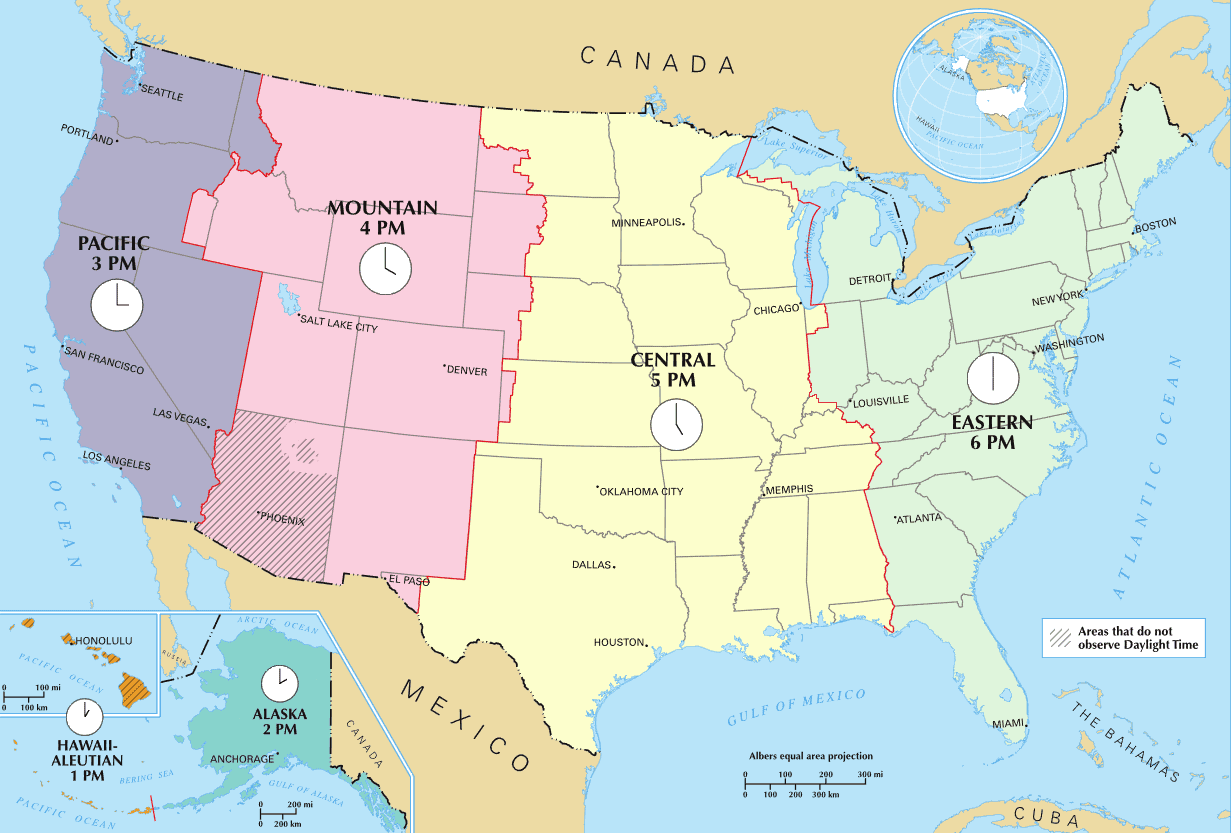
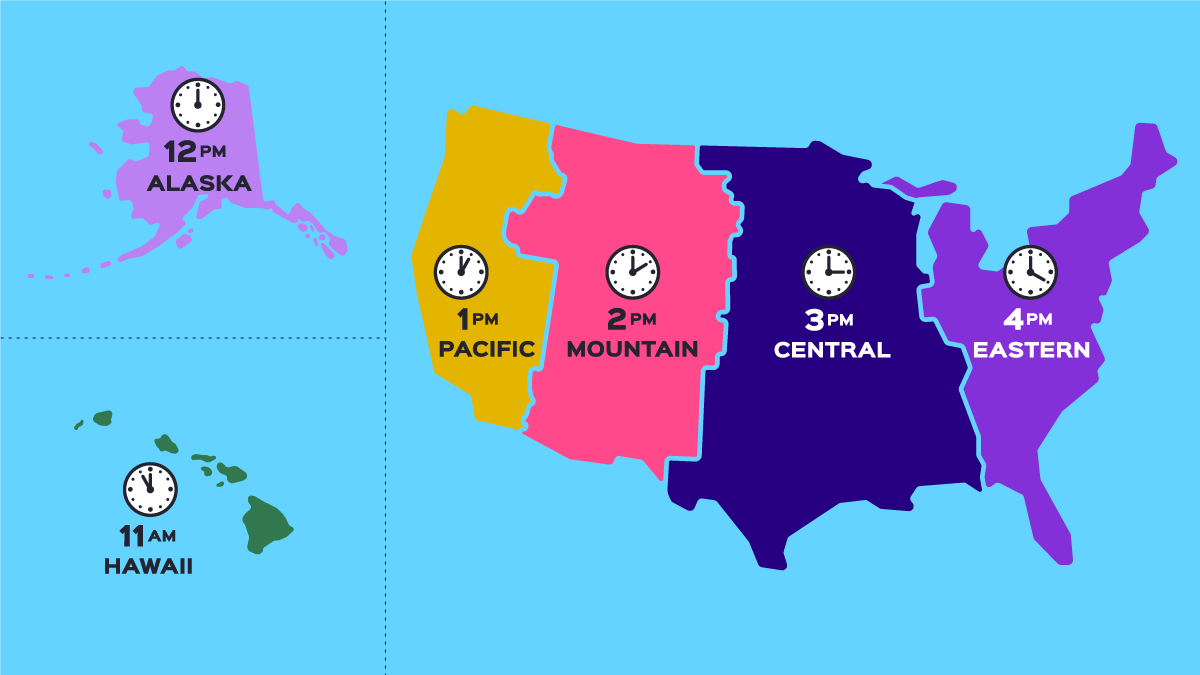
Hawaii-Aleutian Standard Time is part of a larger time zone that also encompasses the Aleutian Islands, which are part of Alaska. Geographically, Hawaii sits far to the west of North America, and its time zone reflects this distance. HST is 10 hours behind Coordinated Universal Time (UTC-10). To put this into perspective for American travelers, it is two hours behind Pacific Standard Time and five hours behind Eastern Standard Time.
A Legacy of Consistency
One of the most notable aspects of the Hawaii time zone is its consistency. Unlike most states in the United States, Hawaii does not observe Daylight Saving Time. This decision was made by the Hawaii State Legislature in 1967. Because of Hawaii’s tropical latitude, there is relatively little variation in the length of daylight between summer and winter. Consequently, the practice of “springing forward” or “falling back” serves little purpose for the local population. Along with Arizona, Hawaii stands as a beacon of temporal stability, remaining on HST year-round.
The Impact of UTC-10 on Tourism
For tourists, the fact that Hawaii stays on Standard Time means that the time difference between the islands and the mainland changes twice a year. During the summer months, when the mainland observes Daylight Saving Time, the gap increases. For instance, California, which follows the Pacific Time Zone, becomes three hours ahead of Hawaii in the summer instead of two. Likewise, New York in the Eastern Time Zone becomes six hours ahead instead of five. This is a crucial detail for travelers to remember when checking flight schedules or making international calls.
Practical Tips for Managing the Time Difference
Traveling to Hawaii often involves crossing several time zones, which can lead to the dreaded phenomenon of jet lag. Whether you are arriving in Honolulu on the island of Oahu or landing in Kahului on Maui, your internal biological clock will likely need a few days to recalibrate to the Hawaii-Aleutian Standard Time.
Strategies for Beating Jet Lag
The best way to adjust to HST is to immerse yourself in the local rhythm immediately. If you arrive in the afternoon, try to stay awake until at least 9:00 PM local time. Taking a quick dip in the ocean at Waikiki Beach or going for a light walk through Kapapiolani Park can provide the physical activity and sunlight exposure needed to tell your brain it is still daytime.
Hydration is also key. The long flights from Los Angeles, Chicago, or Tokyo can be dehydrating, which exacerbates the feeling of fatigue. Drinking plenty of water and avoiding excessive caffeine during the first 24 hours will help your body transition more smoothly. Many tourists find that the “westward” travel to Hawaii is easier on the body than traveling eastward, as it is generally easier to stay up late than to wake up significantly earlier than usual.
Communicating Across Time Zones
For business travelers or those needing to stay in touch with family, the time difference requires careful planning. If you are staying in Lihue on Kauai and need to join a 9:00 AM meeting in London, you may find yourself awake in the middle of the night. Conversely, evening in Hawaii is often deep night in North America. Most travelers find that the morning hours in Hawaii are the best time to catch people on the East Coast of the United States before they finish their workday.
Embracing “Island Time”: How Local Rhythms Shape Tourism
In Hawaii, time is more than just a measurement on a clock; it is a cultural concept often referred to as “Island Time.” This isn’t just a cliché about being late; it is a reflection of the Aloha Spirit, emphasizing presence, patience, and a connection to the natural environment. When you are on HST, the rigid schedules of metropolitan life often give way to the movement of the sun and the tides.
The Sunrise Culture of the Islands
Because many visitors find themselves waking up early due to the time difference, Hawaii has developed a vibrant “early bird” culture. This is the perfect time to visit popular attractions that tend to get crowded later in the day. Arriving early at Hanauma Bay for snorkeling or securing a spot at Pearl Harbor to see the USS Arizona Memorial is much easier when your body thinks it is mid-morning.
On Maui, the sunrise at Haleakala National Park is a legendary experience. Travelers wake up at 3:00 AM to drive to the summit of the volcano to witness the sun peeking over the clouds. While the hour seems daunting, those arriving from the mainland often find it surprisingly easy to manage during their first few days on the island.
Pau Hana: The Sacred End of the Day
As the day winds down, the local tradition of Pau Hana takes center stage. Literally translating to “after work,” this is the Hawaiian version of happy hour. It is a time for locals and tourists alike to slow down, enjoy a drink, and watch the sunset. Whether you are at a beachfront bar in Kaanapali or a small café in Hilo on the Big Island, Pau Hana represents the transition from the productivity of the day to the relaxation of the evening.
Logistics and Itinerary Planning for the Savvy Traveler
When building your Hawaii itinerary, the Hawaii-Aleutian Standard Time should be a primary consideration for logistics. From restaurant reservations to inter-island flights, the clock dictates the flow of your vacation.
Booking Morning Attractions
Many of the most popular activities in the islands are best done in the morning. For instance, if you plan to hike the Kalalau Trail on the Napali Coast, an early start is essential to beat the heat and the afternoon rains. Similarly, the North Shore of Oahu offers the best surfing conditions and calmer waters for swimming in the early hours.
For those interested in history and culture, the Polynesian Cultural Center provides a full day of activities. Knowing that the sun sets around 6:00 PM to 7:00 PM year-round helps you plan for evening shows and luaus, which are the cornerstone of Hawaiian tourism.
Navigating Nightlife and Dining Hours
Travelers should be aware that outside of Honolulu, the islands tend to “roll up the sidewalks” earlier than many major cities. In rural areas like Molokai or Lanai, and even in tourist hubs like Lahaina or Kona, many restaurant kitchens close by 9:00 PM. If you are still on “mainland time” and looking for dinner at what feels like 7:00 PM to you, you might find your options limited. Planning dinner for 6:30 PM or 7:00 PM HST ensures you can enjoy the full menu and the local ambiance.
Seasonal Daylight Shifts and Environmental Rhythms
While Hawaii does not change its clocks, the natural world still observes the changing seasons. Understanding these subtle shifts can enhance your travel experience, especially if you are interested in photography or nature-based activities.
Winter vs. Summer in the Tropics
In the summer, the sun rises around 5:50 AM and sets near 7:15 PM. In the winter, sunrise is closer to 7:00 AM with sunset around 5:50 PM. While this variation is small compared to Canada or the Northern United States, it affects the timing of outdoor adventures. If you are driving the Road to Hana in Maui during December, you need to be mindful of the earlier sunset to ensure you are off the winding roads before dark.
Astronomical Impacts and Stargazing
Hawaii is one of the premier locations in the world for astronomy. The high peaks of Mauna Kea on the Big Island house some of the world’s most powerful telescopes. For tourists, this means that once the sun sets on HST, a second world of beauty opens up. Stargazing tours and visits to the Imiloa Astronomy Center offer a glimpse into the heavens that is only possible because of Hawaii’s remote location and clear Pacific skies.
Whether you are exploring the lush rainforests of Kauai, the volcanic landscapes of Volcanoes National Park, or the bustling streets of Waikiki, the Hawaii-Aleutian Standard Time is the silent conductor of your trip. By embracing the steady, unchanging nature of HST, you can let go of the frantic pace of the outside world and truly enter the timeless beauty of the Hawaiian Islands.
LifeOutOfTheBox is a participant in the Amazon Services LLC Associates Program, an affiliate advertising program designed to provide a means for sites to earn advertising fees by advertising and linking to Amazon.com. Amazon, the Amazon logo, AmazonSupply, and the AmazonSupply logo are trademarks of Amazon.com, Inc. or its affiliates. As an Amazon Associate we earn affiliate commissions from qualifying purchases.