
For many, the dream of homeownership represents not just a place to live, but a cornerstone of financial stability and a launchpad for a desired lifestyle. In the vast and vibrant state of Texas, this dream comes with a significant benefit known as the Homestead Exemption. Far more than just a bureaucratic term, the Texas Homestead Exemption is a crucial provision designed to offer homeowners tangible relief on their property taxes and provide a degree of protection for their most valuable asset. While it might seem like a purely financial topic, understanding this exemption can unlock resources and peace of mind that directly influence your ability to explore the state, engage in local tourism, and even budget for more adventurous travel experiences.
Imagine the freedom that comes with reduced annual expenses, allowing you to allocate more funds towards experiencing the diverse destinations Texas has to offer, from the bustling urban centers like Houston and Dallas to the serene landscapes of Big Bend National Park. The Homestead Exemption acts as a shield, lowering the taxable value of your primary residence and safeguarding a portion of your home’s equity from creditors. For those considering a move to Texas, or current residents looking to optimize their finances, grasping the intricacies of this exemption is paramount. It’s an essential piece of the puzzle for sustainable living in the Lone Star State, impacting everything from your monthly budget to your long-term financial health, and ultimately, the quality of your life and your capacity for leisure and exploration.
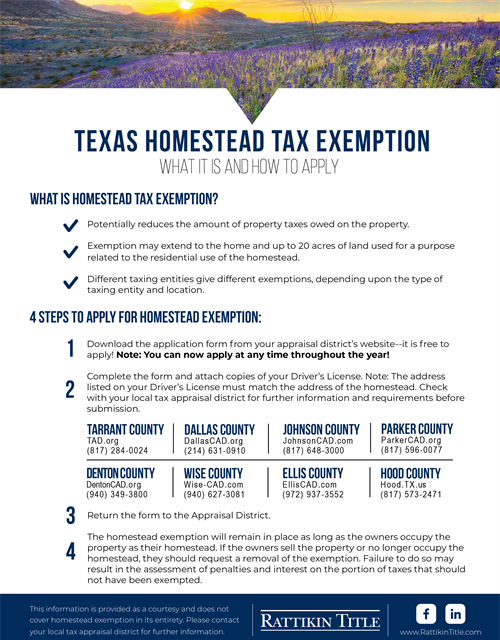
Understanding the Essence of Texas Homestead Exemption
At its core, the Texas Homestead Exemption is a provision of the Texas Constitution that allows homeowners to reduce the amount of property taxes they owe on their primary residence. It’s a fundamental right for homeowners, offering both financial relief and a degree of legal protection. The concept is straightforward: a portion of your home’s appraised value is exempted from taxation, meaning you pay taxes on a lower amount. This translates into real savings each year, which can be substantial over the lifetime of homeownership.
Beyond the immediate tax benefits, the homestead exemption provides vital protection against creditors. In most cases, a homeowner’s primary residence in Texas is protected from forced sale by general creditors, with some specific exceptions like home equity loans, property taxes, or mechanic’s liens. This adds a significant layer of security for families, ensuring that their home remains a stable foundation regardless of unforeseen financial challenges. This stability is a key component of a secure lifestyle, freeing individuals and families to plan for other aspects of their lives, including valuable travel experiences.
Consider the impact on your monthly budget: lower property taxes mean lower escrow payments if you have a mortgage, or simply more disposable income if you own your home outright. This financial breathing room can be a game-changer. For example, the savings could be channeled into family vacations, weekend getaways to explore Texas towns like Fredericksburg or Galveston, or even contribute to a fund for luxury hotel stays during special occasions. These tangible benefits underscore why understanding and utilizing the homestead exemption is not just about taxes, but about enhancing your overall quality of life and empowering you to embrace the rich cultural and natural beauty that Texas offers. The more you save on essential living costs, the more freedom you have to explore, to learn, and to create unforgettable memories, whether that’s visiting the Space Center Houston or taking a road trip through the beautiful Hill Country.
Types of Homestead Exemptions and Eligibility
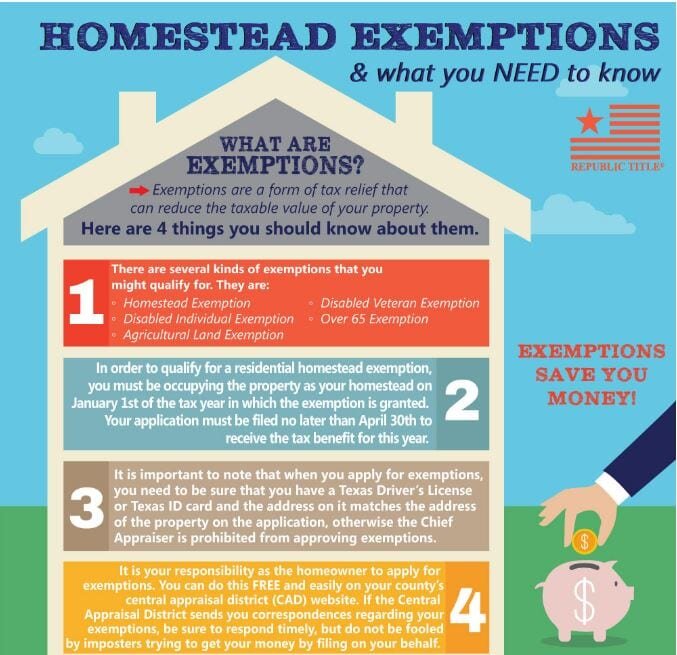
Texas offers several types of homestead exemptions, each with specific eligibility requirements and benefits. Understanding which exemptions you qualify for is the first step in maximizing your savings.
General Residence Homestead Exemption
This is the most common and widely applicable homestead exemption. To qualify, the property must be your primary residence as of January 1st of the tax year. This means you must live at the property and intend for it to be your principal home. You can only claim one general residence homestead exemption.
The key benefit of the general exemption is a significant reduction in the appraised value of your home for property tax purposes. For school district taxes, which typically make up the largest portion of a Texas property tax bill, the exemption currently stands at $100,000. This means that if your home is appraised at $300,000, school taxes will be calculated as if the home is worth $200,000. Counties, cities, and special districts may also offer their own general homestead exemptions, often a percentage of the home’s value (e.g., 20%) or a fixed dollar amount (e.g., $5,000).
This exemption provides a considerable financial boost, particularly for families and individuals establishing roots in Texas’s burgeoning cities. Imagine settling into a comfortable family home in Austin, known for its vibrant music scene and outdoor activities. The savings from your homestead exemption could easily cover annual memberships to local attractions like the Zilker Botanical Garden or even fund a weekend escape to a tranquil resort in the Hill Country. For those exploring Dallas, a city renowned for its arts districts and shopping, the tax relief can mean more flexibility to enjoy its diverse culinary scene or attend professional sports events. It fosters a lifestyle where homeowners can truly thrive and engage with their communities without undue financial strain.

Exemptions for Seniors, Disabled Individuals, and Veterans
Texas extends additional, even more generous, homestead exemptions to specific groups, recognizing their unique circumstances and contributions.
- Over-65 Exemption: If you are 65 years or older, you qualify for an additional homestead exemption. This exemption stacks on top of the general residence exemption, further reducing your taxable value for school district taxes. Crucially, the over-65 exemption also provides a “tax ceiling” for school district taxes. This means that once you turn 65 and qualify, the amount of school taxes you pay cannot increase beyond that year’s level, regardless of increases in your home’s appraised value or tax rates, unless you make significant improvements to your home. This offers immense financial stability for seniors on fixed incomes, allowing them to enjoy their golden years without the constant worry of escalating property tax bills. This stability can open up possibilities for more frequent, perhaps even international, travel or comfortable long-term stays in various accommodation options.
- Disabled Person Exemption: Similar to the over-65 exemption, disabled homeowners also qualify for an additional homestead exemption. This exemption provides a further reduction in taxable value for school districts, and it also comes with a school tax ceiling, providing the same financial security as the over-65 exemption. To qualify, you must meet the definition of disabled under the Social Security Act.
- Disabled Veteran Exemption: Texas offers a tiered exemption for disabled veterans, based on their disability rating from the U.S. Department of Veterans Affairs. This exemption reduces the appraised value of the veteran’s primary residence by a specific amount, ranging from $5,000 to $12,000 depending on the percentage of disability. For 100% disabled veterans, or those with a service-connected disability rating of 100% and a determination of unemployability, the exemption can be even more impactful, potentially exempting the entire value of their home from taxation. This unparalleled benefit is a testament to Texas’s commitment to its veterans, offering profound financial relief and enabling a lifestyle of dignity and comfort. For many veterans, this exemption can transform their financial landscape, allowing them to invest in their health, well-being, or even take advantage of specialized travel services designed for accessibility.
These enhanced exemptions are vital for fostering inclusivity and support within Texas communities. They ensure that vulnerable populations can maintain their homes with greater ease, enjoying the stability and freedom that homeownership provides. This in turn contributes to a more equitable society where financial burdens are eased, allowing individuals to pursue interests, engage in community life, and explore the diverse landmarks and attractions across the state, from the historic Alamo in San Antonio to the vibrant River Walk.
The Application Process: Securing Your Texas Homestead Exemption
Applying for the Texas Homestead Exemption is a relatively straightforward process, but it’s crucial to understand the steps and deadlines to ensure you don’t miss out on these valuable benefits. The primary entity responsible for processing these applications is your local County Appraisal District (CAD). Each county in Texas has its own CAD, such as the Harris County Appraisal District for Houston residents or the Dallas Central Appraisal District.
Here’s a general overview of the application process:
- Obtain the Application Form: You can typically download the “Application for Residential Homestead Exemption” form from your county appraisal district’s website. Many CADs also mail pre-filled applications to new homeowners, but it’s always best to verify.
- Gather Required Documentation: You will need to provide proof of ownership and residency. Common documents include:
- A copy of your Texas driver’s license or state-issued personal identification card. The address on your ID must match the address of the homestead property.
- Proof of the date of birth for over-65 exemptions, or documentation of disability for disabled person/veteran exemptions.
- If you recently moved to Texas and your ID doesn’t yet reflect your homestead address, you might need additional documentation such as a utility bill, voter registration card, or car registration showing the homestead address.
- Complete the Form Accurately: Fill out all sections of the application completely and truthfully. Ensure all information matches your supporting documents.
- Submit the Application: The completed form and all supporting documents must be submitted to your county appraisal district. This can usually be done by mail, in person, or often online through the CAD’s portal.
- Observe Deadlines: The standard deadline for applying for a homestead exemption is April 30th of the tax year for which you are seeking the exemption. For example, if you moved into your home in 2023, you would apply by April 30, 2024, for the 2024 tax year. However, you can apply up to two years after the delinquency date for the taxes on the homestead. It’s always best to apply as soon as possible after moving in and establishing the property as your primary residence.
The good news is that once your initial application for the general homestead exemption is approved, you typically don’t need to reapply annually, unless there’s a change in ownership or eligibility. However, for specific exemptions like the over-65 or disabled veteran exemptions, initial verification is key.
For those new to Texas or simply looking to establish their homestead, it’s worth noting the temporary accommodation phase. Many individuals or families might opt for an extended-stay hotel or a short-term rental in cities like Austin or San Antonio while searching for their permanent home. During this period, before your primary residence is established, you wouldn’t qualify for the exemption. However, the moment your new home is yours and becomes your primary abode, the clock starts ticking to apply. The tax savings gained from applying promptly can easily fund a fantastic weekend trip to a Texas winery or an exciting visit to a major landmark like the Sixth Floor Museum at Dealey Plaza in Dallas, making the application process well worth the effort.
Homestead Exemption’s Broader Impact on Texas Living and Lifestyle
The Texas Homestead Exemption is more than just a line item on a tax form; it’s a foundational element of the Texas lifestyle, influencing everything from personal financial planning to the broader economic landscape of the state. Its core benefit, reduced property taxes, directly translates into enhanced financial stability for homeowners. This stability is invaluable, allowing residents to save more, invest in their homes, or pursue other goals, including enriching travel and leisure activities.
Imagine the peace of mind knowing that a portion of your income, which would otherwise go towards property taxes, is now available for other pursuits. This reallocation of funds can significantly impact a family’s budget, freeing up resources for anything from a weekend family retreat to the Great Wolf Lodge in Grapevine, to an annual pilgrimage to South Padre Island for sun and sand. For others, it might mean the opportunity to experience high-end hotel stays in cities like Houston during a special occasion, or to indulge in the vibrant culinary scene that defines Austin. The homestead exemption effectively lowers the cost of living for homeowners, making Texas an even more attractive place to reside and raise a family.
From an economic perspective, the homestead exemption helps to stabilize communities by making homeownership more accessible and sustainable. It incentivizes individuals and families to invest in property, contributing to property values and the local tax base over time, even with the exemptions in place. This encourages long-term residency and fosters a strong sense of community, crucial for vibrant local tourism and cultural development. Residents with greater financial freedom are more likely to support local businesses, participate in community events, and explore nearby landmarks and attractions. For instance, savings might enable more frequent visits to museums in Dallas, historical sites in San Antonio, or natural wonders throughout the state.
The appeal of Texas as a destination for both short-term tourism and long-term living is undeniable. Its diverse geography, ranging from Gulf Coast beaches to arid western deserts, and its rich cultural tapestry, blending Southern charm with Western ruggedness and Hispanic influences, offer an unparalleled variety of experiences. The homestead exemption contributes to this appeal by offering a tangible financial incentive for residents. It supports a lifestyle where stability at home can be balanced with a spirit of adventure and exploration. Whether it’s embarking on a Texas BBQ trail road trip, exploring the intricate caves of the Natural Bridge Caverns, or simply enjoying a staycation at a local resort with family, the savings from a homestead exemption empower homeowners to fully embrace the myriad opportunities available in the Lone Star State. It’s a testament to the state’s commitment to its citizens, ensuring that owning a home is not just an aspiration, but a sustainable and rewarding reality, further enriching the experience of living and traveling within Texas.
In conclusion, the Texas Homestead Exemption is an incredibly valuable asset for homeowners, offering substantial property tax relief and critical legal protections. By understanding its various types, eligibility requirements, and the straightforward application process, Texas residents can unlock significant financial benefits. These savings contribute directly to a more stable and enjoyable lifestyle, providing greater freedom to explore the incredible travel and tourism opportunities that Texas proudly offers. From urban adventures in Houston and Dallas to serene natural escapes in the state’s many parks, the financial cushion provided by a homestead exemption empowers residents to truly make the most of their lives in the Lone Star State.
LifeOutOfTheBox is a participant in the Amazon Services LLC Associates Program, an affiliate advertising program designed to provide a means for sites to earn advertising fees by advertising and linking to Amazon.com. Amazon, the Amazon logo, AmazonSupply, and the AmazonSupply logo are trademarks of Amazon.com, Inc. or its affiliates. As an Amazon Associate we earn affiliate commissions from qualifying purchases.