
Navigating the intricacies of travel often involves more than just booking flights and choosing a destination. One fundamental aspect that can significantly impact the flow and enjoyment of your trip is understanding hotel check-in and check-out times. These seemingly simple timestamps are, in fact, crucial operational markers for hotels and key considerations for travelers planning their itineraries, whether for a quick business trip to London or a leisurely family vacation to Punta Cana. For many, the moments of arrival and departure frame the entire accommodation experience, dictating when you can finally relax in your room or when you must bid farewell to your temporary home.
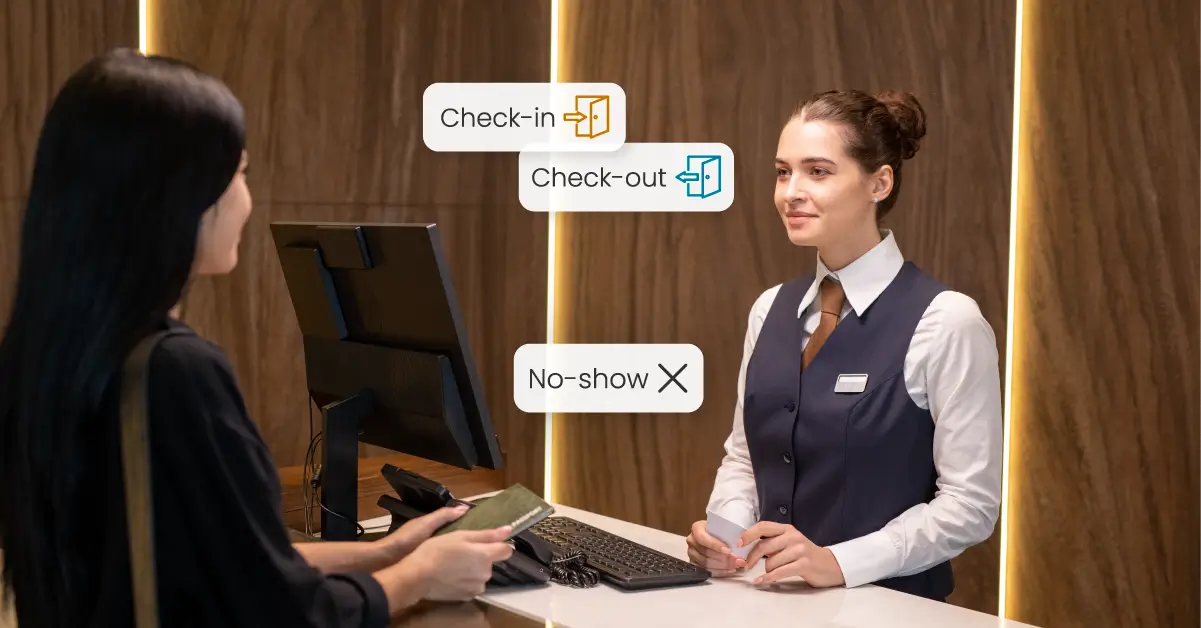
At its core, “check-in time” refers to the earliest moment a guest can typically access their reserved room on the day of their arrival. Conversely, “check-out time” is the latest moment a guest is expected to vacate their room on the day of their departure. These standardized schedules are not arbitrary; they are the backbone of a hotel’s operational efficiency, ensuring a smooth transition between guests and allowing ample time for the meticulous preparation of rooms. Understanding these timings, and more importantly, knowing how to potentially navigate or adjust them, can transform a stressful travel day into a seamless journey, enhancing your overall experience, whether you’re exploring the vibrant streets of Tokyo or unwinding by the serene beaches of the Maldives.
Understanding the Rhythms of Hotel Stays
The ebb and flow of guests are carefully orchestrated within the hospitality industry, and check-in and check-out times are central to this rhythm. They are more than just rules; they are essential components that ensure quality service, operational efficiency, and a comfortable stay for every guest.
The Standard Clock: Why 3 PM and 11 AM/12 PM?
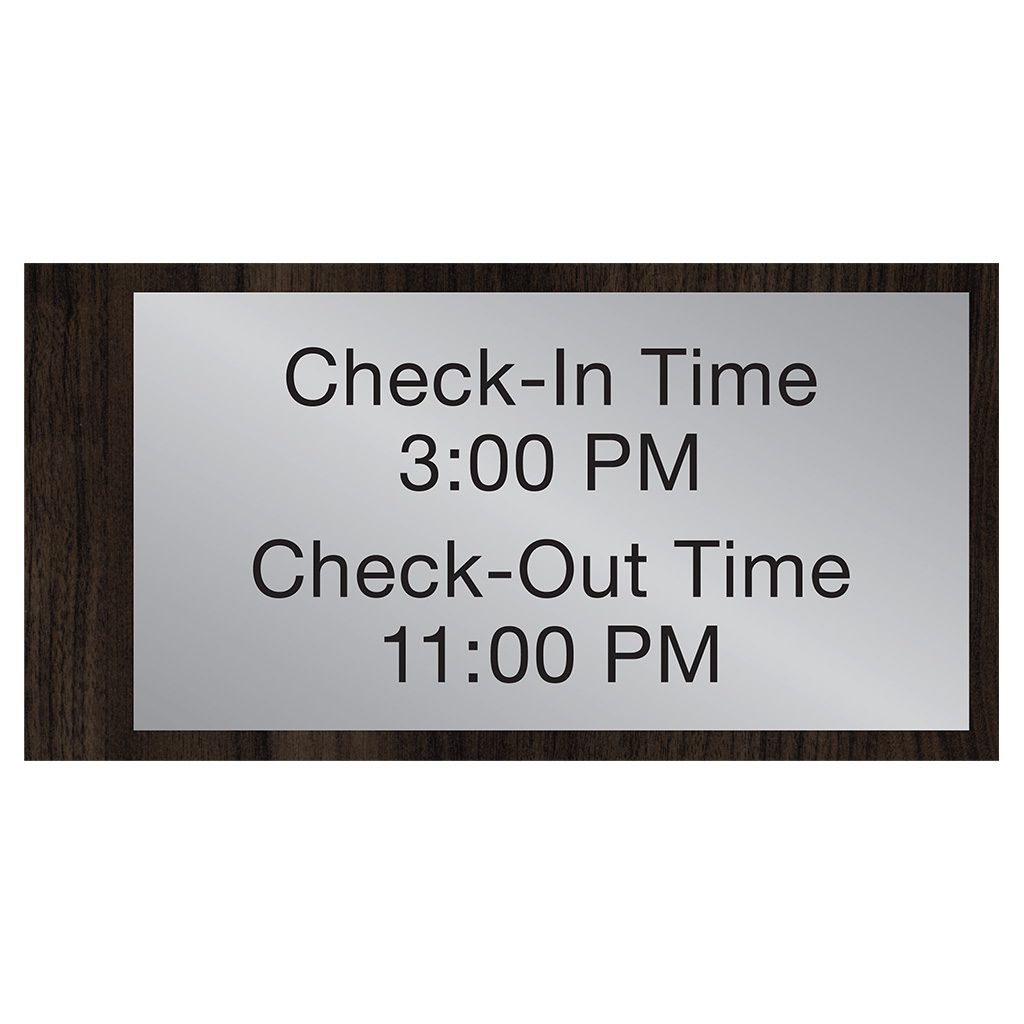
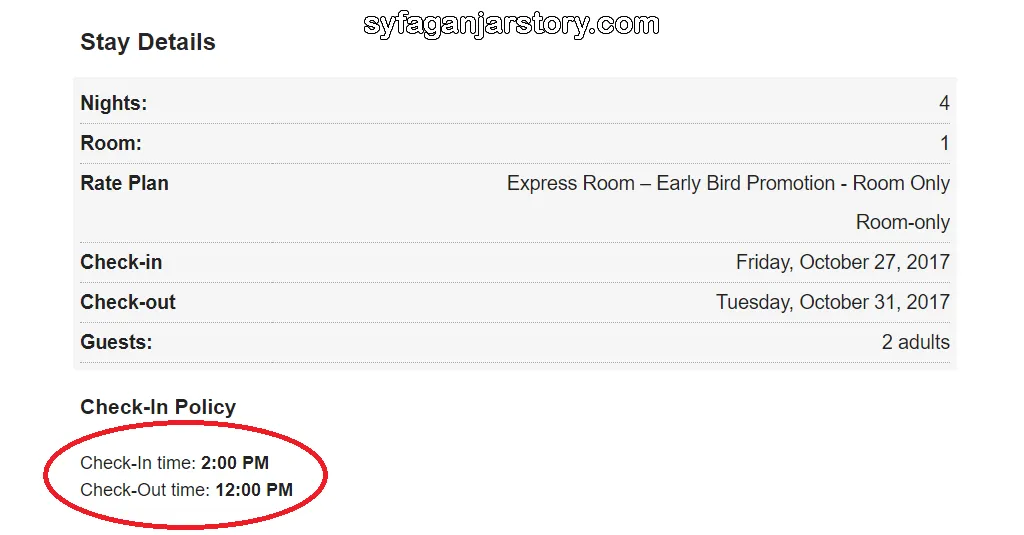
Globally, the most common check-in time for hotels is 3:00 PM (15:00), while check-out times typically fall between 11:00 AM (11:00) and 12:00 PM (12:00) noon. This standard has evolved over decades for very practical reasons, establishing a consistent expectation for travelers worldwide. Whether you’re staying at a boutique hotel in Amsterdam or a sprawling resort in Cancun, these times provide a predictable framework.
The 3:00 PM check-in allows arriving guests to settle in during the early afternoon, giving them sufficient time to unpack, freshen up, and begin exploring their destination without feeling rushed. For business travelers, this timing often aligns well with typical work schedules, allowing for arrival and setup before evening meetings or events. Similarly, the 11:00 AM or 12:00 PM check-out provides guests with a relaxed morning, time for breakfast, and an unhurried departure, aligning with many flight schedules or onward travel plans. This window prevents a chaotic rush for guests and ensures that hotels can manage their resources effectively.
The Operational Dance: Behind the Scenes of Room Turnover
The interval between a guest checking out and the next guest checking in is a carefully choreographed operational dance. This seemingly short 3-4 hour window is critical for hotels to maintain their standards of cleanliness, comfort, and service.
-
Housekeeping and Cleaning: This is arguably the most crucial aspect. Once a guest vacates a room, the housekeeping team springs into action. This isn’t just a quick tidy-up; it involves thorough cleaning, sanitizing all surfaces, changing linens and towels, replenishing toiletries, and ensuring every corner is spotless. For a large hotel, managing hundreds of rooms during this peak period requires immense coordination and a dedicated team. For example, a Grand Hyatt Hotel in a major city like New York City might have hundreds of rooms to turn over, each requiring meticulous attention.
-
Maintenance and Inspection: Beyond cleaning, rooms are often inspected for any maintenance issues, such as a flickering light, a leaky faucet, or a loose fixture. Addressing these issues before the next guest arrives is paramount for guest satisfaction and safety. Hotels aim to present a flawless experience, and this turnover period allows for proactive problem-solving.
-
Front Desk Operations: The front desk staff manages the administrative side of departures and arrivals. This includes processing payments, handling baggage, assigning rooms, and welcoming new guests. The buffer between check-out and check-in helps distribute the workload, preventing long queues and ensuring personalized service.
-
Staff Scheduling: These fixed times help hotels schedule their staff efficiently, optimizing shifts for housekeeping, maintenance, and front desk personnel. It ensures adequate staffing during peak turnover hours without unnecessary overhead during quieter periods.
Without these standardized times, hotels would face immense logistical challenges, leading to delays, compromised cleanliness, and a diminished guest experience. These times are the unsung heroes of hotel operations, silently working to ensure your stay, whether at a luxurious Ritz-Carlton or a functional Holiday Inn, is as seamless as possible.
Navigating Flexibility: Early Check-In and Late Check-Out
While standard check-in and check-out times serve a vital purpose, travel often doesn’t adhere to a rigid schedule. Early morning arrivals or late-night departures are common, making the desire for flexibility a frequent guest request. Hotels, understanding these needs, often offer options for early check-in and late check-out, though these are typically subject to availability and sometimes an additional fee.
Requesting an Early Arrival: Tips for a Smooth Start
Arriving at your destination after a long overnight flight, perhaps from Singapore to Paris, and being unable to access your room until 3 PM can be frustrating. Early check-in allows you to refresh, unpack, and start your itinerary without the inconvenience of waiting.
-
Communicate in Advance: The best strategy is to contact the hotel directly a few days before your arrival. Inform them of your estimated early arrival time. This allows the hotel to note your request and potentially prioritize your room for cleaning if possible. While it’s rarely a guarantee, it significantly increases your chances.
-
Be Realistic and Flexible: Understand that early check-in is almost always “subject to availability.” If the hotel was fully booked the night before, and many guests checked out at the standard time, it simply won’t have rooms ready hours in advance. Be prepared for the possibility that it might not be possible immediately.
-
Leverage Loyalty Programs and Elite Status: Many hotel loyalty programs offer early check-in as a perk for their elite members. For instance, top-tier members of Marriott Bonvoy or Hilton Honors often receive priority for early check-in when available. If you’re a member, make sure your membership number is on your reservation.
-
Direct Booking Benefits: Booking directly through the hotel’s website or app, rather than a third-party site, sometimes provides a slight advantage in terms of flexibility and customer service for special requests.
-
The Power of Politeness: A polite request at the front desk upon arrival, coupled with patience, can often yield positive results, especially during off-peak seasons or at hotels with lower occupancy.
Extending Your Stay: Making the Most of Late Check-Out Privileges
Similarly, a late check-out can be a lifesaver for travelers with evening flights, giving them extra hours to enjoy the city, relax, or catch up on work before heading to the airport. Imagine having a full day to explore the Eiffel Tower or visit the Sydney Opera House without worrying about your luggage.
-
Request on the Day of Departure: While you can mention it at check-in, the most effective time to request a late check-out is often on the morning of your departure. This is when the front desk will have the clearest picture of upcoming arrivals and room availability.
-
Specify Your Desired Time: Be clear about how late you need to stay. An extra hour or two (e.g., until 1 PM or 2 PM) is often granted complimentary, especially if the hotel is not fully booked. For later times, like 4 PM or 6 PM, a fee might apply.
-
Loyalty Programs are Key: Just like with early check-in, elite status with programs like World of Hyatt or IHG One Rewards frequently offers guaranteed late check-out (often until 2 PM or 4 PM) as a standard benefit, provided it’s requested.
The Cost Factor: When Flexibility Comes with a Price
While an hour or two of extended time might be complimentary, significant deviations from standard times often incur a fee.
-
Half-Day Rate: For check-outs extending into the mid-afternoon (e.g., until 4 PM or 6 PM), hotels might charge a “half-day rate,” which is typically 50% of the daily room rate. This compensates the hotel for the lost opportunity to sell the room for that night.
-
Full-Day Rate: If you need to stay significantly past the standard check-out, perhaps until evening or even overnight, the hotel might charge a “full-day rate.” In essence, you are paying for an additional night, guaranteeing access to the room until you depart. This is a common strategy for very late flights, allowing guests to relax and refresh before a long journey, particularly in destinations like Dubai where many international flights depart late.
It’s always best to inquire about potential costs when making your request. This transparency prevents any surprises on your final bill and allows you to make an informed decision based on your budget and needs.
Mastering Your Travel Schedule: Strategies and Considerations
Effective management of check-in and check-out times can significantly reduce travel stress and enhance your overall trip enjoyment. Beyond simply requesting flexibility, there are several proactive strategies and considerations that travelers can employ.
Leveraging Hotel Amenities Before or After Your Stay
Even if an early check-in or late check-out isn’t possible, most hotels are equipped to assist guests during the interim period. This is where the ancillary services of a hotel truly shine.
-
Luggage Storage: Almost all hotels, from budget-friendly Travelodge options to luxury Sheraton properties, offer complimentary luggage storage. This is an invaluable service, allowing you to drop off your bags securely after checking out or before checking in. You can then freely explore the city, attend meetings, or enjoy local attractions without being burdened by your suitcases. Many travelers use this to visit a nearby landmark or grab a meal.
-
Access to Common Areas: Hotels typically allow guests to use common areas like lobbies, business centers, restaurants, or even fitness centers before check-in or after check-out. If you have a few hours to kill, these spaces can provide a comfortable environment to relax, catch up on emails, or grab a drink. Some resorts in destinations like the Caribbean or the Mediterranean may even offer access to pool areas or beach facilities, allowing you to squeeze in a bit more relaxation.
-
Shower Facilities: Some larger hotels, especially those catering to international travelers or with extensive spa amenities, might offer complimentary shower facilities for guests who have checked out but have a late flight. It’s always worth asking if you need to freshen up before a long journey.
The Role of Loyalty Programs and Elite Status
As mentioned, loyalty programs are a game-changer for check-in and check-out flexibility. Achieving elite status with major hotel chains provides tangible benefits that go beyond just earning points.
-
Guaranteed Late Check-Out: Many mid-to-high-tier statuses (e.g., Gold, Platinum, Diamond) often include a guaranteed late check-out benefit, usually until 2 PM or 4 PM, upon request. This takes the guesswork out of the process, giving you peace of mind.
-
Early Check-In Priority: While rarely guaranteed, elite members often receive priority for early check-in requests, enhancing their chances of getting into their room sooner, especially during off-peak times or at hotels with lower occupancy.
-
Personalized Service: Elite status often means a more personalized experience, where hotel staff are more inclined to accommodate special requests to maintain the loyalty of their high-value guests. For frequent travelers, focusing on one or two loyalty programs can yield significant advantages in terms of comfort and convenience.
Regional Variations and Hotel Type Influences
While 3 PM check-in and 11 AM/12 PM check-out are common, there can be regional nuances and differences based on the type of accommodation.
-
Cultural Practices: In some parts of Asia, for example, hotels might be slightly more flexible with check-out times, depending on cultural expectations around hospitality. Conversely, in highly demanded tourist hubs or at very specific property types, adherence to strict times might be more common.
-
Resorts vs. Business Hotels: Resorts or all-inclusive hotels in popular vacation destinations might be more rigid with check-out times, especially during peak season, due to the high volume of incoming guests and the need to prepare rooms for a continuous flow of vacationers. Business hotels in urban centers might be slightly more flexible, particularly if catering to guests with varying flight schedules.
-
Budget vs. Luxury: Generally, luxury hotels tend to offer more flexibility and personalized service regarding check-in and check-out, especially to their preferred guests. Budget hotels, operating on tighter margins and higher occupancy rates, might be less able to accommodate significant deviations without a fee.
-
Peak Seasons and Events: During peak travel seasons (e.g., Summer in Rome, Winter in Aspen) or major events (like conferences in Las Vegas), hotels are often at full capacity. This dramatically reduces their ability to grant early check-ins or late check-outs, as every room needs to be turned over promptly for the next paying guest. In such scenarios, booking an extra night for a very early arrival or late departure might be the only guaranteed solution.
The Future of Hotel Stays: Technology and Evolving Practices
The hospitality industry is continually evolving, with technology playing an increasingly significant role in enhancing the guest experience, including how we manage check-in and check-out.
-
Mobile Check-In/Check-Out: Many major hotel chains now offer mobile check-in and check-out through their apps. This allows guests to bypass the front desk entirely, select their room, and receive a digital key on their smartphone. While it doesn’t always guarantee early access, it streamlines the process, making it faster once the room is ready.
-
Keyless Entry: Digital keys on smartphones or smartwatches are becoming more prevalent, offering convenience and a seamless entry experience. This technology further supports the efficiency of mobile check-in.
-
Dynamic Pricing for Extended Stays: As hotels gather more data, we might see more sophisticated dynamic pricing models for early check-in or late check-out. Instead of fixed half-day or full-day rates, prices might fluctuate based on real-time occupancy, demand, and even the individual guest’s loyalty status, offering more granular flexibility.
-
Personalized Preferences: Future hotel systems may leverage artificial intelligence to anticipate guest needs based on past stays or declared preferences, proactively offering early check-in or late check-out options if their travel itinerary suggests it would be beneficial.
In conclusion, while “What is hotel check-in and check-out time?” seems like a straightforward question, the answer reveals a complex, yet well-oiled machine behind the scenes of every hotel stay. These timings are fundamental to hotel operations, ensuring efficiency, cleanliness, and a high standard of service for every guest. For travelers, understanding these standard times, knowing how to proactively request flexibility, and leveraging available hotel amenities or loyalty benefits can significantly enhance the comfort and convenience of their journey. Always remember that clear communication with your hotel is your best tool for navigating these logistical considerations and ensuring your trip is as smooth and enjoyable as possible, from the moment you arrive until your final departure.
LifeOutOfTheBox is a participant in the Amazon Services LLC Associates Program, an affiliate advertising program designed to provide a means for sites to earn advertising fees by advertising and linking to Amazon.com. Amazon, the Amazon logo, AmazonSupply, and the AmazonSupply logo are trademarks of Amazon.com, Inc. or its affiliates. As an Amazon Associate we earn affiliate commissions from qualifying purchases.