
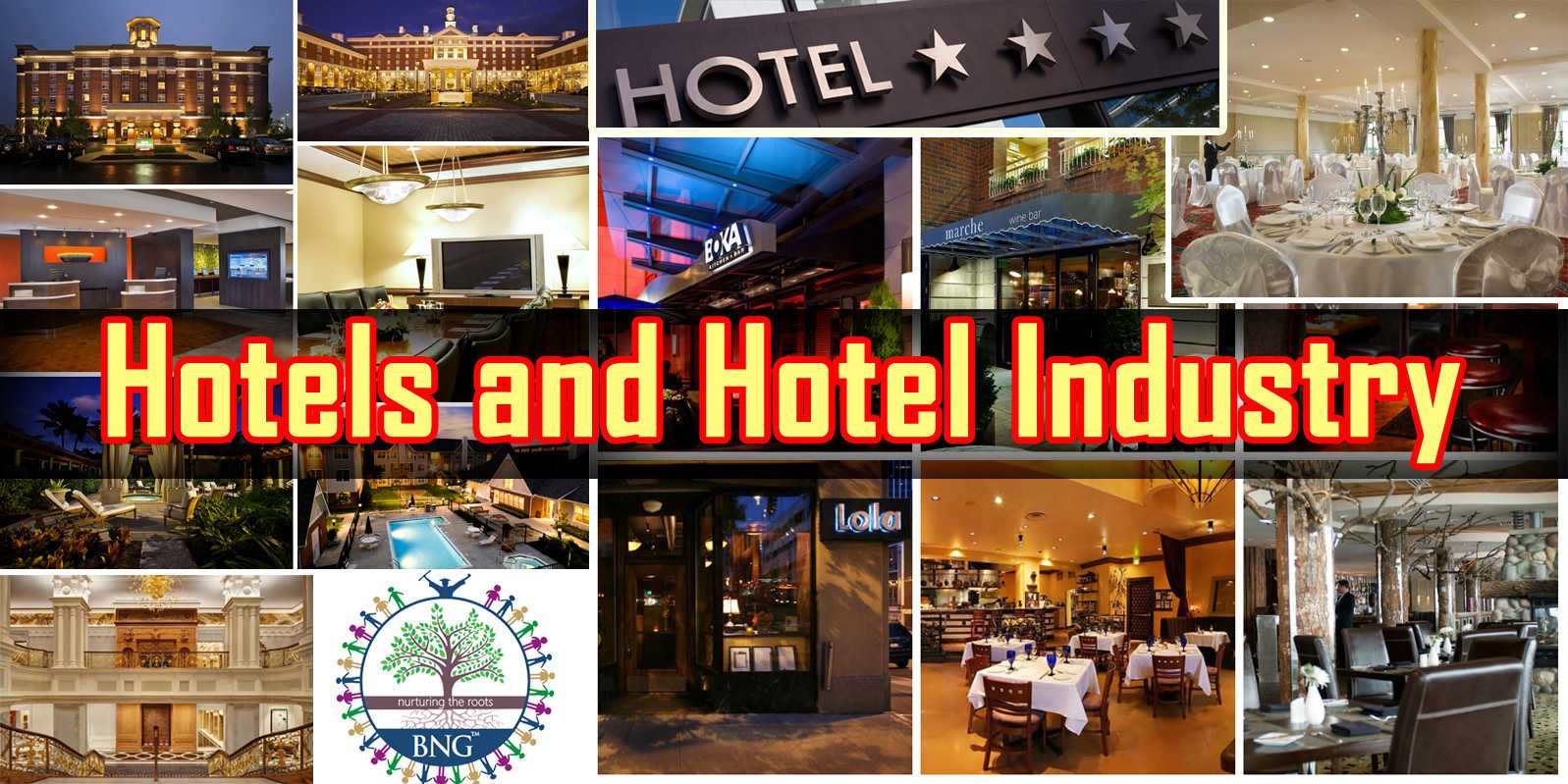
The hotel industry stands as a cornerstone of the global hospitality sector, an intricate and dynamic ecosystem that provides lodging, services, and experiences to travelers across the world. More than just a collection of buildings offering rooms, it encompasses a vast array of businesses ranging from intimate bed and breakfasts to expansive luxury resorts, all dedicated to accommodating guests, fulfilling their needs, and enriching their journeys. At its core, the hotel industry is about providing temporary accommodation, but its reach extends far beyond that basic function, deeply intertwining with tourism, travel, accommodation, landmarks, and lifestyle, making it a pivotal driver of economic growth and cultural exchange.
Defining the Heart of Hospitality
To truly understand “what is hotel industry,” one must first appreciate its multifaceted nature. It’s an industry built on service, comfort, and the promise of a memorable stay, catering to a diverse clientele including leisure travelers, business professionals, and those seeking extended stays or unique experiences.
A Multifaceted Ecosystem
The hotel industry is not monolithic; rather, it’s a vibrant tapestry woven from various segments. It includes everything from budget-friendly motels providing essential amenities to ultra-luxury boutique hotels offering bespoke services. This vast ecosystem involves numerous stakeholders: property owners, management companies, hotel chains, independent operators, and an extensive network of suppliers and service providers. Each plays a crucial role in delivering the guest experience, from sourcing linens and managing complex booking systems to preparing gourmet meals and providing concierge services. The industry constantly evolves, adapting to global trends, technological advancements, and shifting consumer demands, making innovation a constant pursuit.
Consider the intricate operations within a single hotel property. It involves front-desk operations, housekeeping, food and beverage services, maintenance, sales and marketing, human resources, and financial management. Larger establishments, such as the Grand Hyatt Hotel in New York City, might even feature conference facilities, spas, multiple dining venues, and sophisticated event planning departments, each requiring specialized expertise. This operational complexity underscores the industry’s significant contribution to employment and skill development across various disciplines.
Historical Roots and Evolution
The concept of providing lodging for travelers is as old as travel itself. Ancient civilizations offered hospices and inns along trade routes, recognizing the fundamental human need for rest and shelter during journeys. In ancient Rome, “mansiones” served as stopping points for official travelers. The medieval era saw the rise of monasteries and coaching inns, particularly in Europe, which often provided food, drink, and stabling for horses alongside rooms for pilgrims and merchants. These early establishments laid the groundwork for modern hospitality.
The industrial revolution in the 18th and 19th centuries marked a significant turning point. Increased mobility and the advent of railways spurred the development of more sophisticated hotels. Grand hotels emerged in major cities like London and Paris, catering to the affluent and symbolizing status and luxury. Hotels like The Savoy in London or The Ritz Paris became destinations in themselves, showcasing architectural grandeur and unparalleled service. The 20th century witnessed further democratization of travel and the rise of car ownership, leading to the proliferation of motels along highways in the United States and the birth of standardized hotel chains like Hilton Worldwide and Marriott International. This evolution reflects humanity’s continuous quest for comfort and convenience while traveling, adapting to technological advancements and societal shifts.
Diverse Facets of the Hotel Landscape
The vastness of the hotel industry can be best understood by examining its various accommodation types, the services they offer, and their indispensable link to the broader tourism and travel sectors.
Types of Hotels and Accommodation
The term “hotel” itself is a broad category, encompassing numerous types of accommodation, each designed to meet specific traveler needs and preferences.
- Hotels: The traditional full-service establishments, offering private rooms, en-suite bathrooms, and a range of amenities like restaurants, bars, fitness centers, and meeting rooms. They vary greatly in star rating and price point.
- Resorts: Often located in scenic destinations like Maui or the Maldives, resorts typically offer an extensive array of facilities and activities on-site, aiming to provide a comprehensive vacation experience. Examples include spa resorts, golf resorts, ski resorts, and all-inclusive resorts like the Four Seasons Resort Maui at Wailea.
- Motels: Shorter for “motor hotels,” these are designed for motorists, typically located near highways with direct room access from parking lots. They usually offer basic amenities and focus on convenience for travelers on road trips.
- Boutique Hotels: Characterized by their unique design, personalized service, and distinct character, often reflecting the local culture or a specific theme. They usually have fewer rooms and offer a more intimate atmosphere. The Peninsula hotels are known for their luxurious boutique experiences in major cities worldwide.
- Extended Stay Hotels/Apartment Hotels: Cater to guests requiring longer stays, often equipped with kitchenettes and living areas, providing a home-like environment. They are popular among business travelers and families.
- Hostels: Budget-friendly accommodation, primarily popular with backpackers and young travelers, offering dormitory-style rooms and communal facilities.
- Bed & Breakfasts (B&Bs): Smaller, often family-run establishments offering overnight accommodation and breakfast, typically in a more intimate, residential setting.
- Villas and Vacation Rentals: Private properties, ranging from luxurious villas in Tuscany to charming cottages, rented out for short-term stays. While not traditional hotels, they are a significant part of the accommodation sector, especially with the rise of platforms like Airbnb.
This diversity ensures that whether a traveler is seeking a lavish stay in Dubai at the Burj Al Arab Jumeirah, a cultural immersion in a ryokan in Kyoto, or a simple room for the night, the hotel industry has an option to fit their needs.
Key Services and Amenities
Beyond a bed, hotels differentiate themselves through the range and quality of their services and amenities. These can significantly impact a guest’s overall experience and play a crucial role in attracting specific market segments. Common amenities include:
- Dining Options: From casual cafes and room service to fine-dining restaurants and sophisticated bars.
- Recreational Facilities: Swimming pools, fitness centers, spas, golf courses, tennis courts, and kids’ clubs.
- Business Services: Conference rooms, meeting facilities, business centers, and high-speed Wi-Fi.
- Concierge Services: Assistance with bookings, local recommendations, transportation, and special requests.
- Transportation: Airport shuttles, valet parking, and car rental services.
- Personalized Touches: Welcome amenities, turndown service, and bespoke experiences, especially prevalent in luxury segments.
These services enhance the overall value proposition and contribute to the “lifestyle” aspect of travel, allowing guests to enjoy luxury, budget-friendly options, or family-friendly environments.
The Interplay with Tourism and Travel
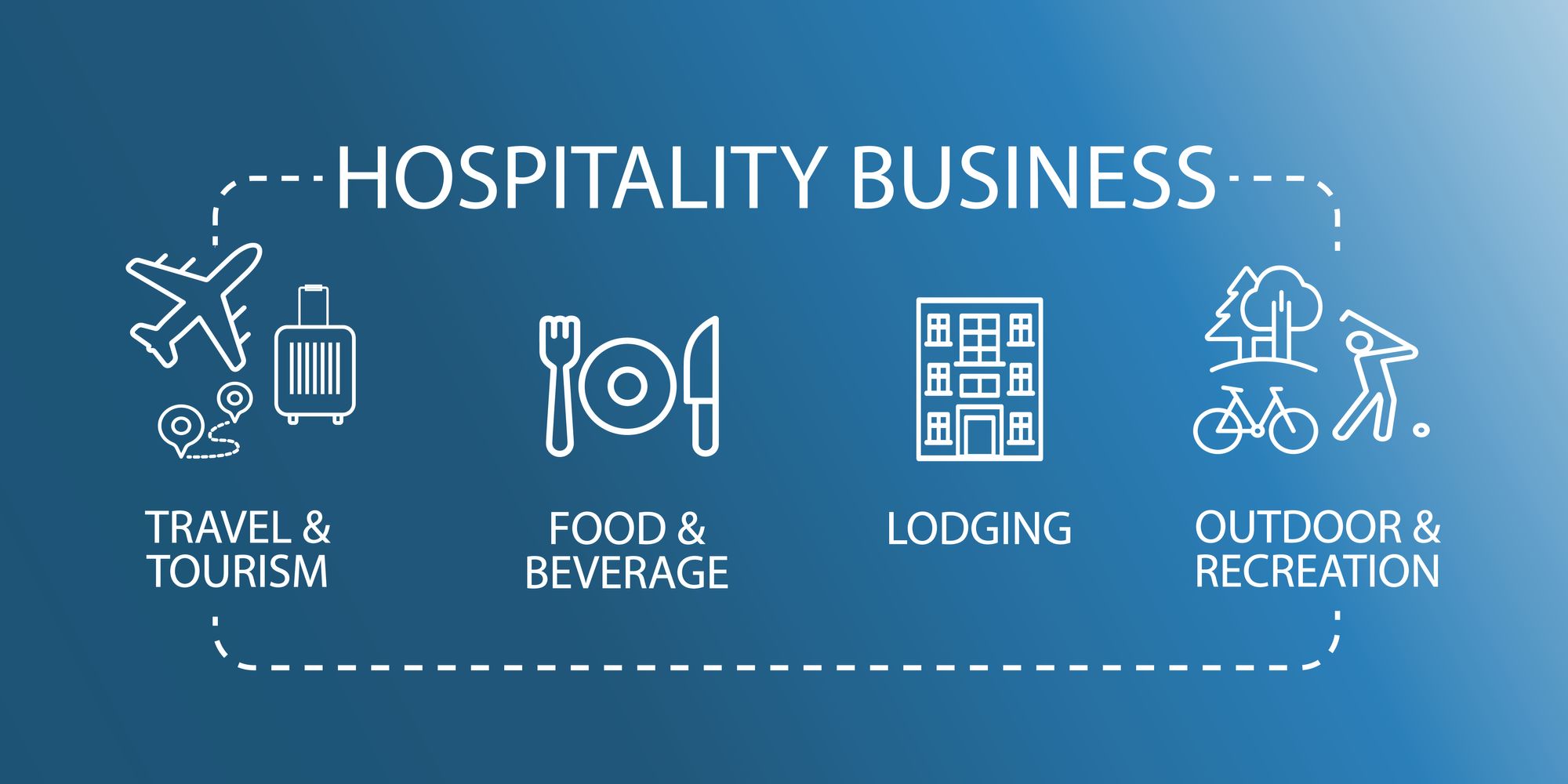
The hotel industry is inextricably linked with tourism and travel. Hotels are often the primary point of contact for tourists in a new destination. They provide the base from which travelers explore local culture, visit landmarks, and engage in various activities. Major tourist destinations like Rome, with its iconic Colosseum, or Paris, home to the Eiffel Tower and the Louvre Museum, thrive because of robust hotel infrastructure that can accommodate millions of visitors annually.
Hotels are not merely passive recipients of tourism; they actively shape the tourism experience. Through partnerships with local tour operators, attractions, and cultural institutions, hotels can offer curated experiences, guiding guests to discover hidden gems and immerse themselves in the local food scene or historical narratives. They facilitate “experiences” by offering packages that include guided tours to the Great Wall of China from Beijing or adventure excursions near Machu Picchu in Peru. This symbiotic relationship underscores the importance of the hotel industry in supporting and enhancing the broader travel economy.
The Economic and Cultural Impact
Beyond providing rooms, the hotel industry has profound economic and cultural ramifications, driving job creation, contributing significantly to national GDPs, and fostering cross-cultural understanding.
Driving Global Economies
The economic footprint of the hotel industry is immense. It generates billions in revenue annually, directly through room sales and auxiliary services, and indirectly through its vast supply chain. Hotels purchase goods and services from local businesses, ranging from food suppliers and laundry services to construction companies and technology providers. This creates a powerful multiplier effect throughout the economy.
Furthermore, the industry is a massive employer, providing millions of jobs worldwide, from entry-level positions to highly specialized management roles. In many developing countries, tourism and hotels are vital sources of foreign exchange and a pathway to economic development, as seen in nations like Thailand or Egypt. The construction and maintenance of hotel properties also stimulate significant investment in infrastructure and real estate. The taxes generated from hotel operations and guest spending further contribute to government coffers, funding public services and infrastructure projects. The resilience and adaptability of the industry, even in the face of global challenges, highlight its critical role in sustaining and growing economies worldwide.
Shaping Lifestyle and Experiences
The hotel industry plays a significant role in shaping lifestyles and travel experiences. For many, travel is an integral part of their lifestyle, whether it’s luxury travel to five-star resorts, budget travel for adventurers, family trips designed for all ages, or business stays requiring efficiency and connectivity. Hotels cater to these diverse “lifestyles” by offering tailored services and environments.
- Luxury Travel: High-end hotels like The St. Regis or Four Seasons Hotels and Resorts provide unparalleled comfort, personalized service, and exclusive amenities, defining a lifestyle of indulgence and sophistication.
- Budget Travel: Hostels, economy hotels, and guesthouses make travel accessible to a broader demographic, allowing individuals to explore the world without breaking the bank, fostering a more adventurous and community-oriented travel lifestyle.
- Family Trips: Hotels with kids’ clubs, family suites, and recreational programs cater specifically to families, ensuring a comfortable and entertaining stay for all ages.
- Business Stays: Business hotels located in commercial hubs like Frankfurt or Tokyo offer robust Wi-Fi, meeting rooms, and executive lounges, facilitating productive work trips and supporting the global business lifestyle.
Hotels often serve as cultural ambassadors, introducing guests to local customs, cuisine, and art, thereby enriching their understanding of different societies. They contribute to the stories and memories travelers take home, becoming an integral part of their travel narrative.
Navigating the Modern Hotel Industry
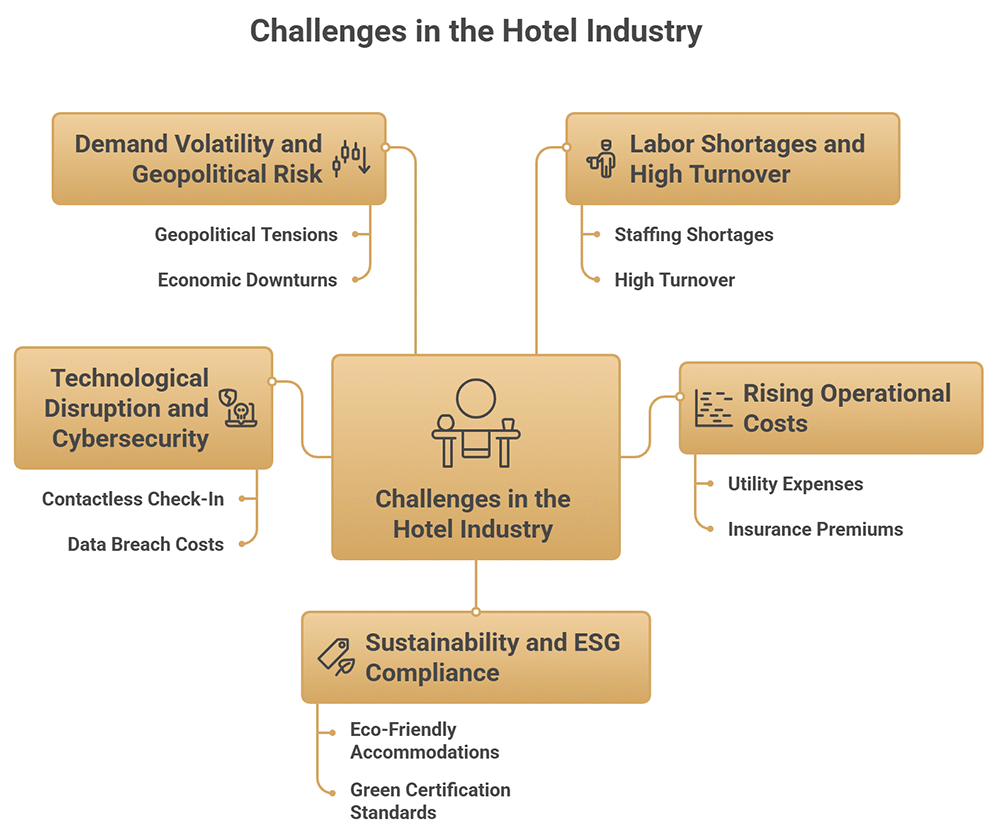
The modern hotel industry is constantly evolving, driven by technological advancements, changing guest expectations, and a growing emphasis on sustainability.
Technology and Innovation
Technology has revolutionized nearly every aspect of the hotel industry, from booking and check-in to in-room experiences and operational efficiency. Online Travel Agencies (OTAs) like Booking.com and Expedia have transformed how guests discover and book accommodation, making global inventories accessible at their fingertips. Hotel websites offer direct booking incentives and detailed information, including virtual tours of rooms and amenities.
Within the hotel, smart room technologies allow guests to control lighting, temperature, and entertainment systems with a touch or voice command. Mobile check-in and keyless entry via smartphone apps enhance convenience and streamline the guest journey. Artificial intelligence (AI) and machine learning are being used for personalized guest recommendations, dynamic pricing, and predictive maintenance. Data analytics helps hotels understand guest preferences, optimize operations, and tailor marketing efforts. The rise of review platforms also plays a critical role, as guests rely heavily on peer reviews for booking decisions, making online reputation management a vital component of hotel marketing. These innovations not only improve guest satisfaction but also drive operational efficiencies and cost savings for hoteliers.
Future Trends and Sustainability
The hotel industry is continually adapting to emerging trends, with sustainability and responsible tourism becoming increasingly paramount. Travelers are more conscious of their environmental and social impact, prompting hotels to adopt eco-friendly practices. This includes reducing plastic waste, conserving water and energy, sourcing local and sustainable food, and supporting community initiatives. Certifications like LEED (Leadership in Energy and Environmental Design) for green buildings are becoming sought after.
Other significant trends include:
- Experiential Travel: Guests seek authentic, immersive experiences over generic stays, leading hotels to offer local cooking classes, cultural workshops, or adventure excursions.
- Health and Wellness: A growing demand for wellness amenities such as yoga studios, organic dining options, and spa treatments.
- Hyper-Personalization: Leveraging data and AI to offer highly tailored services and recommendations, anticipating guest needs before they even arise.
- Hybrid Spaces: Hotels are evolving into versatile spaces that blend co-working areas, social hubs, and traditional guest rooms, catering to digital nomads and locals alike.
- Flexibility and Customization: Offering flexible booking options, customizable packages, and adaptable room configurations to meet individual preferences.
The ongoing focus on these areas ensures that the hotel industry remains resilient, relevant, and continues to provide exceptional experiences for the global traveler, solidifying its place as a dynamic and indispensable sector of the worldwide economy. From offering a place to sleep to facilitating cultural exchange and driving economic development, the hotel industry is a testament to human ingenuity in meeting the enduring need for hospitality.
LifeOutOfTheBox is a participant in the Amazon Services LLC Associates Program, an affiliate advertising program designed to provide a means for sites to earn advertising fees by advertising and linking to Amazon.com. Amazon, the Amazon logo, AmazonSupply, and the AmazonSupply logo are trademarks of Amazon.com, Inc. or its affiliates. As an Amazon Associate we earn affiliate commissions from qualifying purchases.