
Florida, a state synonymous with sunshine, beaches, and vibrant attractions, also experiences a distinct natural phenomenon: hurricane season. Understanding when this period occurs, its potential impacts, and how to prepare is crucial for anyone planning a visit or residing in the Sunshine State. This guide delves into the specifics of Florida’s hurricane season, offering insights for travelers and locals alike to navigate this annually occurring weather pattern safely and with minimal disruption.
Understanding the Atlantic Hurricane Season
The Atlantic hurricane season officially runs from June 1 to November 30 each year. This six-month period is when the atmospheric and oceanic conditions are most conducive to the formation and intensification of tropical storms and hurricanes. While the season encompasses the entire Atlantic basin, including the Gulf of Mexico and the Caribbean Sea, Florida is particularly susceptible due to its extensive coastline and southerly latitude.
The Peak Months
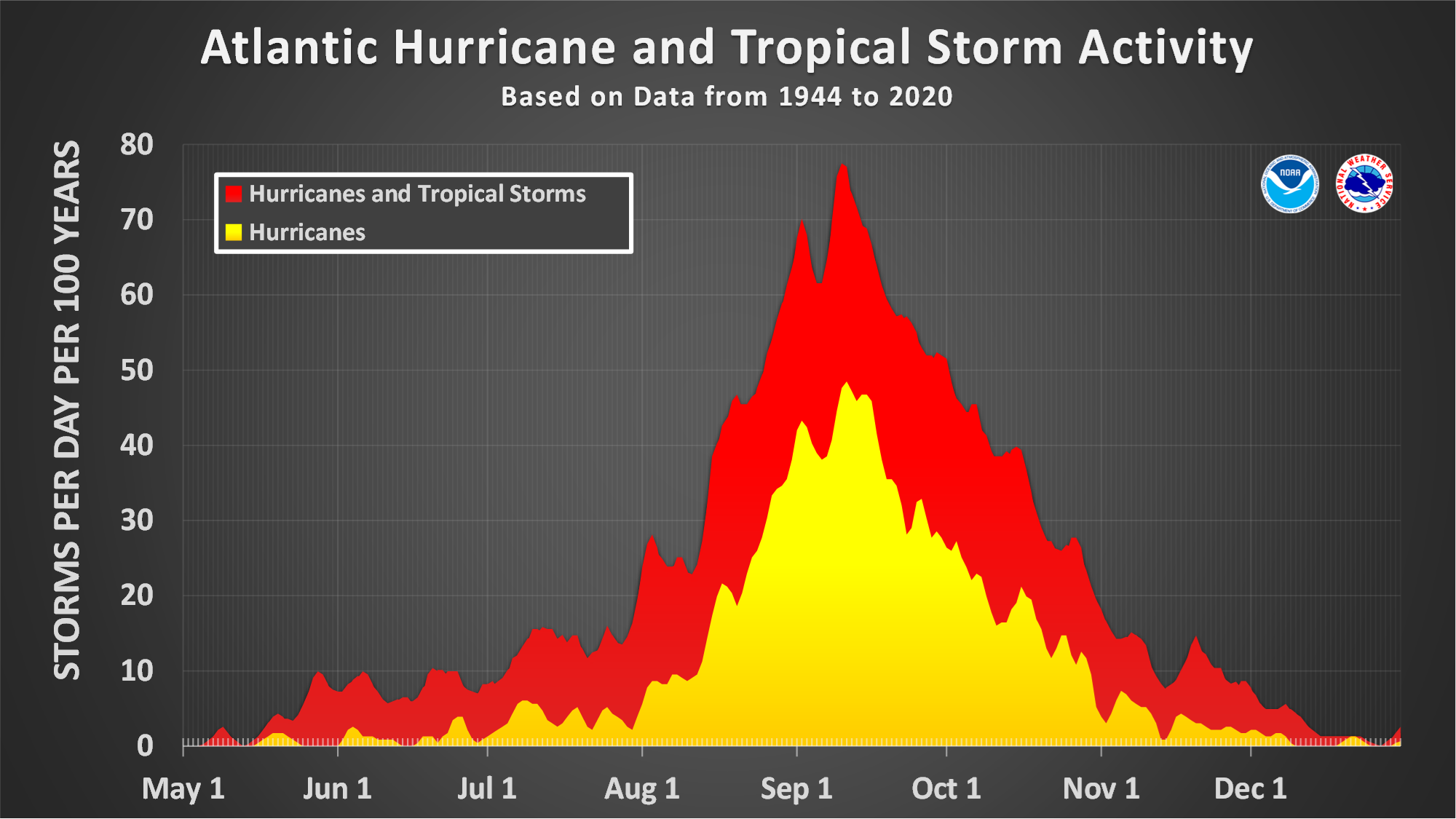
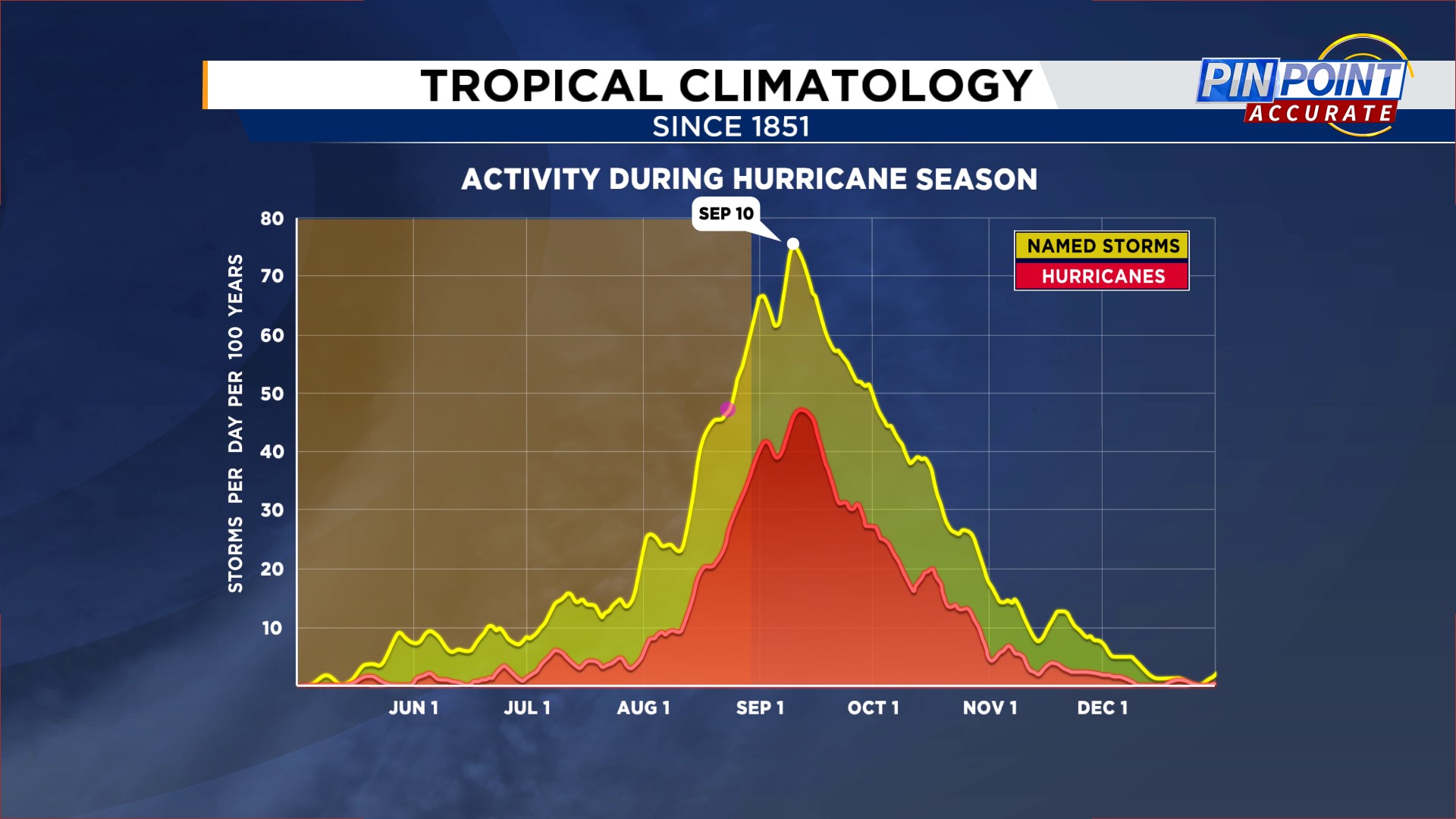
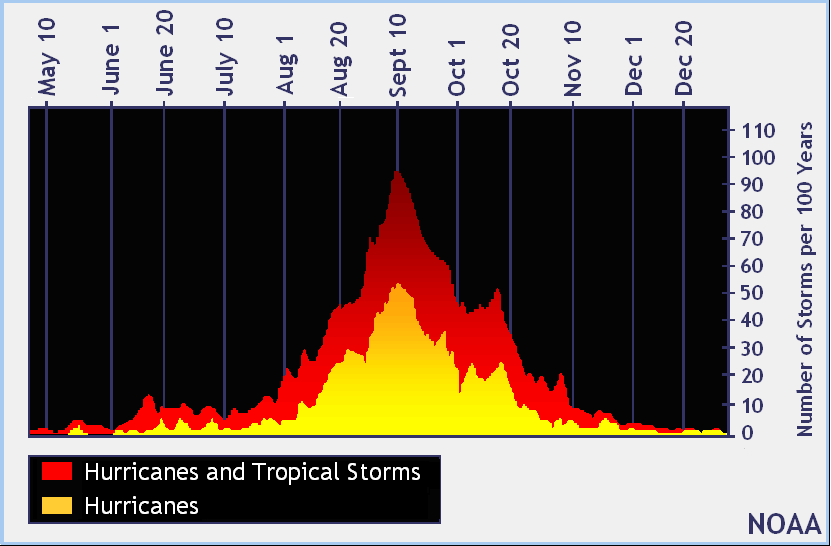
While the season spans six months, the most active period for hurricanes typically occurs from mid-August through October. During these months, sea surface temperatures are at their warmest, and atmospheric patterns often align to foster storm development. This is when the potential for significant weather events impacting Florida is highest.
Factors Influencing Storm Activity
Several meteorological and oceanographic factors contribute to the intensity and frequency of hurricanes:
- Sea Surface Temperatures (SSTs): Warm ocean waters are the primary fuel for hurricanes. When SSTs in the tropical Atlantic and Caribbean Sea are higher than average, it can lead to a more active hurricane season.
- The El Niño-Southern Oscillation (ENSO): The ENSO cycle, specifically La Niña conditions, often correlates with increased Atlantic hurricane activity. La Niña typically leads to reduced wind shear in the tropical Atlantic, allowing storms to form and strengthen more easily.
- Atmospheric Conditions: Factors like the presence of the Saharan Air Layer (SAL), which can suppress storm formation, and the strength of the African Easterly Waves, which can seed tropical systems, play a significant role.
Preparing for Florida’s Hurricane Season
Preparation is key to mitigating the risks associated with hurricane season. Whether you are a tourist with reservations or a resident, understanding the threat and taking proactive steps can make a significant difference.
For Travelers
If you are planning a trip to Florida during hurricane season, especially between mid-August and October, it is wise to be informed and flexible.
Travel Insurance
Investing in comprehensive travel insurance is highly recommended. Ensure your policy covers cancellations or interruptions due to weather events. This can reimburse you for non-refundable expenses like flights, accommodation at places like the Walt Disney World Resort or Universal Orlando Resort, and pre-booked tours.
Monitoring Weather Forecasts
Stay updated on weather forecasts from reliable sources such as the National Hurricane Center (NHC) and local news outlets. Many airlines and hotel chains provide alerts regarding potential travel disruptions.
Flexibility in Travel Plans
Be prepared to adjust your itinerary. This might mean delaying your departure, altering your destination within Florida to avoid a storm’s predicted path, or even postponing your entire trip if a significant storm is developing. Resorts and attractions often have flexible rebooking policies during severe weather threats.
Accommodation Considerations
When booking accommodation, particularly in coastal areas or islands like the Florida Keys, inquire about the property’s hurricane preparedness plan. Some hotels may offer hurricane guarantees, allowing for fee-free cancellations or rebookings if a storm impacts your travel dates. Consider accommodations that are not in evacuation zones or are known for their robust storm shelters.
For Residents and Long-Term Visitors
For those living in Florida, hurricane preparedness is a year-round concern, but awareness intensifies during the season.
Developing a Hurricane Plan
A comprehensive hurricane plan is essential. This should include:
- Evacuation Routes: Know your evacuation zone and plan your routes to safety, whether it’s to an inland shelter, a friend’s house outside a potential impact zone, or a designated public shelter.
- Emergency Kit: Assemble a disaster supply kit with at least 72 hours of non-perishable food, water, medications, first-aid supplies, flashlights, batteries, a portable radio, and sanitation items.
- Securing Your Home: Identify ways to secure your home, such as installing storm shutters, trimming trees, and securing outdoor furniture.
- Important Documents: Secure important documents like insurance policies, identification, and financial records in a waterproof and fireproof container or a secure cloud storage service.
- Communication Plan: Establish a plan for how you will communicate with family members if phone lines are down.
Staying Informed
Regularly check Florida’s emergency management websites and local government advisories for the latest information on storm watches, warnings, and evacuation orders. The Florida Division of Emergency Management is a valuable resource.
Insurance Review
Review your homeowner’s or renter’s insurance policies to ensure adequate coverage for wind damage and flood damage. Flood insurance is typically a separate policy and is crucial for properties in flood-prone areas, even those not directly on the coast.
The Impact of Hurricanes on Florida Tourism
Florida’s tourism industry, a cornerstone of its economy, is significantly influenced by hurricane season. While the state is equipped to handle the challenges, severe storms can lead to temporary closures of attractions, disruptions in transportation, and a decline in visitor numbers.
Attraction Closures and Cancellations
Theme parks like SeaWorld Orlando and Busch Gardens Tampa Bay, major sports venues, and smaller attractions often close their doors temporarily when a hurricane poses a direct threat. Hotels in affected areas may also be closed for safety or to accommodate emergency personnel. This can lead to the cancellation of events, festivals, and tours planned during these periods.
Economic Repercussions
The economic impact of hurricanes on Florida can be substantial. Beyond the direct costs of damage and recovery, the tourism sector experiences lost revenue from canceled bookings and reduced visitor traffic in the aftermath of a storm, even in areas not directly hit but perceived as risky.
Recovery and Resilience
Despite the challenges, Florida has a well-established track record of rapid recovery. Businesses and infrastructure are designed with resilience in mind, and recovery efforts are often swift, allowing the state to welcome visitors back as soon as it is safe to do so. Many destinations are quick to rebound, and the allure of Florida remains strong for travelers year-round.
Navigating Florida’s Tourist Hotspots During Hurricane Season
Many visitors still choose to visit Florida during hurricane season, often finding fewer crowds and potentially better deals on accommodations and flights. Smart planning can ensure a rewarding experience.
Choosing Your Destination Wisely
While no part of Florida is entirely immune, some areas might be statistically less prone to direct hits or have more robust infrastructure for handling storms. However, it’s always best to monitor forecasts regardless of your chosen destination. For instance, cities like Miami and Orlando have extensive tourism infrastructure that is designed to manage disruptions effectively.
Timing Your Visit
If you are set on visiting during hurricane season, consider the shoulder months of June, early July, or late November, which often see less activity than the peak season. However, it is crucial to remember that hurricanes can and do occur outside the peak months.
Embracing Indoor Attractions
Should inclement weather arise, Florida offers numerous indoor attractions. World-class museums in cities like St. Petersburg (home to the Dalí Museum), expansive shopping malls, aquariums such as the Georgia Aquarium (though in Atlanta, it’s a popular day trip for some Floridians), and indoor entertainment complexes can provide excellent alternatives to outdoor activities.
Staying Connected and Informed
Ensure your mobile devices are fully charged, and consider purchasing a portable power bank. Many hotels offer Wi-Fi, which can be essential for staying updated on weather information and communicating with loved ones. Familiarize yourself with local emergency alert systems.
Conclusion: Preparedness and Opportunity
Florida’s hurricane season, from June 1 to November 30, is a predictable part of the state’s climate. While it presents potential challenges for travelers and residents, understanding the season, its potential impacts, and the importance of preparedness can transform potential disruption into a manageable experience. For visitors, this means flexible planning, robust insurance, and staying informed. For residents, it emphasizes the need for a comprehensive hurricane plan and consistent vigilance. By acknowledging hurricane season and implementing appropriate safety measures, one can continue to enjoy the diverse offerings of the Sunshine State, from its world-renowned theme parks to its pristine beaches and vibrant cultural scene, with confidence and security. The peak months of August, September, and October warrant the most attention, but preparedness throughout the entire season is the most effective strategy.
LifeOutOfTheBox is a participant in the Amazon Services LLC Associates Program, an affiliate advertising program designed to provide a means for sites to earn advertising fees by advertising and linking to Amazon.com. Amazon, the Amazon logo, AmazonSupply, and the AmazonSupply logo are trademarks of Amazon.com, Inc. or its affiliates. As an Amazon Associate we earn affiliate commissions from qualifying purchases.