
When planning a trip to the scenic landscapes of Idaho, savvy travelers often focus on booking accommodations, scouting Sun Valley ski resorts, or mapping out hiking trails in the Sawtooth National Forest. However, understanding the financial nuances of your destination is equally essential for a stress-free experience. Like many states in the United States, this region utilizes a consumption-based tax system that applies to various services and goods, which directly impacts the budget for your local adventures.
Understanding the Basics of Idaho Sales Tax
At its core, the sales tax in this state is a privilege tax imposed on the sale, rental, or lease of tangible personal property and certain services. For the average traveler, this means that most retail purchases—from a quick coffee in Boise to high-end gear rentals—will be subject to this levy.
The Statewide Rate
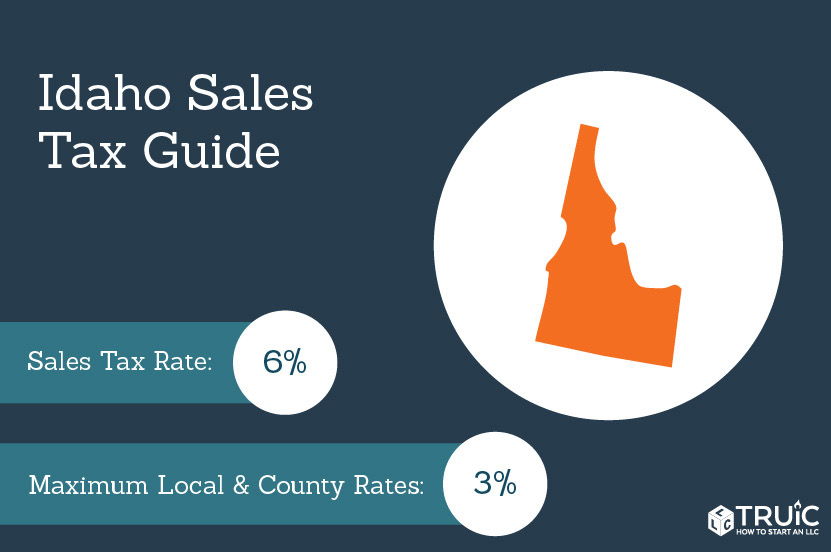
The base sales tax rate for the entire state is currently set at 6%. This rate is applied uniformly across all counties and cities, providing a predictable baseline for budgeting your trip expenses. Whether you are staying in the vibrant downtown of Coeur dAlene or exploring the historic mining towns near Idaho City, the base tax remains consistent.
Local Option Taxes
While the state rate is fixed, it is crucial to remain aware of the “Local Option Tax.” Many municipalities, particularly those that thrive on tourism, elect to charge an additional local sales tax. These funds are typically earmarked for infrastructure improvements, tourism promotion, or public safety services that benefit visitors and residents alike. In popular destinations like Ketchum or Stanley, you may find that your total tax burden at checkout is slightly higher than the state baseline. These local additions are legal, transparent, and usually clearly itemized on your final receipt.
How Sales Tax Impacts Your Travel Budget
For the leisure traveler, the impact of these taxes is most frequently felt in the hospitality and retail sectors. Because Idaho relies heavily on the tourism economy, these taxes play a significant role in maintaining the high quality of facilities that visitors enjoy.
Accommodations and Lodging
If you are booking a stay at an upscale property like the The Grove Hotel, you will notice that the total cost includes more than just the nightly room rate. Sales tax, along with lodging-specific taxes, is added to the final invoice. It is standard practice in the industry, and it is a factor that should be included in your initial trip calculations. Always check the fine print on booking platforms, as they often display the “estimated taxes and fees” before you commit to a reservation.
Dining and Entertainment
When you sit down for a meal at a local eatery in Twin Falls or grab a souvenir from a boutique near the Shoshone Falls, sales tax is applied to the final bill. This applies to food prepared for immediate consumption. It is worth noting that while some grocery items may be exempt under specific conditions, most restaurant dining experiences will trigger the standard tax rate plus any local options.
Rental Services
Travelers often find themselves renting equipment, such as kayaks for a day on the Snake River or bikes for a tour of Idaho Falls. Rentals of tangible personal property are subject to the same tax laws as retail sales. When you see a rental price listed online, assume that sales tax will be calculated on top of that amount at the point of payment.
Navigating Exemptions and Exceptions
Are there ways to avoid these costs? Generally, sales tax in Idaho is comprehensive. Unlike some states that offer “tax-free” shopping weekends or specific exemptions for out-of-state visitors, this state does not provide a sales tax refund for tourists.
Digital Goods and Services
With the rise of the digital economy, the state has updated its regulations to cover certain digital services and products. If you are purchasing digital entertainment or subscriptions while traveling through Pocatello, these may also be subject to tax, depending on the nature of the service.
Understanding Tax-Exempt Entities
It is important to clarify that tax exemptions are typically reserved for specific organizations—such as federal, state, or local government agencies, or certain non-profit entities with valid documentation. As a casual visitor or family traveler, you will be expected to pay the full rate on all taxable transactions.
Practical Tips for the Savvy Traveler
To keep your travel finances organized while visiting the gems of the Pacific Northwest, consider the following tips regarding taxes and budgeting:
- Factor in the Buffer: When creating your vacation budget, add a 7% to 10% buffer to your estimated costs. This accounts for the state’s 6% sales tax plus the potential for a few percentage points of local option tax in popular areas like McCall.
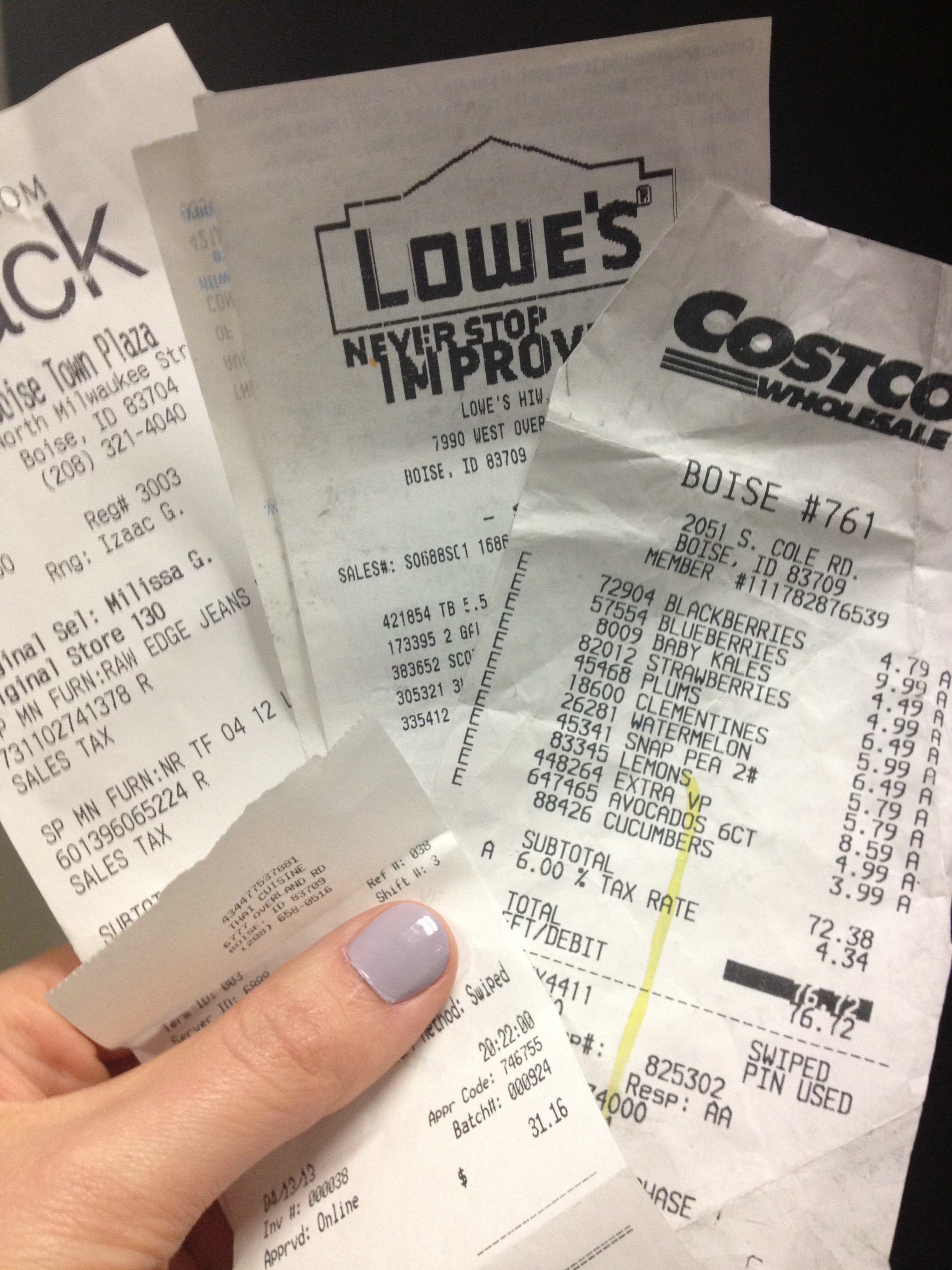
- Check the Receipt: Always take a brief moment to review your receipts at restaurants and retail shops. If you see an unusually high tax rate, feel free to ask the merchant if there is a local option tax applied. This is a common and reasonable question, especially in resort towns where local taxes are frequently adjusted.
- Prioritize Value: Since taxes are unavoidable, focus your budget on the experiences that offer the best value. Whether you are trekking near Craters of the Moon National Monument and Preserve or enjoying the amenities of a luxury apartment in Sandpoint, knowing that a small portion of your spending contributes to the upkeep of these magnificent locations can make the expense feel like an investment in the destination’s future.
- Pre-Payment Benefits: Some pre-paid tour packages or hotel stays may allow you to lock in pricing that includes all taxes upfront. By paying for your big-ticket items in advance, you avoid surprises and can better manage your day-to-day spending on food and incidentals.
Ultimately, Idaho remains a highly attractive destination for travelers seeking both adventure and tranquility. By understanding how the sales tax works, you empower yourself to plan a more accurate budget, allowing you to spend less time worrying about finances and more time enjoying the breathtaking views of the Rocky Mountains. Whether you are visiting for the world-class skiing, the expansive wilderness, or the charming local culture, being informed ensures that your trip remains as seamless and enjoyable as possible.
LifeOutOfTheBox is a participant in the Amazon Services LLC Associates Program, an affiliate advertising program designed to provide a means for sites to earn advertising fees by advertising and linking to Amazon.com. Amazon, the Amazon logo, AmazonSupply, and the AmazonSupply logo are trademarks of Amazon.com, Inc. or its affiliates. As an Amazon Associate we earn affiliate commissions from qualifying purchases.