
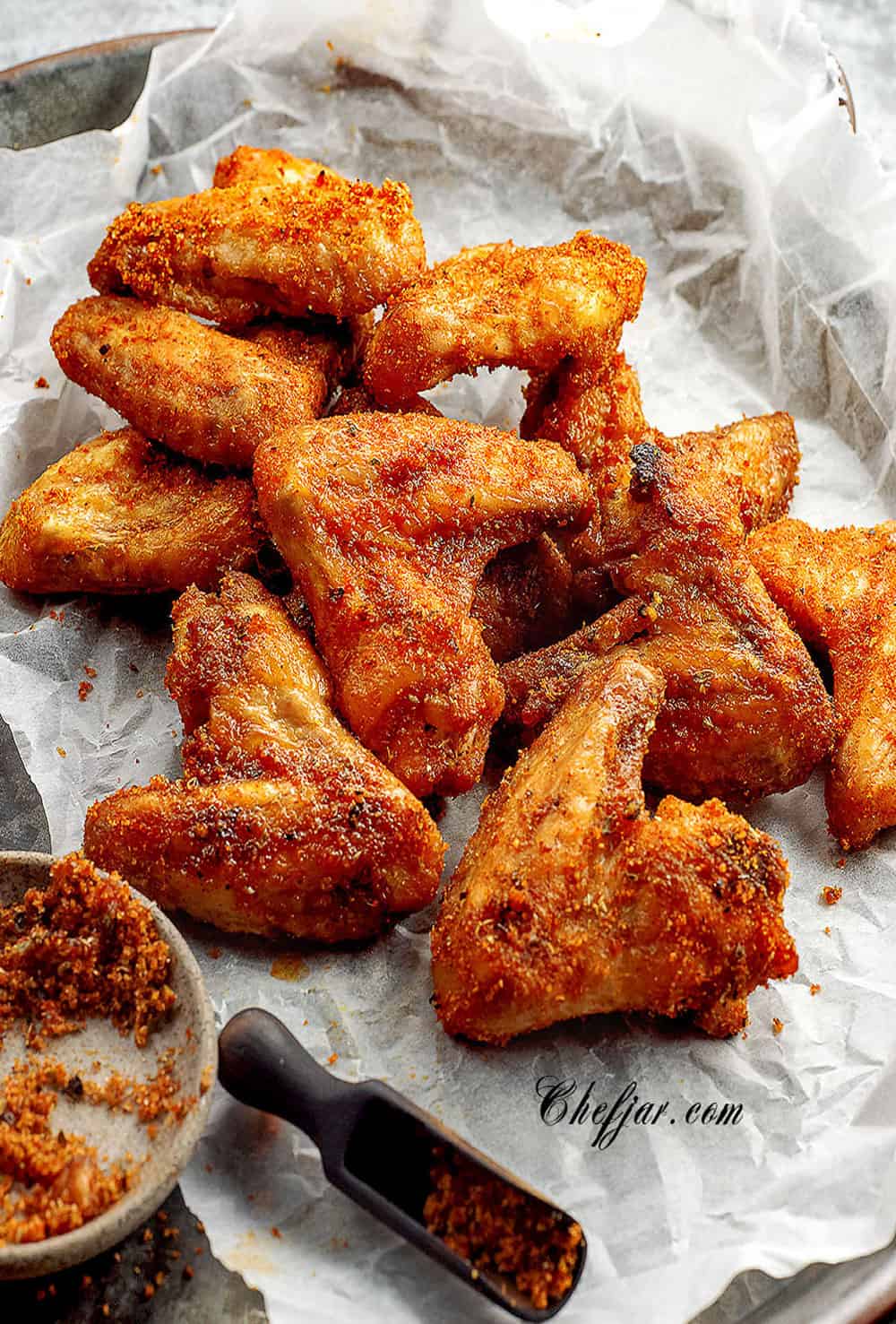
The culinary landscape of the United States is defined by its regional diversity, but few flavors have captured the national imagination quite like the spice profiles originating from Louisiana. When one bites into a wing coated in the signature dry seasoning from Wingstop, they are experiencing a carefully engineered balance of heat, earthiness, and acidity. While the company maintains strict proprietary control over its exact recipe, the flavor profile of the Louisiana Rub is a masterclass in Cajun-inspired seasoning, relying on a specific set of pantry staples that define the soul of the Deep South.
The Foundation of Cajun Flavor Profiles
To understand the Louisiana Rub, one must first look at the culinary traditions of New Orleans and the surrounding bayous. The essence of this region is built upon the “Holy Trinity”—onions, bell peppers, and celery—but when translated into a dry rub for poultry, the focus shifts toward aggressive, aromatic spices that can withstand high-heat frying.
The Role of Garlic and Onion
At the heart of any successful dry rub lies a base of dehydrated garlic and onion powder. In the Wingstop formulation, these are not merely fillers; they provide the savory “umami” backbone that coats the chicken skin. Unlike fresh aromatics, which would burn during the frying process, the powdered versions caramelize slightly, creating a savory crust that adheres perfectly to the buttery skin of the wings. This base ensures that the more volatile spices have a foundation to cling to, preventing the seasoning from sliding off when the wing is served.
Balancing Heat and Smoke
The “Louisiana” moniker inherently promises a level of piquancy. Unlike a Buffalo sauce, which relies on a vinegar-based cayenne hot sauce, the Louisiana Rub utilizes ground dried chilies. The heat profile is multifaceted, often blending smoked paprika with cayenne pepper. Smoked paprika, specifically, is the secret weapon that bridges the gap between traditional Southern barbecue and coastal Cajun cooking. It provides a deep, ruddy color and a lingering smokiness that suggests the wings were cooked over an open fire, even though they are prepared in a commercial kitchen environment.
Decoding the Secret Ingredients
While the exact ratios remain a corporate secret, food scientists and home chefs have spent years reverse-engineering the Louisiana Rub. The complexity of the seasoning comes from the interplay of four primary categories of ingredients: aromatics, heat agents, dried herbs, and acidity regulators.
The Essential Spice Blend
If you were to recreate the profile in your own kitchen, you would find that the following components are non-negotiable:

- Cayenne Pepper: The primary source of the “kick.” It is sharp and immediate, hitting the front of the palate quickly before fading.
- Black Pepper: Unlike the cayenne, black pepper provides a woody, floral heat that lingers at the back of the throat. It is essential for providing depth.
- Dried Oregano and Thyme: These Mediterranean herbs are staples in Cajun cooking, brought to the region via French and Spanish influences. They provide a necessary herbaceous lift that cuts through the richness of the deep-fried chicken fat.
- Salt: Perhaps the most important ingredient, salt serves as the flavor enhancer that makes the other spices pop. In a dry rub, the salt must be fine enough to distribute evenly, ensuring that every bite has a consistent level of seasoning.
The Mystery of the Acid Component
One of the most intriguing aspects of the Louisiana Rub is the slight acidic tang that lingers on the tongue. In many powdered seasonings, this is achieved through the use of dehydrated vinegar or citric acid. By adding a small amount of acidic powder, the rub mimics the sensation of a wet sauce. This is a brilliant culinary hack; it allows the wings to retain the crunch of a dry-fried skin while providing the mouth-watering sensation typically associated with saucy wings.
Culinary Significance in Modern Travel
For travelers trekking through the South, food is more than just sustenance; it is a primary attraction. Whether you are exploring the culinary streets of Dallas—where the Wingstop brand was founded—or visiting traditional smokehouses in Lafayette, dry rubs represent a portable history of the region.
The Evolution of Wing Culture
The popularity of the Louisiana Rub signifies a shift in how travelers and locals consume convenience food. There is a growing appreciation for the “dry-style” wing, which prioritizes texture. By utilizing a dry rub instead of a wet sauce, the skin of the chicken remains crispy, providing a superior textural contrast to the tender meat inside. This style has become a benchmark for excellence in the casual dining sector, influencing how food critics and enthusiasts evaluate quick-service restaurants across the country.
Regional Identity Through Spices
When you consume these flavors, you are essentially engaging in a form of cultural tourism. The spices found in this rub—paprika, garlic, onion, and various chili peppers—are a direct reflection of the demographic and agricultural history of Louisiana. By deconstructing the rub, one gains a better understanding of why certain flavor profiles dominate specific regions. The salt-heavy, spice-forward approach is a direct nod to the humid, flavor-loving climate of the Mississippi Delta, where bold tastes are a necessity to cut through the heavy, hearty dishes that define the region’s diet.
How to Enjoy the Louisiana Experience
Whether you are a frequent visitor to Wingstop or a curious foodie trying to replicate the experience at home, the appreciation of this rub lies in the details. It is designed to be paired with cooling elements, such as ranch or blue cheese dressing, which act as a counterbalance to the intense spice.
The Art of the Pairing
Because the Louisiana Rub is so heavily seasoned with savory and spicy notes, it pairs exceptionally well with cooling, creamy accompaniments. The richness of a buttermilk-based ranch dressing serves to soften the sharp edges of the cayenne and black pepper, creating a harmonious balance. For those visiting Baton Rouge, this contrast is a common theme in local dining, where spicy boils and fried delicacies are almost always served alongside cold, acidic, or creamy sides to cleanse the palate.

Understanding the Craft
The success of this rub lies in its restraint. Despite the potency of the spices, it is a balanced blend that avoids overwhelming the chicken. It respects the integrity of the protein while elevating it. As you travel through various culinary landscapes, you will notice that the most enduring dishes are those that manage this delicate dance between intensity and accessibility. The Louisiana Rub is a prime example of how a simple blend of kitchen staples can become a cultural icon, representing the vibrant, bold, and undeniably delicious spirit of Southern American cooking. Whether enjoyed at a busy franchise location or deconstructed in a home kitchen, the flavor remains a testament to the enduring influence of the Cajun palate on the global food stage.
LifeOutOfTheBox is a participant in the Amazon Services LLC Associates Program, an affiliate advertising program designed to provide a means for sites to earn advertising fees by advertising and linking to Amazon.com. Amazon, the Amazon logo, AmazonSupply, and the AmazonSupply logo are trademarks of Amazon.com, Inc. or its affiliates. As an Amazon Associate we earn affiliate commissions from qualifying purchases.