
In the vast landscape of global hospitality, few concepts are as misunderstood yet intriguing as the Japanese love hotel. These establishments are a specialized sector of the hotel industry, designed specifically to offer privacy, comfort, and a touch of fantasy. While the name might suggest a narrow focus, modern love hotels have evolved into sophisticated boutique accommodations that rival luxury resorts in terms of amenities, technology, and interior design. From the neon-lit streets of Shibuya to the quiet corners of Kyoto, these hotels represent a multi-billion dollar industry that caters to couples, travelers seeking unique experiences, and even tourists looking for high-end facilities at a fraction of the cost of traditional luxury suites.

The Architectural Evolution and Room Varieties
The history of these establishments can be traced back to the early 20th century, but the iconic “love hotel” aesthetic truly took shape in the 1960s and 70s. One of the most famous examples of early flamboyant architecture was the Hotel Meguro Emperor in Tokyo, which featured a castle-like exterior that became a symbol of the industry’s peak era. Today, the architecture has shifted from gaudy castles to sleek, modern facades that often resemble high-end apartment complexes or art galleries.
Themed Suites and Immersive Environments
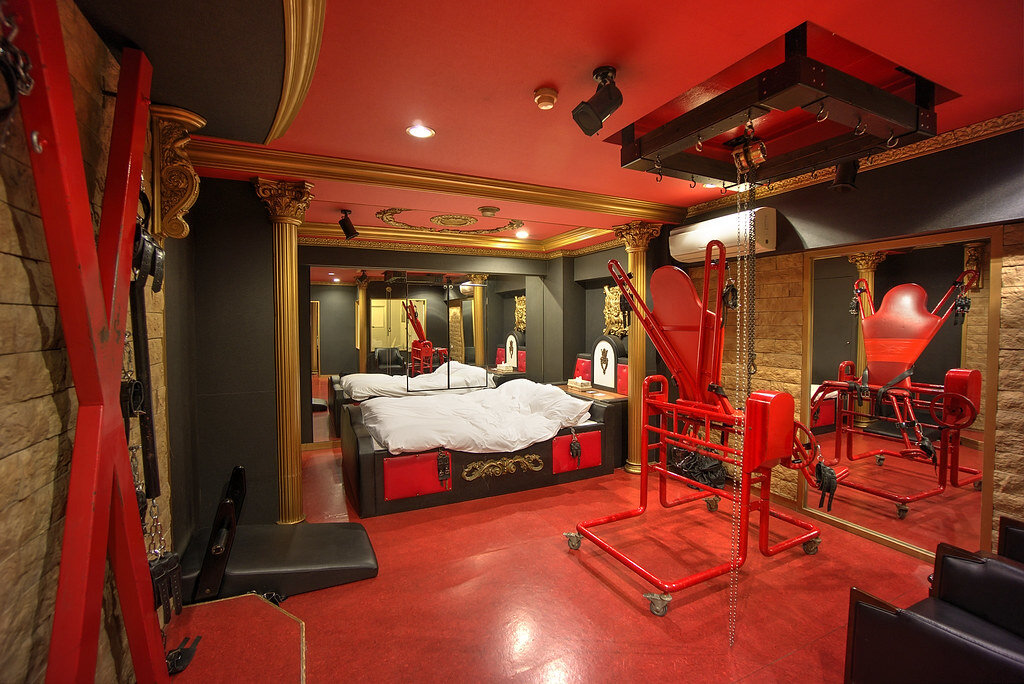
One of the primary draws of a love hotel is the sheer variety of room themes. Unlike a standard room at a Grand Hyatt Hotel or a Hilton Tokyo, which focuses on corporate elegance, a love hotel room might transport guests to a different world. You can find suites designed to look like a traditional Japanese tea house, a futuristic spaceship, or even a jungle oasis.
In cities like Osaka, particularly in the Dotonbori district, hotels like Hotel Public Jam offer rooms with vintage themes or industrial aesthetics. These suites are often significantly larger than standard business hotel rooms in Japan, providing ample space for relaxation. The attention to detail in the décor—ranging from custom lighting schemes to hand-picked art pieces—ensures that the environment is as much an attraction as the stay itself.
High-Tech Amenities and Entertainment
The amenity list in a premier love hotel is often more extensive than what you would find in a five-star resort. Most rooms come equipped with massive flat-screen televisions, professional-grade karaoke systems, and high-end sound systems. It is not uncommon to find rooms with built-in gaming consoles, VR setups, and even private cinema projectors.
For those looking for relaxation, the “spa” aspect of the room is usually the centerpiece. Most love hotels feature oversized whirlpool tubs (often called “jet baths”) with integrated LED lighting and underwater massage functions. Some high-end locations, such as those operated by the Hotel Bali An Resort group, provide guests with saunas, steam rooms, and even “mist saunas” within their private suites. These hotels often source premium toiletries from international brands, ensuring a luxury experience from the moment guests step into the bath.
Operational Mechanics: Discretion, Pricing, and Booking
The operational side of a love hotel is built on two pillars: discretion and efficiency. This is what sets them apart from traditional accommodation providers. The check-in process is designed to be as frictionless and private as possible, catering to a culture that highly values personal space and anonymity.
Automated Check-In and Privacy
In many modern establishments, guests never interact with a staff member. Upon entering the lobby, a large touch-panel display shows photos of available rooms and their respective prices. Once a guest selects a room, they can proceed directly to it. Payments are often handled through automated kiosks inside the room or at the reception desk, where the staff is separated from the guest by a small window or a screen. This system is particularly prevalent in busy hubs like Shinjuku and the Kabukicho entertainment district.
“Rest” vs. “Stay” Pricing Models
Love hotels utilize a unique pricing structure that caters to different needs throughout the day and night.
- Rest (Kyukei): This is a short-term stay, usually ranging from two to four hours. It is ideal for couples or travelers who need a quick place to recharge during the day.
- Stay (Shukuhaku): This refers to an overnight stay. Typically, the check-in time for an overnight stay starts later in the evening (around 8:00 PM or 10:00 PM) and requires checkout by mid-morning.
- Service Time: Many hotels offer “no-time” or service time deals, which allow guests to stay for a set block of hours during the day at a discounted rate.
For international travelers visiting Yokohama or Nagoya, these pricing models offer incredible flexibility. If you miss the last train or simply want a luxury bath and a comfortable bed for a few hours without paying for a full 24-hour hotel cycle, a love hotel is often the most cost-effective and luxurious solution.
Booking and Accessibility
Historically, love hotels did not accept reservations; they were “walk-in” only establishments. However, with the rise of digital travel platforms, many top-tier brands like Hotel Glare Zipangu now allow guests to book online. This change has made these hotels more accessible to foreign tourists who want to experience the boutique luxury of a love hotel without the uncertainty of room availability upon arrival.
Luxury and Niche Offerings in the Modern Era
As the hospitality market in Japan becomes more competitive, the love hotel industry has pivoted toward high-end luxury and niche markets. The modern love hotel is no longer just a place for privacy; it is a destination for “staycations” and pampered retreats.
Gourmet Dining and Room Service
The culinary offerings in premium love hotels have seen a significant upgrade. Instead of simple snacks, many establishments now offer extensive menus featuring Wagyu Beef, fresh sushi, and seasonal Japanese cuisine prepared by professional chefs. The Hotel Bali An Resort chain, for instance, is famous for its Balinese-inspired sweets and tropical cocktails. Guests can order via a tablet in the room, and the food is delivered through a small, two-way locker system to maintain privacy.
Specialized Facilities: From Boulders to Baths
Innovation is the lifeblood of the industry. In Fukuoka and Sapporo, you can find love hotels that feature indoor rock-climbing walls, swimming pools, or even outdoor rotemburo (open-air baths) with views of the city skyline. Some rooms are designed with professional massage chairs, tanning beds, or specialized beauty equipment like facial steamers and high-end hair dryers from brands like Dyson.
The “Joshibukai” or Girls’ Night Out
A growing trend in the industry is the use of love hotels for “Joshibukai,” or women’s parties. Groups of friends book large, luxury suites to enjoy the karaoke systems, high-end baths, and room service in a secure and private environment. Hotels have responded by creating “Party Plans” that include champagne, balloon decorations, and dessert platters. This shift highlights how the love hotel has transcended its original purpose to become a versatile boutique accommodation choice for various demographics.
Navigating Love Hotel Districts Across Japan
If you are planning to experience this unique form of accommodation, knowing where to look is key. Each major city in Japan has a designated “Love Hotel Hill” or district where these establishments cluster.
Tokyo: Shibuya and Shinjuku
In Tokyo, the most famous area is Dogenzaka in Shibuya. This hill is packed with dozens of hotels ranging from budget-friendly options to high-end boutiques. Shinjuku, specifically the Kabukicho area, also offers a massive concentration of hotels. Staying in these areas puts you in the heart of the city’s nightlife, making it easy to transition from a night at Golden Gai to a luxury suite.
Osaka and Kyoto
In Osaka, the Umeda and Namba districts are the primary hubs. The hotels here often reflect the bold and vibrant personality of the city, with more colorful and adventurous room designs. In Kyoto, while the architecture is often more subdued to match the city’s historical aesthetic, the interiors remain incredibly luxurious, often incorporating traditional elements like tatami mats and bamboo accents into modern suite layouts.

Regional Variations
As you move into regional areas like Okinawa or Hokkaido, love hotels often take the form of detached villas or bungalows. These “motel-style” love hotels allow guests to park their cars directly underneath their rooms, providing the ultimate level of privacy and convenience for those on a road trip through the Japanese Alps or along the coast.
The Japanese love hotel is a fascinating intersection of culture, technology, and hospitality. By prioritizing guest privacy and offering an array of amenities that go far beyond the standard hotel room, these establishments provide a unique boutique experience. Whether you are looking for a high-tech entertainment hub, a private spa retreat, or simply a quiet place to rest in the middle of a bustling metropolis, the love hotel stands as one of Japan’s most innovative and misunderstood accommodation sectors.
LifeOutOfTheBox is a participant in the Amazon Services LLC Associates Program, an affiliate advertising program designed to provide a means for sites to earn advertising fees by advertising and linking to Amazon.com. Amazon, the Amazon logo, AmazonSupply, and the AmazonSupply logo are trademarks of Amazon.com, Inc. or its affiliates. As an Amazon Associate we earn affiliate commissions from qualifying purchases.